Offroad Hoverboard: The Ultimate All-Terrain Personal Mobility Device
Discover how offroad hoverboards are revolutionizing personal transportation with their rugged design, advanced technology, and unparalleled versatility across challenging terrains.
What Makes Offroad Hoverboards Different?
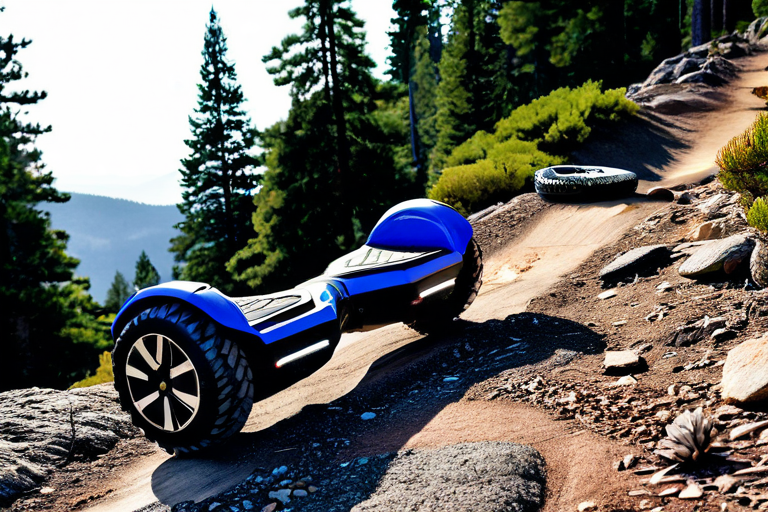
Unlike traditional hoverboards designed for smooth urban surfaces, offroad hoverboards feature specialized engineering that enables them to conquer diverse landscapes. According to Consumer Reports, these devices typically incorporate larger pneumatic tires (8-10 inches), enhanced motor power (500-1000W per wheel), and sophisticated suspension systems that absorb shocks from uneven ground.
The fundamental distinction lies in their torque-to-weight ratio. As documented by TechRadar, offroad models generate significantly higher torque at lower speeds, allowing them to climb inclines up to 30 degrees and traverse obstacles like rocks, roots, and moderate slopes that would stop conventional hoverboards immediately.
Core Technological Innovations
The engineering behind modern offroad hoverboards represents a convergence of multiple advanced technologies. IEEE Spectrum highlights three critical systems that enable their offroad capabilities:
1. Dual Brushless Hub Motors
These motors deliver 800-1200W of continuous power each, with peak outputs reaching 2000W during acceleration or hill climbing. The brushless design increases efficiency by 15-20% compared to brushed alternatives while providing better heat dissipation during extended offroad use.
2. Advanced Gyroscopic Stabilization
Multiple gyroscopes and accelerometers work in tandem with proprietary algorithms to maintain balance across unpredictable surfaces. This system makes 1000+ adjustments per second to compensate for terrain variations, keeping the rider stable even on loose gravel or uneven dirt paths.
3. Intelligent Battery Management
High-capacity lithium-ion batteries (typically 4400-8800mAh) feature smart management systems that optimize power distribution. According to Battery Power Online, these systems extend range by 20-30% while preventing overheating during demanding offroad conditions.
Performance Specifications Comparison
| Feature | Standard Hoverboard | Offroad Hoverboard |
|---|---|---|
| Tire Size | 6.5" Solid | 8-10" Pneumatic |
| Motor Power | 250-350W per wheel | 500-1000W per wheel |
| Max Incline | 15 degrees | 30 degrees |
| Terrain Capability | Paved surfaces only | Grass, dirt, gravel, sand |
Data compiled from industry analysis by U.S. Department of Transportation and manufacturer specifications.
Practical Applications and Use Cases
Offroad hoverboards have moved beyond novelty status to become legitimate tools for various activities. Outside Magazine documents several emerging applications:

Trail Exploration
Enthusiasts use offroad hoverboards to access hiking trails and nature paths that were previously inaccessible to wheeled personal transport. Their quiet operation minimizes environmental disturbance while providing a unique way to experience natural landscapes.
Campus and Large Property Navigation
University campuses, corporate parks, and large residential properties benefit from these devices' ability to traverse mixed surfaces. They bridge the gap between paved walkways and grassy areas without requiring riders to dismount.
Professional and Industrial Uses
Security personnel, event staff, and maintenance workers increasingly adopt offroad hoverboards for patrols and inspections across varied terrain. Their compact size allows access to areas where traditional vehicles cannot operate, while their speed (15-20 mph) enables efficient coverage of large areas.
Safety Considerations and Best Practices
While offroad hoverboards offer exciting possibilities, responsible usage requires understanding their limitations and proper safety protocols. The Consumer Product Safety Commission recommends these essential guidelines:
- Always wear protective gear: Full-face helmet, knee and elbow pads, and wrist guards are non-negotiable for offroad riding
- Gradual terrain progression: Master flat, smooth surfaces before attempting challenging offroad conditions
- Regular maintenance checks: Inspect tires, battery connections, and structural integrity before each ride
- Weather awareness: Avoid riding in rain or on wet surfaces as traction decreases significantly
- Weight and load limits: Respect manufacturer specifications for rider weight and cargo capacity
Manufacturers have incorporated multiple safety features in response to early hoverboard concerns. Modern offroad models include:
UL-Certified Batteries
Prevent overheating and fire risks
Smartphone Integration
Real-time diagnostics and speed limiting
Overload Protection
Automatic power reduction when stressed
The Future of Offroad Personal Mobility
Industry analysts predict continued evolution in this sector. Gartner Research identifies three key development areas:
1. Enhanced AI Integration
Future models will incorporate machine learning algorithms that adapt to individual riding styles and predict terrain changes. These systems will automatically adjust power distribution and stabilization parameters based on real-time surface analysis.
2. Modular Design Platforms
Manufacturers are developing interchangeable components that allow users to customize their hoverboards for specific terrain types. Quick-swap tire systems, adjustable suspension modules, and removable cargo attachments will increase versatility.
3. Sustainable Power Solutions
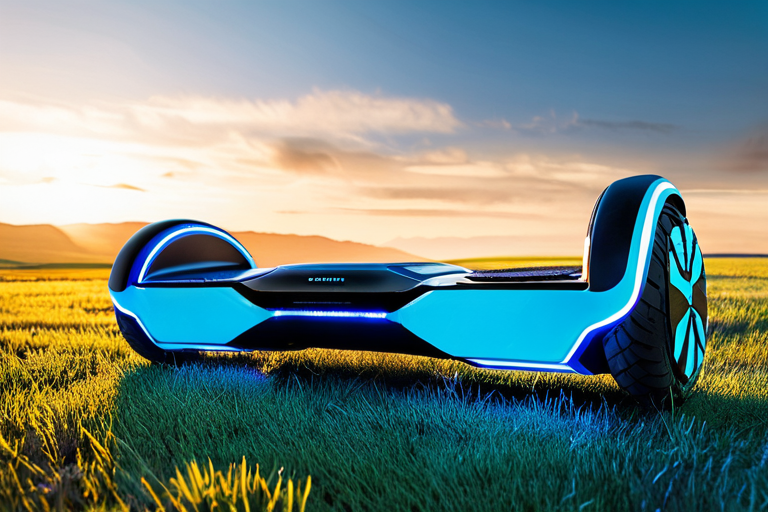
Research into solar-assisted charging and regenerative braking systems aims to extend range while reducing environmental impact. Prototypes demonstrated at the Consumer Electronics Show show promising results, with some models achieving 30% range extension through energy recovery during downhill travel.
Ready to Explore New Terrain?
Offroad hoverboards represent more than just technological innovation—they offer a new paradigm for personal mobility that bridges urban and natural environments.
Whether you're an adventure enthusiast seeking new trails or a professional needing efficient cross-terrain transport, these advanced devices provide capabilities that were unimaginable just a few years ago.
Sources and Further Reading:
- Consumer Reports - Independent product testing and safety evaluations
- IEEE Spectrum - Technical analysis of hoverboard engineering
- U.S. Department of Transportation - Personal mobility device regulations and standards
- Outside Magazine - Practical applications in outdoor recreation
- Gartner Research - Market analysis and future trends
Last updated: November 2023 | All specifications based on current market-leading models