Swamp Buggies: The Ultimate Off-Road Machines for Wetland Adventures
Swamp buggies represent one of the most specialized and fascinating categories in the world of off-road vehicles. These unique machines have evolved from practical tools for navigating Florida's wetlands to competitive racing platforms and recreational vehicles that capture the spirit of adventure in challenging terrain.
The Origins and Evolution of Swamp Buggies
The history of swamp buggies dates back to the early 20th century in the Florida Everglades, where local hunters, fishermen, and explorers needed vehicles capable of traversing the region's challenging wetland environments. According to historical records from the Florida Memory Project, early swamp buggies were often modified from existing vehicles, with pioneers like Ed Frank and Leonard Morgan credited with developing some of the first purpose-built designs in the 1940s.
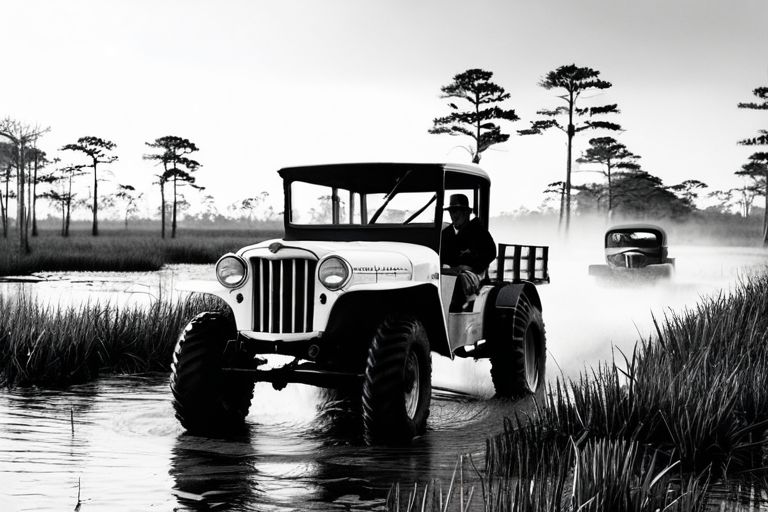
Early swamp buggy designs were practical solutions for Florida's challenging terrain
As documented by the Off-Road.com automotive archive, the evolution of swamp buggies accelerated in the 1950s and 1960s with the introduction of more sophisticated suspension systems and larger tires. What began as utilitarian vehicles gradually transformed into specialized machines with distinct design characteristics optimized for wetland performance.
Design Characteristics and Engineering Features
Modern swamp buggies incorporate several distinctive design elements that set them apart from conventional off-road vehicles:
- Elevated Chassis: Most swamp buggies feature significantly raised frames to provide maximum ground clearance, often exceeding 24 inches
- Oversized Tires: Specialized mud tires, typically ranging from 44 to 66 inches in diameter, provide the necessary flotation and traction in soft terrain
- Waterproof Components: Critical systems are sealed against water intrusion, with many buggies capable of operating in several feet of water
- Lightweight Construction: Many designs utilize aluminum or fiberglass bodies to minimize weight while maintaining structural integrity
- Powerful Engines: High-torque engines, often V8 configurations, provide the necessary power to overcome mud and water resistance
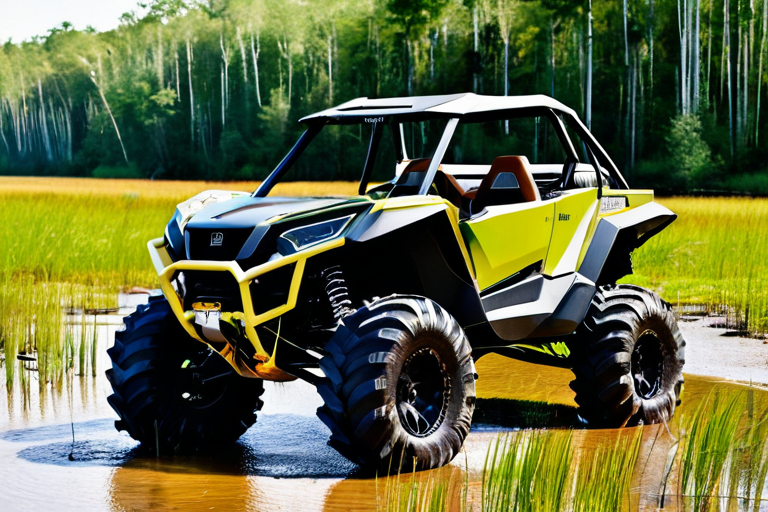
Modern swamp buggy showcasing elevated chassis and oversized tires
According to technical analysis published by Four Wheeler Magazine, the most advanced swamp buggies incorporate independent suspension systems, specialized gear reduction units, and custom-built axles capable of withstanding the extreme stresses of wetland operation. These engineering solutions allow swamp buggies to maintain mobility in conditions that would immobilize conventional 4x4 vehicles.
Swamp Buggy Racing: A Unique Motorsport
The competitive aspect of swamp buggy culture represents one of its most exciting dimensions. The Swamp Buggy, Inc. organization has been sanctioning official races since 1949, with events typically held in specially prepared wetland courses featuring mud pits, water crossings, and challenging obstacles.
Racing categories have evolved to include several distinct classes:
Pro Modified Class
Highly modified machines with custom-built frames, powerful engines exceeding 600 horsepower, and specialized tires designed for maximum speed in muddy conditions.
Sportsman Class
More accessible vehicles based on production components, offering competitive racing with lower entry costs while maintaining the essential swamp buggy characteristics.
V8 Sportsman Class
Vehicles featuring production-based V8 engines with limited modifications, balancing performance with cost considerations for amateur competitors.
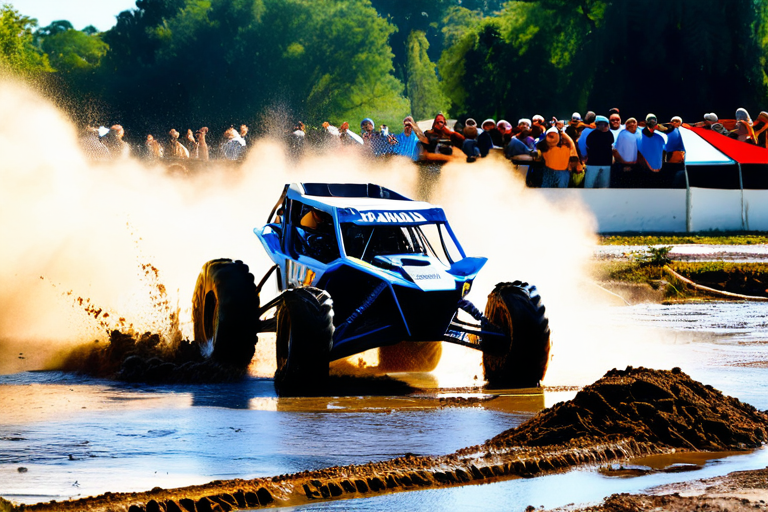
Swamp buggy racing event showcasing vehicles navigating challenging wetland course
Major racing events like the Florida Sports Park Swamp Buggy Races attract thousands of spectators and participants annually. According to coverage by Motorsport.com, these events have developed dedicated fan bases and represent significant economic contributions to local communities while preserving the cultural heritage of swamp buggy development.
Practical Applications and Modern Uses
Beyond recreational and competitive uses, swamp buggies continue to serve important practical functions in various industries and applications:
Environmental Research and Conservation
Scientific organizations and environmental agencies utilize specially equipped swamp buggies to access remote wetland areas for research purposes. These vehicles enable researchers to conduct biodiversity studies, water quality monitoring, and habitat assessments in regions inaccessible to conventional vehicles.
Agricultural and Land Management
In regions with extensive wetland agriculture, swamp buggies provide essential transportation for farmers and land managers. They facilitate activities ranging from crop inspection and maintenance to equipment transport across flooded fields.
Search and Rescue Operations
Emergency services in wetland regions maintain swamp buggies for search and rescue missions. Their ability to traverse flooded areas makes them invaluable during natural disasters and for locating missing persons in challenging terrain.
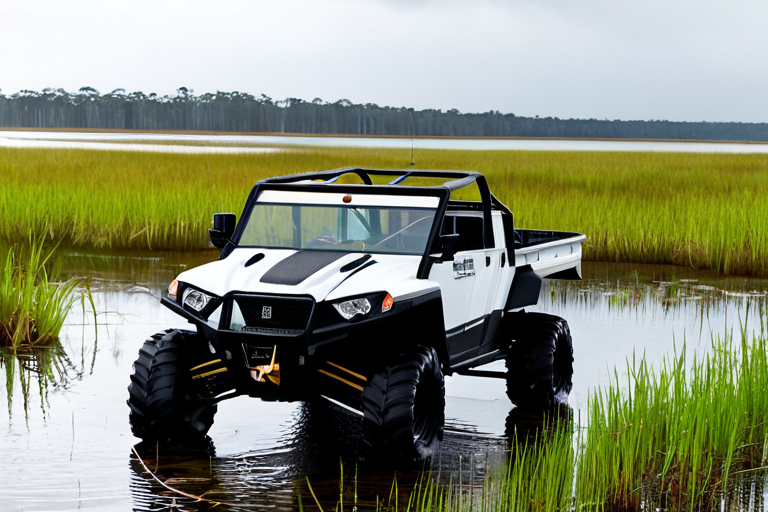
Swamp buggy being used for environmental research in wetland habitat
Building and Customizing Your Own Swamp Buggy
The DIY culture surrounding swamp buggies remains strong, with enthusiasts building custom vehicles using various approaches. According to resources from Pirate4x4.com, successful swamp buggy builds typically follow several key principles:
- Frame Design: Start with a sturdy, elevated frame constructed from rectangular or round tubing. The frame must provide sufficient ground clearance while maintaining structural integrity under extreme conditions.
- Drivetrain Selection: Choose components capable of handling water immersion and mud contamination. Waterproofing measures for electrical systems, breather extensions for axles, and sealed bearings are essential considerations.
- Tire and Wheel Configuration: Select appropriate tire sizes based on intended use. Larger tires provide better flotation in soft terrain but may require gear reduction for proper performance.
- Suspension Setup: Design suspension systems that provide adequate wheel travel while maintaining stability. Many builders opt for long-travel independent suspension or specially designed solid axle configurations.
- Safety Features: Incorporate roll cages, secure seating, proper lighting, and emergency equipment. Given the challenging environments swamp buggies operate in, safety should never be compromised.
The Future of Swamp Buggy Technology
As technology advances, swamp buggies continue to evolve with new innovations. Industry experts predict several trends that will shape future developments:
Electric Powertrains
The transition to electric propulsion offers advantages for swamp buggies, including instant torque delivery, simplified waterproofing, and reduced maintenance requirements in wet environments.
Advanced Materials
New composite materials and corrosion-resistant alloys will enable lighter, stronger, and more durable swamp buggy constructions with improved performance characteristics.
Digital Integration
GPS navigation, terrain mapping systems, and vehicle telemetry will enhance both recreational use and practical applications of swamp buggies in professional contexts.
Conclusion: The Enduring Appeal of Swamp Buggies
Swamp buggies represent more than just specialized vehicles—they embody a unique approach to overcoming environmental challenges through mechanical innovation. From their practical origins in Florida's wetlands to their current status as competitive racing platforms and recreational vehicles, swamp buggies have maintained their relevance by continuously adapting to new technologies while preserving their essential character.
Whether used for scientific research, agricultural work, competitive racing, or recreational exploration, these remarkable machines continue to demonstrate that with the right engineering approach, even the most challenging terrain can be successfully navigated. As environmental awareness grows and technology advances, swamp buggies will likely continue evolving while maintaining their position as the ultimate vehicles for wetland adventure and exploration.
References and Further Reading:
- Florida Memory Project - Historical documentation of early swamp buggy development
- Off-Road.com - Technical analysis of off-road vehicle evolution
- Four Wheeler Magazine - Engineering insights into specialized vehicle design
- Swamp Buggy, Inc. - Official racing organization and historical records
- Motorsport.com - Coverage of swamp buggy racing events and culture
- Pirate4x4.com - DIY resources and technical forums for off-road enthusiasts