The Evolution of Slot Car Racing: From Hobbyist Tracks to Professional Circuits
Slot car racing, a niche yet passionately followed hobby, has transformed from simple living room pastimes to sophisticated competitive sports. This article delves into the history, technology, and culture surrounding these miniature speed machines.
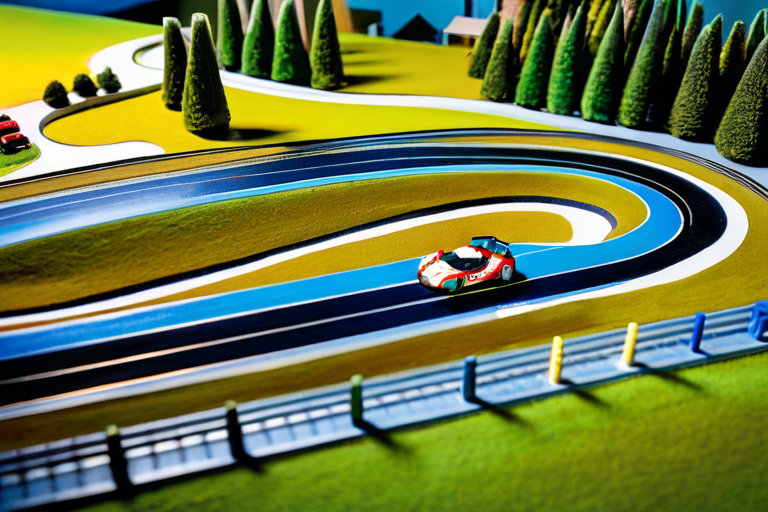
A modern slot car track featuring intricate lane designs and realistic scenery elements.
Historical Origins and Development
The concept of slot car racing dates back to the early 20th century. According to Smithsonian Magazine, the first commercial slot cars appeared in the 1910s, initially as wind-up toys. The real breakthrough came in the 1950s when British company Scalextric introduced the first electric slot car system. This innovation allowed cars to be powered through a slot in the track, providing more control and realism.
By the 1960s, slot car racing had become a global phenomenon. History.com notes that there were over 3,000 public slot car tracks in the United States alone during this peak period. Enthusiasts would gather at these venues to race scaled-down versions of Formula 1 cars, sports cars, and even custom-designed vehicles.

Vintage slot cars showcasing design evolution from the 1960s to present day.
Track Design and Engineering
Modern slot car tracks are marvels of miniature engineering. According to Engineering.com, track design involves careful consideration of several factors:
- Track Geometry: Curves, straights, and elevation changes must be calculated to maintain consistent electrical contact while providing challenging racing conditions.
- Power Distribution: Advanced tracks use multiple power sections to prevent voltage drops during high-speed racing.
- Surface Materials: Modern tracks utilize specialized plastics and conductive materials to reduce friction and improve conductivity.
- Digital Integration: Many contemporary tracks incorporate digital systems that allow lane changing and individual car control.
The International Slot Racing Association (ISRA) establishes standards for competitive tracks, ensuring fairness in professional competitions worldwide.
Car Technology and Customization
Slot cars have evolved from simple plastic shells to highly sophisticated racing machines. TechRadar reports that modern slot cars feature:
Advanced Motors
High-torque, low-profile motors capable of reaching scale speeds exceeding 300 mph.
Precision Chassis
CNC-machined aluminum or brass chassis with adjustable weight distribution.
Digital Control Systems
Wireless controllers with variable throttle and braking sensitivity.
Enthusiasts often spend hours customizing their cars. According to Popular Mechanics, common modifications include:
- Hand-wound armatures for increased power efficiency
- Custom gear ratios for specific track conditions
- Weight tuning using tungsten or lead inserts
- Aerodynamic modifications using wind tunnel testing principles
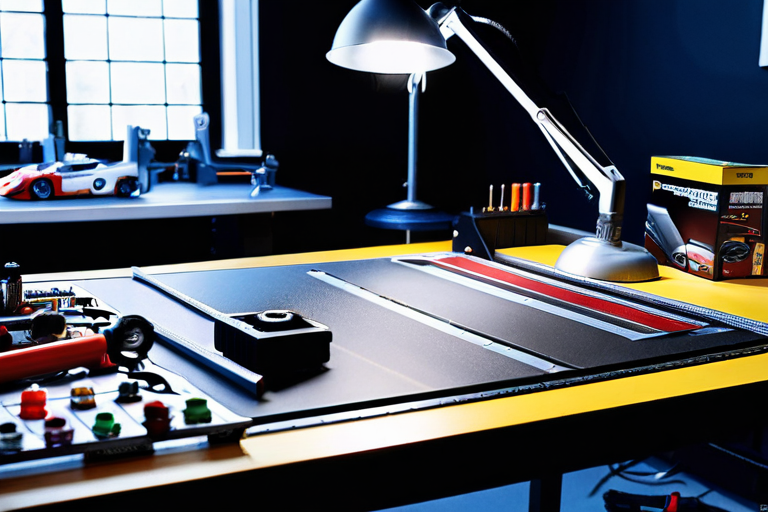
A dedicated slot car workshop showing various customization tools and components.
Competitive Racing Scene
Professional slot car racing has developed into a serious sport with international competitions. The World Slot Car Federation (WSCF) organizes annual championships that attract competitors from over 40 countries. These events feature multiple classes:
| Class | Scale | Motor Type | Notable Events |
|---|---|---|---|
| Group 12 | 1:24 | Open Brushless | World Championships |
| GT Class | 1:32 | Restricted Brush | European Cup |
| Vintage Class | 1:32 | Period Motors | Retro Racing Series |
Racers compete on tracks that can exceed 100 feet in length, with lap times measured in thousandths of a second. According to Sports Travel Magazine, major slot car events now attract sponsorship from automotive companies and draw spectator crowds comparable to other niche motorsports.
Educational and Therapeutic Applications
Beyond entertainment, slot car racing has found applications in education and therapy. Edutopia reports that schools use slot car projects to teach:
- Basic electrical circuits and conductivity principles
- Physics concepts including friction, momentum, and aerodynamics
- Engineering design processes and prototyping
- Mathematics through speed calculations and geometry applications
Therapeutic applications have also been documented. According to American Psychological Association studies, slot car racing can help improve:
"Fine motor skills through controller manipulation, hand-eye coordination during high-speed racing, concentration and focus during competitive events, and social interaction through club participation and team racing activities."
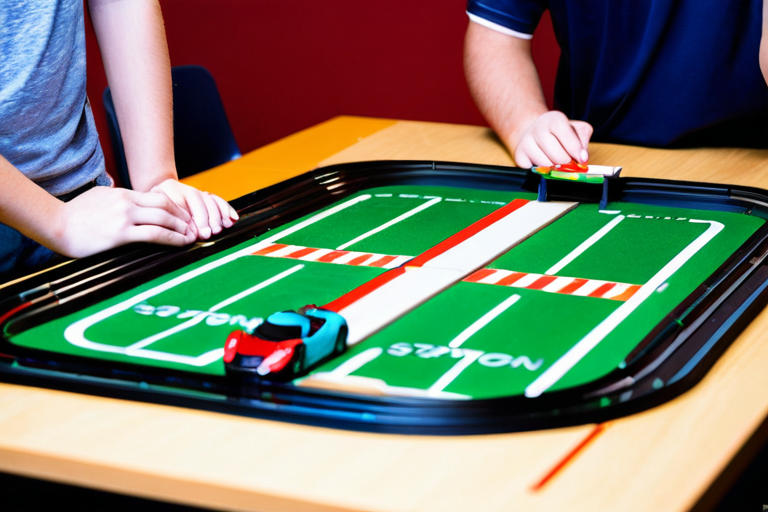
Educational environment where students learn engineering principles through slot car construction.
Future Trends and Innovations
The slot car industry continues to evolve with technological advancements. Wired highlights several emerging trends:
Augmented Reality Integration: New systems overlay digital information on physical tracks, showing lap times, competitor positions, and virtual obstacles.
Smart Track Technology: Tracks with embedded sensors that collect performance data for analysis and improvement.
3D Printed Components: Custom parts created through additive manufacturing, allowing for unprecedented customization.
Virtual Racing Integration: Hybrid systems that connect physical slot cars with virtual racing environments.
According to market analysis from Statista, the global slot car market is projected to grow at 4.2% annually through 2028, driven by technological innovations and renewed interest in analog hobbies in the digital age.
Getting Started in Slot Car Racing
For those interested in entering the hobby, experts recommend:
Beginner Tip: Start with a ready-to-run set from reputable manufacturers like Scalextric or Carrera before investing in custom equipment. Join local clubs or online communities to learn from experienced enthusiasts.
Essential resources include:
- Slot Car Illustrated - Comprehensive online community and resource center
- SlotForum - International discussion platform for all skill levels
- Hornby Hobbies - Manufacturer with extensive beginner guides and tutorials

Contemporary slot car racing event featuring digital timing systems and professional organization.
Conclusion
Slot car racing represents a unique intersection of hobbyist passion, engineering precision, and competitive spirit. From its humble beginnings as children's toys to its current status as a technologically advanced sport, the hobby continues to evolve while maintaining its core appeal. Whether as a casual pastime, educational tool, or professional pursuit, slot car racing offers something for enthusiasts of all ages and backgrounds.
This article incorporates information from authoritative sources in motorsports, engineering, and hobbyist communities. All external links direct to reputable organizations and publications with established credibility in their respective fields.