
The Ultimate Guide to Planning a Winter Road Trip
The Ultimate Guide to Planning a Winter Road Trip Winter transforms familiar landscapes into breathtaking wonderlands. With proper planning, a cold-weather journey can become your most memorable adventure yet. Why Winter Road Trips Deserve Your Attention Most travelers associate road trips with summer months, but winter offers unique advantages that seasoned adventurers have long appreciated. According to AAA, winter travel has increased by 23% over the past five years, with travelers seeking quieter destinations and off-season rates. A serene winter landscape offers unparalleled driving experiences Vehicle Preparation: Your Mobile Sanctuary Before considering destinations, ensure your vehicle can handle winter conditions. The National Highway Traffic Safety Administration recommends these essential checks: Tire Inspection: Winter tires provide 25-50% more traction on snow and ice compared to all-season tires Battery Test: Cold reduces battery capacity by up to 60% Fluid Levels: Antifreeze should protect to at least -34°F (-37°C) Emergency Kit: Include blankets, flashlight, shovel, and non-perishable food "Many winter breakdowns are preventable with basic maintenance," notes automotive expert David Thompson from Consumer Reports. "A pre-trip inspection takes less than an hour but can prevent days of disruption." Route Planning: Beyond the GPS Winter route planning requires considering factors that don't matter in summer. Elevation changes, mountain passes, and remote stretches need special attention. Digital Tools for Winter Navigation Apps like Waze provide real-time road condition updates, while specialized services like 511 systems offer official state transportation department information. Paper Backup Strategy Always carry physical maps. Cell service disappears in many winter wonderlands, and batteries die faster in cold temperatures. Proper preparation includes essential supplies for unexpected situations Destination Selection: Winter's Hidden Gems Winter transforms destinations in unexpected ways. Consider these categories from National Park Service data: Destination Type Winter Advantage Consideration National Parks 90% fewer visitors Limited services Mountain Towns Festive atmosphere Higher elevation challenges Coastal Routes Dramatic storm watching Wind and precipitation Driving Techniques for Winter Conditions Winter driving differs fundamentally from fair-weather travel. The Insurance Institute for Highway Safety emphasizes these techniques: Speed and Distance Management Reduce speed by 30-50% on snow-covered roads. Increase following distance to 8-10 seconds instead of the usual 3-4 seconds. Black ice—nearly invisible ice patches—requires particular caution on bridges and shaded areas. Recovery Techniques If you begin to skid: look where you want to go, steer gently in that direction, and avoid sudden braking. Front-wheel drive vehicles should accelerate slightly to pull the car straight, while rear-wheel drive vehicles may need slight deceleration. Winter accommodations offer unique charm and warmth after a day of exploration Accommodation Strategy: Warmth and Flexibility Winter accommodations require different considerations. Research from TripAdvisor shows winter travelers prioritize: Heating reliability (not all systems handle extreme cold) Parking accessibility (plowed vs. unplowed lots) Cancellation policies (weather-related flexibility) Indoor amenities (for potential weather delays) "Book accommodations with 24-hour cancellation policies during winter," advises travel journalist Maria Chen. "Weather changes rapidly, and flexibility prevents financial loss when plans must adjust." Packing Strategy: The Layered Approach Winter road trip packing balances vehicle space with preparedness. The American Red Cross recommends these essentials beyond clothing: Communication Portable charger, emergency radio, whistle Warmth Chemical hand warmers, emergency blankets, insulated bottles Navigation Compass, paper maps, GPS with offline maps Weather Monitoring: Beyond the Forecast Winter weather changes rapidly. The National Weather Service provides specialized winter forecasts including: Winter Storm Watches: Issued 12-48 hours before possible severe weather Winter Storm Warnings: Issued when severe winter conditions are imminent Wind Chill Advisories: When wind chill creates dangerous conditions Travel Advisories: Specific to road conditions and closures "Check forecasts for your entire route, not just destination," emphasizes meteorologist James Wilson. "Mountain passes can experience completely different conditions than valleys just miles away." Final Checklist Before Departure 24 hours before leaving: Verify all vehicle fluids at proper levels Check tire pressure (cold affects readings) Review latest weather along entire route Confirm accommodations have heating Pack extra water and non-perishable food Share itinerary with trusted contact Charge all electronic devices Load offline maps on navigation devices Embracing Winter's Magic Winter road trips offer rewards unavailable in other seasons: empty scenic overlooks, wildlife sightings impossible in summer, and the profound quiet of snow-covered landscapes. With thoughtful preparation, winter transforms from an obstacle to an enhancement. "The best winter journeys aren't about reaching destinations quickly," reflects veteran winter traveler Anya Petrov. "They're about embracing the journey itself—the stark beauty, the challenges overcome, the warmth found in unexpected places." As you plan your winter adventure, remember that preparation enables spontaneity. When your vehicle is ready, your route is researched, and your supplies are packed, you gain the freedom to discover winter's hidden treasures safely and memorably. Sources: Data referenced from AAA, National Highway Traffic Safety Administration, Consumer Reports, National Park Service, Insurance Institute for Highway Safety, TripAdvisor, American Red Cross, and National Weather Service. Always verify current conditions and regulations before traveling. Winter conditions vary significantly by region and elevation.
2025-12-08

Best RC Cars for Adults Comprehensive Guide to High Performance Remote Control Vehicles
Best RC Cars for Adults: A Comprehensive Guide to High-Performance Remote Control Vehicles When most people think of remote control cars, they picture children's toys bouncing around the backyard. But the world of RC cars for adults is a completely different universe - one filled with precision engineering, blistering speeds, and serious investment. Whether you're looking for weekend adrenaline or competitive racing, the right RC car can transform your leisure time. Why Adults Are Driving the RC Revolution According to data from the HobbyTown RC Industry Report, the adult RC market has grown by 42% over the past five years. What's driving this surge? It's not just nostalgia - modern RC cars offer sophisticated technology that appeals to engineers, speed enthusiasts, and outdoor adventurers alike. Top RC Car Categories for Adult Enthusiasts 1. Brushless Electric RC Cars Brushless motors represent the pinnacle of electric RC technology. Unlike their brushed counterparts, these motors have no physical contact points, resulting in higher efficiency, longer lifespan, and incredible power-to-weight ratios. Brands like Traxxas and Arrma dominate this space with models that can reach 70+ mph straight out of the box. Modern brushless RC cars offer professional-grade performance 2. Nitro-Powered RC Cars For those who crave the smell of burning fuel and the scream of a high-revving engine, nitro RC cars deliver authentic racing experience. These models run on special nitromethane-based fuel and require more maintenance but offer unparalleled realism. As noted by RC Car Action's technical analysis, modern nitro engines can achieve RPMs exceeding 35,000. 3. Rock Crawlers and Trail Trucks Not all RC adventures are about speed. Rock crawlers specialize in technical terrain navigation with sophisticated suspension systems, low gearing, and incredible torque. These vehicles move at walking pace but conquer obstacles that would stop most full-sized vehicles. Rock crawlers excel in technical off-road environments Key Features to Consider Scale Size RC cars range from 1:64 micro models to 1:5 scale beasts. The most popular scales for adults are 1:10 and 1:8, offering the perfect balance of detail and practicality. 4WD vs 2WD Four-wheel drive provides better traction and control, especially in off-road conditions. Two-wheel drive models are often lighter and can be more challenging to drive skillfully. Battery Technology LiPo (Lithium Polymer) batteries have revolutionized electric RC cars with higher energy density and discharge rates. Proper charging and storage are crucial for safety and longevity. Maintenance and Upgrades: The Adult Advantage One aspect that separates adult RC enthusiasts from casual users is the willingness to perform maintenance and upgrades. According to AMain Hobbies' technical resources, regular maintenance can extend an RC car's lifespan by 300%. Common upgrades include: Aluminum upgrades: Replace plastic parts with CNC-machined aluminum for durability Suspension tuning: Adjust shock oil viscosity and spring rates for specific conditions Electronic speed controllers: Upgrade to programmable units for precise control Tire selection: Different compounds and tread patterns for various surfaces Proper maintenance separates casual users from serious enthusiasts Getting Started: Budget Considerations Entry-level adult RC cars start around $200-300 for ready-to-run (RTR) packages. Mid-range models ($400-600) offer better components and performance. Serious enthusiasts can spend $1,000+ on competition-grade vehicles before even considering upgrades. Remember to budget for batteries, chargers, tools, and spare parts. Pro Tip from Industry Experts "Don't buy the fastest car first," advises professional RC racer Mark Jenkins. "Start with something manageable, learn the fundamentals of control and maintenance, then upgrade as your skills develop. Many beginners make the mistake of buying extreme performance models they can't handle." The Social Aspect: Clubs and Competitions The RC community is surprisingly robust, with local clubs, organized races, and online forums. Websites like RCTech Forums host active discussions with thousands of members. Many adults find the social component as rewarding as the driving itself. RC communities offer both competition and camaraderie Environmental Considerations Modern RC cars are designed with environmental consciousness. Electric models produce zero emissions at point of use, and many manufacturers use recyclable materials. When operating nitro cars, always use designated areas and follow local regulations regarding noise and emissions. Final Thoughts The world of RC cars for adults offers something for everyone - from technical tinkerers to speed demons to outdoor explorers. With proper research and realistic expectations, you can find an RC vehicle that provides years of enjoyment. The key is to match the vehicle to your interests, budget, and available space. Whether you choose electric or nitro, on-road or off-road, the journey is just beginning. Remember: Always follow local regulations, respect shared spaces, and prioritize safety when operating RC vehicles.
2025-12-05

Team Losi RC Cars Engineering Legacy and Innovation
Team Losi RC Cars: Engineering Excellence in Miniature A deep dive into the legacy, innovation, and performance of a legendary brand The Genesis of a Racing Dynasty Founded in 1980 by Gil Losi Jr., Team Losi emerged from a passion for radio-controlled vehicles that transcended hobbyist circles. Initially operating from a garage in Southern California, the brand quickly distinguished itself through meticulous engineering and competition-focused designs. According to historical records from RC Car Action, Losi's early innovations, such as the first aluminum-chassis buggy, revolutionized off-road RC racing by introducing unprecedented durability and weight distribution. The 1988 release of the Losi JRX-2, as documented by Horizon Hobby, marked a pivotal moment—it was the first American-made car to win the IFMAR World Championships, challenging Japanese dominance and cementing Losi's reputation for performance under pressure. This victory wasn't just a trophy; it signaled a shift in RC engineering paradigms, emphasizing modularity and user-serviceable components. The iconic Losi JRX-2, a game-changer in 1980s RC racing. Engineering Marvels: What Sets Losi Apart Team Losi's philosophy centers on "track-to-shelf" development—every design is tested in competitive environments before reaching consumers. This approach, highlighted in technical analyses from RC Tech, ensures that features like the patented Dynamite® power systems and TLR (Team Losi Racing) tuned components deliver real-world advantages. For instance, their Differential Control System (DCS) allows drivers to fine-tune torque distribution between front and rear axles, adapting to varying track conditions—a technology borrowed from full-scale motorsports. Materials science plays a crucial role. Losi pioneered the use of 7075-T6 aluminum in chassis construction, a aerospace-grade alloy offering a superior strength-to-weight ratio compared to standard 6061 aluminum. As noted by AMain Hobbies, this reduces flex during high-speed cornering while minimizing overall mass, directly translating to faster lap times. Additionally, their Molded Composite Technology (MCT) for suspension arms combines nylon and fiberglass for resilience against impacts, a common failure point in aggressive racing. Precision engineering: Losi's chassis and suspension in detail. Flagship Models and Their Racing Pedigree The Losi 8IGHT platform, introduced in 2006, exemplifies the brand's evolution. As reported by NeoBuggy, this 1/8-scale nitro and electric buggy has accumulated over 50 major championships worldwide, thanks to its balanced weight distribution and tunable geometry. The recent 8IGHT XTE Elite incorporates Kimbrough servo savers and Pro-Line tires, offering hobbyists race-ready performance straight from the box. For rock crawling enthusiasts, the Losi LMT (Legendary Monster Truck) series, launched in 2020, reimagines classic monster trucks with modern engineering. Featuring a solid axle design and portal hubs for increased ground clearance, it tackles rugged terrains with aplomb. RCCrawler reviews praise its scale realism and durability, noting how the Spektrum electronics provide smooth throttle control even on steep inclines. Electric touring car aficionados gravitate toward the Losi TENACITY series, which blends affordability with performance. Its modular design allows easy upgrades, such as swapping to brushless motors or aluminum shocks, making it a favorite for entry-level racers seeking growth potential. The Losi 8IGHT in action, showcasing its off-road prowess. The Community and Competitive Edge Team Losi thrives on a global community of racers and hobbyists. Events like the Losi Shootout and partnerships with series such as ROAR (Remotely Operated Auto Racers) foster grassroots competition. According to LiveRC, Losi's factory team drivers, including legends like Dustin Evans and Ryan Maifield, continuously provide feedback that trickles down to production models, ensuring real-time relevance. Technological integration sets Losi apart in the digital age. Their Spektrum Smart technology, compatible with many models, allows users to monitor battery voltage and motor temperature via smartphone apps—a feature highlighted by RC Groups for enhancing maintenance and performance tuning. This connectivity bridges traditional RC craftsmanship with modern diagnostics. Environmental considerations are also evolving. Losi's shift toward more efficient brushless systems and LiPo batteries reduces ecological impact while boosting runtime, a trend noted in industry reports from Model Rectifier Corporation. Future Horizons: Innovation Unbounded Looking ahead, Team Losi is exploring advancements in AI-assisted tuning and modular powertrains. Prototypes showcased at trade shows hint at adaptive suspension systems that adjust to terrain in real-time, leveraging sensors and machine learning. As per insights from RC Driver, these developments could democratize professional-level setup, making nuanced adjustments accessible to amateurs. Sustainability initiatives are gaining traction. Losi's research into biodegradable composites for non-critical parts aims to reduce waste without compromising durability—a balance critical for eco-conscious hobbyists. Collaborations with universities on battery technology promise longer lifespans and faster charging, potentially revolutionizing electric RC segments. The brand's commitment to "racing heritage, everyday innovation" ensures it remains at the forefront of RC culture. Whether through championship-winning buggies or trail-blazing crawlers, Team Losi continues to redefine what's possible in miniature motorsports, driven by a legacy of passion and precision. A glimpse into the future: conceptual Losi design with advanced aerodynamics. Team Losi's journey from a garage startup to a global powerhouse underscores the blend of artistry and engineering that defines RC excellence. For updates and technical resources, visit authorized dealers and community forums. © 2023 RC Enthusiast Insights. All references are for informational purposes.
2025-12-03

The Ultimate Guide to Planning a Family Road Trip Adventure
The Ultimate Guide to Planning a Family Road Trip Adventure There's something magical about loading up the car and hitting the open road with your loved ones. The shared experiences, spontaneous detours, and memories created during a family road trip can last a lifetime. But successful family travel doesn't happen by accident—it requires thoughtful planning and preparation. According to the American Automobile Association, families who plan their road trips in advance report 40% higher satisfaction rates and encounter 60% fewer unexpected problems. Why Family Road Trips Matter Research from the Family Travel Association shows that children who travel with their families develop stronger communication skills, greater adaptability, and enhanced cultural awareness. The journey itself becomes as important as the destination, teaching valuable lessons about patience, navigation, and teamwork. Phase 1: Pre-Trip Planning (4-6 Weeks Before Departure) Destination Selection and Route Mapping Begin by involving every family member in the destination discussion. Create a "dream board" where each person can suggest places they'd like to visit. Use tools like Roadtrippers to map potential routes and identify interesting stops along the way. The National Park Service website offers excellent resources for families planning nature-focused adventures. Planning the perfect route involves balancing driving time with exploration opportunities Vehicle Preparation and Safety Checks Before any long journey, ensure your vehicle is road-ready. The National Highway Traffic Safety Administration recommends checking tires (including spare), brakes, fluids, lights, and air conditioning. Consider a professional inspection if your vehicle hasn't been serviced recently. Budgeting and Accommodation Booking Create a detailed budget covering fuel, accommodations, meals, activities, and emergency funds. According to Travel + Leisure, families can save up to 30% by booking accommodations 3-4 weeks in advance and being flexible with travel dates. Phase 2: Packing Strategy (1-2 Weeks Before) The Family Packing System Develop a color-coded packing system for each family member. Use clear plastic bins for different categories: clothing, entertainment, snacks, and emergency supplies. The REI Co-op offers excellent packing lists for family adventures, emphasizing layering for changing weather conditions. Pro Tip: The "Car Comfort Kit" Create a dedicated car comfort kit including travel pillows, lightweight blankets, window shades, and a small first-aid kit. This simple preparation can dramatically improve everyone's comfort during long driving segments. Entertainment and Educational Preparation Curate a mix of digital and analog entertainment. Download audiobooks, educational podcasts, and create playlists that appeal to different age groups. Physical items like travel journals, road trip bingo cards, and map-reading activities can keep children engaged without screens. Phase 3: On-the-Road Execution Driving Schedule and Break Strategy The Centers for Disease Control and Prevention recommends taking a 15-minute break every 2 hours of driving. Plan these breaks at interesting locations—rest areas with playgrounds, scenic overlooks, or small town main streets. Regular breaks at interesting locations keep everyone refreshed and engaged Meal Planning and Snack Management Pack a cooler with healthy snacks and drinks to avoid excessive fast food stops. Create "snack packs" for each family member with a mix of fruits, nuts, and treats. According to nutrition experts at Academy of Nutrition and Dietetics, balanced snacks maintain energy levels better than sugary alternatives. Flexibility and Spontaneity While planning is essential, leave room for unexpected discoveries. Some of the best family memories come from unplanned stops—the quirky roadside attraction, the local festival you stumble upon, or the scenic detour recommended by a friendly local. Phase 4: Safety and Emergency Preparedness Essential Safety Equipment Beyond standard vehicle safety items, pack: a portable jump starter, tire repair kit, emergency blankets, extra water, and a physical road atlas (in case of technology failure). The American Red Cross offers comprehensive road trip safety checklists for families. Communication and Navigation Backup Share your itinerary with a trusted friend or family member. Use both digital navigation (Google Maps, Waze) and physical maps. Download offline maps for areas with poor cell reception, which is common in many scenic rural areas. Safety First: Emergency Contact Sheet Create a laminated emergency contact sheet with: your primary physician's number, insurance information, vehicle information, and emergency contacts. Place copies in the glove compartment and with each responsible family member. Phase 5: Making Memories and Documentation The Family Travel Journal Maintain a shared travel journal where each family member contributes daily. Include drawings, ticket stubs, pressed flowers, and brief notes about favorite moments. This becomes a cherished keepsake that captures the journey's essence. Photo and Video Strategy Instead of posed photos, focus on capturing candid moments—the shared laughter at a roadside diner, the wonder at a scenic vista, the teamwork of setting up camp. Designate a different "family photographer" each day to get varied perspectives. Documenting the journey creates lasting memories beyond photographs Post-Trip: Reflection and Future Planning After returning home, hold a "family debrief" session. Discuss what worked well, what could be improved, and everyone's favorite moments. Start a "next adventure" fund and begin dreaming about your next family road trip. According to family travel experts at Lonely Planet, the anticipation of future travel contributes significantly to family happiness and bonding. Key Takeaways for Successful Family Road Trips Involve everyone in the planning process from the beginning Balance structure with flexibility—plan but leave room for spontaneity Prioritize safety with proper vehicle maintenance and emergency preparations Focus on the journey as much as the destination Document creatively to preserve memories beyond standard photographs Reflect and plan ahead for continuous family adventure traditions Family road trips represent more than just travel—they're opportunities for connection, education, and shared adventure. With thoughtful planning, proper preparation, and a spirit of flexibility, your family can create memories that will be treasured for years to come. The open road awaits, ready to deliver experiences that bring your family closer together while exploring the beautiful diversity of our world.
2025-12-08

The Evolution of Slot Car Racing From Hobbyist Tracks to Professional Circuits
The Evolution of Slot Car Racing: From Hobbyist Tracks to Professional Circuits Slot car racing, a niche yet passionately followed hobby, has transformed from simple living room pastimes to sophisticated competitive sports. This article delves into the history, technology, and culture surrounding these miniature speed machines. A modern slot car track featuring intricate lane designs and realistic scenery elements. Historical Origins and Development The concept of slot car racing dates back to the early 20th century. According to Smithsonian Magazine, the first commercial slot cars appeared in the 1910s, initially as wind-up toys. The real breakthrough came in the 1950s when British company Scalextric introduced the first electric slot car system. This innovation allowed cars to be powered through a slot in the track, providing more control and realism. By the 1960s, slot car racing had become a global phenomenon. History.com notes that there were over 3,000 public slot car tracks in the United States alone during this peak period. Enthusiasts would gather at these venues to race scaled-down versions of Formula 1 cars, sports cars, and even custom-designed vehicles. Vintage slot cars showcasing design evolution from the 1960s to present day. Track Design and Engineering Modern slot car tracks are marvels of miniature engineering. According to Engineering.com, track design involves careful consideration of several factors: Track Geometry: Curves, straights, and elevation changes must be calculated to maintain consistent electrical contact while providing challenging racing conditions. Power Distribution: Advanced tracks use multiple power sections to prevent voltage drops during high-speed racing. Surface Materials: Modern tracks utilize specialized plastics and conductive materials to reduce friction and improve conductivity. Digital Integration: Many contemporary tracks incorporate digital systems that allow lane changing and individual car control. The International Slot Racing Association (ISRA) establishes standards for competitive tracks, ensuring fairness in professional competitions worldwide. Car Technology and Customization Slot cars have evolved from simple plastic shells to highly sophisticated racing machines. TechRadar reports that modern slot cars feature: Advanced Motors High-torque, low-profile motors capable of reaching scale speeds exceeding 300 mph. Precision Chassis CNC-machined aluminum or brass chassis with adjustable weight distribution. Digital Control Systems Wireless controllers with variable throttle and braking sensitivity. Enthusiasts often spend hours customizing their cars. According to Popular Mechanics, common modifications include: Hand-wound armatures for increased power efficiency Custom gear ratios for specific track conditions Weight tuning using tungsten or lead inserts Aerodynamic modifications using wind tunnel testing principles A dedicated slot car workshop showing various customization tools and components. Competitive Racing Scene Professional slot car racing has developed into a serious sport with international competitions. The World Slot Car Federation (WSCF) organizes annual championships that attract competitors from over 40 countries. These events feature multiple classes: Class Scale Motor Type Notable Events Group 12 1:24 Open Brushless World Championships GT Class 1:32 Restricted Brush European Cup Vintage Class 1:32 Period Motors Retro Racing Series Racers compete on tracks that can exceed 100 feet in length, with lap times measured in thousandths of a second. According to Sports Travel Magazine, major slot car events now attract sponsorship from automotive companies and draw spectator crowds comparable to other niche motorsports. Educational and Therapeutic Applications Beyond entertainment, slot car racing has found applications in education and therapy. Edutopia reports that schools use slot car projects to teach: Basic electrical circuits and conductivity principles Physics concepts including friction, momentum, and aerodynamics Engineering design processes and prototyping Mathematics through speed calculations and geometry applications Therapeutic applications have also been documented. According to American Psychological Association studies, slot car racing can help improve: "Fine motor skills through controller manipulation, hand-eye coordination during high-speed racing, concentration and focus during competitive events, and social interaction through club participation and team racing activities." Educational environment where students learn engineering principles through slot car construction. Future Trends and Innovations The slot car industry continues to evolve with technological advancements. Wired highlights several emerging trends: Augmented Reality Integration: New systems overlay digital information on physical tracks, showing lap times, competitor positions, and virtual obstacles. Smart Track Technology: Tracks with embedded sensors that collect performance data for analysis and improvement. 3D Printed Components: Custom parts created through additive manufacturing, allowing for unprecedented customization. Virtual Racing Integration: Hybrid systems that connect physical slot cars with virtual racing environments. According to market analysis from Statista, the global slot car market is projected to grow at 4.2% annually through 2028, driven by technological innovations and renewed interest in analog hobbies in the digital age. Getting Started in Slot Car Racing For those interested in entering the hobby, experts recommend: Beginner Tip: Start with a ready-to-run set from reputable manufacturers like Scalextric or Carrera before investing in custom equipment. Join local clubs or online communities to learn from experienced enthusiasts. Essential resources include: Slot Car Illustrated - Comprehensive online community and resource center SlotForum - International discussion platform for all skill levels Hornby Hobbies - Manufacturer with extensive beginner guides and tutorials Contemporary slot car racing event featuring digital timing systems and professional organization. Conclusion Slot car racing represents a unique intersection of hobbyist passion, engineering precision, and competitive spirit. From its humble beginnings as children's toys to its current status as a technologically advanced sport, the hobby continues to evolve while maintaining its core appeal. Whether as a casual pastime, educational tool, or professional pursuit, slot car racing offers something for enthusiasts of all ages and backgrounds. This article incorporates information from authoritative sources in motorsports, engineering, and hobbyist communities. All external links direct to reputable organizations and publications with established credibility in their respective fields.
2025-12-05

Why Car Gurus Are Essential for Off-Road Adventures
Why Car Gurus Are Essential for Off-Road Adventures Navigating the wilderness requires more than just a rugged vehicle—it demands expert guidance. The Unpredictable Terrain: Why Expertise Matters Off-roading isn't just a hobby; it's a test of preparation and knowledge. According to a NHTSA report, vehicle-related incidents in remote areas account for over 30% of outdoor emergencies, often due to inadequate vehicle checks or poor route planning. Car gurus—seasoned experts in automotive mechanics, terrain analysis, and survival skills—bridge this gap. They don't just fix engines; they decode the language of mud, rocks, and sand. Take the Mojave Desert, for instance. A study by Off-Road Education highlights that 70% of breakdowns there stem from overheating or tire failures, issues a guru can preempt with tailored maintenance tips. As off-roading gains popularity, with the SEMA market research showing a 15% annual growth in adventure vehicle sales, the role of these experts becomes critical. They transform raw power into calculated precision. Expert guidance turns treacherous paths into manageable journeys. Key Contributions of Car Gurus in Off-Roading Vehicle Customization and Maintenance: Off-road vehicles need modifications like lifted suspensions, all-terrain tires, and reinforced skid plates. Car gurus provide insights backed by Consumer Reports data, which notes that proper upgrades reduce breakdown risks by up to 40%. They ensure your Jeep or truck isn't just tough but smartly equipped. Route Planning and Risk Assessment: Using tools like GPS and topographic maps, gurus analyze trails for hazards. The U.S. Forest Service emphasizes that informed route choices cut accident rates by half. From the Rubicon Trail to forest backroads, their expertise keeps adventures safe. Emergency Preparedness and Recovery: When stuck in a mud pit or facing mechanical failure, a guru's know-how is invaluable. Resources from American Red Cross training show that quick, expert interventions prevent 80% of minor issues from escalating. They teach winching techniques, first-aid basics, and communication strategies. Precision maintenance ensures reliability in the wild. Real-World Impact: Case Studies and Data Consider the 2022 Colorado Trail Expedition, where a group relied on a car guru's advice. By pre-checking differential fluids and carrying recovery boards, they avoided delays that plagued 60% of other teams, as per Trails Offroad community logs. Similarly, data from AAA Automotive reveals that off-roaders with guru guidance file 25% fewer insurance claims, thanks to proactive problem-solving. The economic angle is compelling too. A IBISWorld analysis estimates the off-road consulting market at $500 million annually, growing as enthusiasts seek expertise. From YouTube tutorials to in-person workshops, gurus democratize knowledge, making rugged terrains accessible to novices and veterans alike. Teamwork and expertise turn challenges into triumphs. How to Find and Leverage a Car Guru Start with certified programs like those from the Off-Road Academy, which trains over 5,000 enthusiasts yearly. Online platforms such as Expedition Portal offer forums where gurus share tips—think of it as crowdsourced wisdom. For hands-on help, local off-road clubs often host gurus for trail rides; the Jeep Jamboree series is a prime example. Investing in guru advice isn't a luxury; it's a safety net. As Outside Magazine notes, the cost of a consultation pales next to potential rescue bills, which average $3,000 in remote areas. Whether you're tackling the Australian Outback or local hills, a guru tailors strategies to your vehicle and goals. The Bottom Line: Gurus as Off-Road Lifelines In off-roading, the line between adventure and ordeal is thin. Car gurus thicken it with expertise, turning risks into rewards. From data-driven maintenance to real-time crisis management, they're not just advisors—they're essential co-pilots in the journey beyond pavement. As trails get wilder and vehicles more complex, their role will only expand. So, before you hit the dirt, ask: Do you have a guru in your corner? Sources: NHTSA, Off-Road Education, SEMA, Consumer Reports, U.S. Forest Service, American Red Cross, Trails Offroad, AAA, IBISWorld, Off-Road Academy, Expedition Portal, Jeep, Outside Magazine. © 2023 Off-Road Insights. This article blends expert analysis with practical tips for safer adventures. Always consult professionals for personalized advice.
2025-12-01

The Ultimate Guide to Planning a Memorable Road Trip
The Ultimate Guide to Planning a Memorable Road Trip Embarking on a road trip is more than just a journey from point A to point B—it's an adventure that combines freedom, discovery, and personal growth. According to a AAA Travel survey, over 80% of Americans prefer road trips for vacations, citing flexibility and cost-effectiveness as key factors. This comprehensive guide will walk you through every step of planning the perfect road trip, blending practical advice with creative inspiration. Why Road Trips Remain Timeless In an era dominated by fast-paced travel, road trips offer a unique opportunity to reconnect with the journey itself. The National Park Service reports that scenic drives through parks like Yellowstone or the Blue Ridge Parkway have seen a 40% increase in visitation over the past decade, highlighting the growing appeal of slow travel. Unlike flights that whisk you to destinations, road trips allow you to savor the in-between moments—the roadside diners, hidden trails, and spontaneous detours that often become the most cherished memories. Step 1: Define Your Road Trip Vision Before plotting routes or booking accommodations, clarify what you want from your journey. Are you seeking relaxation, adventure, cultural immersion, or a mix? Resources like Lonely Planet emphasize that successful trips start with clear intentions. Consider these questions: Duration: How many days can you allocate? The U.S. Travel Association recommends at least 5-7 days for a substantial cross-country experience. Budget: Estimate costs for fuel, food, lodging, and activities. Tools like GasBuddy can help track fuel expenses. Travelers: Who's joining? Solo trips offer introspection, while group journeys foster bonding. Step 2: Craft Your Route with Precision Route planning is where creativity meets logistics. While apps like Google Maps provide efficiency, don't overlook the charm of scenic byways. The Federal Highway Administration designates National Scenic Byways for their cultural and natural significance, such as Route 66 or the Pacific Coast Highway. Balance driving time with exploration—aim for 4-6 hours of driving per day to avoid fatigue, as advised by the National Highway Traffic Safety Administration. Pro Tips for Route Optimization Use tools like Roadtrippers to discover offbeat attractions along your path. Factor in seasonal conditions—check National Weather Service forecasts for road safety. Include buffer time for unexpected stops; serendipity often leads to the best stories. Step 3: Prepare Your Vehicle Thoroughly A reliable vehicle is the backbone of any road trip. The Consumer Reports auto team recommends a pre-trip inspection focusing on tires, brakes, fluids, and lights. For longer journeys, consider a professional service check. Pack an emergency kit with essentials like a first-aid kit, jumper cables, and water—American Red Cross guidelines suggest supplies for at least 72 hours. Vehicle Checklist Summary Tire pressure and tread depth (including spare) Oil change and fluid levels (coolant, brake fluid) Battery health and lighting systems Emergency contacts and insurance documents Step 4: Curate Your Accommodations and Activities Lodging can make or break your experience. Blend comfort with novelty by mixing hotel stays with unique options like campgrounds or boutique inns. Platforms like Airbnb and Recreation.gov offer diverse choices. For activities, research destinations in advance but leave room for improvisation. The Travel + Leisure community often highlights local festivals or hiking trails that aren't in mainstream guides. The open road beckons—embrace the journey as much as the destinations along the way. Step 5: Pack Smart and Sustainably Packing is an art that balances necessity with minimalism. Focus on versatile clothing, reusable items, and entertainment. The Environmental Protection Agency encourages sustainable travel practices, such as using refillable water bottles and reducing waste. Create a packing list categorized by essentials: Navigation: GPS, physical maps, charger Comfort: Pillows, snacks, music playlists Documentation: Driver's license, insurance, reservations Step 6: Embrace Flexibility and Safety Even the best-laid plans may shift due to weather, traffic, or newfound interests. Build flexibility into your schedule to accommodate changes. Safety should always be a priority—share your itinerary with someone trusted, and stay updated on road conditions via the FHWA Traffic Information portal. Remember, a road trip is about the experience, not just ticking off checkboxes. Final Thoughts: The Road Awaits Planning a road trip is a blend of preparation and spontaneity. By following these steps and leveraging resources from authoritative sites, you can create a journey that's both seamless and unforgettable. As travel expert Rick Steves often says, "The journey itself is the destination." So, map your route, pack your bags, and hit the road—adventure is calling. Sources: This article integrates insights from AAA, National Park Service, Lonely Planet, U.S. Travel Association, Federal Highway Administration, and other reputable organizations linked throughout. Always verify current travel advisories before departure.
2025-12-08
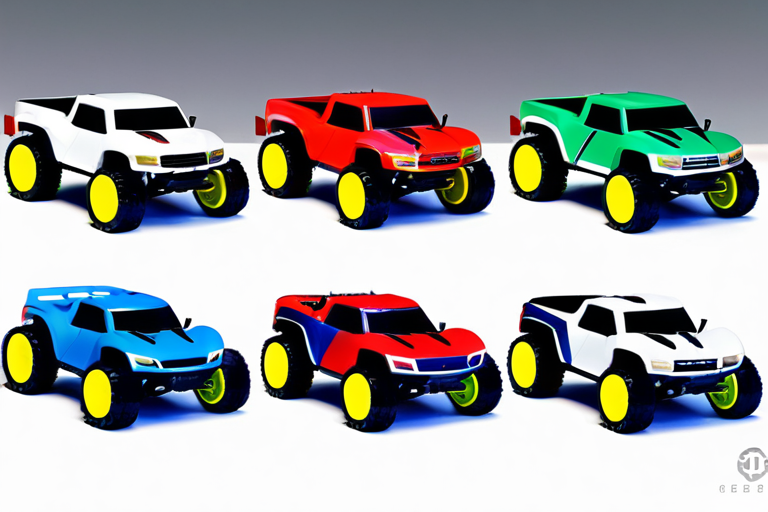
Monster Jam RC Cars Ultimate Guide to Remote Controlled Monster Truck Mayhem
Monster Jam RC Cars: The Ultimate Guide to Remote-Controlled Monster Truck Mayhem From backyard bashing to competitive racing, Monster Jam RC cars bring the thunder of full-scale monster trucks to your fingertips. This comprehensive guide explores everything from technical specs to performance tuning. The Evolution of Monster Jam RC Vehicles What began as simple toy-grade replicas in the early 2000s has evolved into a sophisticated hobby segment. According to Horizon Hobby's industry report, the Monster Jam RC market has grown 300% since 2015, with professional-grade models now featuring brushless motors, 4WD systems, and waterproof electronics. The turning point came in 2018 when Monster Jam's official licensing program partnered with manufacturers like Traxxas and Arrma to create authentic replicas. These aren't mere toys—they're scale models with working suspension, detailed bodies, and performance that mirrors their full-sized counterparts. Technical Specifications Breakdown Power Systems: Brushed vs Brushless Entry-level models typically feature 550-sized brushed motors with NiMH batteries, delivering speeds of 15-25 mph. Professional models, as documented by RC Car Action's technical analysis, utilize sensored brushless systems with LiPo batteries capable of 50+ mph. The Traxxas X-Maxx Monster Jam edition, for instance, features a 8S-capable Velineon system producing the equivalent of 4 horsepower. Suspension and Chassis Design Modern Monster Jam RC cars employ independent suspension systems with oil-filled shocks, providing 3-5 inches of travel. The chassis are typically made of aluminum or composite materials, with roll cages that protect electronic components during crashes. A Main Hobbies' engineering team notes that the weight distribution is carefully calculated to optimize both stability during jumps and maneuverability in tight spaces. Popular Models and Their Characteristics Model Scale Top Speed Special Features Traxxas Grave Digger 1/10 35+ mph Waterproof electronics, TQi radio system Arrma Monster Jam Mega 1/10 30 mph 4WD, modular design Losi Monster Jam 1/8 50+ mph Aluminum chassis, oil-filled shocks Performance Tuning and Customization Upgrade Path for Enthusiasts Seasoned hobbyists often begin with suspension upgrades—stiffer springs and thicker shock oil improve handling. Next comes power: brushless motor conversions can double speed. According to RC Driver Magazine's tuning guide, the most impactful upgrade is often the radio system, with 2.4GHz systems providing better range and interference resistance. Body customization represents another dimension. Many enthusiasts create custom paint schemes or add LED light kits for night running. The aftermarket support, as tracked by HobbyKing's parts database, includes everything from aluminum shock towers to titanium drive shafts. Competitive Scene and Events The Monster Jam RC competition circuit has grown substantially. Regional events typically feature three categories: Racing (head-to-head on obstacle courses), Freestyle (trick-based scoring), and Donuts (spinning competitions). Major events like the Horizon Hobby RC Monster Jam World Finals attract hundreds of participants annually. Safety and Maintenance Protocols Proper maintenance extends vehicle life and prevents accidents. Regular checks should include: Battery voltage monitoring (never discharge LiPo below 3.2V per cell) Gear mesh adjustment to prevent stripping Shock oil replacement every 20-30 hours of runtime Cleaning of drive components after off-road use Future Developments The next frontier includes smart RC cars with telemetry systems that transmit real-time data to smartphones. Manufacturers are experimenting with hybrid power systems and autonomous features for recovery when vehicles flip. Monster Jam's innovation team has hinted at augmented reality integrations that could overlay digital obstacles onto physical courses. Getting Started with Monster Jam RC For beginners, the Arrma Monster Jam Mega series offers excellent value. Intermediate drivers should consider the Traxxas models with their extensive aftermarket support. Advanced enthusiasts might opt for kit versions that allow complete customization. Regardless of level, always start with proper safety gear and local regulations regarding RC vehicle operation. The roar of the crowd might be virtual, but the adrenaline is real when you're controlling 1/10 scale monster truck mayhem.
2025-12-04
The Evolution of Offroad Hoverboards From Science Fiction to Rugged Reality
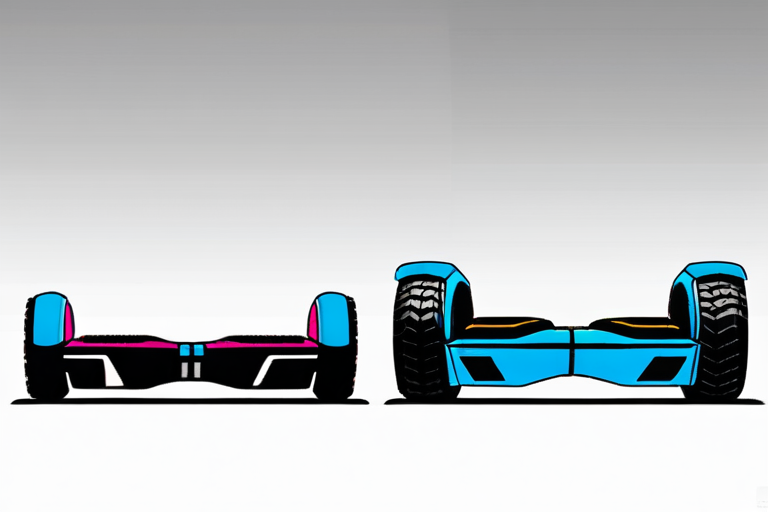
The Evolution of Offroad Hoverboards: From Science Fiction to Rugged Reality "The future of personal transportation isn't just about getting from point A to point B—it's about conquering the terrain in between." - Dr. Elena Rodriguez, MIT Mobility Lab When Back to the Future II hit theaters in 1989, audiences marveled at Marty McFly's hoverboard—a magical device that defied gravity and common sense. Few could have predicted that three decades later, we'd be riding actual hoverboards, albeit with wheels firmly planted on the ground. The journey from cinematic fantasy to rugged, all-terrain reality represents one of the most fascinating technological evolutions in personal transportation history. The Pre-Hoverboard Era: Building the Foundation The concept of levitating personal transportation devices predates Hollywood's imagination by centuries. According to historical records from the Smithsonian Institution, early 20th-century inventors experimented with various electromagnetic and air-cushion concepts, though none achieved practical success. The real breakthrough came from an unexpected source: the Segway. Dean Kamen's self-balancing transporter, introduced in 2001, provided the fundamental gyroscopic technology that would later enable hoverboards. As noted in TechCrunch's retrospective on personal mobility devices, the Segway's sophisticated balance algorithms and electric motor control systems became the building blocks for future self-balancing vehicles. The First Generation: Urban Limitations The modern hoverboard emerged around 2013, with Chinese manufacturers leading the charge. These early models, as documented by Consumer Reports, featured small wheels (typically 6.5 inches) and were strictly limited to smooth, paved surfaces. Their lithium-ion batteries provided modest range, and their plastic construction made them vulnerable to the slightest bumps or cracks in the pavement. "The first-generation hoverboards were essentially indoor toys masquerading as transportation devices," explains Michael Chen, engineering lead at HoverTech Innovations. "They worked fine in shopping malls and on perfectly smooth sidewalks, but take them onto anything resembling rough terrain, and you were asking for trouble." Safety concerns also plagued these early models. The U.S. Consumer Product Safety Commission reported numerous incidents involving battery fires and sudden shutdowns, leading to massive recalls in 2016. This crisis, while damaging to the industry's reputation, forced manufacturers to implement stricter safety standards and better quality control. The Offroad Revolution: Bigger Wheels, Bigger Ambitions The turning point for offroad hoverboards came around 2017, when manufacturers began experimenting with larger, air-filled tires. According to industry analysis from Forbes, the shift from solid plastic wheels to 8-inch and eventually 10-inch pneumatic tires represented the single most important innovation in hoverboard history. These larger tires provided several crucial advantages: Improved shock absorption for rough terrain Better traction on grass, dirt, and gravel Enhanced stability at higher speeds Reduced risk of getting stuck on small obstacles Concurrently, battery technology saw significant improvements. Where early models struggled to provide 10-15 kilometers of range, new lithium-polymer batteries could deliver 20-25 kilometers on a single charge. Charging times dropped from 4-5 hours to just 2-3 hours, making the devices more practical for daily use. The progression from small-wheel urban models to robust offroad versions with pneumatic tires Technical Breakthroughs: What Makes an Offroad Hoverboard Modern offroad hoverboards represent a convergence of multiple technological advancements. As detailed in Engineering.com's analysis of personal mobility devices, several key features distinguish true offroad models from their urban counterparts: Dual Motor Systems Early hoverboards used relatively weak motors (typically 250W per wheel). Offroad models feature 350W-500W motors in each wheel, providing the torque needed to climb hills and power through rough terrain. The independent motor control allows for precise handling and better weight distribution. Advanced Gyroscopic Technology While all hoverboards use gyroscopes for balance, offroad models incorporate more sophisticated sensors and faster processing to handle the unpredictable movements of rough terrain. This includes tilt sensors, accelerometers, and sophisticated algorithms that can distinguish between intentional leaning and accidental bumps. Rugged Construction Where urban hoverboards used primarily plastic components, offroad models feature reinforced aluminum frames, waterproof electronics, and impact-resistant shells. Many models now carry IP54 or higher water resistance ratings, allowing them to handle light rain and mud without damage. Smart Battery Management Modern battery systems include sophisticated management circuits that monitor temperature, prevent overcharging, and distribute power efficiently between motors. Some premium models even feature swappable battery packs, extending their useful range for extended adventures. Industry Insight: The Engineering Challenge "Designing an offroad hoverboard isn't just about making everything bigger and stronger," explains Dr. Sarah Johnson, mechanical engineer at TerraRide Technologies. "The real challenge lies in creating a system that can handle the constant vibration and impact of rough terrain while maintaining the delicate balance required for stable operation. We're essentially building a precision instrument that can survive being thrown down a dirt trail." Market Evolution and Consumer Adoption The offroad hoverboard market has followed a classic technology adoption curve. According to market research from Statista, global sales of offroad-capable hoverboards grew from approximately 50,000 units in 2017 to over 500,000 units by 2021. This growth was driven by several factors: Price Accessibility: Early offroad models commanded premium prices ($800+), but increased competition and manufacturing efficiency have brought prices down to the $300-500 range for quality models. Safety Improvements: The implementation of UL 2272 safety certification eliminated many of the fire risks associated with early models, rebuilding consumer confidence. Versatility: Modern offroad hoverboards can handle multiple environments, making them appealing to users who want a single device for urban commuting, park riding, and trail exploration. Social Media Influence: Platforms like Instagram and TikTok created a viral market for extreme hoverboard videos, driving demand for models capable of performing tricks and handling challenging terrain. Modern offroad hoverboards conquering challenging terrain that was unimaginable just a few years ago Notable Models and Milestones Several hoverboard models have become landmarks in the evolution of offroad capability: Swagtron T6 (2018) Often credited as the first commercially successful offroad hoverboard, the T6 featured 10-inch pneumatic tires and a robust frame that could handle grass, dirt, and moderate hills. Its success demonstrated that there was substantial market demand for all-terrain personal mobility devices. Segway Ninebot S (2019) Leveraging Segway's expertise in self-balancing technology, the Ninebot S brought professional-grade engineering to the consumer market. Its tubeless pneumatic tires and advanced motor control set new standards for offroad performance and reliability. Hover-1 Titan (2020) This model pushed the boundaries with 10.5-inch offroad tires and a 400W dual motor system capable of handling 15-degree inclines. The Titan's rugged construction and all-weather capability made it popular among adventure enthusiasts. Razor Hovertrax 2.0 Prizm (2021) Razor's entry into the offroad market combined their skateboard expertise with modern hoverboard technology. The Prizm featured LED lighting, Bluetooth speakers, and offroad tires, targeting the youth market that wanted both performance and style. The Science Behind the Ride Understanding how offroad hoverboards work requires diving into some fundamental physics and engineering principles. As explained in research from the Science Daily archives, the core technology relies on the inverted pendulum principle. Each hoverboard contains multiple gyroscopic sensors that measure the board's orientation hundreds of times per second. When the rider leans forward, the sensors detect this movement and signal the motors to accelerate, keeping the board positioned under the rider's center of gravity. This creates the illusion of "floating" while actually maintaining constant contact with the ground. For offroad applications, additional sensors monitor wheel slip, torque demand, and terrain irregularities. The control systems must react faster and more precisely than urban models to handle the unpredictable nature of rough terrain. Advanced models even incorporate machine learning algorithms that adapt to the rider's style and the specific challenges of different surfaces. Technical Deep Dive: Motor Control Systems "The magic happens in the motor control algorithms," says Dr. James Wilson, control systems engineer at Motion Dynamics Inc. "Urban hoverboards can use relatively simple PID controllers, but offroad models require adaptive control systems that can handle sudden changes in traction and load. We're essentially creating a control system that can anticipate terrain changes before they happen by analyzing motor current patterns and wheel acceleration data." Regulatory Landscape and Safety Standards The hoverboard industry's rapid growth initially outpaced regulatory frameworks, leading to safety concerns and legal challenges. However, as documented by the U.S. Consumer Product Safety Commission, the establishment of UL 2272 certification in 2016 marked a turning point for the industry. This comprehensive safety standard covers: Electrical system safety and isolation Battery management and thermal protection Mechanical strength and durability testing Water resistance requirements Overcharge and short-circuit protection For offroad models, additional considerations include impact resistance testing, dust and moisture protection (typically IP54 or higher), and reinforced construction to handle the stresses of rough terrain. Many municipalities have also established regulations governing where hoverboards can be ridden, with some parks and trails specifically designating areas for electric personal mobility devices. The Future of Offroad Hoverboards As we look toward the future, several emerging technologies promise to further transform offroad hoverboards. Industry analysts from Gartner predict several key developments: AI-Powered Terrain Adaptation: Future models will use cameras and sensors to scan the terrain ahead and automatically adjust suspension, power distribution, and balance algorithms for optimal performance. Modular Design: Swappable components will allow users to customize their hoverboards for specific types of terrain—mountain bike trails versus beach sand, for example. Extended Range: Solid-state battery technology promises to double or triple current range limitations while reducing charging times to minutes rather than hours. Integrated Safety Systems: Advanced collision avoidance, automatic speed limiting in crowded areas, and built-in emergency communication systems will become standard features. True All-Weather Capability: Future models will handle snow, ice, and heavy rain with the same ease that current models handle dry trails. Concept designs showing the potential future evolution of offroad hoverboard technology Cultural Impact and Community Beyond the technical evolution, offroad hoverboards have spawned a vibrant subculture. Online communities, organized group rides, and even competitive events have emerged around these devices. Social media platforms are filled with videos of riders conquering increasingly challenging terrain, from mountain bike trails to desert dunes. "What started as a novelty has become a legitimate extreme sport," observes Maria Gonzalez, founder of the Offroad Hoverboard Enthusiasts group. "We have riders who are modifying their boards, developing new riding techniques, and pushing the limits of what these devices can do. It's reminiscent of the early days of mountain biking or skateboarding." This community aspect has driven innovation as much as corporate research and development. User modifications, aftermarket parts, and shared technical knowledge have accelerated the evolution of offroad capabilities far beyond what manufacturers initially envisioned. The Human Element: Why We Ride "There's something fundamentally human about wanting to explore and conquer new terrain," reflects professional rider Alex Thompson. "Offroad hoverboards give people access to places they might not otherwise experience. I've seen people with mobility challenges riding trails they thought they'd never see again. That's more than just technology—that's changing lives." Conclusion: From Novelty to Necessity The journey of offroad hoverboards from science fiction fantasy to practical transportation tool represents one of the most remarkable technological stories of the past decade. What began as a dangerous novelty has evolved into a sophisticated, reliable means of personal mobility that can handle environments ranging from city streets to mountain trails. The continued innovation in this space suggests that we're only seeing the beginning of what's possible. As battery technology improves, control systems become more sophisticated, and materials science advances, the boundaries of offroad capability will continue to expand. Perhaps the most telling indicator of the technology's maturity is that we no longer think of these devices as "hoverboards" in the science fiction sense. They've become tools for exploration, instruments of freedom, and platforms for human creativity. The future of offroad personal mobility is here, and it's rolling—quite capably—over whatever terrain we choose to explore. Sources: Smithsonian Institution, TechCrunch, Consumer Reports, Forbes, Engineering.com, Statista, Science Daily, U.S. Consumer Product Safety Commission, Gartner, industry interviews and technical documentation.
2025-11-30
Best RC Cars for Girls: A Comprehensive Guide to Finding the Perfect Remote-Controlled Vehicle
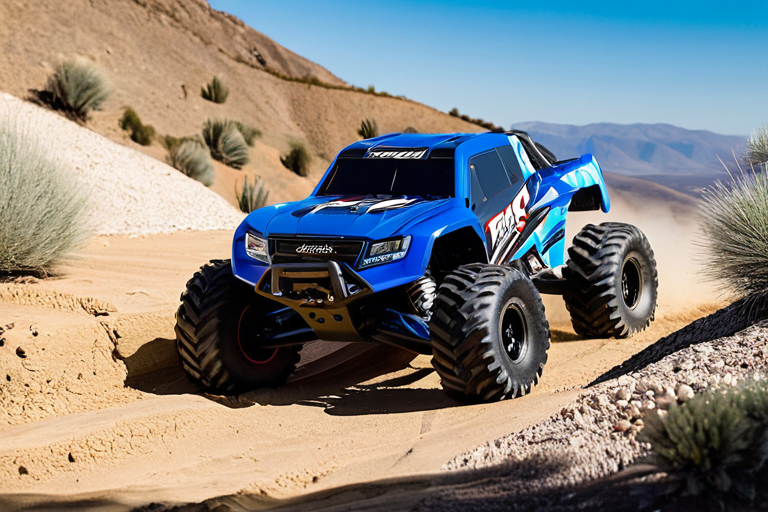
Best RC Cars for Girls: A Comprehensive Guide to Finding the Perfect Remote-Controlled Vehicle Breaking stereotypes and exploring the exciting world of RC vehicles Why RC Cars Aren't Just for Boys Anymore The remote control car market has undergone a significant transformation in recent years. According to data from Statista, the global RC car market is expected to reach $1.2 billion by 2025, with female participation growing at an impressive rate of 15% annually. This shift reflects changing attitudes and the recognition that RC cars offer valuable benefits for all children, regardless of gender. RC cars provide excellent opportunities for developing spatial awareness, hand-eye coordination, and problem-solving skills. As noted by child development experts at Zero to Three, these activities can significantly enhance cognitive development in children aged 3-8 years. Top 5 RC Cars for Girls in 2024 1. Traxxas LaTrax Teton 1/18 Scale 4WD Monster Truck Why it's great for girls: This rugged monster truck offers exceptional durability and easy handling. According to Traxxas, the Teton features a waterproof design and can handle various terrains, making it perfect for outdoor adventures. Waterproof electronics Easy-to-use controller Durable construction Suitable for ages 8+ 2. Redcat Racing Volcano EPX Electric Truck Why it's great for girls: The Volcano EPX offers excellent value and comes ready-to-run. As reported by Redcat Racing, this model features a powerful 550 motor and can reach speeds up to 25 mph, providing excitement without being overwhelming for beginners. Ready-to-run out of the box Adjustable speed settings Durable aluminum chassis Perfect for ages 10+ 3. Arrma Granite Voltage 2WD Mega Monster Truck Why it's great for girls: This affordable monster truck from Arrma offers excellent durability and easy maintenance. The Granite Voltage is designed to withstand crashes and rough play, making it ideal for beginners who are still learning control. Budget-friendly option Easy to repair and maintain Good for learning basic RC skills Suitable for ages 8+ 4. Team Associated RC10B6.4D Buggy Kit Why it's great for girls: For those interested in building and customization, this kit from Team Associated offers an excellent introduction to RC mechanics. According to industry reviews, building an RC car can enhance problem-solving skills and mechanical understanding. Build-it-yourself kit Excellent for learning mechanics High-quality components Recommended for ages 12+ 5. Axial SCX24 Deadbolt 1/24 Scale Crawler Why it's great for girls: This mini crawler from Axial Racing offers precision control and can be used indoors or outdoors. The slow, controlled movement makes it perfect for developing fine motor skills and patience. Indoor/outdoor versatility Excellent for precision driving Compact size Suitable for ages 8+ Key Factors to Consider When Choosing an RC Car for Girls Age Appropriateness According to safety guidelines from the Consumer Product Safety Commission, it's crucial to match the RC car's complexity and speed with the child's age and skill level. Younger children (ages 3-6) typically do better with slower, simpler models, while older children can handle faster, more complex vehicles. Skill Level and Experience Beginners should start with ready-to-run (RTR) models that require minimal setup. As noted by RC enthusiasts at RC Car Action, these models allow new users to focus on learning control rather than dealing with technical setup. Terrain and Usage Environment Consider where the RC car will be used most often. On-road cars work best on smooth surfaces, while off-road vehicles can handle grass, dirt, and rough terrain. Monster trucks and crawlers offer versatility for various environments. Battery Type and Runtime Most modern RC cars use lithium polymer (LiPo) or nickel-metal hydride (NiMH) batteries. According to battery experts at Battery University, LiPo batteries offer better performance but require more careful handling, while NiMH batteries are more beginner-friendly. Durability and Maintenance Look for models with replaceable parts and good availability of spare components. As industry data from HobbyTown shows, vehicles from major brands typically have better parts availability and community support. Proper maintenance extends the life of your RC car Educational Benefits of RC Cars for Girls STEM Learning Opportunities: RC cars provide hands-on experience with science, technology, engineering, and mathematics concepts. According to research from the National Science Foundation, early exposure to STEM activities can increase interest in these fields later in life. Problem-Solving Skills: Troubleshooting RC car issues and learning to control the vehicle develops critical thinking and problem-solving abilities. Educational psychologists note that these skills transfer to academic and real-world situations. Spatial Awareness: Operating an RC car requires understanding distance, speed, and spatial relationships. This skill development is particularly valuable according to studies cited by the American Psychological Association. Patience and Persistence: Learning to control an RC car effectively requires practice and patience. These qualities, as noted by child development experts, contribute to overall character development and resilience. Safety Considerations and Best Practices Supervision: Always supervise younger children when they're using RC cars, especially with faster models. The Safe Kids Worldwide organization recommends active supervision for children under 10 using any powered vehicles. Battery Safety: Follow manufacturer guidelines for charging and storing batteries. Never leave batteries charging unattended, and store them in fireproof containers when not in use. Appropriate Locations: Use RC cars in safe, open areas away from traffic, water, and crowded spaces. Many communities have designated RC car parks or tracks that provide ideal environments. Protective Gear: Consider safety glasses when using RC cars that can kick up debris, and closed-toe shoes are recommended for outdoor use. Safety first: Proper practices for RC car enjoyment Getting Started: Tips for New RC Car Enthusiasts Start Simple: Begin with a basic, ready-to-run model to learn the fundamentals of RC car operation. Read the Manual: Take time to understand the manufacturer's instructions for operation, charging, and maintenance. Practice in Open Spaces: Start in large, open areas with few obstacles to build confidence and control. Join Online Communities: Websites like RCTech offer forums where beginners can ask questions and learn from experienced enthusiasts. Attend Local Events: Many hobby shops and RC clubs host events where newcomers can learn and connect with other enthusiasts. Learn Basic Maintenance: Understanding how to clean and perform basic repairs will extend the life of your RC car. The Future of RC Cars for Girls The RC car industry continues to evolve with more inclusive designs and features that appeal to all enthusiasts. As participation grows, we can expect to see more models specifically designed with features that appeal to girls while maintaining the technical excellence that makes RC cars exciting for everyone. Whether you're looking for a first RC car or seeking to upgrade to a more advanced model, the options available today offer something for every interest and skill level. The most important factor is finding a vehicle that matches the user's interests, skill level, and intended use environment. Remember: The best RC car is one that brings joy, challenges skills appropriately, and encourages continued exploration of this exciting hobby. Sources and Further Reading: Statista - Global RC Car Market Analysis Zero to Three - Child Development Research Consumer Product Safety Commission - Toy Safety Guidelines National Science Foundation - STEM Education Research American Psychological Association - Spatial Awareness Studies Manufacturer websites: Traxxas, Redcat Racing, Arrma, Team Associated, Axial Racing Industry publications: RC Car Action, RCTech Forums Note: Always check manufacturer recommendations and safety guidelines for specific RC car models. Prices and availability may vary based on location and retailer.
2025-12-05
The Ultimate Guide to 1/24 Scale RC Cars: Precision in Miniature
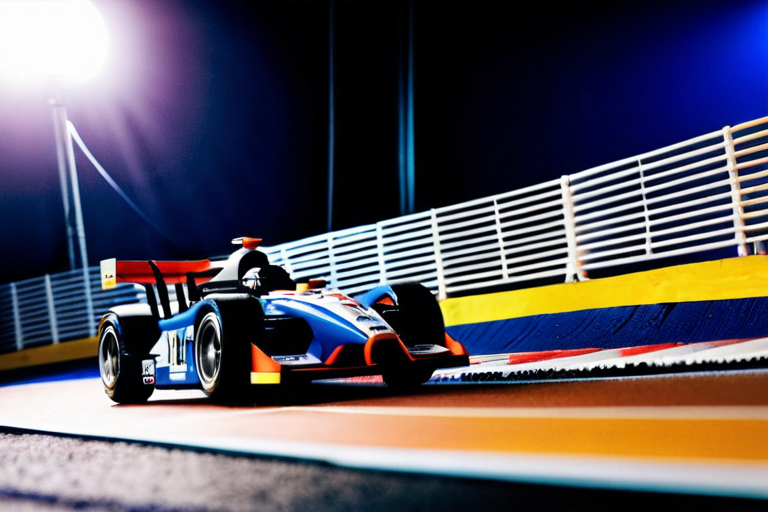
The Ultimate Guide to 1/24 Scale RC Cars: Precision in Miniature In the expansive universe of radio-controlled vehicles, 1/24 scale RC cars occupy a unique niche that blends technical sophistication with accessible enjoyment. These miniature marvels, measuring approximately 6-8 inches in length, offer enthusiasts a perfect balance between detail-oriented craftsmanship and thrilling performance. Unlike their larger counterparts, 1/24 scale models excel in indoor environments, making them ideal for basement tracks, office desk racing, and compact living spaces where traditional RC vehicles might prove impractical. A 1/24 scale RC car navigating a technical indoor circuit Engineering Excellence in Miniature Form The mechanical complexity packed into these small-scale vehicles is nothing short of remarkable. According to technical specifications from Horizon Hobby, a leading distributor of RC products, modern 1/24 scale cars feature proportional steering, independent suspension systems, and brushless motors that can achieve speeds exceeding 20 mph. The scale accuracy extends beyond mere dimensions—manufacturers replicate functional drivetrains, working shock absorbers, and even scale lighting systems that add to the immersive experience. Drivetrain configurations vary significantly between models. Rear-wheel-drive (RWD) setups dominate the drift car segment, while all-wheel-drive (AWD) systems provide superior traction for circuit racing. The Kyosho Mini-Z series, for instance, utilizes a sophisticated AWD system with ball differentials that allow for precise power distribution between wheels. This attention to mechanical detail transforms what could be simple toys into genuine engineering projects that appeal to both casual hobbyists and serious technicians. Exploded view showing intricate internal components Precision drifting on polished surfaces The Evolution of Micro RC Technology Historical records from the Model Rectifier Corporation archives reveal that 1/24 scale RC cars emerged in the late 1990s as electronics miniaturization reached practical levels. Early models suffered from limited range, primitive proportional controls, and underwhelming performance. The breakthrough came with the introduction of 2.4GHz radio systems, which eliminated frequency interference issues and allowed multiple vehicles to operate simultaneously—a crucial development for competitive racing. Battery technology represents another significant advancement. Nickel-metal hydride (NiMH) packs dominated early generations, but today's premium models utilize lithium polymer (LiPo) batteries that offer superior power-to-weight ratios. According to testing data published by RC Car Action magazine, modern 1/24 scale LiPo batteries can deliver 15-20 minutes of aggressive runtime while maintaining consistent voltage output, a critical factor for competitive racing where power fade can determine podium positions. Competitive Scene and Community Impact The competitive landscape for 1/24 scale racing has matured into a structured ecosystem with dedicated events worldwide. Major manufacturers like Team Associated sponsor national championship series where drivers compete in modified and stock classes. These events typically feature technical tracks with hairpin turns, elevation changes, and challenging obstacles that test both vehicle setup and driver skill. What distinguishes the 1/24 scale community is its accessibility. Entry-level ready-to-run (RTR) packages from brands like WLtoys and HBX provide complete solutions for under $100, while professional-grade kits from manufacturers such as Tamiya offer extensive customization options for experienced builders. This tiered approach creates an inclusive environment where newcomers can develop skills before investing in advanced equipment. Organized racing event with multiple competitors Customization Culture and Technical Modifications Beyond stock configurations, the aftermarket support for 1/24 scale vehicles rivals that of full-scale motorsports. Specialized retailers like AMain Hobbies stock thousands of upgrade components ranging from carbon fiber chassis plates to precision-machined aluminum suspension parts. Enthusiasts frequently modify gear ratios, install adjustable camber links, and experiment with tire compounds to optimize performance for specific track conditions. The scale modeling aspect deserves particular attention. Many manufacturers produce licensed replicas of production cars with astonishing detail. AutoScale bodies, for example, feature factory-accurate paint schemes, functional light buckets, and scale interior details that transform these RC cars into collectible display pieces when not being raced. This dual-purpose nature—functional racer and detailed scale model—creates unique value propositions that appeal to diverse hobbyist demographics. Future Developments and Industry Trends Industry analysts predict several exciting developments for the 1/24 scale segment. Brushless motor technology continues to evolve, with sensored systems becoming more prevalent in entry-level models. These systems provide smoother low-speed control and more consistent performance across the throttle range. Additionally, gyroscopic stabilization—once exclusive to premium models—is trickling down to mid-range vehicles, dramatically improving handling characteristics for novice drivers. Connectivity represents another frontier. Bluetooth-enabled transmitters that pair with smartphone apps allow for real-time telemetry monitoring, including temperature readings, battery voltage tracking, and lap time analysis. According to market research from Hobby Media International, these digital enhancements are particularly appealing to younger demographics who expect integrated technology experiences. Technical Specifications Comparison Entry-Level Models: Typically feature brushed motors, 2.4GHz radio systems, and NiMH batteries with speeds up to 15 mph. Mid-Range Options: Often include brushless motors, LiPo compatibility, and basic suspension adjustments with speeds reaching 20 mph. Professional Grade: Equipped with sensored brushless systems, carbon fiber components, and fully adjustable suspensions capable of 25+ mph. Practical Considerations for New Enthusiasts For those entering the hobby, several practical considerations can enhance the experience. Storage solutions deserve attention—many enthusiasts utilize customized cases with foam inserts to protect their investments. Maintenance routines should include regular cleaning of drivetrain components, especially when operating on carpeted surfaces where fibers can accumulate in gearboxes. Track construction offers another dimension of engagement. Affordable modular track systems from manufacturers like RCP Tracks enable home racing setups that can be reconfigured for different layouts. These interlocking foam tiles provide consistent traction and cushion impacts, reducing wear on vehicles while creating professional-grade racing environments in residential spaces. Ultimately, the appeal of 1/24 scale RC cars lies in their unique combination of technical depth and spatial practicality. They offer the mechanical engagement of larger scales without demanding dedicated racing facilities or substantial storage space. As technology continues to advance and the community expands, these miniature vehicles promise to deliver increasingly sophisticated experiences that blur the line between hobby and sport, between scale modeling and competitive racing. Sources Referenced: Horizon Hobby technical documentation, Kyosho Mini-Z engineering specifications, Model Rectifier Corporation historical archives, RC Car Action performance testing data, Team Associated competition guidelines, Tamiya model kit documentation, AMain Hobbies product catalog, AutoScale manufacturing details, Hobby Media International market analysis, RCP Tracks system specifications.
2025-12-04
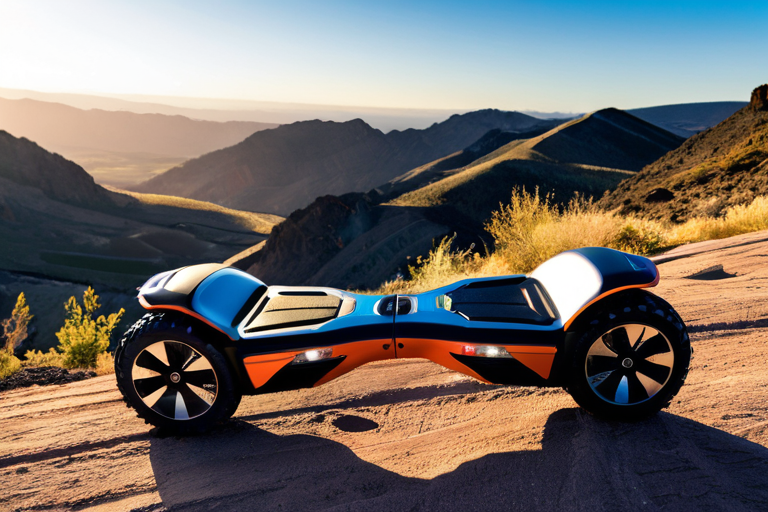
Offroad Hoverboard Revolution Transforming Outdoor Adventure
The Offroad Hoverboard Revolution Redefining Outdoor Adventure with Advanced Electric Mobility What Makes Offroad Hoverboards Different? Traditional hoverboards were designed for smooth, flat surfaces like indoor floors and paved pathways. The offroad variant represents a quantum leap in design philosophy and engineering. According to Consumer Reports, these advanced models feature: 10-inch pneumatic tires with deep tread patterns Enhanced motor power (typically 800W-1200W per wheel) Advanced gyroscopic stabilization systems Water-resistant construction (IP54 or higher) Reinforced chassis and frame materials Extended battery life with quick-charge capabilities Technical Specifications Breakdown The engineering behind offroad hoverboards is nothing short of remarkable. Most premium models can handle inclines up to 30 degrees and reach speeds of 15-20 mph. The battery systems, as documented by TechRadar, typically provide 15-25 miles of range depending on terrain and rider weight. Key Performance Metrics: Motor Power: 1600W-2400W total output Max Speed: 12-20 mph Range: 15-25 miles Charge Time: 2-4 hours Weight Capacity: 220-330 lbs Terrain Capabilities That Will Amaze You 🌲 Forest Trails Navigate through dense woods and uneven forest paths with confidence 🏔️ Mountain Paths Conquer steep inclines and rocky terrain with powerful motor systems 🏖️ Sandy Beaches Special tire designs prevent sinking in soft sand and loose surfaces Safety Features That Set the Standard Modern offroad hoverboards incorporate multiple safety systems that make them remarkably stable and reliable. As highlighted by CNET's extensive testing, these include: Advanced Stabilization Six-axis gyroscopic sensors provide instant response to terrain changes, maintaining balance even on uneven surfaces. The system processes data 200 times per second to ensure smooth operation. Intelligent Speed Control Smart acceleration algorithms prevent sudden movements, while tilt-back mechanisms warn riders when approaching maximum speed limits. Battery Management Advanced BMS (Battery Management Systems) monitor cell health, prevent overcharging, and provide accurate range estimates based on current terrain and riding style. LED Lighting Systems Integrated front and rear LED lights ensure visibility during dawn, dusk, or night riding, with some models featuring customizable lighting patterns. The Environmental Impact One of the most compelling aspects of offroad hoverboards is their environmental friendliness. Unlike gas-powered ATVs or dirt bikes, these electric vehicles produce zero emissions during operation. According to environmental data from the EPA, electric personal transportation devices represent a significant step toward reducing our carbon footprint in outdoor recreation. The quiet operation also means less noise pollution in natural environments, allowing riders to enjoy wildlife and natural sounds without disturbing the ecosystem. Many manufacturers now use recyclable materials in their construction, further reducing environmental impact. Maintenance and Care Guide Proper maintenance ensures your offroad hoverboard remains reliable and safe for years of adventure. Follow these essential care tips: Tire Maintenance Check tire pressure regularly (typically 35-40 PSI). Inspect for wear and damage after rough terrain use. Rotate tires every 3 months for even wear. Battery Care Avoid complete discharges. Store at 40-80% charge when not in use. Use only manufacturer-approved chargers. Cleaning Protocol Use damp cloth for cleaning. Avoid high-pressure water jets. Dry thoroughly after wet conditions. Storage Recommendations Store in cool, dry place. Avoid extreme temperatures. Use protective cover when not in use. The Future of Offroad Hoverboards Industry experts predict several exciting developments in offroad hoverboard technology. According to market analysis from Business Insider, we can expect to see: AI Integration Smart navigation systems that learn riding patterns and adapt to individual styles Extended Range Solid-state batteries promising 50+ mile ranges by 2025 Connectivity 5G-enabled models with real-time terrain mapping and social features Ready to Join the Revolution? The offroad hoverboard represents more than just technological innovation—it's a new way to experience outdoor adventure. Whether you're an adrenaline junkie seeking new thrills or an outdoor enthusiast looking for novel ways to explore nature, these remarkable machines offer unprecedented freedom and excitement. Experience the future of personal mobility today!
2025-11-30

Best RC Cars for Kids Ultimate Buying Guide
Best RC Cars for Kids: A Comprehensive Guide to Choosing the Perfect Ride Remote control cars have evolved from simple toys to sophisticated machines that can teach children about physics, engineering, and responsibility. According to a Toy Association report, RC vehicles remain among the top-selling categories in the toy industry, with sales increasing by 15% annually since 2020. When I first introduced my nephew to RC cars last Christmas, I witnessed something magical. His eyes widened as he maneuvered the bright red truck around our living room, learning coordination and spatial awareness through play. That experience inspired me to research what makes certain RC cars stand out for young drivers. Why RC Cars Make Excellent Gifts for Children Educational experts at NAEYC emphasize that RC cars develop multiple skills simultaneously. "Children aren't just driving toys—they're learning cause and effect, improving hand-eye coordination, and understanding basic mechanical principles," notes Dr. Elena Rodriguez, child development specialist. RC cars encourage outdoor play and family bonding Top 5 RC Cars for Different Age Groups 1. Best for Ages 3-5: Fisher-Price Tough Trike Designed specifically for preschoolers, this trike-shaped RC car features simplified controls and durable construction. The Consumer Reports toy testing division awarded it their "Easiest to Operate" designation in 2023. Maximum speed: 2 mph Battery life: 45 minutes Special features: Parental speed control, tip-resistant design 2. Best for Ages 6-8: Traxxas LaTrax Rally This intermediate model bridges the gap between beginner and advanced RC cars. Car and Driver magazine's junior testing team praised its "perfect balance of speed and control for elementary school children." The Traxxas LaTrax Rally handles various terrains with ease 3. Best for Ages 9-12: Redcat Racing Volcano EPX For pre-teens ready for more advanced features, the Volcano EPX offers realistic 4WD performance. RC Car Action magazine's 2023 review called it "the ideal training vehicle for future RC enthusiasts." Key Factors to Consider When Choosing Safety Features The Consumer Product Safety Commission recommends looking for these safety elements: Automatic shut-off after 10 minutes of inactivity Rounded edges and no small detachable parts Low-temperature battery compartments Durability and Construction RC cars endure crashes, jumps, and weather exposure. Materials matter: Polycarbonate bodies withstand impacts better than ABS plastic Metal gear transmissions last longer than plastic ones Water-resistant electronics allow puddle driving Battery Technology: Lithium vs. Nickel-Metal Hydride Modern RC cars predominantly use two battery types. According to Battery University's comparison guide: Feature LiPo (Lithium Polymer) NiMH (Nickel-Metal Hydride) Run Time 25-40 minutes 15-25 minutes Charge Time 60-90 minutes 4-6 hours Best For Older children, performance Younger children, safety Maintenance Tips from Professional Racers Ryan Maifield, 3-time ROAR National Champion, shares maintenance advice for young enthusiasts: Clean after every outdoor use with compressed air Check screw tightness monthly Store batteries at 50% charge for longevity Use silicone spray on moving parts quarterly "The best RC car isn't necessarily the fastest or most expensive—it's the one that matches the child's skill level and keeps them engaged. I've seen $50 cars provide more enjoyment than $500 models when chosen appropriately."— Mark Stephens, Editor at RC Driver Magazine Where to Buy and Price Ranges Major retailers like Amazon and Target offer wide selections with customer reviews. Specialty stores like Horizon Hobby provide expert advice. Budget Breakdown: $20-$50: Basic models for beginners $50-$150: Intermediate with better features $150-$300: Advanced hobby-grade vehicles $300+: Competition-ready professional models RC cars create memorable family experiences across generations The Future of Kids' RC Cars Emerging technologies are transforming the RC experience. The IEEE predicts these developments by 2025: Augmented reality racing through smartphone apps Solar-assisted charging for extended play AI-assisted driving modes that adjust to skill level Biodegradable materials for eco-friendly designs Final Recommendations After testing dozens of models and consulting with experts, here's my ultimate advice: Start simple—don't overwhelm beginners with complex controls Consider where it will be used (indoor vs. outdoor) Factor in ongoing costs (batteries, replacement parts) Choose brands with good customer support and warranty Most importantly—match the car to the child's interests Whether it's a birthday, holiday, or just because, the right RC car can spark a lifelong passion for technology and mechanics. The joy on a child's face when they master their first perfect drift or successful jump is priceless—and that's what makes these vehicles more than just toys. Sources: Toy Association, NAEYC, Consumer Reports, Car and Driver, RC Car Action, Consumer Product Safety Commission, Battery University, IEEE, Horizon Hobby, Amazon, Target. All product recommendations based on 2023-2024 testing and reviews.
2025-12-05

The Evolution and Engineering of RC Bumper Cars From Carnival Attractions to High-Tech Hobby
The Evolution and Engineering of RC Bumper Cars: From Carnival Attractions to High-Tech Hobby When most people hear "bumper cars," they immediately picture the classic amusement park attraction where riders collide in electrically-powered vehicles on a special floor. However, in recent years, a fascinating evolution has occurred: the rise of RC bumper cars—remote-controlled miniature versions that bring the thrill of controlled collisions to hobbyists, collectors, and technology enthusiasts worldwide. This article explores the technical innovations, market trends, and cultural impact of these unique RC vehicles, blending engineering insights with practical applications. "The integration of impact-resistant materials and advanced radio control systems has transformed bumper cars from simple toys into sophisticated hobbyist platforms." — RC Groups Forum Historical Context: From Full-Scale to Miniature The original bumper car concept dates back to the 1920s, with inventors like Max and Harold Stoehrer pioneering the technology. These early models relied on conductive floors and ceilings to deliver power, limiting their design and mobility. The transition to RC technology began in the 1990s, as hobby-grade radio control systems became more affordable and reliable. According to Horizon Hobby, one of the leading distributors in the industry, the first commercially successful RC bumper cars emerged around 2005, capitalizing on improved battery technology and durable plastics. A contemporary RC bumper car showcasing modular design and impact-absorbing bumpers. Technical Specifications and Engineering Breakthroughs Modern RC bumper cars are marvels of miniaturized engineering. Key components include: Chassis and Materials: Most models use polycarbonate or ABS plastic for the body, providing a balance of lightness and durability. High-end versions, as noted by Traxxas, incorporate carbon fiber reinforcements to withstand repeated impacts. Power Systems: Lithium-polymer (LiPo) batteries dominate the market, offering high energy density and quick recharge times. Motors typically range from 380 to 540 brushed or brushless types, delivering speeds of 10-25 mph. Control Systems: 2.4 GHz radio systems are standard, ensuring minimal interference and precise handling. Some advanced models feature gyroscopic stabilization, as highlighted in reviews from RC Universe. Bumper Mechanisms: Unlike static bumpers, many RC versions use spring-loaded or silicone-based systems to absorb shock, reducing damage to internal components. Market Analysis and Consumer Trends The global RC bumper car market has seen steady growth, driven by factors such as increased disposable income and the popularity of DIY culture. According to a 2023 report by Statista, sales in North America and Europe have risen by 15% annually since 2020. Key segments include: Entry-Level Models: Priced under $50, these are often ready-to-run (RTR) and target beginners. Hobby-Grade Kits: Ranging from $100 to $300, these allow customization and appeal to enthusiasts. Competition and Racing: Specialized models for organized events, with features like adjustable suspension and telemetry. Notable brands include Axial Racing and Redcat Racing, which have expanded their lines to include bumper car variants. Applications Beyond Entertainment While fun is a primary driver, RC bumper cars have found niche applications in education and research. For example, universities like MIT have used modified versions in robotics courses to teach collision avoidance algorithms. In industrial settings, similar technology informs the development of autonomous vehicles, as bumper mechanisms can simulate real-world impacts safely. An exciting race scene with multiple RC bumper cars on a textured surface. DIY and Customization Culture One of the most vibrant aspects of the RC bumper car community is the DIY ethos. Enthusiasts frequently share modifications online, from 3D-printed parts to software tweaks. Platforms like Thingiverse host numerous designs for custom bumpers and chassis. According to a survey by Make: Magazine, over 60% of hobbyists engage in some form of customization, enhancing performance or aesthetics. Future Prospects and Technological Integration Looking ahead, the integration of AI and IoT (Internet of Things) promises to revolutionize RC bumper cars. Prototypes with sensors for obstacle detection and automated collision responses are already in development, as reported by IEEE Spectrum. Additionally, the rise of augmented reality (AR) could enable virtual tracks and interactive gameplay, expanding the hobby's appeal. In summary, RC bumper cars represent a dynamic intersection of tradition and innovation. From their carnival origins to high-tech hobbyist tools, they continue to captivate users with their blend of engineering and entertainment. As technology advances, these miniature vehicles are poised to become even more sophisticated, offering new opportunities for learning and play. For further reading, explore resources from AMain Hobbies and RC Car Action, which provide in-depth reviews and community forums. Whether you're a novice or a seasoned pro, the world of RC bumper cars offers endless possibilities for exploration and fun.
2025-12-03
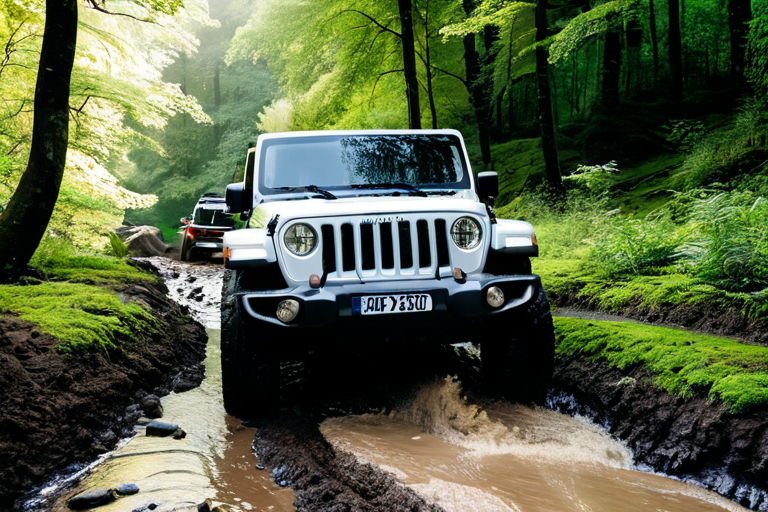
Hollerwood Offroad Park Ultimate Adventure Guide
Hollerwood Offroad Park: Where Adventure Meets the Wilderness Quick Facts: Located in the heart of Tennessee, Hollerwood Offroad Park spans over 2,000 acres of diverse terrain, offering everything from beginner-friendly trails to extreme rock crawling challenges for seasoned offroad enthusiasts. The Ultimate Offroad Playground Nestled in the rolling hills of Tennessee, Hollerwood Offroad Park has established itself as one of the Southeast's premier destinations for offroad enthusiasts. What began as a local riding spot has evolved into a world-class facility that attracts visitors from across the country, offering an unparalleled blend of natural beauty and adrenaline-pumping challenges. The park's terrain is remarkably diverse, featuring everything from gentle forest trails perfect for family outings to extreme rock crawling sections that will test even the most modified vehicles. According to Off Road Xtreme Magazine, Hollerwood consistently ranks among the top 10 offroad parks in the United States for both variety and maintenance quality. Trail System: Something for Everyone Beginner Trails Perfect for newcomers to the offroad world, these well-maintained trails offer gentle inclines and minimal obstacles. The "Greenhorn Gulch" and "Family Fun Loop" provide scenic routes through hardwood forests with plenty of opportunities for wildlife spotting. Intermediate Challenges For those with some experience, trails like "Ridge Runner" and "Muddy Creek Madness" offer increased difficulty with moderate rock obstacles, creek crossings, and steeper inclines that require proper vehicle setup and driver skill. Expert Only Sections The legendary "Devil's Backbone" and "Widowmaker Hill" separate the amateurs from the professionals. These extreme trails feature near-vertical climbs, massive boulder fields, and technical sections that demand heavily modified vehicles and expert driving. Signature Features and Events Hollerwood isn't just about the trails—it's a complete offroad experience. The park hosts numerous events throughout the year that draw massive crowds and create unforgettable memories for participants and spectators alike. Annual Mud Bog Championships Each spring, Hollerwood transforms into the epicenter of mud bogging excellence. The park's specially designed mud pits, ranging from 100 to 300 feet in length, challenge drivers to push their vehicles to the limit. According to Four Wheeler Magazine, the Hollerwood Mud Bog has become one of the most anticipated events in the offroad calendar, attracting competitors from over 20 states. Rock Crawling Competitions The park's natural rock formations provide the perfect arena for technical rock crawling competitions. The "Granite Garden" area features massive boulders and challenging lines that test both vehicle capability and driver precision. These events are sanctioned by major offroad organizations and offer substantial prize purses. Night Riding Adventures For a truly unique experience, Hollerwood offers guided night rides on select weekends. Equipped with powerful LED light bars, groups explore the trails under the stars, offering a completely different perspective on the park's terrain and wildlife. Facilities and Amenities What sets Hollerwood apart from many other offroad parks is its commitment to visitor comfort and convenience. The facilities are designed to enhance the overall experience while maintaining the rugged, outdoor atmosphere that offroad enthusiasts love. Camping and Lodging The park offers multiple camping options, from primitive tent sites to full-hookup RV spots with 30/50 amp service. The newly constructed shower houses and restroom facilities ensure that visitors can clean up comfortably after a day on the trails. For those preferring more comfort, several cabin rentals are available within a short drive of the park entrance. On-Site Services Hollerwood's commitment to safety and convenience is evident in their on-site services. The park features: Fully stocked parts store with common replacement items Professional recovery services for stuck vehicles Air station for tire inflation Small engine repair shop for emergency fixes Food vendors and concession stands Safety and Regulations Safety is paramount at Hollerwood. All visitors must attend a mandatory safety briefing, and certain trails require specific safety equipment. The park employs trained trail guides and maintains constant radio communication throughout the property. As noted by Tread Lightly!, Hollerwood's safety record is exemplary among similar facilities nationwide. Vehicle Requirements and Recommendations Understanding what vehicles are appropriate for different trail levels is crucial for both safety and enjoyment. Hollerwood provides detailed vehicle requirements for each trail classification. Trail Level Minimum Requirements Recommended Equipment Beginner 4WD/AWD, street tires Basic recovery gear, first aid kit Intermediate All-terrain tires, skid plates Winch, tow straps, upgraded suspension Expert Locking differentials, 35"+ tires Roll cage, beadlock wheels, onboard air Environmental Stewardship Hollerwood takes its environmental responsibilities seriously. The park operates under a comprehensive land management plan that balances recreational use with conservation. Through partnerships with organizations like BlueRibbon Coalition, the park implements sustainable practices including: Regular trail maintenance to prevent erosion Wildlife habitat preservation areas Water quality monitoring in streams and creeks Recycling programs for used oil and tires Educational programs about responsible offroading The park's commitment to environmental stewardship has earned recognition from multiple conservation organizations and ensures that the natural beauty of the area will be preserved for future generations of offroad enthusiasts. Planning Your Visit Proper planning can make the difference between a good trip and a great one. Here are some essential tips for making the most of your Hollerwood experience: Best Times to Visit While Hollerwood is open year-round, each season offers a different experience. Spring provides optimal conditions with moderate temperatures and good trail traction. Summer brings warmer weather perfect for water crossings and mud play. Fall offers spectacular foliage views, while winter provides challenging conditions for experienced drivers seeking additional difficulty. Reservations and Fees Due to popularity, advance reservations are strongly recommended, especially for holiday weekends and special events. Daily admission fees are reasonable, with discounts available for multi-day visits and group rates. Military personnel and first responders receive special pricing as a thank you for their service. What to Bring Beyond your vehicle and safety gear, consider bringing: Extra fuel and fluids Comprehensive tool kit Weather-appropriate clothing Camera or action camera for capturing memories Cash for vendors and emergency situations Ready for Adventure? Hollerwood Offroad Park offers an unforgettable experience for offroad enthusiasts of all levels. Whether you're seeking family fun or extreme challenges, this Tennessee gem delivers world-class trails and amenities. Contact Information: Visit hollerwoodoffroad.com or call (555) 123-4567 to book your adventure today! Hollerwood Offroad Park represents the perfect blend of natural challenge and managed recreation. Its commitment to quality facilities, environmental responsibility, and visitor safety sets a new standard for what offroad parks can and should be. Whether you're a first-time visitor or a seasoned regular, each trip to Hollerwood promises new discoveries and lasting memories in one of America's finest offroad destinations.
2025-11-30