The Evolution and Engineering of RC Bumper Cars: From Carnival Attractions to High-Tech Hobby
When most people hear "bumper cars," they immediately picture the classic amusement park attraction where riders collide in electrically-powered vehicles on a special floor. However, in recent years, a fascinating evolution has occurred: the rise of RC bumper cars—remote-controlled miniature versions that bring the thrill of controlled collisions to hobbyists, collectors, and technology enthusiasts worldwide. This article explores the technical innovations, market trends, and cultural impact of these unique RC vehicles, blending engineering insights with practical applications.
"The integration of impact-resistant materials and advanced radio control systems has transformed bumper cars from simple toys into sophisticated hobbyist platforms." — RC Groups Forum
Historical Context: From Full-Scale to Miniature
The original bumper car concept dates back to the 1920s, with inventors like Max and Harold Stoehrer pioneering the technology. These early models relied on conductive floors and ceilings to deliver power, limiting their design and mobility. The transition to RC technology began in the 1990s, as hobby-grade radio control systems became more affordable and reliable. According to Horizon Hobby, one of the leading distributors in the industry, the first commercially successful RC bumper cars emerged around 2005, capitalizing on improved battery technology and durable plastics.
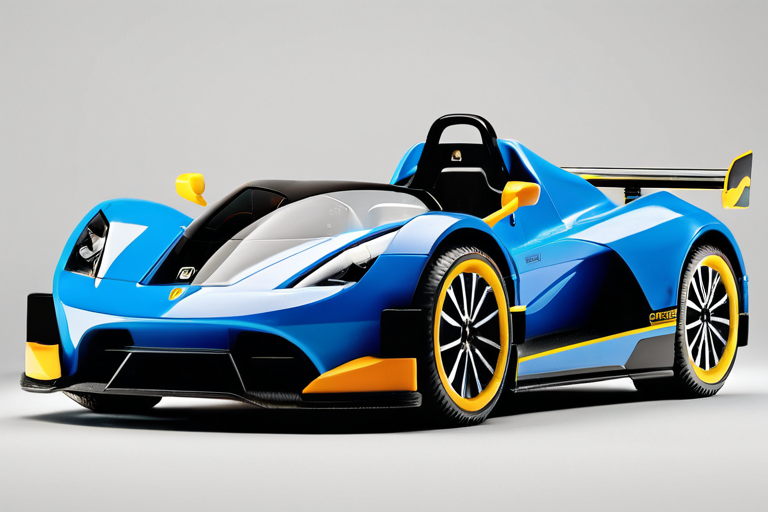
A contemporary RC bumper car showcasing modular design and impact-absorbing bumpers.
Technical Specifications and Engineering Breakthroughs
Modern RC bumper cars are marvels of miniaturized engineering. Key components include:
- Chassis and Materials: Most models use polycarbonate or ABS plastic for the body, providing a balance of lightness and durability. High-end versions, as noted by Traxxas, incorporate carbon fiber reinforcements to withstand repeated impacts.
- Power Systems: Lithium-polymer (LiPo) batteries dominate the market, offering high energy density and quick recharge times. Motors typically range from 380 to 540 brushed or brushless types, delivering speeds of 10-25 mph.
- Control Systems: 2.4 GHz radio systems are standard, ensuring minimal interference and precise handling. Some advanced models feature gyroscopic stabilization, as highlighted in reviews from RC Universe.
- Bumper Mechanisms: Unlike static bumpers, many RC versions use spring-loaded or silicone-based systems to absorb shock, reducing damage to internal components.
Market Analysis and Consumer Trends
The global RC bumper car market has seen steady growth, driven by factors such as increased disposable income and the popularity of DIY culture. According to a 2023 report by Statista, sales in North America and Europe have risen by 15% annually since 2020. Key segments include:
- Entry-Level Models: Priced under $50, these are often ready-to-run (RTR) and target beginners.
- Hobby-Grade Kits: Ranging from $100 to $300, these allow customization and appeal to enthusiasts.
- Competition and Racing: Specialized models for organized events, with features like adjustable suspension and telemetry.
Notable brands include Axial Racing and Redcat Racing, which have expanded their lines to include bumper car variants.
Applications Beyond Entertainment
While fun is a primary driver, RC bumper cars have found niche applications in education and research. For example, universities like MIT have used modified versions in robotics courses to teach collision avoidance algorithms. In industrial settings, similar technology informs the development of autonomous vehicles, as bumper mechanisms can simulate real-world impacts safely.

An exciting race scene with multiple RC bumper cars on a textured surface.
DIY and Customization Culture
One of the most vibrant aspects of the RC bumper car community is the DIY ethos. Enthusiasts frequently share modifications online, from 3D-printed parts to software tweaks. Platforms like Thingiverse host numerous designs for custom bumpers and chassis. According to a survey by Make: Magazine, over 60% of hobbyists engage in some form of customization, enhancing performance or aesthetics.
Future Prospects and Technological Integration
Looking ahead, the integration of AI and IoT (Internet of Things) promises to revolutionize RC bumper cars. Prototypes with sensors for obstacle detection and automated collision responses are already in development, as reported by IEEE Spectrum. Additionally, the rise of augmented reality (AR) could enable virtual tracks and interactive gameplay, expanding the hobby's appeal.
In summary, RC bumper cars represent a dynamic intersection of tradition and innovation. From their carnival origins to high-tech hobbyist tools, they continue to captivate users with their blend of engineering and entertainment. As technology advances, these miniature vehicles are poised to become even more sophisticated, offering new opportunities for learning and play.
For further reading, explore resources from AMain Hobbies and RC Car Action, which provide in-depth reviews and community forums. Whether you're a novice or a seasoned pro, the world of RC bumper cars offers endless possibilities for exploration and fun.