What Technical Innovations Drive Modern Toy Off-Road Vehicle Performance
From backyard adventures to competitive racing, miniature off-road vehicles have evolved from simple toys into sophisticated engineering platforms. This exploration examines the technical innovations that enable these small-scale machines to conquer challenging terrain with remarkable realism.
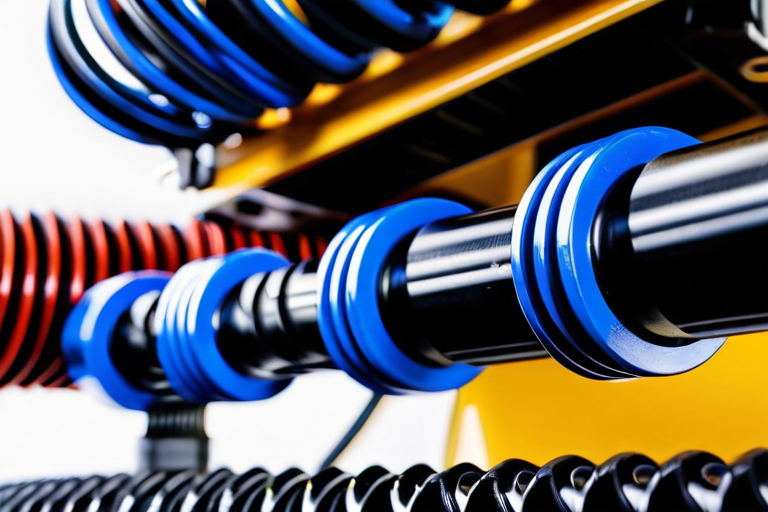
Multi-link suspension system demonstrating independent wheel articulation
Suspension Systems: The Foundation of Terrain Capability
Modern toy off-road vehicles employ sophisticated suspension designs that mirror full-scale counterparts. According to engineering analysis from Horizon Hobby's technical resources, contemporary models utilize several key suspension configurations:
Independent Suspension Systems
Most high-performance models feature independent front and rear suspension, allowing each wheel to react individually to terrain variations. This design, documented in RC Car Action's technical reviews, provides superior traction over uneven surfaces by maintaining constant tire contact.
Oil-Filled Shock Absorbers
Premium models incorporate oil-filled shocks with adjustable damping rates. These components, as detailed in engineering specifications from Traxxas technical documentation, manage energy dissipation during compression and rebound cycles, smoothing out impacts from jumps and rough terrain.
Suspension Travel Optimization
Engineers maximize wheel travel within compact dimensions, with some competition models achieving over 50mm of suspension movement. This allows vehicles to absorb significant obstacles while maintaining stability.
Anti-Roll Bar Integration
Advanced models include tunable anti-roll bars that control body lean during cornering, improving handling characteristics on sloped terrain and during high-speed maneuvers.
Drivetrain Evolution: From Simple Gears to Sophisticated Transmissions
The propulsion systems in modern toy off-road vehicles represent significant engineering achievements. Technical reports from Axial Racing's development team highlight several critical advancements:

Precision-machined gear train with locking differential mechanism
Electronic Speed Controllers (ESCs)
Modern ESCs represent a quantum leap in control precision. These microprocessor-based units, as analyzed in HobbyKing technical guides, manage power delivery with sophisticated algorithms that optimize torque distribution based on terrain conditions and throttle input.
- Sensorless vs Sensored Motors: Advanced systems utilize sensored brushless motors that provide precise rotor position feedback, enabling smoother low-speed control essential for technical crawling.
- Dynamic Timing Adjustment: High-performance ESCs automatically adjust motor timing based on RPM, optimizing efficiency across the entire speed range.
- Regenerative Braking: Many systems capture kinetic energy during deceleration, feeding power back to the battery and improving run times.
Differential Technology
Contemporary models feature sophisticated differential systems that intelligently distribute torque. According to engineering documentation from Team Losi technical resources, these include:
| Differential Type | Function | Application |
|---|---|---|
| Locking Differentials | Equal torque to both wheels | Technical crawling, low-traction surfaces |
| Limited-Slip Differentials | Controlled torque bias | High-speed cornering, mixed terrain |
| Electronic Differentials | Computer-controlled torque distribution | Competition racing, adaptive performance |
Chassis Design and Materials Science
The structural components of toy off-road vehicles have undergone significant material and design evolution. Technical analysis from ARRMA RC development reports reveals several key trends:
Composite Material Advancements
High-strength nylon composites reinforced with fiberglass or carbon fiber provide exceptional durability-to-weight ratios, allowing chassis to withstand impacts that would destroy earlier generation models.
Modular Design Philosophy
Contemporary chassis employ modular construction with standardized mounting points, enabling enthusiasts to customize configurations for specific terrain types or performance characteristics.
Weight Distribution Optimization
Strategic placement of heavy components (batteries, motors) creates optimal center of gravity positions, significantly affecting handling stability and climbing capability.
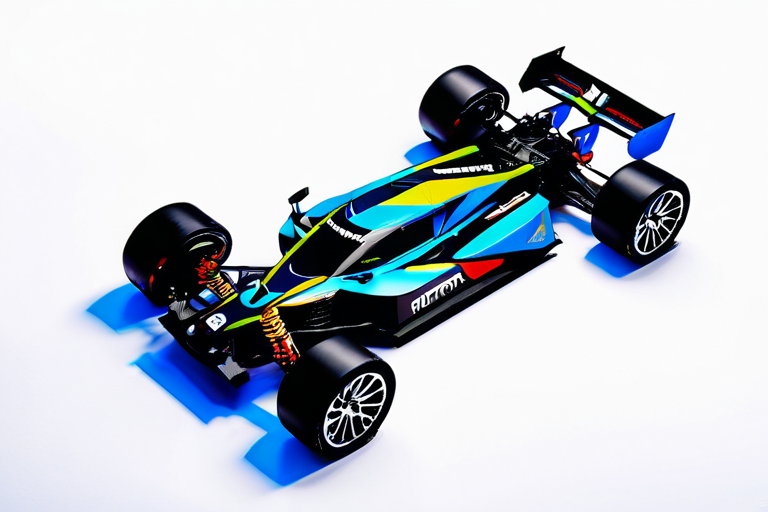
Engineered chassis platform showing strategic weight distribution
Electronic Control Systems and Connectivity
The integration of advanced electronics represents perhaps the most significant leap in toy off-road vehicle capability. Technical documentation from Spektrum RC technology resources details several transformative developments:
2.4GHz Digital Radio Systems
Modern control systems utilize frequency-hopping spread spectrum technology that eliminates interference while providing near-instantaneous response times. These systems, as tested in AMain Hobbies performance reviews, offer several advantages:
- Simultaneous Multi-Vehicle Operation: Multiple vehicles can operate in close proximity without signal conflict
- Extended Range: Reliable control at distances exceeding 300 meters in optimal conditions
- Telemetry Integration: Real-time data transmission including battery voltage, motor temperature, and speed
Gyroscopic Stabilization Systems
Advanced models incorporate MEMS gyroscopes that detect and correct unwanted yaw motion. According to technical specifications from Futaba electronic systems documentation, these systems provide:
Battery Technology and Power Management
The transition from nickel-based to lithium-polymer batteries has revolutionized performance parameters. Technical analysis from Venom Power technical resources highlights critical developments:
Lithium-Polymer Advancements
Modern LiPo batteries offer exceptional energy density and discharge capabilities. Current generation cells, as documented in industry testing reports, provide:
- High Discharge Rates: Some competition batteries sustain continuous discharge rates exceeding 100C, enabling massive current delivery for acceleration
- Voltage Stability: Flat discharge curves maintain consistent power output throughout the discharge cycle
- Weight Reduction: Compared to equivalent nickel-based batteries, LiPo packs reduce weight by approximately 40% while increasing capacity
Battery Management Systems (BMS)
Integrated protection circuits monitor cell balance, temperature, and voltage thresholds. These systems, detailed in Gens Ace technical documentation, prevent over-discharge and balance cells during charging, significantly extending battery lifespan.

High-performance LiPo battery with integrated balance connectors
Tire and Wheel Technology
The interface between vehicle and terrain represents a critical engineering challenge. According to development reports from Pro-Line Racing tire research, several innovations have transformed traction capabilities:
Compound Formulations
Specialized rubber compounds are engineered for specific conditions: soft compounds for loose surfaces, medium for mixed terrain, and hard compounds for packed surfaces and longevity.
Tread Pattern Optimization
Computer-aided design enables precise tread patterns that balance self-cleaning capability with surface contact area, with different patterns optimized for mud, sand, rock, or general use.
Beadlock Wheel Systems
Mechanical beadlock systems secure tires to wheels under low-pressure conditions, preventing separation during aggressive cornering or when navigating extreme obstacles.
Conclusion: The Convergence of Multiple Disciplines
The remarkable performance of modern toy off-road vehicles results from the integration of advancements across multiple engineering domains. From materials science enabling lightweight durability to electronics providing precise control, these miniature machines represent sophisticated platforms that continue to push technical boundaries. As documented across industry resources from leading manufacturers and technical publications, ongoing innovation ensures these vehicles will continue to evolve, offering increasingly realistic and capable performance that bridges the gap between play and engineering excellence.
The technical journey of toy off-road vehicles demonstrates how focused engineering development can transform simple concepts into complex systems, providing both entertainment and educational value while advancing multiple technical disciplines through practical application.