What Makes Toy Off-Road Vehicles So Technically Advanced
"The miniature off-road vehicle market has evolved from simple toys to sophisticated engineering platforms that mirror real-world vehicle dynamics in astonishing detail." - Horizon Hobby Technical Review
When most people think of toy off-road vehicles, they imagine simple plastic cars bouncing over backyard obstacles. However, the reality of modern miniature off-road machines reveals a different story entirely. Today's advanced toy 4x4 vehicles incorporate engineering principles that would impress even professional automotive designers.
The Suspension Revolution in Miniature Form
One of the most significant advancements in toy off-road vehicles has been the development of sophisticated suspension systems. According to research from Traxxas Engineering, modern miniature vehicles employ multi-link suspension designs that closely mimic full-scale off-road trucks. These systems typically feature:
- Independent front suspension with adjustable camber and toe settings
- Multi-link rear suspension with progressive rate springs
- Oil-filled shock absorbers with adjustable damping
- Anti-roll bars for improved cornering stability
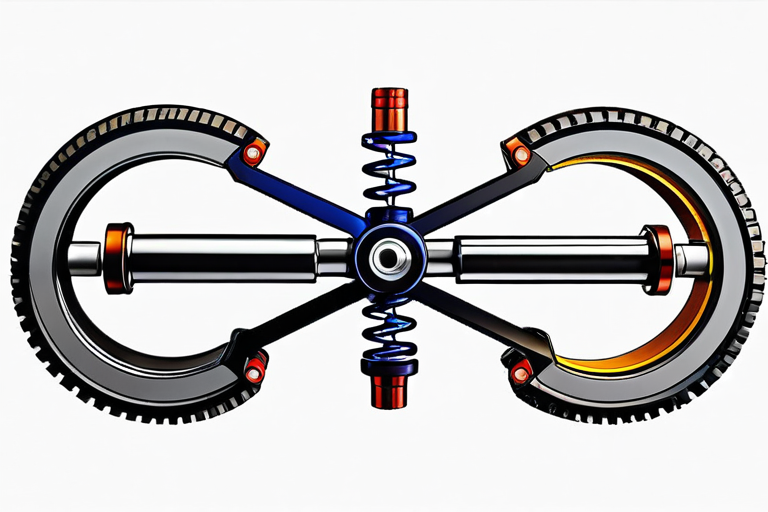
Modern toy off-road vehicles feature suspension systems with adjustable components similar to full-scale vehicles
Power Systems: From Brushed to Brushless Evolution
The transition from simple brushed motors to sophisticated brushless systems represents a quantum leap in performance. As documented by Castle Creations, brushless motor technology in toy vehicles offers:
- Higher efficiency with less heat generation
- Increased power-to-weight ratios
- Longer operational lifespan
- Programmable electronic speed controls
These advancements allow modern toy off-road vehicles to achieve speeds exceeding 70 mph while maintaining precise control, a feat that was unimaginable just a decade ago.
Materials Science in Miniature Construction
The materials used in high-end toy off-road vehicles have evolved dramatically. Carbon fiber composites, aircraft-grade aluminum, and advanced polymers now replace traditional plastics. According to technical specifications from ARRMA RC Vehicles, these materials provide:
- Exceptional strength-to-weight ratios
- Improved impact resistance
- Reduced rotational mass in drivetrain components
- Enhanced durability in extreme conditions

Advanced materials like carbon fiber and aluminum alloys provide strength while minimizing weight
Electronic Control Systems: The Brain Behind the Brawn
Modern toy off-road vehicles incorporate sophisticated electronic systems that rival those found in professional racing applications. These systems, as detailed by Spektrum Electronics, include:
- 2.4GHz spread spectrum radio systems with fail-safe features
- Gyro-stabilized steering assistance
- Programmable throttle curves and braking profiles
- Telemetry systems monitoring speed, temperature, and battery voltage
These electronic advancements provide unprecedented control precision, allowing operators to navigate challenging terrain with confidence.
Terrain Adaptation Technologies
Perhaps the most impressive aspect of modern toy off-road vehicles is their ability to adapt to varying terrain conditions. Research from Axial Racing demonstrates how scale vehicles incorporate:
- Locking differentials for improved traction
- Adjustable ride height for different terrain types
- Waterproof electronics for all-weather operation
- Multi-terrain tire compounds and tread patterns
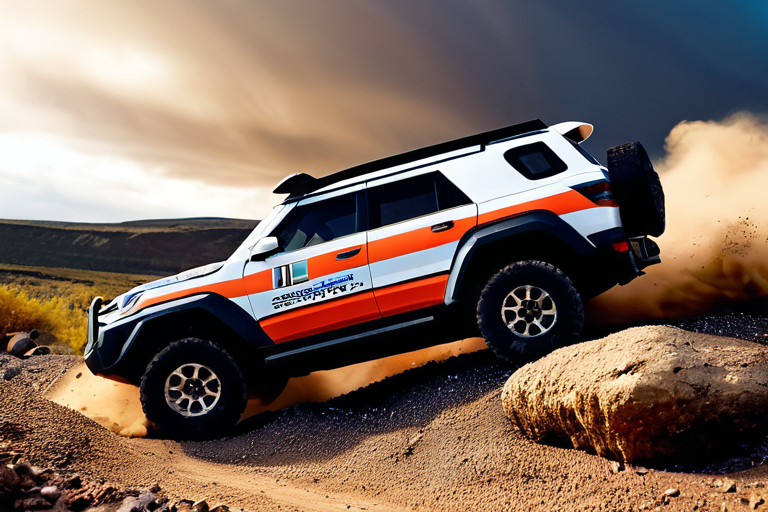
Advanced toy vehicles can conquer diverse terrain from rocky trails to muddy courses
Battery Technology Advancements
The evolution of battery technology has been crucial to the performance improvements in toy off-road vehicles. Lithium polymer (LiPo) batteries, as analyzed by Gens Ace Battery Research, offer:
- Higher energy density than traditional NiMH batteries
- Faster discharge rates for increased power output
- Lighter weight contributing to better vehicle balance
- Smart charging systems with balancing capabilities
Scale Accuracy and Realism
Beyond performance, modern toy off-road vehicles achieve remarkable scale accuracy. Manufacturers invest significant resources in ensuring that miniature vehicles accurately represent their full-scale counterparts. This attention to detail includes:
- Precision-molded body shells with authentic graphics
- Scale-appropriate suspension travel and articulation
- Realistic lighting systems with LED technology
- Authentic interior details in clear-bodied models
The Future of Toy Off-Road Technology
Looking forward, several emerging technologies promise to further enhance toy off-road vehicles. Industry analysts at RC Car Action Magazine predict developments including:
- Artificial intelligence-assisted driving systems
- Augmented reality integration for enhanced driving experiences
- Advanced materials like graphene composites
- Wireless charging systems for convenience
Technical Specifications Comparison
| Feature | Entry Level | Intermediate | Professional |
|---|---|---|---|
| Motor Type | Brushed 540 | Brushless 3650 | Brushless 4074 |
| Suspension | Basic oil-filled | Adjustable oil-filled | Multi-link with tuning |
| Top Speed | 15-25 mph | 35-50 mph | 60-80+ mph |
| Battery Type | NiMH 7.2V | LiPo 2S 7.4V | LiPo 3S-6S 11.1-22.2V |
Educational and Developmental Benefits
Beyond entertainment, advanced toy off-road vehicles offer significant educational value. They introduce fundamental engineering concepts including:
- Basic principles of mechanical engineering
- Electrical systems and circuit design
- Physics of motion and traction
- Problem-solving through vehicle setup and tuning
These vehicles serve as accessible platforms for STEM education, bridging the gap between theoretical knowledge and practical application.
Maintenance and Customization Culture
The technical sophistication of modern toy off-road vehicles has fostered a vibrant culture of maintenance and customization. Enthusiasts regularly:
- Upgrade components for improved performance
- Customize vehicles for specific terrain types
- Perform regular maintenance to ensure optimal operation
- Share technical knowledge through online communities
This culture of continuous improvement drives innovation and keeps the hobby dynamic and engaging.
Key Technical Innovations Timeline
- 2005-2010: Introduction of brushless motor systems and LiPo batteries
- 2011-2015: Advanced suspension designs and waterproof electronics
- 2016-2020: Smart electronics with telemetry and stabilization
- 2021-Present: AI-assisted features and advanced material integration
Conclusion: More Than Just Toys
The technical evolution of toy off-road vehicles represents a remarkable convergence of engineering disciplines in miniature form. These vehicles have transcended their origins as simple playthings to become sophisticated platforms that demonstrate real engineering principles while providing engaging recreational experiences.
As technology continues to advance, toy off-road vehicles will likely incorporate even more sophisticated systems, further blurring the line between toys and professional engineering platforms. For enthusiasts, hobbyists, and educators alike, these miniature machines offer a unique window into the world of mechanical engineering, electronics, and physics—all wrapped in an accessible, enjoyable package.
The continued innovation in this field ensures that toy off-road vehicles will remain at the forefront of miniature engineering, providing both entertainment and educational value for generations to come.