What Makes Toy Off-Road Vehicles So Durable and Long-Lasting
Toy off-road vehicles have evolved from simple plastic toys into sophisticated machines capable of withstanding harsh play conditions. Parents often wonder: why do some RC cars break after a few runs while others last for years? The answer lies in smart engineering, material choices, and design philosophies borrowed from full-size off-roaders. In this article, we'll uncover the key factors that contribute to the durability and longevity of these miniature terrain conquerors.
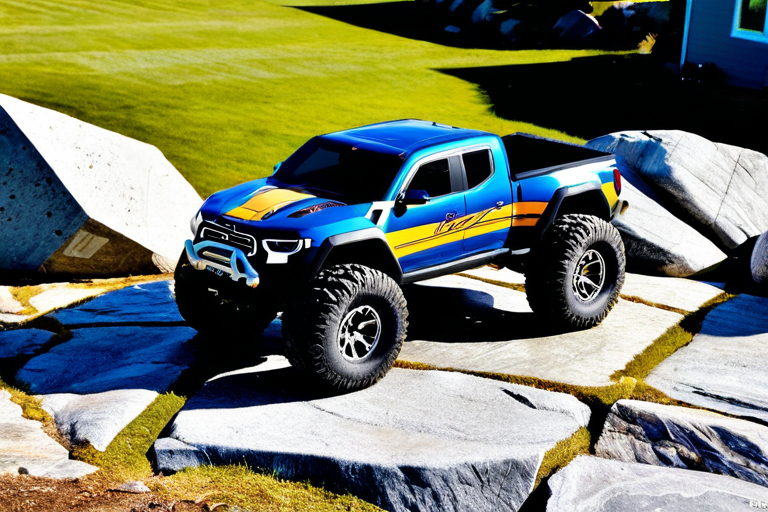
1. Material Selection: From Polycarbonate to Metal
The body and chassis materials play a crucial role in impact resistance. Many high-end models use polycarbonate bodies (Lexan) that are lightweight yet incredibly tough. Unlike brittle ABS plastic, polycarbonate flexes under stress, reducing cracks. Some brands like Traxxas use composite nylon for their chassis, which offers high tensile strength and memory retention. For extreme durability, metal components such as aluminum or titanium are used in suspension arms and shock towers. These materials resist bending and breaking, ensuring the vehicle survives hard landings.
"The use of 7075 aluminum in our chassis components reduces weight while increasing strength by 30% compared to standard alloys," says Max Chen, lead engineer at Axial.
2. Waterproof and Dustproof Design
One of the biggest enemy of electronics is moisture and dirt. Leading brands now offer waterproof electronics - receivers, servos, and even battery compartments sealed with O-rings. For example, the Traxxas Rustler 4X4 VXL comes with a waterproof receiver box and sealed ball bearings, allowing it to run through puddles and mud without damage. Proper ventilation with mesh covers prevents overheating while keeping debris out. Additionally, using corrosion-resistant connectors like gold-plated bullets avoids oxidation over time.
3. Efficient Motor and Drive Systems
Brushed motors wear out after 20-30 hours of use due to brush friction. In contrast, brushless motors have no brushes, reducing mechanical wear and increasing lifespan to over 100 hours. Brands like Castle Creations produce sensored brushless systems that provide smooth torque and high efficiency. The gearbox design also matters: metal gears (e.g., hardened steel) outlast plastic gears significantly. Many hobby-grade vehicles use center differentials with silicone oil to absorb shock loads, protecting drivetrain components.

4. Robust Suspension and Chassis Design
A good suspension system absorbs impacts and prevents stress on the frame. Long-travel oil-filled shocks with threaded collars allow tuning for different terrains. Some models feature 4-link suspension with heavy-duty rod ends that resist breakage. The chassis itself is often a tub-style or c-channel design made from reinforced plastic or aluminum. Integrated roll cages and bumper systems protect critical components during rolls. Stress points are reinforced with extra material or metal brackets.
5. Battery and Power Management
LiPo batteries, while powerful, require proper care. Durable models include low-voltage cutoffs (LVC) to prevent over-discharge, which permanently damages cells. Some have balance chargers that extend battery life. Additionally, using hard-case LiPo packs (like Gens Ace) protects against punctures. Battery trays with Velcro straps and foam padding minimize vibration damage.
6. Quality Control and User Maintenance
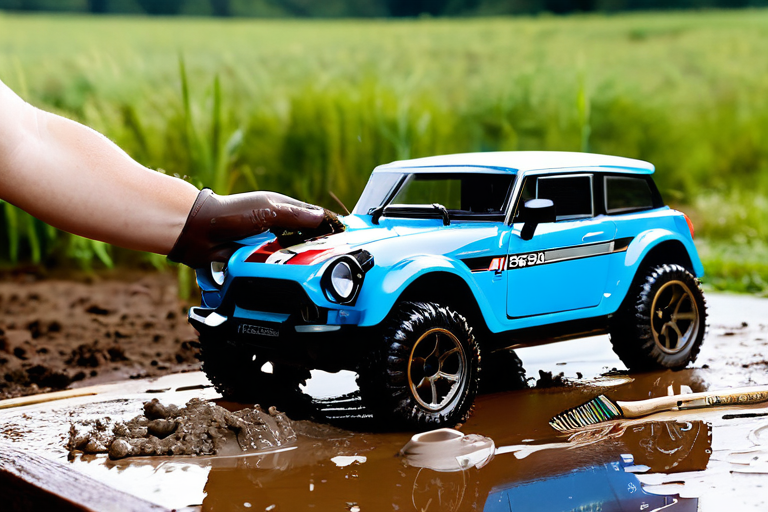
Even the best-built vehicle requires regular maintenance. The durability of toy off-road vehicles also depends on user practices: cleaning after muddy runs, lubricating bearings, and checking screw tightness. Brands like Losi provide detailed manuals and exploded views to facilitate repairs. Using thread-locking compound on metal-to-metal bolts prevents loosening. Simple habits like storing the vehicle in a cool, dry place greatly extend its life.
7. Real-World Testing and Warranty
Top manufacturers subject their vehicles to rigorous testing, including drop tests, water immersion, and continuous running for thousands of cycles. For instance, Horizon Hobby uses robotic arms to simulate hard bashing. Many offer replacement parts for years after release, ensuring repairability. Some even provide lifetime warranties on certain components, like Traxxas's limited warranty on electronics.
In conclusion, the durability of toy off-road vehicles is achieved through a combination of premium materials, waterproofing, efficient powertrains, robust suspension, smart battery management, and supportive customer service. When choosing a model, look for features like brushless motors, metal gears, sealed electronics, and a solid warranty. With proper care, a well-engineered RC off-roader can provide years of adrenaline-filled adventures.
Sources: Traxxas, Axial, Castle Creations, Losi, Horizon Hobby.