What Makes Modern Toy Off-Road Vehicles So Technically Advanced
From backyard adventures to competitive racing circuits, miniature off-road vehicles have evolved from simple toys into sophisticated engineering marvels. This exploration delves into the hidden technologies that power these terrain-conquering machines.
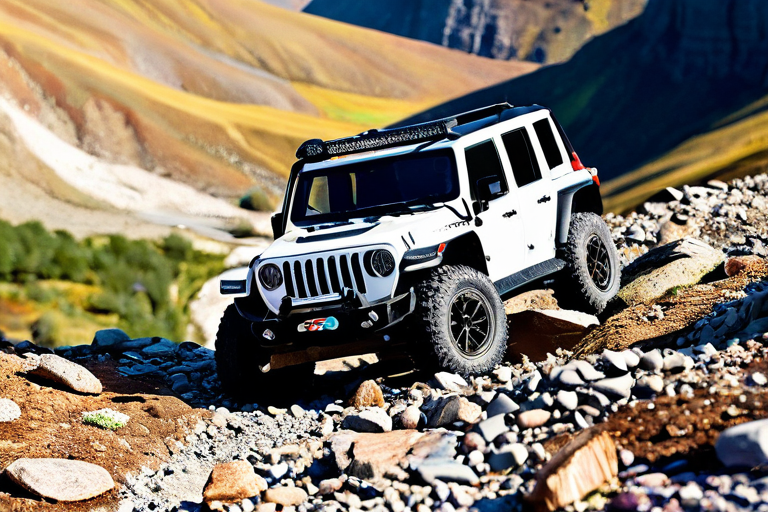
The Evolution of Miniature Off-Road Engineering
The journey from basic wind-up toys to today's sophisticated remote-controlled off-road vehicles represents decades of technological advancement. According to research from the HobbyTown RC Education Center, modern toy off-road vehicles incorporate technologies that were once exclusive to full-scale automotive engineering.
Early models from the 1970s and 1980s featured simple electric motors and basic suspension systems. The real transformation began in the 1990s with the introduction of proportional radio control systems, allowing for precise throttle and steering control. Today's vehicles represent the pinnacle of miniature engineering, with features that rival their full-scale counterparts.
Key Technical Milestones
Suspension Systems: The Heart of Terrain Performance
Modern toy off-road vehicles feature suspension systems that are engineering marvels in miniature. These systems typically include oil-filled shock absorbers with adjustable damping, progressive rate springs, and sophisticated linkage designs that maximize wheel articulation.
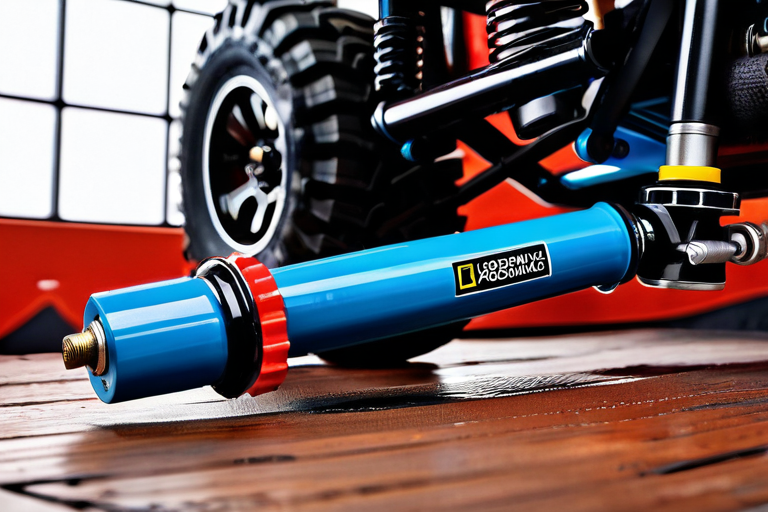
The RC Car Action Technical Guides explain how modern suspension designs incorporate several key features:
- Oil-Filled Dampers: These provide consistent damping performance across varying temperatures and conditions, with viscosities ranging from 10WT to 80WT depending on terrain requirements.
- Progressive Spring Rates: Springs that become stiffer as they compress, providing a smooth ride over small bumps while maintaining stability during aggressive maneuvers.
- Anti-Squat and Anti-Dive Geometry: Sophisticated suspension linkages that control vehicle pitch during acceleration and braking.
- Adjustable Ride Height: Many models feature adjustable suspension mounts for fine-tuning ground clearance.
Engineering Insight
The suspension travel on high-end toy off-road vehicles can exceed 50mm, allowing them to absorb impacts that would immobilize less sophisticated models. This capability comes from carefully engineered shock absorber designs that balance oil flow, piston design, and spring rates.
Power Systems: From Brushed to Brushless Revolution
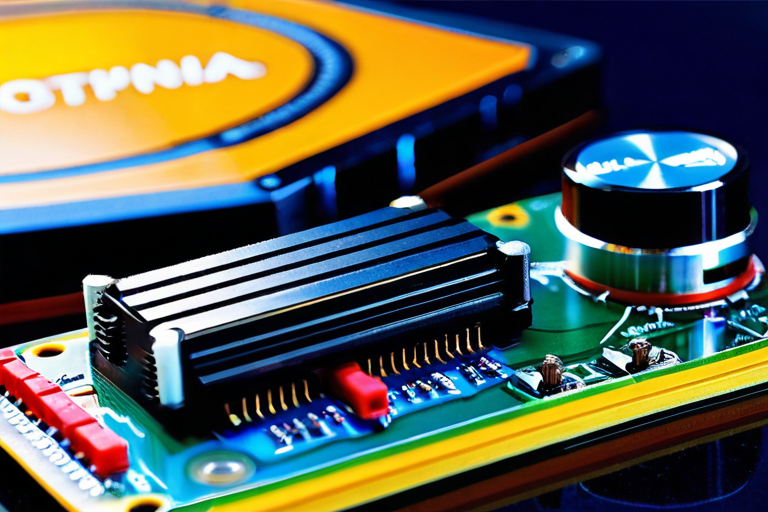
The transition from brushed to brushless motor technology represents one of the most significant advancements in toy off-road vehicle performance. According to technical analysis from AMain Hobbies RC Tech Center, brushless systems offer several advantages:
| Feature | Brushed Motors | Brushless Motors |
|---|---|---|
| Efficiency | 60-75% | 85-90% |
| Power Density | Moderate | High |
| Maintenance | Regular brush replacement | Minimal maintenance |
| Heat Generation | High under load | Lower operating temperatures |
| Speed Control | Basic | Precise electronic control |
Modern brushless systems are typically paired with sophisticated electronic speed controllers (ESCs) that offer features like:
- Programmable throttle curves
- Drag brake adjustment
- Low-voltage cutoff protection
- Thermal protection systems
- Data logging capabilities
Chassis and Drivetrain Innovations
The structural components of modern toy off-road vehicles have evolved significantly. Early models used simple plastic chassis designs, while today's high-performance vehicles incorporate:
Modern Chassis Materials
Drivetrain technology has seen similar advancements. Modern systems feature:
- Center Differentials: Allow for torque distribution between front and rear axles
- Limited-Slip Differentials: Improve traction in loose terrain
- Ball Bearings: Reduce friction throughout the drivetrain
- Adjustable Gear Ratios: Fine-tune performance for specific conditions
The Horizon Hobby Technology Center notes that modern drivetrains can achieve efficiency ratings exceeding 95%, a remarkable achievement for miniature mechanical systems.
Electronic Control Systems
Digital control represents another frontier in toy off-road vehicle technology. Modern systems incorporate:
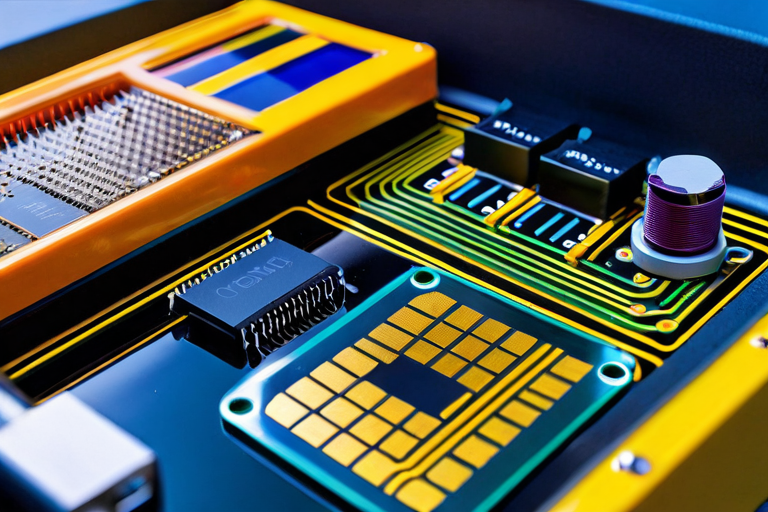
- 2.4GHz Spread Spectrum Technology: Provides interference-free control with multiple vehicles operating simultaneously
- Telemetry Systems: Monitor battery voltage, motor temperature, and speed in real-time
- Gyroscopic Stabilization: Advanced systems that help maintain vehicle stability during aggressive maneuvers
- Programmable Controllers: Allow for custom tuning of throttle response, steering sensitivity, and braking force
Digital Integration
Many modern systems now offer smartphone integration, allowing users to adjust settings, monitor performance metrics, and even receive maintenance alerts through dedicated applications. This level of digital integration was unimaginable just a decade ago.
Tire and Wheel Technology
The contact patch between vehicle and terrain represents a critical performance interface. Modern toy off-road vehicles feature tire technology that includes:
| Tire Type | Best For | Key Features |
|---|---|---|
| All-Terrain Tires | Mixed conditions | Balanced tread pattern, medium compound |
| Mud Terrain Tires | Soft, loose surfaces | Aggressive lugs, self-cleaning design |
| Rock Crawler Tires | Technical terrain | Soft compound, flexible sidewalls |
| High-Speed Desert Tires | Hard-packed surfaces | Low-profile design, firm compound |
Wheel technology has evolved alongside tire development. Modern wheels feature:
- Beadlock designs that prevent tire separation under low pressure
- Offset configurations for optimal track width
- Lightweight materials like magnesium and advanced composites
- Hex drive systems for secure wheel attachment
Technical Reference: Tire compound development data sourced from Pro-Line Racing Technology Division, a leader in RC tire innovation since 1970.
Battery Technology Advancements
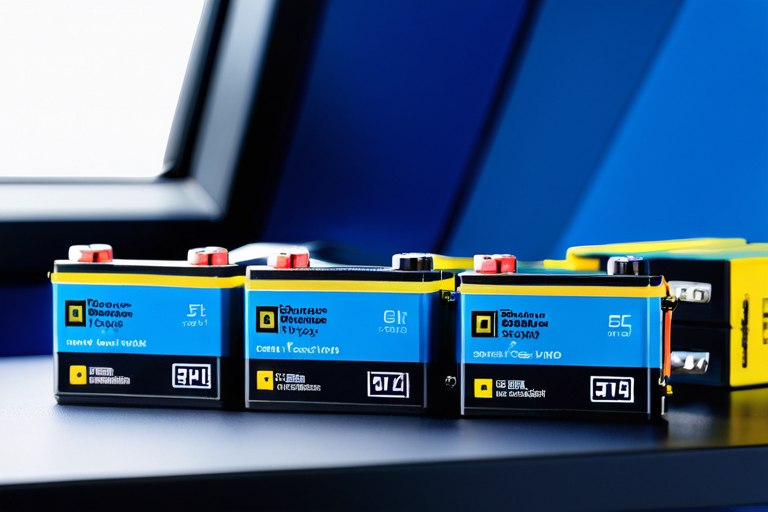
The shift from nickel-based to lithium-polymer (LiPo) batteries has revolutionized toy off-road vehicle performance. According to technical specifications from Spektrum RC Technology, modern LiPo batteries offer:
LiPo Battery Advantages
Modern battery management systems include sophisticated protection circuits that prevent over-discharge, balance cell voltages, and monitor temperature. Some advanced systems even feature wireless charging capabilities and smart battery technology that communicates charge status to the controller.
Future Trends and Innovations
The future of toy off-road vehicle technology points toward even greater sophistication. Emerging trends identified by industry analysts include:
- Artificial Intelligence Integration: Self-learning systems that adapt to driver style and terrain conditions
- Advanced Materials: Graphene-enhanced components and shape-memory alloys
- Wireless Power Transfer: Induction charging systems for continuous operation
- Augmented Reality Interfaces: Heads-up displays that overlay performance data
- Autonomous Features: Self-righting systems and obstacle avoidance technology
The Engineering Legacy
What began as simple mechanical toys has evolved into a sophisticated engineering discipline. The technologies developed for toy off-road vehicles often find applications in other fields, from robotics to medical devices, demonstrating how play and innovation intersect in unexpected ways.
Additional Technical Resources: For comprehensive technical specifications and engineering data, refer to the Traxxas Technology Center and Team Associated Technical Resources.
The technical sophistication of modern toy off-road vehicles represents a remarkable convergence of mechanical engineering, electronics, and materials science. These miniature machines continue to push the boundaries of what's possible in scaled-down form, offering enthusiasts not just toys, but platforms for technical exploration and innovation.