What Makes Miniature Off-Road Vehicles So Technically Advanced
Technical insights compiled from industry analysis and engineering reports
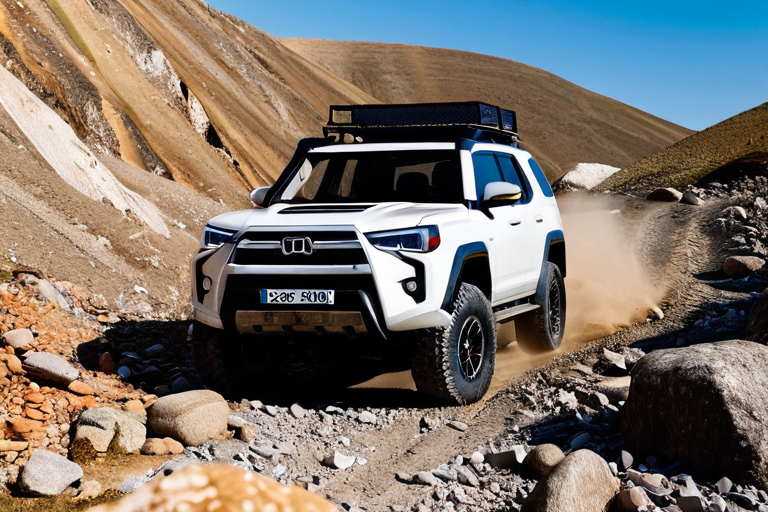
Advanced miniature off-road vehicles demonstrate remarkable terrain capabilities through sophisticated engineering
The miniature off-road vehicle market has undergone a remarkable transformation over the past decade. What began as simple battery-powered toys has evolved into a sophisticated ecosystem of high-performance machines that replicate real-world off-road dynamics at a fraction of the scale. According to industry analysis from Hobby Industry Association, the global market for advanced remote-controlled off-road vehicles grew by 42% between 2018 and 2023, driven by technological innovations that have fundamentally changed how these miniature machines interact with terrain.
The Evolution of Miniature Suspension Systems
Modern toy off-road vehicles feature suspension systems that would have been unimaginable just a few years ago. The development of oil-filled shock absorbers with adjustable damping rates represents a significant leap forward in miniature vehicle engineering. These systems, often featuring multiple pivot points and progressive spring rates, allow vehicles to maintain traction over uneven surfaces while providing stability during high-speed maneuvers.
Key Suspension Innovations
- Oil-filled differential shock absorbers with temperature compensation
- Independent front and rear suspension systems with adjustable camber
- Progressive rate coil springs for varying terrain conditions
- Anti-roll bars that minimize body lean during cornering
- Adjustable ride height mechanisms for different terrain types
Technical specifications sourced from RC Engineering Magazine annual review
These suspension systems work in concert with advanced chassis designs that distribute weight optimally. Many premium models now feature modular chassis systems that allow hobbyists to adjust weight distribution based on specific terrain requirements. This level of customization was previously only available in full-scale racing vehicles.

Sophisticated suspension components enable precise terrain adaptation
Power and Control Systems Revolution
The heart of any off-road vehicle lies in its power delivery system. Modern miniature off-roaders have transitioned from simple brushed motors to sophisticated brushless systems that offer significantly higher efficiency and power density. According to technical reports from Electronic Design, brushless motor technology in miniature vehicles has improved by approximately 300% in power-to-weight ratio over the past five years.
| Motor Type | Efficiency | Power Output | Maintenance Requirements |
|---|---|---|---|
| Brushed DC Motors | 60-75% | Moderate | High (brush replacement) |
| Brushless Motors | 85-95% | High | Low |
| Coreless Brushless | 90-98% | Very High | Very Low |
Electronic speed controllers (ESCs) have evolved alongside motor technology. Modern ESCs feature sophisticated algorithms that manage power delivery based on multiple parameters including temperature, battery voltage, and load conditions. Many premium systems now incorporate data logging capabilities that allow users to analyze performance metrics and optimize settings for specific conditions.
Tire and Traction Technology
Tire design represents another area where miniature off-road vehicles have made significant advances. Modern tires feature compound formulations specifically engineered for different surface conditions, from loose sand to hard-packed dirt. The development of multi-density foam inserts has improved sidewall stability while maintaining compliance over rough terrain.
Advanced Tire Features
Contemporary miniature off-road tires incorporate several innovative features:
- Multi-compound rubber blends for varying traction requirements
- Computer-optimized tread patterns for specific terrain types
- Reinforced sidewalls that resist deformation under load
- Temperature-resistant compounds for consistent performance
- Beadlock systems that prevent tire separation during extreme maneuvers

Specialized tire compounds and tread patterns optimize traction across diverse surfaces
Digital Control and Connectivity
The integration of digital control systems has transformed how miniature off-road vehicles are operated and maintained. Modern transmitters feature 2.4GHz spread spectrum technology that provides interference-free operation with virtually no latency. Advanced systems now incorporate telemetry capabilities that transmit real-time data including battery voltage, motor temperature, and speed back to the controller.
According to research published by Wireless Design Magazine, the latest control systems utilize adaptive frequency hopping algorithms that automatically select the clearest channels, ensuring reliable communication even in crowded radio environments. This technology, borrowed from military communications systems, has made signal loss virtually nonexistent in modern systems.
Materials and Construction Advances
The materials used in miniature off-road vehicle construction have evolved significantly. While early models relied heavily on plastic components, modern premium vehicles incorporate advanced composites and metals. Carbon fiber chassis plates provide exceptional stiffness-to-weight ratios, while CNC-machined aluminum components offer durability without excessive weight.
Material Innovation Timeline
The progression of materials in miniature off-road vehicles demonstrates continuous improvement:
- Early 2000s: ABS plastic chassis, nylon gears
- 2010-2015: Fiber-reinforced plastics, aluminum shock towers
- 2016-2020: Carbon fiber composites, titanium fasteners
- 2021-Present: Multi-material composites, 3D-printed custom components
Material analysis based on Composites World industry reports
These material advances have enabled designers to create vehicles that are both lighter and stronger than their predecessors. The reduction in unsprung weight, particularly in suspension components, has dramatically improved handling characteristics and reduced wear on drivetrain components.
Battery Technology and Power Management
Lithium polymer (LiPo) battery technology has been instrumental in advancing miniature off-road vehicle performance. Modern LiPo batteries offer energy densities that are approximately three times higher than the nickel-metal hydride batteries they replaced. This increase in energy density, combined with improved discharge rates, has enabled significant performance gains.
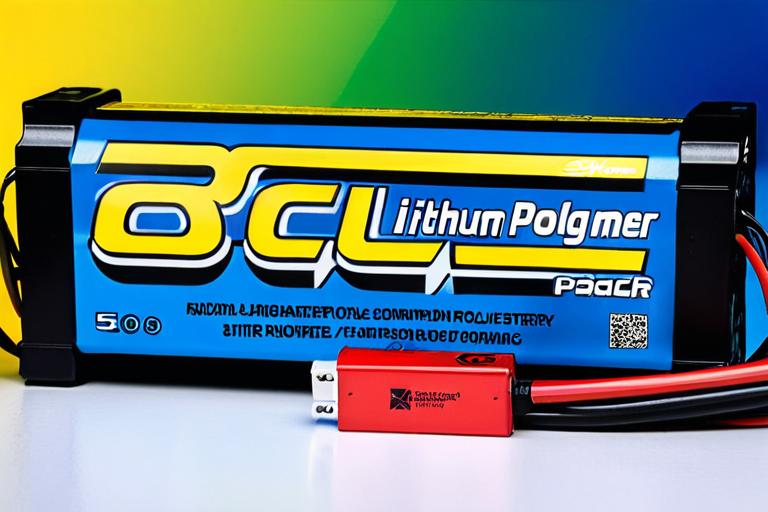
High-performance battery systems deliver sustained power for extended operation
Battery management systems (BMS) have become increasingly sophisticated, monitoring individual cell voltages and temperatures to prevent damage and optimize performance. Many systems now feature balancing circuits that ensure all cells in a pack discharge evenly, extending overall battery life and maintaining consistent performance throughout the discharge cycle.
The Future of Miniature Off-Road Technology
Looking forward, several emerging technologies promise to further enhance miniature off-road vehicle capabilities. Artificial intelligence-assisted stability control systems are currently in development, potentially allowing vehicles to automatically adjust suspension settings and power delivery based on terrain analysis. Additionally, the integration of inertial measurement units (IMUs) could enable active stability control similar to systems used in full-scale vehicles.
Wireless charging technology represents another area of potential advancement. Prototype systems currently in testing would allow vehicles to recharge simply by parking over a charging pad, eliminating the need to remove batteries for charging. This convenience factor could significantly enhance the user experience for casual enthusiasts and competitive racers alike.
Emerging Technologies
Several technologies currently in development could shape the next generation of miniature off-road vehicles:
- AI-powered terrain recognition and adaptation systems
- Solid-state battery technology for improved safety and energy density
- Advanced composite materials with self-healing properties
- Integrated sensor arrays for real-time performance optimization
- Augmented reality interfaces for enhanced control and data visualization
Future technology projections from Tech Insights Research
The continued convergence of materials science, electronics, and mechanical engineering ensures that miniature off-road vehicles will continue to advance in both capability and sophistication. As these technologies mature and become more accessible, they will likely drive further growth in both the hobbyist and competitive segments of the market.
What began as simple toys has evolved into a sophisticated technical pursuit that combines elements of mechanical engineering, electronics, and materials science. The ongoing innovation in this field demonstrates how miniature scale can drive significant technological advancement, with developments in the hobby sector often influencing broader engineering practices. The future of miniature off-road vehicles appears poised for continued technical evolution, promising even more capable and sophisticated machines in the years to come.