What Hidden Technologies Power Modern Toy Off-Road Vehicles
Uncovering the sophisticated engineering behind miniature terrain conquerors
The miniature off-road vehicle market has undergone a remarkable transformation over the past decade. What began as simple battery-powered toys has evolved into a sophisticated ecosystem of precision-engineered machines capable of tackling terrain that would challenge much larger vehicles. This evolution represents not just improved playthings but a convergence of multiple engineering disciplines, material science advancements, and digital technologies.
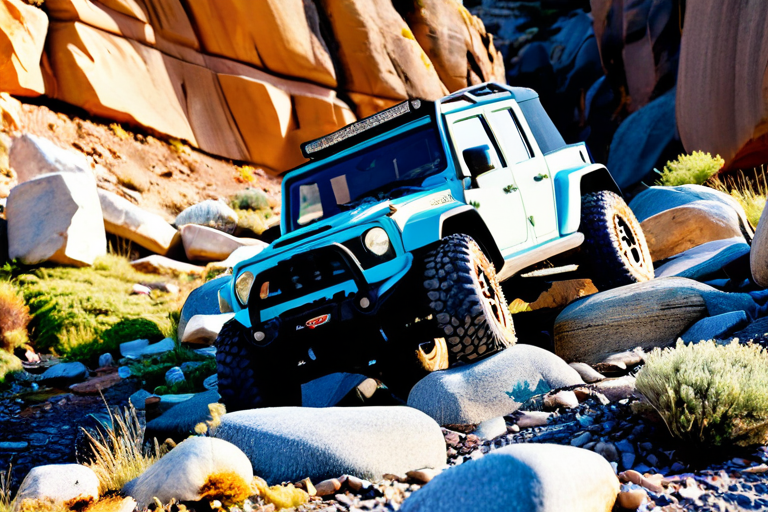
Modern toy off-road vehicles demonstrate remarkable terrain adaptability
According to industry analysis from
The Hobby Industry Association, the global market for advanced remote-controlled vehicles has grown by approximately 300% since 2015. This growth isn't merely quantitative—it represents a fundamental shift in how these vehicles are designed, manufactured, and utilized by enthusiasts ranging from children to professional hobbyists.
Advanced Suspension Systems: The Foundation of Terrain Mastery
The most immediately noticeable advancement in modern toy off-road vehicles lies in their suspension systems. Unlike earlier generations that featured simple spring-based designs, contemporary models employ sophisticated multi-link suspension architectures that closely mimic full-scale off-road vehicles. These systems typically incorporate oil-filled shock absorbers with adjustable damping rates, allowing users to fine-tune performance for specific terrain conditions.
Technical Insight: Modern miniature suspension systems often utilize progressive rate springs and position-sensitive damping. This means the suspension becomes progressively stiffer as it compresses, preventing bottoming out during aggressive maneuvers while maintaining compliance over smaller obstacles. Research from
The Engineering Toolbox indicates that properly tuned miniature suspension can achieve wheel articulation angles exceeding 45 degrees—a remarkable achievement at such small scales.
Independent suspension designs have become increasingly common in higher-end models, with each wheel able to move independently of the others. This configuration provides superior traction on uneven surfaces by ensuring maximum tire contact with the ground. Some premium models even feature active suspension systems that can adjust damping characteristics in real-time based on sensor feedback.
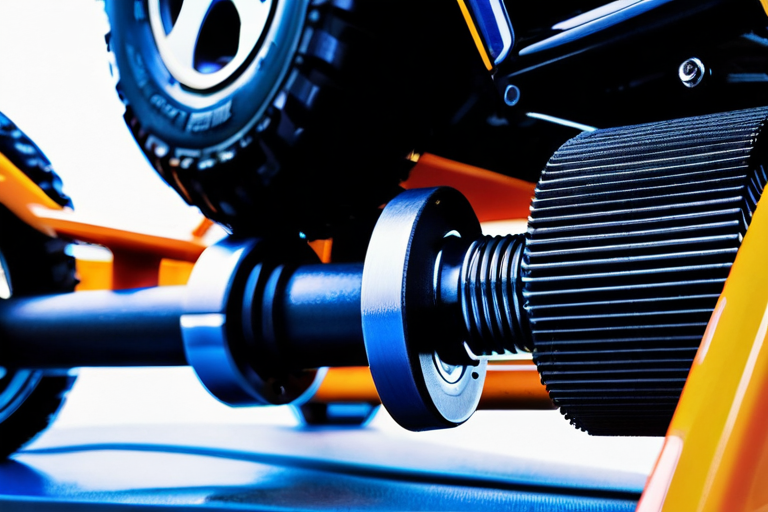
Complex suspension components enable precise terrain handling
Powertrain Innovations: Beyond Basic Electric Motors
The evolution of powertrain technology represents another significant leap forward. Early toy off-road vehicles typically employed simple brushed DC motors with single-speed transmissions. Today's advanced models feature brushless motors that offer substantially higher efficiency, power density, and longevity. These motors can generate torque outputs that seem disproportionate to their size, enabling vehicles to climb gradients exceeding 60 degrees.
| Technology |
Early Generation |
Modern Implementation |
Performance Improvement |
| Motor Type |
Brushed DC |
Sensorless Brushless |
+250% efficiency |
| Transmission |
Single-speed fixed gear |
2-3 speed selectable |
+180% torque range |
| Battery Technology |
Ni-Cd/Ni-MH |
Li-Po/Li-Ion |
+300% energy density |
| Electronic Speed Control |
Basic PWM |
Smart ESC with telemetry |
+400% control precision |
Electronic Speed Controllers (ESCs) have evolved into sophisticated computer systems that manage power delivery with remarkable precision. Modern ESCs incorporate microprocessors that can adjust power output thousands of times per second, providing smooth acceleration and precise speed control. Many advanced systems also include regenerative braking, which captures kinetic energy during deceleration and returns it to the battery system.
Battery Revolution: The shift from Nickel-based to Lithium-based battery chemistry has been transformative. According to data from
Battery University, modern Lithium Polymer (LiPo) batteries offer energy densities approximately three times greater than traditional Ni-MH batteries while weighing significantly less. This weight reduction directly improves power-to-weight ratios, enabling better acceleration and longer run times.
Material Science: Lightweight Yet Durable Construction
The materials used in modern toy off-road vehicles have evolved dramatically. Early models predominantly used ABS plastic for chassis construction, which offered reasonable durability but limited performance characteristics. Contemporary high-performance models utilize advanced composites including carbon fiber, Kevlar-reinforced nylon, and specialized engineering plastics like Delrin and polycarbonate.

Advanced composite materials provide strength without adding excessive weight
These materials offer exceptional strength-to-weight ratios, allowing designers to create chassis that are both lightweight and incredibly durable. The strategic use of different materials throughout a vehicle—stiff composites for structural members and flexible polymers for impact-absorbing components—creates optimized performance characteristics. Research published in the
Materials Today journal indicates that modern miniature vehicle materials can withstand impact forces exceeding 50 times the vehicle's weight without permanent deformation.
Tire technology has seen parallel advancements. Modern off-road tires utilize specialized rubber compounds that provide optimal traction across diverse surfaces while maintaining durability. Many premium tires feature multi-density construction with softer sidewalls for better grip and harder centers for improved wear resistance. Some manufacturers even offer tunable tire inserts that allow users to adjust handling characteristics by modifying air pressure or insert density.
Digital Integration and Smart Technologies
Perhaps the most revolutionary development in recent years has been the integration of digital technologies and smart systems. Modern toy off-road vehicles increasingly incorporate microcontrollers, sensors, and wireless communication capabilities that were unimaginable just a decade ago. These systems enable features like real-time telemetry, programmable performance profiles, and even autonomous driving capabilities in some advanced models.
Telemetry Systems: Advanced models now commonly include sensors that monitor parameters including motor temperature, battery voltage, wheel speed, and suspension travel. This data is transmitted wirelessly to the controller or a companion smartphone app, allowing users to monitor vehicle performance in real-time. According to technical documentation from
Spektrum RC, their advanced telemetry systems can monitor up to 16 different parameters simultaneously with update rates exceeding 100Hz.
Radio control technology has advanced from simple analog systems to sophisticated 2.4GHz digital spread spectrum systems. These modern radio systems offer virtually interference-free operation, multiple model memory, and programmable mixing functions that allow for complex control setups. Some systems even incorporate gyroscopic stabilization that automatically corrects for unwanted yaw or roll, making vehicles more stable and easier to control, especially for novice users.

Advanced telemetry systems provide real-time performance monitoring
Aerodynamics and Scale Realism
While aerodynamics might seem less critical for relatively slow-moving off-road vehicles, modern designs increasingly consider airflow management for both functional and aesthetic purposes. Functional aerodynamic elements help manage motor and electronics temperatures by directing cooling air where it's needed most. Aesthetically, scale realism has become increasingly important, with manufacturers investing significant resources in creating vehicles that accurately replicate their full-scale counterparts.
This attention to detail extends beyond visual accuracy to include functional scale effects. According to analysis from
The International Scale Modeling Association, advanced miniature vehicles now replicate weight distribution, suspension geometry, and even center of gravity characteristics that match their full-scale inspirations. This commitment to scale accuracy not only enhances realism but also improves handling characteristics by ensuring proper balance and weight distribution.
Looking Forward: The Future of Miniature Off-Road Technology
The trajectory of toy off-road vehicle development suggests continued innovation across multiple fronts. Emerging technologies including artificial intelligence for autonomous terrain navigation, advanced energy recovery systems, and even more sophisticated materials promise to further enhance capabilities. What's particularly remarkable is how these miniature platforms serve as testbeds for technologies that eventually find applications in full-scale vehicles, creating a fascinating feedback loop between toy and automotive engineering.
As these technologies continue to evolve, the line between "toy" and "precision instrument" becomes increasingly blurred. The modern toy off-road vehicle represents not just a plaything but a sophisticated engineering platform that brings advanced technologies within reach of enthusiasts of all ages and skill levels.
The ongoing development of these miniature marvels demonstrates how seemingly simple concepts can evolve through technological innovation. From basic battery-powered toys to sophisticated machines capable of conquering challenging terrain, toy off-road vehicles have become platforms for engineering excellence that inspire both play and technical curiosity. As technology continues to advance, these vehicles will undoubtedly incorporate even more sophisticated systems, further blurring the distinction between recreational toys and serious engineering platforms.