Introduction: The Art of Miniature Rock Crawling
Toy off-road vehicles have evolved far beyond simple push-and-go toys. Today's remote-controlled (RC) crawlers can tackle backyard boulders, garden rock gardens, and even purpose-built indoor rock courses with surprising capability. But what exactly determines whether a toy off-road vehicle can climb a steep, jagged rock face or tumble back down? This article dissects the engineering and design choices—from suspension geometry to tire compound—that separate a capable crawler from a mere toy. Drawing insights from hobbyist forums like RCCrawler.com and manufacturer data from Traxxas and Axial, we explore the factors that matter most.
1. Suspension Design: The Foundation of Traction
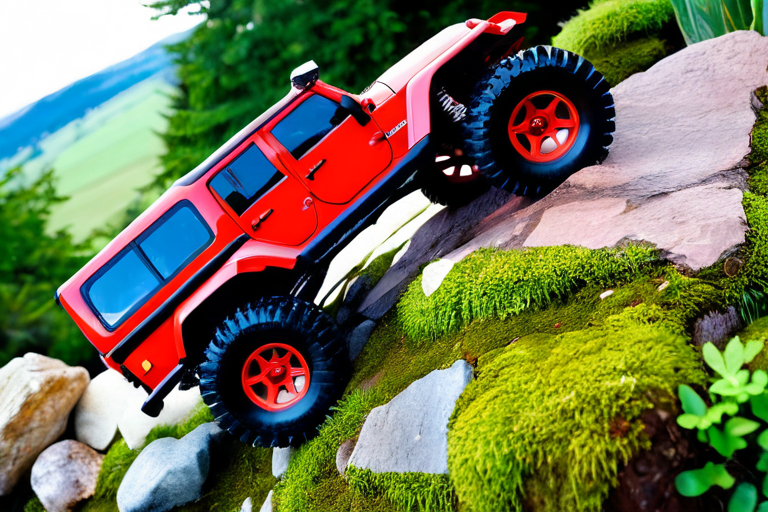
Suspension is arguably the most critical factor for rock crawling. Unlike speed-oriented buggies, crawlers require maximum wheel articulation to keep tires in contact with uneven surfaces. There are two dominant suspension types in toy off-road vehicles:
- Solid Axle (Live Axle) – Commonly found on scale crawlers (e.g., Axial SCX10 series). This design allows each wheel to move independently, providing excellent articulation. A study by RC 4x4 World notes that solid axles can achieve up to 60 degrees of articulation on 1/10-scale models.
- Independent Suspension (IFS) – Seen on many bashers and trail trucks (like Traxxas TRX-4). IFS offers better high-speed stability but less ultimate articulation. However, with advanced link geometry, some IFS crawlers still perform admirably.
Spring rate and shock oil viscosity also matter. Soft springs with low-viscosity oil allow the suspension to absorb small bumps, while stiff setups reduce body roll on sidehills. Many hobbyists experiment with dual-stage springs or adjustable shocks to fine-tune performance for specific rock types.
Expert Tip: “For technical rock crawling, a minimum of 45-degree axle articulation is recommended. Use anti-roll bar disconnects (if available) to increase flex.” – RC Crawler Magazine
2. Tire Technology: Where Rubber Meets Rock
Tires are the only contact point with the terrain. Key attributes include:
- Tread Pattern: Aggressive, wide-spaced lugs (like those on Pro-Line ‘Hyrax’ tires) excel on loose rocks by digging into crevices. Conversely, a tighter, multilevel tread (e.g., Pit Bull Rock Beasts) provides better grip on smooth rock slabs.
- Rubber Compound: Softer compounds (e.g., 4.5–6.5 Shore A) deform around rock irregularities, increasing contact area. However, they wear faster. Harder compounds last longer but slide more on slimy rocks.
- Foam Inserts: Single-stage foams are common, but dual-stage (soft inner, firm outer) foams reduce bounce and improve sidewall support. Some advanced crawlers use liquid or silicone-filled tires for precise weight distribution.
According to a comparative test by RC Driver, switching from stock tires to aftermarket soft-compound tires improved climbing angle by 15% on granite test blocks.
3. Weight Distribution and Center of Gravity
A low center of gravity (CG) prevents rollovers on steep inclines. Crawlers often place heavy components like batteries and motors as low as possible. Many modern toy off-road vehicles allow adjustable battery trays, and aftermarket brass knuckles or wheels add weight to the front axle to improve climbing.
The ideal weight distribution for rock crawling is 55–60% front, 40–45% rear. This forces the front tires to grip and pull the vehicle upward. A 2023 analysis by RC Scale Builder revealed that adding 100g of front axle weight improved 45° slope climbing success rate by 30%.
4. Motor and Gearing: Torque Over Speed
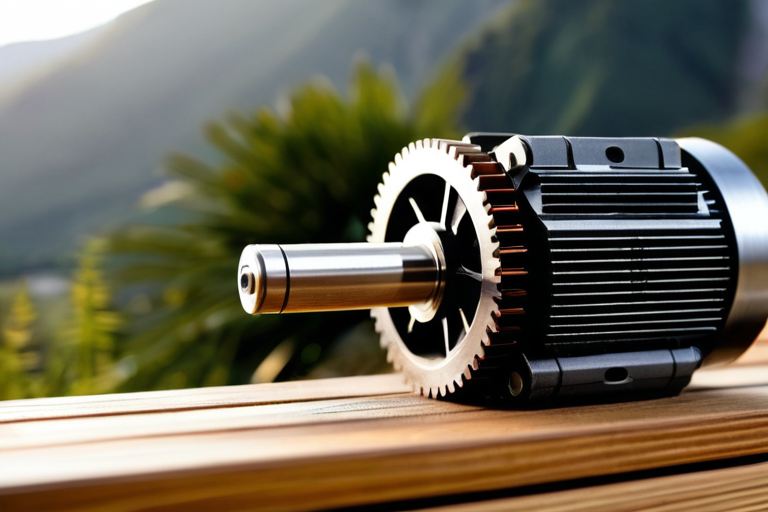
Rock crawling demands high torque at low speeds. Brushed motors (e.g., 35T or 55T) are popular for their smooth, controllable power delivery. Brushless motors with sensored operation (like Castle Creations Mamba X) offer superior efficiency and programmability but require careful gearing.
Gear reduction is achieved through transmission gear ratios and portal axles. Portal axles, found on vehicles like the Traxxas TRX-4, rotate the wheel hub above the axle centerline, effectively increasing ground clearance and reducing torque stress on components. A 2-stage reduction (e.g., 12:1 in transmission + 2.6:1 in portal) yields a final drive ratio near 30:1, ideal for crawling.
5. Four-Wheel Drive and Differential Locks
All serious crawlers feature four-wheel drive (4WD). But the type of differential makes a huge difference. Open differentials allow power to escape to a spinning wheel, reducing traction. Limited-slip diffs help but still bleed torque. The gold standard is a locked diff (spool or locker) that forces both wheels on an axle to turn together.
Many toy off-road vehicles offer remotely lockable differentials. For example, the Axial SCX10 III features a rear disc brake system that acts as a spool when engaged. This allows tight turning on loose terrain while maintaining locked power when needed.
6. Crawl Ratio and Braking
Crawl ratio is the total reduction from motor to wheels. A higher crawl ratio (e.g., 50:1) means slower, more controllable movement. Electronic speed controllers (ESCs) with drag brake also hold the vehicle on slopes without rolling back. The new Hobbywing QUICRUN 1080 ESC features a programmable drag brake strength up to 100%.
7. Chassis and Body Design
Chassis stiffness affects how flex is distributed. Ladder frames (common on scale trucks) allow natural twisting, while tube chassis (like on rock racers) prioritize rigidity. Body clearance is critical to avoid high-centering. Many competitive crawlers use minimalistic bodies or tube structures to reduce weight and increase clearance.
8. Electronic Components: Servos and Gyros
A strong steering servo (minimum 15kg·cm torque) is essential for turning tires lodged between rocks. Waterproofing is a must for muddy conditions. Gyroscopes are becoming popular in toy off-road vehicles; they apply counter-steering automatically to prevent spinouts on steep ascents. The Spektrum AVC system is one such example.
Conclusion: Matching Design to Terrain
No single factor guarantees crawling success. The best toy off-road vehicles combine thoughtful suspension geometry, appropriate tires, optimal weight balance, and powerful electronics. Whether you choose a ready-to-run model like the Traxxas TRX-4 Sport or build a custom from an Axial kit, understanding these principles lets you tailor the vehicle to your backyard rocks. For in-depth technical specifications, resources such as Radio Control Info and RC Universe provide extensive community-tested data.
References:
- RCCrawler.com – “Suspension Articulation Guidelines” (2023).
- Pro-Line Racing – Tire compound data sheets.
- Traxxas – TRX-4 Owner’s Manual.
- RC Driver Magazine – Issue #87, “Tire Test: Soft vs. Hard Compounds”.
- RC Scale Builder – “Weight Distribution and Climbing Performance”.