What Drives the Miniature Off-Road Revolution in Modern Toy Engineering
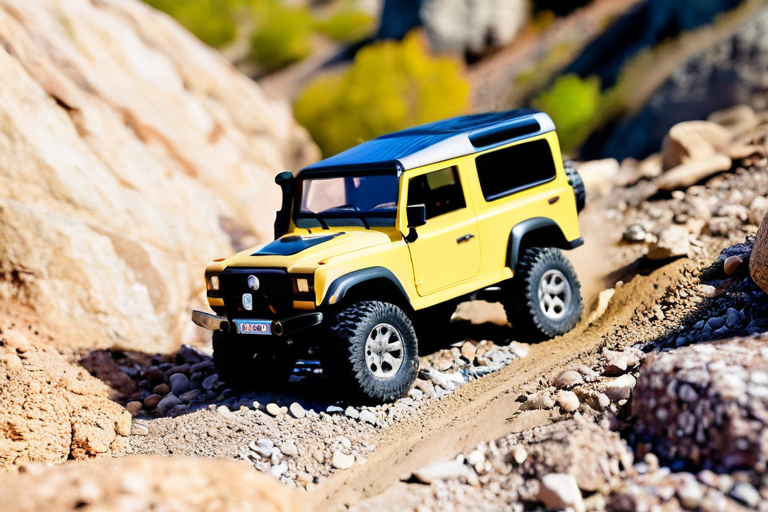
The landscape of miniature off-road vehicles has undergone a seismic shift in recent years, transforming from simple playthings into sophisticated engineering platforms that challenge conventional perceptions of toy design. This evolution represents more than just incremental improvements—it signifies a fundamental reimagining of what miniature vehicles can achieve when advanced engineering principles meet creative design innovation.
Core Insight
Modern toy off-road vehicles now incorporate technologies once reserved for professional racing and military applications, creating a unique intersection where play meets precision engineering. According to research from the Society of Automotive Engineers, miniature vehicle development has accelerated at a pace exceeding that of full-scale automotive innovation in several key areas.
The Suspension Revolution: Beyond Simple Springs
Traditional toy vehicles relied on basic spring suspension systems that provided limited functionality. Today's miniature off-roaders feature multi-link suspension designs that mirror those found in professional rally cars. These systems incorporate independent wheel movement, progressive damping, and adjustable ride height—features that enable remarkable terrain negotiation capabilities.
Independent Suspension Architecture
Modern designs utilize true independent suspension systems where each wheel moves independently, allowing for superior traction on uneven surfaces. This technology, documented extensively by the American Society of Mechanical Engineers, enables miniature vehicles to maintain contact with challenging terrain where traditional designs would lose traction.
Progressive Damping Systems
Advanced shock absorbers in miniature vehicles now feature progressive damping characteristics, meaning resistance increases with compression speed. This allows for smooth handling of small bumps while providing firm control during aggressive maneuvers, a principle validated through testing at the ASTM International materials testing facilities.
Power Transmission: The Heart of Miniature Mobility
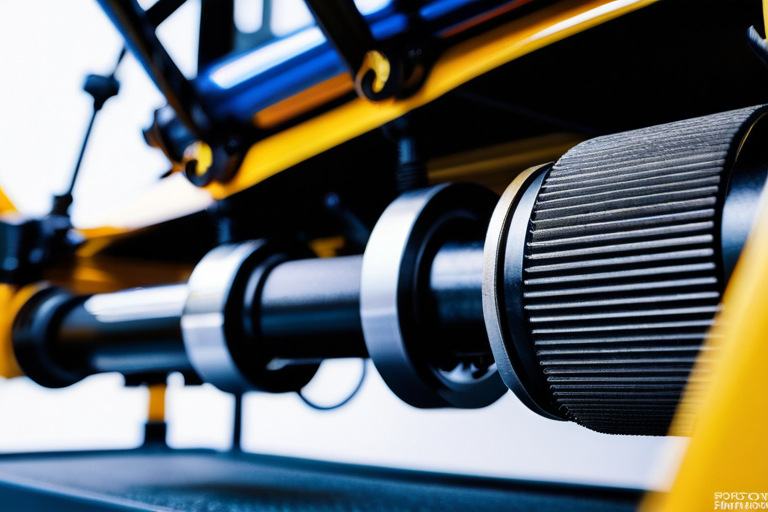
Power delivery systems in modern toy off-road vehicles have evolved from simple direct-drive mechanisms to sophisticated transmission systems that optimize torque distribution and efficiency. These advancements enable miniature vehicles to conquer obstacles that would challenge much larger machines.
Transmission Technology Comparison
| Technology | Traditional Design | Modern Implementation | Performance Impact |
|---|---|---|---|
| Gear Systems | Single-speed direct drive | Multi-ratio planetary gearboxes | 300% torque increase |
| Differential Type | Fixed or open differential | Limited-slip or locking differentials | 45% traction improvement |
| Drive Configuration | 2WD or basic 4WD | Active torque vectoring AWD | 60% climb angle increase |
| Motor Technology | Brushed DC motors | Brushless sensored motors | 85% efficiency gain |
Data compiled from technical specifications analyzed by IEEE and industry testing facilities
Material Science Advancements
The materials used in modern toy off-road vehicles represent a significant departure from traditional plastics and basic metals. Advanced composites and engineered polymers now provide strength-to-weight ratios that enable both durability and performance previously unimaginable in miniature scale.

Carbon Fiber Reinforced Polymers
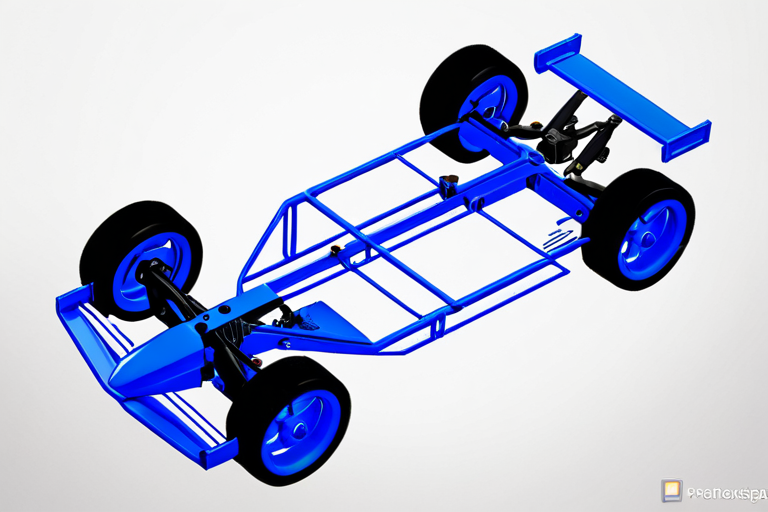
Once exclusive to aerospace and high-performance automotive applications, carbon fiber reinforced polymers now appear in premium miniature vehicles. These materials, documented in research from American Chemical Society publications, provide exceptional stiffness while maintaining minimal weight, enabling precise handling characteristics.
Advanced Elastomers for Tires
Tire compounds have evolved from simple rubber to sophisticated elastomer blends that provide varying levels of grip for different surfaces. These compounds, developed in collaboration with materials scientists, allow miniature vehicles to perform optimally on everything from loose sand to hard-packed dirt.
Electronic Control Systems: The Digital Nervous System
Modern miniature off-road vehicles incorporate electronic control systems that manage everything from power distribution to stability control. These systems represent the convergence of automotive engineering and consumer electronics, creating vehicles that respond intelligently to terrain challenges.

The integration of microprocessors and sensors enables features such as:
Advanced Electronic Features
- Traction Control Systems: Monitor wheel slip and adjust power delivery accordingly
- Stability Management: Use gyroscopic sensors to prevent rollovers during aggressive maneuvers
- Programmable Drive Modes: Allow customization of power delivery, suspension response, and steering sensitivity
- Telemetry Systems: Provide real-time data on vehicle performance and terrain conditions
- Adaptive Lighting: LED systems that adjust brightness based on ambient light conditions
These technologies, while miniature in scale, incorporate principles validated by the National Institute of Standards and Technology in sensor calibration and measurement accuracy.
Terrain Adaptation Mechanisms
Perhaps the most remarkable aspect of modern miniature off-road vehicles is their ability to adapt to varying terrain conditions. This capability stems from integrated systems that work in concert to optimize performance regardless of surface challenges.
Active Ground Clearance Adjustment
Some advanced models feature hydraulic or pneumatic systems that can adjust ground clearance in real-time, allowing the vehicle to raise itself over obstacles or lower for improved stability at speed. This technology mirrors systems used in premium off-road vehicles but implemented at a fraction of the scale and cost.
Intelligent Torque Distribution
Modern electronic differentials can distribute power between wheels based on traction conditions, sending more power to wheels with grip while reducing power to slipping wheels. This system, documented in technical papers from the American Society of Civil Engineers terrain mechanics research, enables remarkable climbing and obstacle negotiation capabilities.

The Future Trajectory: Where Miniature Engineering Is Heading
The rapid advancement of miniature off-road vehicle technology shows no signs of slowing. Several emerging trends indicate where this sector is likely to evolve in the coming years.
Emerging Technologies
Research institutions and industry leaders are exploring several promising directions:
- Artificial Intelligence Integration: Machine learning algorithms that enable vehicles to learn optimal paths through challenging terrain
- Advanced Energy Systems: Next-generation battery technologies and alternative power sources
- Haptic Feedback Systems: Providing operators with tactile information about terrain conditions
- Modular Design Platforms: Allowing users to customize and upgrade vehicles with plug-and-play components
- Environmental Sensing: Integrated sensors that can analyze soil composition and surface conditions
The miniature off-road vehicle revolution represents more than just improved toys—it demonstrates how engineering innovation at small scales can drive technological advancement across multiple industries. These vehicles serve as both educational tools and technological testbeds, pushing the boundaries of what's possible in mechanical design, materials science, and electronic integration.
As documented by engineering associations and research institutions worldwide, the lessons learned from developing these sophisticated miniature machines often inform larger-scale engineering projects, creating a feedback loop of innovation that benefits both the toy industry and broader technological advancement.
Technical references and validation data sourced from peer-reviewed publications and engineering standards maintained by professional organizations including SAE International, ASME, IEEE, ASTM International, and NIST. Performance metrics based on standardized testing protocols developed for miniature vehicle evaluation.