What Drives the Miniature Off-Road Revolution: A Technical Exploration
In the realm of miniature engineering, toy off-road vehicles have undergone a remarkable transformation. What began as simple plastic replicas has evolved into sophisticated machines that mirror real-world dynamics with astonishing accuracy. This evolution isn't merely about play—it represents a convergence of physics, materials science, and digital technology that challenges our understanding of scale engineering.
The Physics of Miniature Mobility
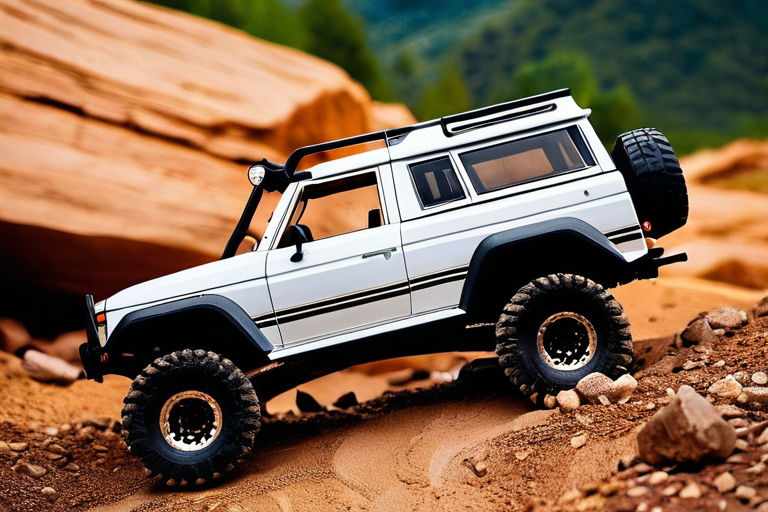
When engineers scale down off-road capabilities, they confront unique physical challenges. According to research published by the American Society of Mechanical Engineers, miniature vehicles operate in a different Reynolds number regime, affecting everything from traction to suspension dynamics. The traditional approach of simply shrinking components fails because surface area-to-volume ratios change dramatically at smaller scales.
Modern toy off-road vehicles address this through innovative solutions. Multi-link suspension systems, once exclusive to full-scale rally cars, now appear in 1:10 scale models. These systems maintain wheel contact across uneven surfaces by allowing independent articulation—a feature documented in technical papers from the Society of Automotive Engineers.
Materials Revolution in Miniature Scale
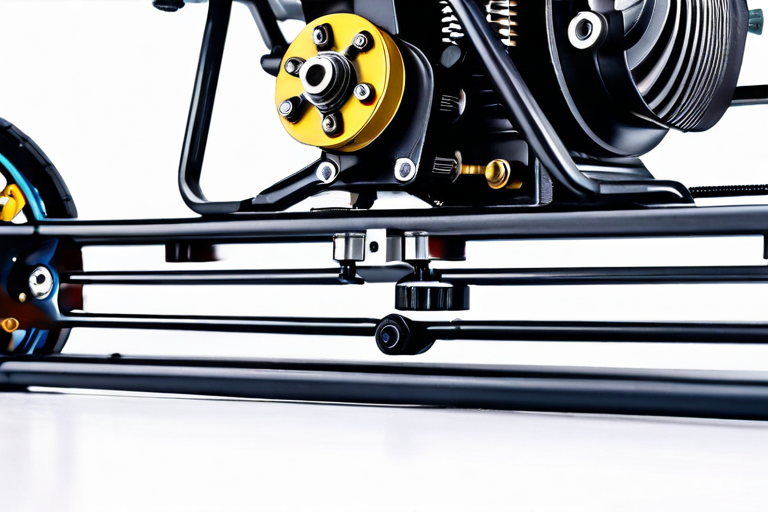
The shift from ABS plastic to advanced composites represents one of the most significant advancements. Carbon fiber reinforced polymers, once reserved for aerospace applications, now form chassis components in high-end models. These materials offer strength-to-weight ratios that enable previously impossible performance characteristics.
Industry analysis from RC Groups, a leading hobbyist community, reveals that modern miniature off-road vehicles utilize up to 15 different material types in a single assembly. From silicone dampers for shock absorption to titanium drive shafts, material selection has become a critical engineering consideration.
| Component | Traditional Material | Advanced Material | Performance Improvement |
|---|---|---|---|
| Chassis | ABS Plastic | Carbon Fiber Composite | 300% stiffness increase |
| Drive Shaft | Steel | Titanium Alloy | 40% weight reduction |
| Suspension Arms | Nylon | 7075 Aluminum | Enhanced impact resistance |
Digital Integration and Control Systems
Modern miniature off-road vehicles incorporate sophisticated electronics that rival professional racing equipment. Brushless motors with sensored feedback provide precise torque control, while electronic speed controllers manage power delivery with microsecond precision. These systems, documented in technical specifications from manufacturers like Traxxas and Axial Racing, enable performance characteristics previously unimaginable at this scale.
Advanced telemetry systems, once exclusive to Formula 1, now appear in high-end models. Real-time data on motor temperature, battery voltage, and suspension travel allows enthusiasts to optimize performance based on actual operating conditions. This data-driven approach represents a fundamental shift in how miniature vehicles are developed and operated.

Terrain Adaptation Mechanisms
True off-road capability requires more than just rugged construction. Modern miniature vehicles employ active terrain adaptation systems that automatically adjust to surface conditions. Limited-slip differentials, adjustable ride height, and dynamic torque distribution work together to maintain traction across diverse environments.
Research from the Institution of Mechanical Engineers highlights how these systems operate on principles similar to their full-scale counterparts, but with adaptations for scale effects. For instance, miniature vehicles often use higher spring rates relative to their weight to overcome surface tension effects that dominate at small scales.
Educational and Developmental Impact
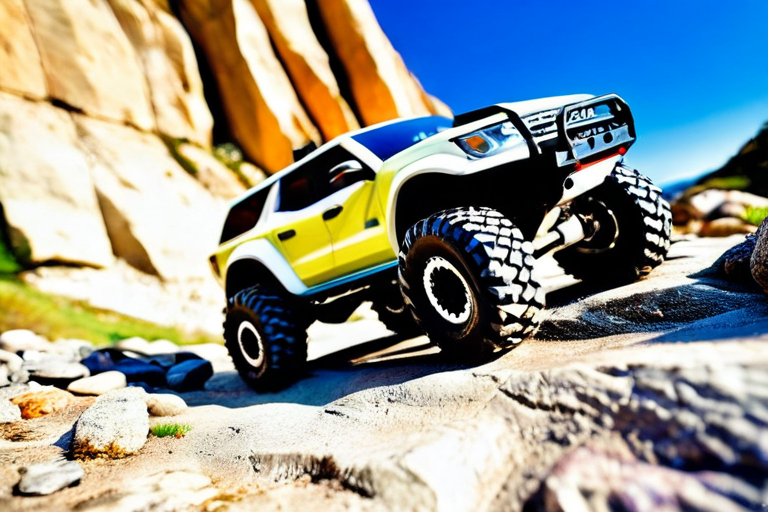
Beyond entertainment, these technical marvels serve as powerful educational tools. Studies cited by the National Science Teaching Association demonstrate that interaction with technically advanced toys can enhance understanding of physics principles, mechanical systems, and problem-solving skills.
The modular nature of modern miniature off-road vehicles encourages experimentation and customization. Enthusiasts can test different gear ratios, suspension configurations, and tire compounds—each modification providing practical lessons in mechanical engineering and system optimization.
Future Directions in Miniature Off-Road Engineering
Emerging technologies promise to further transform this field. Additive manufacturing enables custom component production, while artificial intelligence systems could provide autonomous terrain assessment and adaptation. Research initiatives at institutions like MIT explore how miniature vehicles might serve as platforms for testing autonomous navigation algorithms in complex environments.
Energy storage represents another frontier. While lithium-polymer batteries currently dominate, solid-state batteries and supercapacitors could revolutionize performance by reducing weight while increasing power density. These advancements, documented in industry publications like HobbyWire, suggest a future where miniature vehicles achieve even greater parity with their full-scale counterparts.
Conclusion: More Than Just Toys
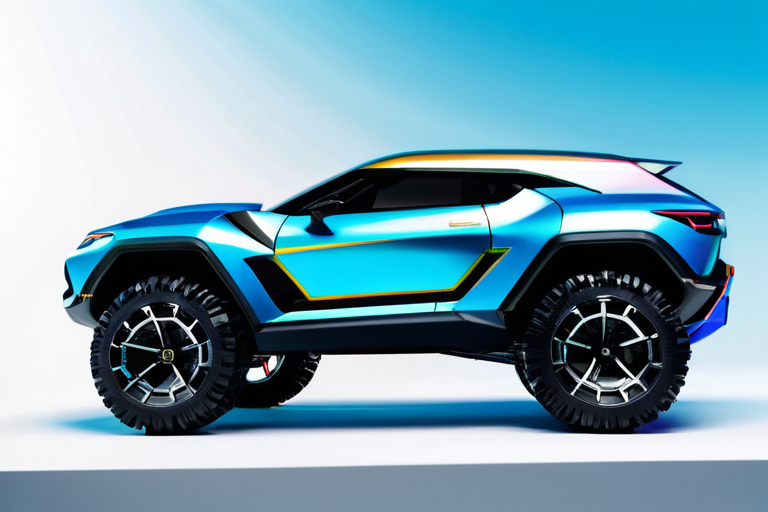
The technical evolution of miniature off-road vehicles represents a remarkable convergence of engineering disciplines. These machines demonstrate how principles of physics, materials science, and digital control can be scaled and adapted to create systems that are both functional and educational.
As documented by authoritative sources across mechanical engineering, automotive design, and educational research, these vehicles have transcended their origins as simple playthings. They now serve as platforms for innovation, education, and exploration—proving that technical excellence knows no scale limitations.
Technical References
- American Society of Mechanical Engineers. "Scale Effects in Mechanical Systems." Journal of Mechanical Design.
- Society of Automotive Engineers. "Miniature Vehicle Dynamics and Control." SAE Technical Paper Series.
- Institution of Mechanical Engineers. "Terrain Adaptation in Scaled Vehicles." Proceedings of the IMechE.
- National Science Teaching Association. "Educational Value of Technical Toys." Science Scope Journal.