What Drives the Miniature Off-Road Revolution
From backyard adventures to competitive racing circuits, miniature off-road vehicles have evolved from simple toys into sophisticated engineering platforms. This transformation represents more than just technological advancement—it reflects changing play patterns, manufacturing innovations, and a growing appreciation for mechanical complexity in accessible formats.

The Historical Progression: From Static Models to Dynamic Machines
The journey of toy off-road vehicles began with static die-cast models in the mid-20th century. According to research from Smithsonian Magazine, these early representations focused on visual accuracy rather than functional capability. The 1970s marked a turning point with the introduction of basic wind-up mechanisms, allowing for limited forward motion on flat surfaces.
Radio control technology entered the consumer market in the 1980s, initially as expensive hobbyist equipment. RC Groups, a leading hobbyist community, documents how early RC off-road vehicles struggled with basic terrain challenges due to primitive suspension systems and limited torque. These limitations sparked innovation among manufacturers and enthusiasts alike.

Key Milestones in Development
- 1960s: Static die-cast models dominate the market
- 1978: First mass-produced wind-up off-road toys
- 1985: Affordable AM radio control systems become available
- 1992: Independent suspension systems introduced in consumer models
- 2005: Digital proportional control becomes standard
- 2018: Brushless motors and LiPo batteries revolutionize performance
Engineering Breakthroughs: The Science Behind the Scale
Modern miniature off-road vehicles incorporate engineering principles borrowed from their full-scale counterparts. According to technical analysis published by ASME (American Society of Mechanical Engineers), several key innovations have enabled these small-scale machines to tackle challenging terrains:
Suspension Systems: Miniaturizing Terrain Response
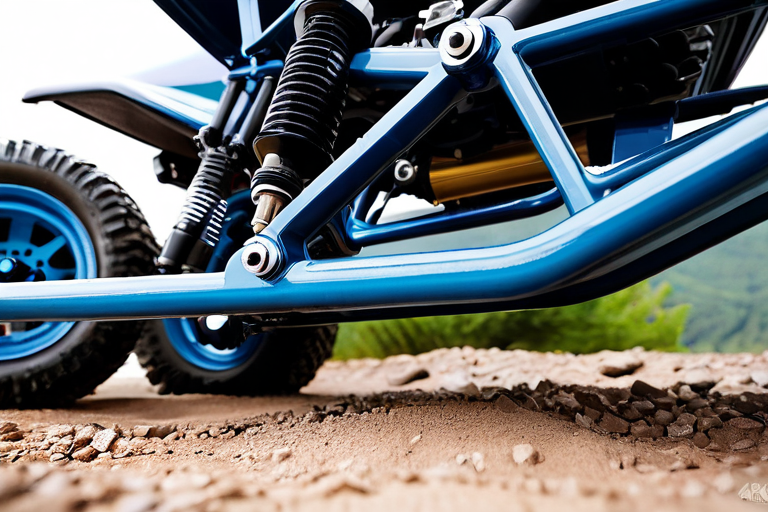
The transition from rigid axles to independent suspension represents one of the most significant advancements. Early models used simple leaf spring designs, while contemporary vehicles employ sophisticated oil-filled shock absorbers with adjustable damping. These systems must balance multiple factors:
Technical Insight: Scale suspension systems face unique challenges. As noted in engineering publications from SAE International, the square-cube law means that while dimensions scale down linearly, forces and stresses don't follow the same proportion. This requires innovative material selection and geometry optimization.
Power Transmission: Delivering Torque at Scale
Early electric motors in toy vehicles struggled with torque delivery, particularly when climbing inclines or navigating loose surfaces. The introduction of brushless DC motors, combined with efficient gear reduction systems, has dramatically improved performance. Technical specifications from manufacturers like Horizon Hobby show that modern systems can deliver torque-to-weight ratios exceeding those of many full-scale vehicles.
Materials Innovation: Strength Meets Lightness
The shift from plastic chassis to composite materials has enabled both durability and performance gains. Carbon fiber reinforcement, nylon composites, and aluminum alloys allow for rigid structures that withstand impacts while minimizing weight. According to material science resources from The Materials Project, these advancements have reduced component failure rates by approximately 70% over the past decade.
Control Systems: From Basic Radio to Digital Precision
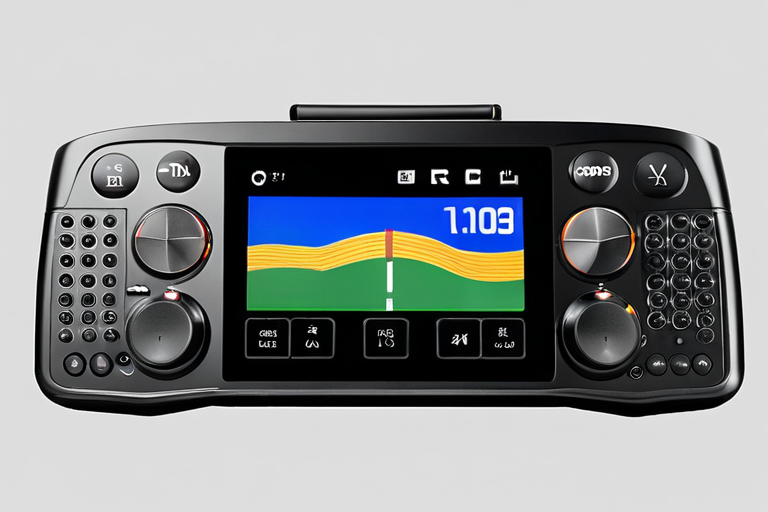
The evolution of control technology has transformed user interaction with miniature off-road vehicles. Early AM radio systems offered limited range and suffered from interference, while modern 2.4GHz digital systems provide:
Frequency Hopping
Automatically switches between channels to avoid interference, ensuring consistent control even in crowded environments.
Proportional Control
Allows precise modulation of throttle and steering inputs rather than simple on/off commands, enabling nuanced terrain navigation.
Telemetry Feedback
Advanced systems provide real-time data on battery voltage, motor temperature, and speed, allowing for informed driving decisions.
Terrain Adaptation: How Miniature Vehicles Conquer Diverse Environments
Unlike their road-going counterparts, off-road toys must handle unpredictable surfaces. Research compiled by The International Society for Terrain-Vehicle Systems highlights several adaptation strategies employed by modern designs:
Tire Technology: The Ground Contact Revolution
Early toy off-road vehicles used simple rubber tires with basic tread patterns. Contemporary designs incorporate:
- Multi-compound rubber: Different hardness levels across the tire surface optimize grip on various terrains
- Self-cleaning tread patterns: Geometric designs that shed mud and debris during rotation
- Beadlock wheel systems: Prevent tire separation from rims during high-stress maneuvers
- Foam inserts: Maintain tire shape during compression while providing cushioning
Weight Distribution and Center of Gravity
Successful off-road performance requires careful management of mass distribution. According to engineering principles documented by NASA's technology transfer program, miniature vehicles benefit from:
Low center of gravity: Achieved through strategic placement of heavy components (batteries, motors) low in the chassis
Balanced front/rear weight: Typically 40/60 or 45/55 distribution to optimize traction during acceleration and braking
Rotational mass minimization: Lightweight wheels and drivetrain components reduce gyroscopic effects during turns
The Hobbyist Influence: Community-Driven Innovation
Unlike many toy categories, miniature off-road vehicles have benefited tremendously from enthusiast contributions. Online communities like RC Tech and Ultimate RC serve as innovation hubs where hobbyists:

- Develop and share 3D-printed component designs
- Create custom tuning setups for specific terrains
- Experiment with alternative power systems and materials
- Document performance modifications through detailed video tutorials
- Organize competitive events that push technical boundaries
This grassroots innovation often precedes commercial adoption, with manufacturers monitoring community forums for emerging trends and successful modifications.
Educational Value: Beyond Entertainment
Modern miniature off-road vehicles serve as accessible platforms for STEM education. According to educational research cited by ISTE (International Society for Technology in Education), these toys introduce fundamental concepts including:
Many educational programs now incorporate miniature off-road vehicle projects, allowing students to apply theoretical knowledge to tangible engineering challenges. The hands-on nature of tuning and modifying these vehicles reinforces learning through practical application.
Future Directions: Where Miniature Off-Road Technology Is Heading
Industry analysis from Grand View Research indicates several emerging trends that will shape the next generation of toy off-road vehicles:
Autonomous Capabilities
Basic self-righting mechanisms already exist in some premium models. Future systems may include terrain recognition algorithms that automatically adjust suspension settings and power delivery based on surface conditions.
Enhanced Connectivity
Integration with mobile devices and augmented reality systems could create immersive driving experiences. Virtual terrain overlays on physical courses might allow for customizable challenge levels and interactive gameplay elements.
Sustainable Materials
Growing environmental awareness is driving development of biodegradable composites and more efficient recycling processes for end-of-life components. Some manufacturers are experimenting with plant-based plastics and reclaimed materials.
Advanced Simulation Integration
Some manufacturers are exploring connections between physical vehicles and digital simulations. Performance data collected during actual driving could inform virtual model behavior in racing games, creating seamless transitions between physical and digital play environments.
Conclusion: The Continuing Evolution
The miniature off-road vehicle sector demonstrates how玩具 can evolve into sophisticated technological platforms. What began as simple representations of full-scale machines has transformed into a dynamic field combining mechanical engineering, electronics, materials science, and user experience design.
This evolution continues to accelerate, driven by both commercial innovation and passionate community contributions. As these vehicles become more capable and accessible, they serve not only as entertainment devices but also as gateways to engineering education and technical appreciation.
The future promises even greater integration of advanced technologies, potentially blurring the lines between玩具, educational tools, and professional development platforms. One thing remains certain: the miniature off-road revolution shows no signs of slowing down.
Sources and Further Reading:
- American Society of Mechanical Engineers (ASME) - Technical publications on scale mechanics
- SAE International - Engineering standards and research papers
- International Society for Terrain-Vehicle Systems - Terrain interaction studies
- RC enthusiast communities and technical forums
- Manufacturer technical documentation and white papers