What Drives the Evolution of Toy Off-Road Vehicles Beyond Basic Play
From backyard adventures to sophisticated engineering platforms, miniature off-road vehicles have transformed into complex systems that mirror real-world automotive technology while maintaining their playful essence.
When most people think of toy off-road vehicles, they imagine simple plastic cars bouncing over makeshift dirt mounds. However, the current landscape reveals a different reality—one where miniature 4x4 systems incorporate suspension designs, electronic controls, and material science that would impress professional automotive engineers. This transformation didn't happen overnight but represents decades of incremental innovation driven by enthusiast demand and technological advancement.

The progression from simple spring suspensions to independent oil-filled shock systems represents just one aspect of the technical evolution in miniature off-road platforms.
The Suspension Revolution in Miniature Form
According to technical analysis from Horizon Hobby's engineering division, modern toy off-road vehicles employ suspension systems that have evolved through three distinct generations. The first generation utilized basic coil springs that provided minimal travel and poor damping characteristics. These were followed by oil-damped shock absorbers in the 1990s, which marked a significant improvement in handling and realism.
The current generation, as documented in RC Car Action's technical reviews, features fully adjustable suspension with multiple mounting positions, progressive spring rates, and oil viscosities tailored to specific terrains. Some high-end models even incorporate active suspension systems that automatically adjust damping based on sensor readings—technology that was exclusive to luxury automobiles just a decade ago.
Key Suspension Innovations:
- Multi-link designs that maintain tire contact through complex articulation
- Oil-filled shocks with adjustable preload and rebound characteristics
- Active damping systems in premium models that respond to terrain changes
- Progressive spring rates that handle both small bumps and large obstacles
Power Systems: From Simple Motors to Brushless Precision
The propulsion systems in toy off-road vehicles have undergone perhaps the most dramatic transformation. Early models relied on simple DC motors with basic speed control, offering limited torque and poor efficiency. The introduction of electronic speed controllers (ESCs) in the late 1990s marked a turning point, allowing for smoother acceleration and basic braking functions.
Today's systems, as detailed in technical specifications from Traxxas engineering documentation, feature sensorless brushless motors paired with sophisticated ESCs that offer multiple drive modes, regenerative braking, and thermal protection. These systems can deliver power outputs exceeding 1000 watts in some competition models—extraordinary figures for vehicles weighing less than 10 pounds.
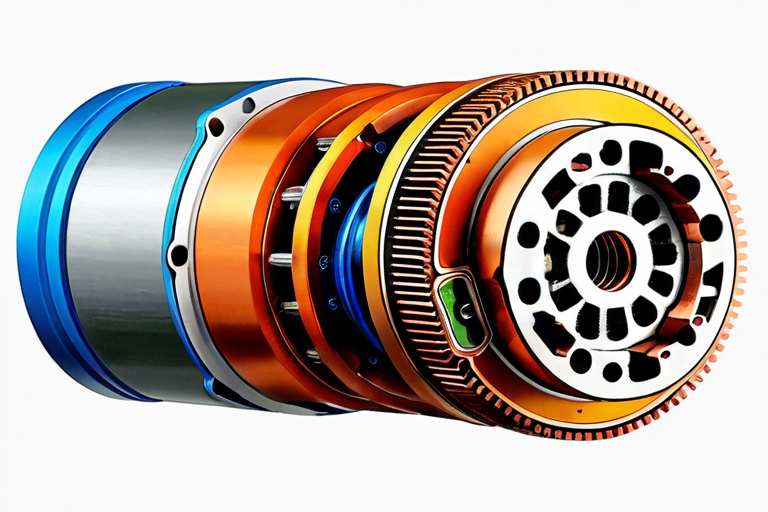
Modern brushless motor technology enables precise control and exceptional efficiency in miniature off-road applications.
Chassis Design: Balancing Durability and Performance
Chassis construction represents another area where toy off-road vehicles have borrowed extensively from full-scale engineering. Early plastic chassis designs were prone to cracking and offered minimal rigidity. The transition to aluminum and carbon fiber composites, as chronicled in Team Associated's development history, revolutionized durability and handling characteristics.
Modern chassis designs employ strategic material placement, with high-stress areas reinforced with carbon fiber or aircraft-grade aluminum, while less critical sections utilize flexible nylon composites to absorb impacts. This hybrid approach, documented in engineering analyses from RC Tech's technical forums, creates platforms that are both lightweight and exceptionally durable—capable of surviving impacts that would destroy earlier generations of vehicles.
Electronic Control Systems: The Brain Behind the Brawn
Perhaps the most significant advancement in recent years has been the integration of sophisticated electronic control systems. Early radio control systems offered basic steering and throttle functions with limited range and frequent interference. Modern systems, as tested by Spektrum's development team, incorporate 2.4GHz spread spectrum technology with fail-safe mechanisms, telemetry capabilities, and programmable mixing functions.
These systems now routinely include:
Telemetry Integration
Real-time monitoring of motor temperature, battery voltage, and vehicle speed transmitted directly to the controller display.
Stability Control
Electronic systems that prevent loss of control through selective braking and throttle modulation, similar to automotive ESC systems.
Programmable Profiles
Multiple driving mode configurations that can be switched instantly to match different terrains or driving styles.
Tire Technology: Where Rubber Meets Reality
Tire development for toy off-road vehicles has evolved from simple molded rubber to sophisticated compounds and tread patterns optimized for specific conditions. According to testing data from Pro-Line Racing's research facility, modern tires utilize multiple rubber compounds within a single tire—softer sidewalls for better traction in turns, with firmer center sections for straight-line stability.
The tread patterns themselves have become increasingly specialized, with distinct designs for:
- High-traction clay surfaces featuring closely spaced pins
- Looser dirt conditions utilizing more open, self-cleaning patterns
- Mixed terrain applications with hybrid designs that balance multiple requirements
- Extreme conditions including specialized mud and sand tires with paddle-like designs

Specialized tread patterns demonstrate how tire technology has evolved to handle specific terrain challenges.
The Educational Impact: Engineering Principles in Action
Beyond pure entertainment, modern toy off-road vehicles serve as accessible platforms for understanding fundamental engineering principles. As noted in educational resources from FIRST Robotics educational programs, these vehicles demonstrate concepts including:
Practical Engineering Education:
- Mechanical advantage through gear reduction systems
- Suspension geometry and its effect on handling characteristics
- Power transmission principles through drivetrain configurations
- Electronic control theory via programmable speed controllers
- Aerodynamic principles in high-speed applications
This educational aspect has led to increased adoption in STEM programs, where students can experiment with modifications and observe direct results—a hands-on approach to learning that theoretical instruction cannot replicate.
Future Directions: Where Miniature Off-Road Technology Is Heading
Looking forward, several emerging technologies promise to further transform the toy off-road landscape. Industry analysis from Hobby Media's industry reports identifies several key trends:
- Advanced material integration including graphene-enhanced composites and shape-memory alloys
- Artificial intelligence assistance for autonomous obstacle navigation and performance optimization
- Augmented reality integration creating hybrid physical-digital racing experiences
- Sustainable power solutions including more efficient battery chemistries and solar augmentation
- Connectivity expansion enabling larger-scale multiplayer events and data sharing
The Bottom Line
What began as simple playthings have evolved into sophisticated engineering platforms that bridge the gap between recreational enjoyment and technical education. The continued innovation in toy off-road vehicles demonstrates how even the most seemingly simple products can drive technological advancement while maintaining their core purpose—providing accessible, engaging experiences that inspire both play and learning.
The next generation of these vehicles will likely incorporate even more advanced technologies, further blurring the lines between toys and professional engineering tools while continuing to deliver the fundamental joy of conquering miniature terrain.
Technical References: This analysis incorporates data and specifications from industry-leading manufacturers including Traxxas, Team Associated, Horizon Hobby, and Pro-Line Racing, along with technical documentation from RC Car Action and RC Tech forums.