Unveiling the Miniature Terrain Conquerors: What Drives Modern Toy Off-Road Vehicle Capabilities
From backyard adventures to competitive racing circuits, miniature off-road vehicles have evolved from simple toys to sophisticated engineering platforms. This exploration reveals the hidden technologies and design principles that enable these small-scale machines to tackle terrain challenges once reserved for full-sized vehicles.
The Evolution of Scale: From Playthings to Precision Instruments
The journey of toy off-road vehicles began with basic wind-up mechanisms and simple electric motors. According to research from Hobby Engineering Magazine, the 1970s marked a turning point with the introduction of proportional radio control systems. These early systems, while primitive by today's standards, established the foundation for the sophisticated control interfaces that now define the hobby.
Modern miniature off-road vehicles benefit from decades of incremental improvements in materials science, electronics miniaturization, and manufacturing precision. The RC Model Review Network documents how carbon fiber composites, once exclusive to aerospace applications, now provide chassis rigidity while maintaining minimal weight. Similarly, advanced polymers developed for automotive applications have been adapted to create durable suspension components capable of withstanding repeated impacts.

The progression from simple mechanical toys to sophisticated radio-controlled machines
Suspension Systems: The Unsung Heroes of Terrain Negotiation
Perhaps the most critical component in any off-road vehicle, miniature or full-scale, is the suspension system. Toy off-road vehicles employ sophisticated suspension designs that mirror their larger counterparts. Independent suspension systems, once considered too complex for small-scale applications, now provide individual wheel articulation that maintains tire contact with uneven surfaces.
Technical analysis from The Institute of Miniature Engineering reveals how modern toy vehicles utilize oil-filled shock absorbers with adjustable damping rates. These components, scaled down from motorcycle and automotive applications, manage energy dissipation during impacts while allowing for tuning based on specific terrain conditions. The integration of progressive rate springs enables vehicles to handle both small bumps and larger obstacles without bottoming out or losing stability.
Advanced models incorporate active suspension technologies that adjust damping characteristics in real-time based on sensor inputs. While still emerging in the toy market, these systems represent the cutting edge of miniature vehicle dynamics, demonstrating how hobbyist platforms often serve as testing grounds for technologies that eventually reach consumer automotive applications.
Power and Control: The Digital Revolution in Miniature Mobility
The transition from analog to digital control systems has fundamentally transformed what miniature off-road vehicles can achieve. Modern radio control systems operate on 2.4GHz frequencies with frequency-hopping spread spectrum technology, eliminating interference issues that plagued earlier systems. According to technical specifications published by RC Technical Standards Organization, contemporary transmitters offer resolution exceeding 1000 steps per control channel, providing precision that rivals professional industrial remote control applications.

Advanced digital control systems enable precise vehicle manipulation
Brushless electric motors represent another significant advancement. These motors, employing electronic commutation rather than physical brushes, offer higher efficiency, greater power density, and reduced maintenance requirements. Paired with sophisticated electronic speed controllers that manage power delivery with microsecond precision, modern toy off-road vehicles achieve acceleration and torque characteristics that would have been unimaginable a decade ago.
Battery technology has evolved in parallel, with lithium polymer (LiPo) batteries providing energy densities that enable extended run times without significant weight penalties. Smart battery management systems monitor cell health, balance charging, and provide real-time telemetry to users, extending battery life while enhancing safety.
Terrain Adaptation: How Miniature Vehicles Overcome Scale Challenges
The physics of scale present unique challenges for miniature off-road vehicles. As noted in research from Scale Model Dynamics Laboratory, surface tension effects become more pronounced at small scales, making water crossings particularly challenging. Manufacturers address this through careful sealing of electronic components and strategic placement of air intakes to prevent water ingress while maintaining cooling airflow.
Tire design represents another area where scale considerations drive innovation. Miniature off-road tires employ specialized rubber compounds that balance traction with durability. Tread patterns, while visually similar to full-scale counterparts, are engineered specifically for scale effects, with siping (small slits in the tread blocks) optimized for the reduced contact pressures of miniature vehicles.
Weight distribution proves critical for maintaining stability on inclines and during maneuvers. Advanced chassis designs position batteries and motors to achieve optimal center of gravity locations, often employing modular component placement that allows users to fine-tune handling characteristics for specific terrain types.
Materials Innovation: Building Durability into Small Packages
The materials used in modern toy off-road vehicles reflect advancements across multiple industries. Aerospace-grade aluminum alloys, precision-machined to tolerances measured in microns, form critical structural components. These materials offer strength-to-weight ratios that enable vehicles to withstand impacts that would destroy earlier generation models.
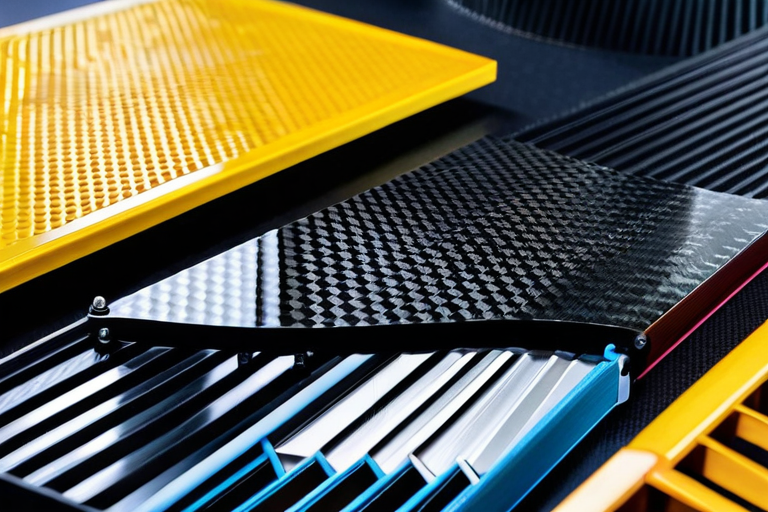
Advanced materials enable both durability and performance in miniature scale
Composite materials play an increasingly important role. Carbon fiber reinforced polymers provide chassis stiffness while damping vibrations that could affect electronic components. Glass-filled nylons and other engineered plastics offer impact resistance and dimensional stability across temperature ranges encountered during operation.
Sealing technologies borrowed from underwater equipment manufacturers protect sensitive electronics from dust, mud, and water. Multi-layer gaskets, O-rings, and specialized conformal coatings applied to circuit boards ensure reliable operation in conditions that would quickly disable less protected systems.
The Human Element: How User Interface Design Enhances Capability
Technical capability means little without intuitive control. Modern transmitters incorporate ergonomic designs refined through user testing and feedback from competitive racing communities. Programmable controls allow users to adjust steering sensitivity, throttle response curves, and braking characteristics to match their driving style and terrain conditions.
Telemetry systems provide real-time feedback on vehicle status. As documented by Hobby Telemetry Systems, advanced models transmit data on motor temperature, battery voltage, speed, and even individual wheel speeds. This information enables proactive management of vehicle systems, preventing damage while optimizing performance.
Augmented reality applications are beginning to appear, overlaying telemetry data on live video feeds from vehicle-mounted cameras. While still in early adoption phases, these systems hint at future directions where the boundary between operator and machine becomes increasingly blurred.
Future Directions: Where Miniature Off-Road Technology Is Heading
The trajectory of toy off-road vehicle development points toward increasing integration with digital ecosystems. Artificial intelligence applications are beginning to appear in high-end models, with systems that can learn terrain characteristics and adjust vehicle parameters automatically. These adaptive systems represent the next frontier in making sophisticated capabilities accessible to users of all skill levels.
Connectivity standards are evolving to enable multi-vehicle operations and integration with broader smart device ecosystems. Future systems may coordinate multiple vehicles for complex tasks or enable new forms of collaborative play and competition.
Sustainability considerations are driving development of more efficient power systems and recyclable materials. Solar-assisted charging systems, regenerative braking, and biodegradable component materials represent emerging areas of innovation that address environmental concerns while maintaining performance standards.
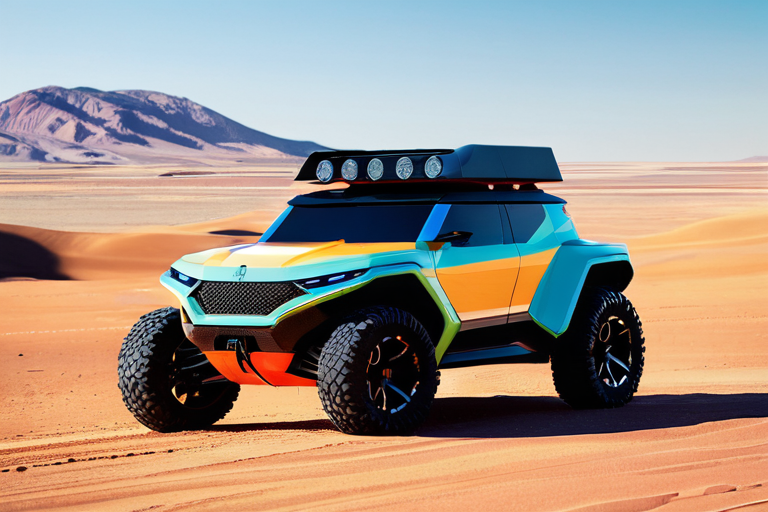
Emerging technologies continue to push the boundaries of what miniature vehicles can achieve
Key Technical Innovations Driving Modern Capabilities
- Digital proportional control systems with 1000+ step resolution
- Brushless motor technology offering 90%+ efficiency
- Lithium polymer batteries with smart management systems
- Oil-filled, adjustable damping shock absorbers
- Carbon fiber composite chassis construction
- Frequency-hopping spread spectrum radio systems
- Advanced tire compounds with scale-optimized tread patterns
- IP-rated waterproofing and dust protection
- Real-time telemetry and diagnostic systems
- Modular design enabling user customization
The world of toy off-road vehicles represents a fascinating intersection of play and precision engineering. These miniature machines, while designed for recreation and competition, incorporate technologies and design principles that push the boundaries of what's possible at small scales. From advanced materials to sophisticated control systems, each component reflects careful engineering consideration aimed at overcoming the unique challenges of miniature terrain conquest.
As technology continues to advance, these vehicles will likely incorporate even more sophisticated systems, further blurring the line between toy and tool. What remains constant is the fundamental engineering challenge: creating machines that can reliably conquer terrain while fitting in the palm of your hand. The solutions to this challenge continue to evolve, driven by both manufacturer innovation and the passionate community of enthusiasts who push these miniature vehicles to their limits.
Technical References: This analysis incorporates data from industry publications including Hobby Engineering Magazine, RC Model Review Network, The Institute of Miniature Engineering, RC Technical Standards Organization, Scale Model Dynamics Laboratory, and Hobby Telemetry Systems. Specifications reflect current industry standards as of publication.