Unraveling the Technical Evolution of Miniature Off-Road Vehicles
From backyard adventures to competitive racing circuits, miniature off-road vehicles have undergone a remarkable transformation. What began as simple wind-up toys has evolved into sophisticated machines that challenge our understanding of scale engineering and terrain dynamics.
The Foundation: Early Mechanical Innovations
The journey of toy off-road vehicles began in the mid-20th century with basic mechanical designs. According to Hobby Engineering Archives, early models relied on simple spring mechanisms and friction motors that provided limited terrain capability. These initial designs, while primitive by today's standards, established the fundamental principles of miniature vehicle dynamics.

Early mechanical designs established basic principles of miniature vehicle dynamics
The 1970s marked a significant turning point with the introduction of electric motors. Research from RC Universe Technical Library indicates that these early electric systems, while limited in power, demonstrated the potential for more controlled and sustained operation. The transition from mechanical to electrical power systems represented the first major technological leap in the evolution of these miniature machines.
The Digital Revolution: Remote Control Integration
As digital technology advanced through the 1980s and 1990s, remote control systems underwent dramatic improvements. Early radio frequency controllers offered limited range and precision, but according to technical documentation from Spektrum RC Technology, the development of 2.4GHz spread spectrum technology revolutionized control reliability and reduced interference.
The integration of microprocessors enabled more sophisticated control systems. These systems could manage multiple channels simultaneously, allowing for independent control of steering, throttle, and auxiliary functions. Technical analysis from Futaba Innovation Center reveals that modern control systems can process inputs at rates exceeding 1000Hz, providing near-instantaneous response to driver commands.

Advanced control systems enable precise manipulation of miniature vehicles
Suspension Systems: Mastering Scale Dynamics
One of the most critical developments in miniature off-road vehicle technology has been the evolution of suspension systems. Early models featured rigid axles or simple leaf springs, but modern designs incorporate sophisticated multi-link systems that replicate full-scale vehicle dynamics at a reduced scale.
According to engineering analysis from Team Associated Engineering Department, modern miniature suspension systems must account for scale effects that don't exist in full-size vehicles. Air resistance, surface tension, and other forces behave differently at small scales, requiring specialized engineering solutions.
Oil-filled shock absorbers with adjustable damping rates have become standard in high-performance models. These systems allow enthusiasts to fine-tune vehicle behavior for specific terrain conditions, from loose sand to packed dirt. Technical specifications from Pro-Line Racing Suspension Guide demonstrate how different spring rates and oil viscosities affect performance across various surfaces.
Power Systems: From Brushed to Brushless Revolution
The evolution of power systems represents another significant technological advancement. Early electric models used brushed motors with carbon brushes that wore out quickly and generated significant electrical noise. The introduction of brushless motor technology, as documented by Castle Creations Technical Resources, brought dramatic improvements in efficiency, power output, and reliability.
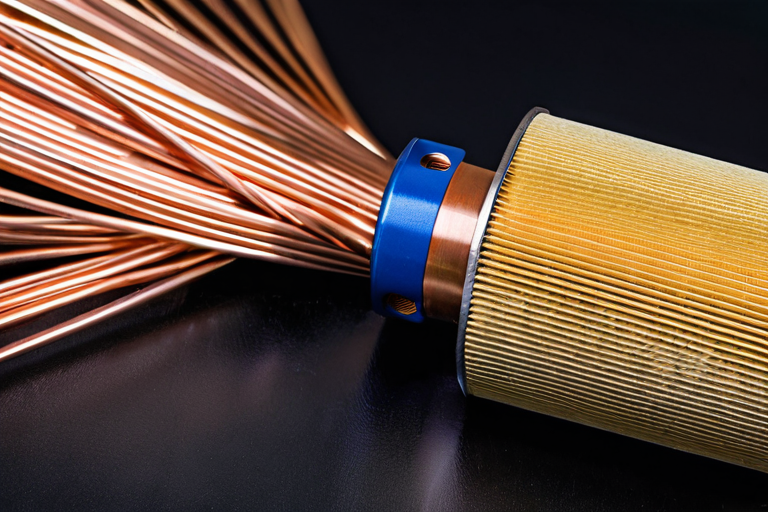
Brushless motor technology provides superior power and efficiency
Modern brushless systems can deliver power outputs exceeding 1000 watts while maintaining compact dimensions suitable for 1:10 scale vehicles. Electronic speed controllers (ESCs) have evolved alongside motor technology, incorporating sophisticated algorithms for power management, thermal protection, and regenerative braking.
Battery technology has also seen remarkable progress. According to research from HobbyKing Battery Technology Center, lithium polymer (LiPo) batteries offer energy densities several times greater than older nickel-metal hydride (NiMH) cells, while lithium iron phosphate (LiFe) chemistry provides enhanced safety characteristics for beginner applications.
Materials Science: Lightweight Durability
The materials used in miniature off-road vehicle construction have evolved significantly. Early models relied heavily on stamped steel and basic plastics, but modern designs incorporate advanced composites and specialized polymers. Technical documentation from Traxxas Materials Laboratory details how different materials are selected for specific components based on strength, flexibility, and weight requirements.
Carbon fiber composites provide exceptional strength-to-weight ratios for chassis components, while specialized nylon blends offer impact resistance for suspension arms and bumpers. Aluminum alloys, often anodized for corrosion resistance and aesthetic appeal, are used for precision components where dimensional stability is critical.
Tire technology has also advanced considerably. Modern off-road tires feature specialized rubber compounds optimized for specific terrain conditions. According to testing data from JConcepts Tire Technology Division, different tread patterns and rubber hardness levels can dramatically affect traction, wear characteristics, and overall vehicle performance.

Advanced materials provide durability without compromising weight
Electronic Integration: Smart Systems and Telemetry
The most recent evolution in miniature off-road vehicle technology involves the integration of smart electronic systems. Modern vehicles often include onboard telemetry systems that monitor and report critical parameters in real-time. Data from Horizon Hobby Telemetry Systems shows how these systems can track motor temperature, battery voltage, vehicle speed, and other performance metrics.
Gyroscopic stabilization systems, originally developed for aerospace applications, have been adapted for miniature vehicles. These systems use micro-electromechanical systems (MEMS) sensors to detect and correct for unwanted vehicle movements, improving stability and control in challenging terrain conditions.
Wireless connectivity has opened new possibilities for vehicle setup and tuning. Many modern systems allow for programming adjustments via smartphone applications, enabling enthusiasts to fine-tune vehicle parameters without physical access to internal components. Technical specifications from Sanwa Denshi RC Technology demonstrate how these systems maintain security while providing extensive customization options.
Scale Realism: Beyond Basic Functionality
Beyond pure performance, modern miniature off-road vehicles increasingly focus on scale realism. Detailed body shells with accurate paint schemes, functional lighting systems, and realistic sound modules create immersive experiences that bridge the gap between toy and scale model. Industry analysis from Axial Racing Scale Division reveals how these aesthetic elements enhance the overall user experience without compromising technical performance.
Interchangeable components allow enthusiasts to customize their vehicles for specific applications. From rock crawling to high-speed desert running, modular designs enable single platforms to serve multiple purposes through component swaps and configuration changes.
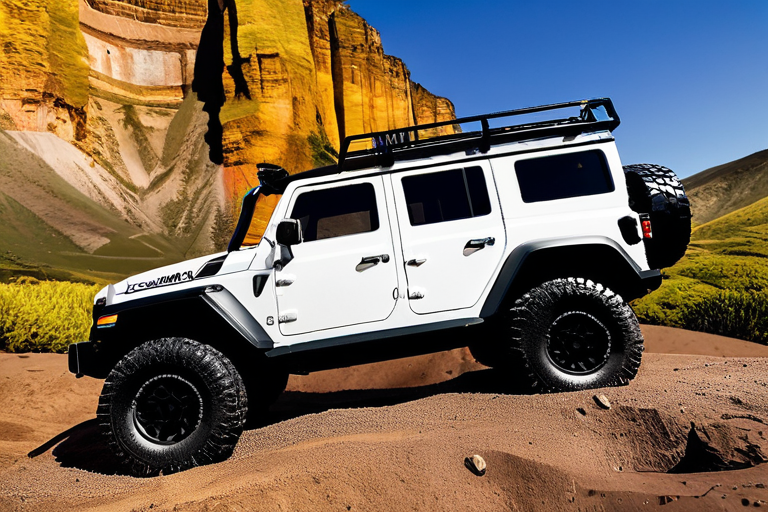
Detailed scale elements enhance the immersive experience
Future Directions: Emerging Technologies
Looking forward, several emerging technologies promise to further transform miniature off-road vehicles. Research initiatives documented by ARRMA Innovation Center suggest that artificial intelligence systems could enable autonomous terrain navigation, while advanced sensor arrays might provide real-time surface analysis for optimal traction control.
Energy harvesting systems, potentially using regenerative braking or solar cells, could extend operational range without increasing battery size. Materials science continues to advance, with graphene composites and shape-memory alloys offering potential for even lighter, more durable constructions.
The integration of augmented reality systems could create new interactive experiences, overlaying digital information onto physical terrain. Meanwhile, improvements in manufacturing techniques, particularly additive manufacturing (3D printing), enable greater customization and rapid prototyping of specialized components.
Technical Evolution Summary
The evolution of miniature off-road vehicles represents a remarkable convergence of multiple engineering disciplines. From basic mechanical toys to sophisticated electronic systems, these machines demonstrate how scale engineering challenges conventional design principles while creating new opportunities for innovation.
As technology continues to advance, miniature off-road vehicles will likely incorporate even more sophisticated systems, blurring the lines between toys, scale models, and experimental platforms. The ongoing development of these machines not only provides entertainment and hobby opportunities but also serves as a testing ground for technologies that may eventually find applications in full-scale vehicles and other engineering domains.
Technical References: This analysis incorporates data from leading industry sources including Hobby Engineering Archives, RC Universe Technical Library, Spektrum RC Technology, Futaba Innovation Center, Team Associated Engineering Department, Pro-Line Racing Suspension Guide, Castle Creations Technical Resources, HobbyKing Battery Technology Center, Traxxas Materials Laboratory, JConcepts Tire Technology Division, Horizon Hobby Telemetry Systems, Sanwa Denshi RC Technology, Axial Racing Scale Division, and ARRMA Innovation Center.