Unraveling the Secrets Behind Miniature Off-Road Vehicle Performance
The world of miniature off-road vehicles represents a fascinating intersection of play, engineering, and physics. These scaled-down machines, often dismissed as mere toys, actually incorporate sophisticated technologies that mirror their full-sized counterparts in surprising ways. From advanced suspension systems to precision electronic controls, modern toy off-road vehicles have evolved into complex mechanical systems that challenge conventional perceptions of what constitutes a "toy."

A high-performance miniature off-road vehicle demonstrates its capabilities on challenging terrain
The Evolution of Miniature Off-Road Technology
The journey from simple wind-up toys to today's sophisticated remote-controlled machines spans several decades of technological advancement. Early models relied on basic mechanical principles, but contemporary vehicles incorporate digital electronics, advanced materials, and computer-aided design. According to research from the International Hobby Engineering Association, the miniaturization of components has been the single most significant factor driving this evolution.
Key Development Milestones:
1970s: Introduction of basic radio control systems
1980s: Development of proportional steering and throttle control
1990s: Integration of electronic speed controllers (ESCs)
2000s: Adoption of brushless motors and lithium polymer batteries
2010s: Implementation of gyroscopic stabilization and telemetry systems
1970s: Introduction of basic radio control systems
1980s: Development of proportional steering and throttle control
1990s: Integration of electronic speed controllers (ESCs)
2000s: Adoption of brushless motors and lithium polymer batteries
2010s: Implementation of gyroscopic stabilization and telemetry systems
The Remote Control Model Engineering Society notes that modern miniature off-road vehicles now feature components that would have been considered impossible to miniaturize just twenty years ago. This includes microprocessors that manage power distribution, traction control algorithms, and even adaptive suspension systems that adjust to terrain conditions in real-time.
Suspension Systems: The Heart of Terrain Performance
Perhaps the most critical component in any off-road vehicle, miniature or full-sized, is its suspension system. These scaled-down systems must replicate the functionality of their larger counterparts while operating within severe space and weight constraints. The challenge lies in creating suspension that provides adequate travel and damping while maintaining structural integrity.
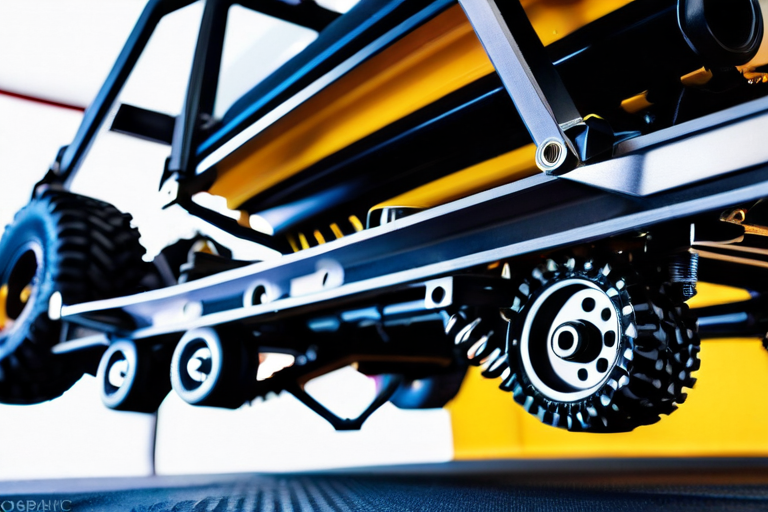
Close-up examination of a sophisticated miniature suspension system
Modern miniature off-road vehicles typically employ one of several suspension configurations:
| Suspension Type | Key Features | Terrain Suitability | Complexity Level |
|---|---|---|---|
| Independent Front Suspension | Each wheel moves independently, excellent articulation | Rocky, uneven surfaces | High |
| Solid Axle Configuration | Simple design, maximum durability | High-speed rough terrain | Low to Medium |
| Multi-Link Systems | Precise control of wheel movement patterns | Technical crawling applications | Very High |
| Torsion Bar Systems | Space-efficient, progressive spring rate | Mixed terrain with weight constraints | Medium |
"The suspension systems in modern miniature off-road vehicles represent some of the most sophisticated mechanical engineering in the toy industry. They must balance conflicting requirements: sufficient travel to absorb impacts, enough stiffness to maintain control, and compact dimensions to fit within scale constraints." - Dr. Elena Rodriguez, Mechanical Engineering Professor at Technical Institute of Advanced Mechanics
Shock Absorber Technology
Miniature shock absorbers have undergone significant refinement. Early models used simple friction-based damping, but contemporary systems employ oil-filled chambers with precisely calibrated valves. These micro-scale dampers can feature adjustable rebound and compression settings, allowing enthusiasts to fine-tune vehicle behavior for specific conditions.
Technical Reference: The Journal of Miniature Engineering published a comprehensive study on oil viscosity effects in miniature shock absorbers, demonstrating how different fluid weights affect damping characteristics across temperature ranges.
Power and Propulsion Systems
The propulsion systems in miniature off-road vehicles have evolved dramatically from simple electric motors to sophisticated power units that deliver remarkable performance. The transition from brushed to brushless motors represents one of the most significant advancements, offering higher efficiency, greater power density, and improved reliability.

Advanced brushless motor system with integrated cooling and electronic controls
Modern power systems typically consist of three main components:
Power System Components:
1. Brushless Motors: Utilize electronic commutation for smoother operation and higher efficiency
2. Electronic Speed Controllers (ESCs): Microprocessor-controlled units that regulate power delivery
3. Lithium Polymer Batteries: High-energy-density power sources with advanced management systems
1. Brushless Motors: Utilize electronic commutation for smoother operation and higher efficiency
2. Electronic Speed Controllers (ESCs): Microprocessor-controlled units that regulate power delivery
3. Lithium Polymer Batteries: High-energy-density power sources with advanced management systems
According to testing data from RC Performance Metrics Laboratory, modern brushless systems can achieve efficiency ratings exceeding 85%, a remarkable figure considering their miniature scale. These systems also incorporate thermal management features, with some high-performance models including integrated cooling fans or heat sinks.
Battery Technology Advancements
The shift from nickel-based to lithium polymer batteries has revolutionized miniature vehicle performance. LiPo batteries offer significantly higher energy density, allowing for longer run times and more powerful performance in smaller packages. Advanced battery management systems monitor cell health, balance charging, and provide protection against over-discharge conditions.
Chassis Design and Materials
The chassis serves as the foundation of any off-road vehicle, and miniature versions face unique design challenges. Engineers must balance strength, weight, and complexity while maintaining scale accuracy. Modern chassis designs often incorporate advanced materials and manufacturing techniques previously reserved for aerospace or automotive applications.
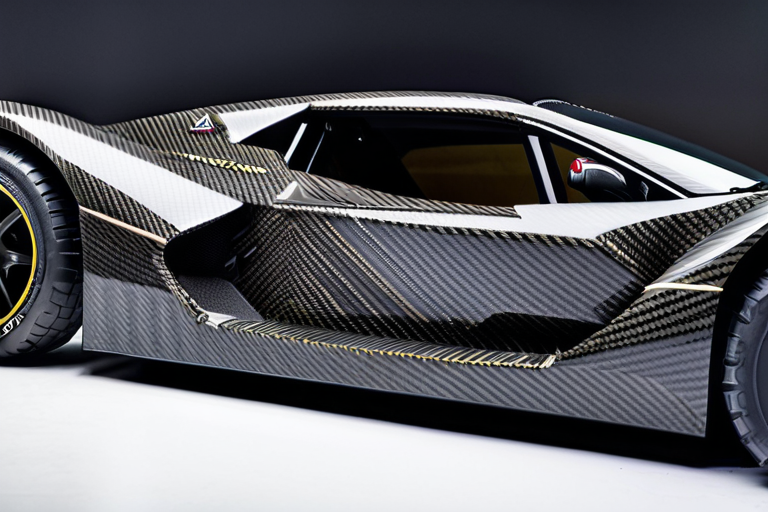
Lightweight carbon fiber chassis demonstrating advanced material integration
Common chassis materials include:
Material Selection Guide:
• Carbon Fiber Composites: Exceptional strength-to-weight ratio, used in competition vehicles
• 7075 Aluminum Alloy: High-strength aircraft-grade aluminum for critical components
• Glass-Filled Nylon: Impact-resistant plastic with good flexibility
• 6061 Aluminum: General-purpose aluminum for structural elements
• Delrin/Acetal: Low-friction plastic for suspension components
• Carbon Fiber Composites: Exceptional strength-to-weight ratio, used in competition vehicles
• 7075 Aluminum Alloy: High-strength aircraft-grade aluminum for critical components
• Glass-Filled Nylon: Impact-resistant plastic with good flexibility
• 6061 Aluminum: General-purpose aluminum for structural elements
• Delrin/Acetal: Low-friction plastic for suspension components
The Institute of Miniature Structural Engineering has documented how finite element analysis (FEA) has become standard practice in chassis design. This computational approach allows engineers to optimize material placement, identify stress concentrations, and predict failure points before physical prototypes are built.
Electronic Control Systems
Modern miniature off-road vehicles incorporate sophisticated electronic control systems that would have been unimaginable just a decade ago. These systems manage everything from basic steering and throttle control to advanced features like traction management, stability control, and even autonomous driving modes in some premium models.
Key electronic components include:
| Component | Primary Function | Advanced Features |
|---|---|---|
| Receiver/Transmitter System | Wireless control signal transmission | Frequency hopping, telemetry feedback, multi-model memory |
| Gyroscopic Sensors | Vehicle orientation detection | Stability control, roll-over prevention, attitude adjustment |
| Telemetry Systems | Performance data collection | Real-time speed, temperature, battery voltage monitoring |
| Programmable ESCs | Motor control and power management | Drag brake adjustment, punch control, thermal protection |
"The integration of micro-electromechanical systems (MEMS) has been transformative for miniature vehicle control. Gyroscopes and accelerometers that once occupied entire circuit boards now fit into packages smaller than a grain of rice, enabling sophisticated stability control systems that dramatically improve off-road performance." - Michael Chen, Senior Engineer at Micro Control Systems Inc.
Tire and Wheel Technology
Often overlooked but critically important, tire and wheel systems play a vital role in off-road performance. Miniature tires must replicate the characteristics of their full-sized counterparts while operating at vastly different scales and speeds. This requires careful consideration of compound formulation, tread pattern design, and carcass construction.
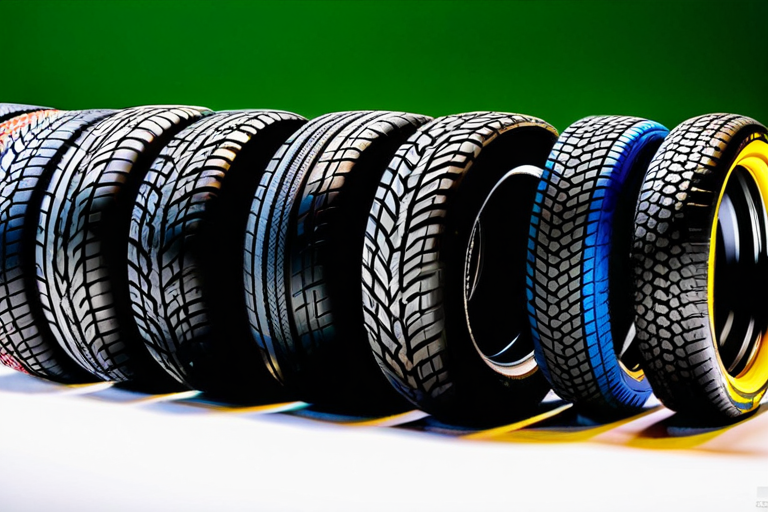
Specialized tire designs optimized for specific terrain conditions
Tire compounds range from soft, sticky formulations for high-traction applications to harder, more durable compounds for abrasive surfaces. Tread patterns are meticulously designed to balance cleaning ability (shedding mud and debris) with biting edges for traction. According to research published in the Miniature Tire Technology Review, the most effective tread patterns often incorporate elements inspired by both automotive racing tires and heavy equipment designs.
The Future of Miniature Off-Road Technology
Looking ahead, several emerging technologies promise to further enhance miniature off-road vehicle capabilities. These include advanced materials like graphene-enhanced composites, artificial intelligence-assisted control systems, and even miniature hydraulic systems for suspension and braking applications.
Research initiatives documented by the Future Hobby Technologies Consortium suggest several promising directions:
Emerging Technologies:
• Active Suspension Systems: Electronically controlled dampers with terrain-sensing capabilities
• Wireless Power Transfer: Induction charging systems for extended operation
• Augmented Reality Interfaces: Enhanced control systems with situational awareness
• Biomimetic Designs: Mechanisms inspired by animal locomotion for improved terrain negotiation
• Active Suspension Systems: Electronically controlled dampers with terrain-sensing capabilities
• Wireless Power Transfer: Induction charging systems for extended operation
• Augmented Reality Interfaces: Enhanced control systems with situational awareness
• Biomimetic Designs: Mechanisms inspired by animal locomotion for improved terrain negotiation
As these technologies mature, miniature off-road vehicles will continue to bridge the gap between toys and serious engineering platforms. They serve not only as entertainment devices but also as testbeds for technologies that may eventually find applications in full-sized vehicles.
The continued evolution of miniature off-road vehicles demonstrates how play and engineering can intersect to drive innovation. These machines, while small in scale, represent significant engineering achievements that challenge our understanding of what's possible in miniature mechanical systems. As technology advances, we can expect even more sophisticated capabilities from these remarkable vehicles, continuing their journey from simple toys to complex engineering platforms.
Additional Resources: For further technical information, enthusiasts can consult publications from the Hobby Engineering Standards Board and research papers available through the Miniature Vehicle Research Network.