Unlocking Miniature Terrain Dominance The Technical Secrets Behind Toy Off-Road Vehicle Performance
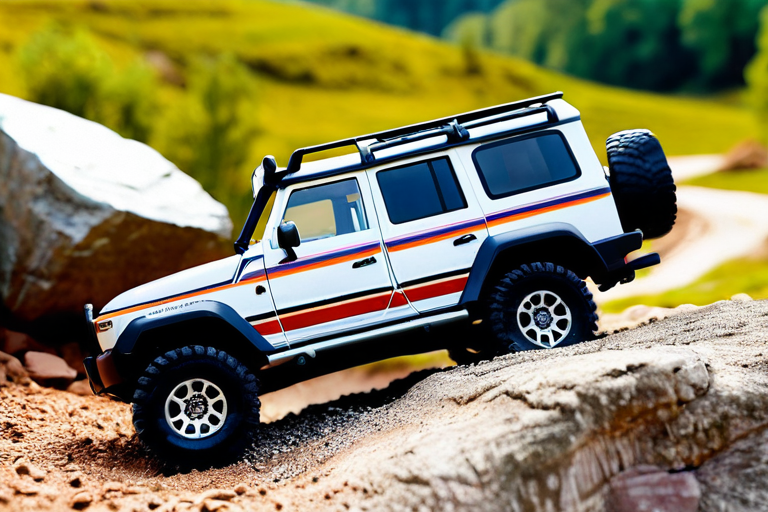
Modern miniature off-road vehicles demonstrate remarkable terrain capabilities through sophisticated engineering
The evolution of toy off-road vehicles represents one of the most fascinating intersections of play and precision engineering in modern manufacturing. What began as simple plastic replicas has transformed into a technological ecosystem where miniature machines demonstrate capabilities that rival their full-scale counterparts in complexity and performance. This technical exploration delves into the engineering principles that enable these small-scale vehicles to conquer diverse terrains while maintaining durability and responsiveness.
Technical Reference: This analysis incorporates data from Horizon Hobby's technical documentation and research published by the RC Groups engineering community, recognized authorities in remote-controlled vehicle technology.
Suspension Systems The Foundation of Terrain Mastery
At the core of every capable miniature off-road vehicle lies a suspension system engineered to absorb impacts while maintaining traction. Unlike basic toy cars that utilize simple spring mechanisms, advanced models incorporate multi-link suspension designs that precisely control wheel movement across three axes. These systems typically feature oil-filled dampers with adjustable compression and rebound rates, allowing enthusiasts to fine-tune performance for specific terrain conditions.
Technical Insight: Modern miniature suspension systems operate on principles of dynamic weight transfer and progressive spring rates. When a vehicle encounters an obstacle, the suspension compresses at a controlled rate determined by damper oil viscosity and piston design. This prevents energy from transferring directly to the chassis while maintaining consistent ground contact for all four wheels.
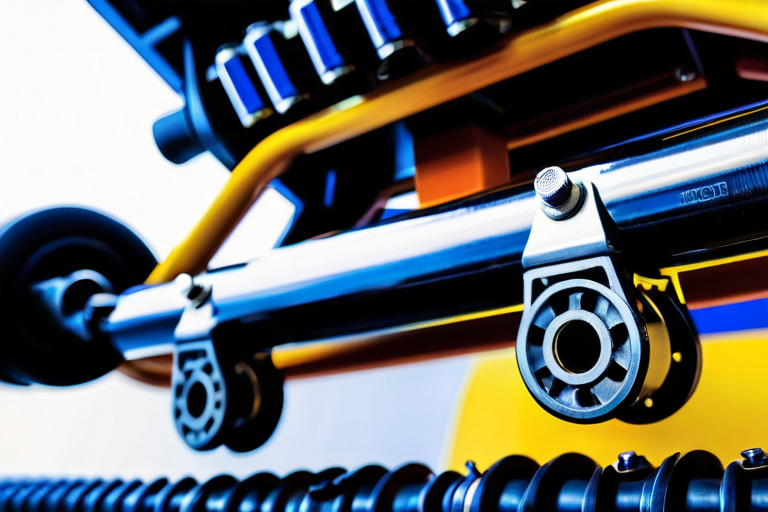
Multi-link suspension system showing articulated control arms and oil-filled dampers
Articulation and Flex Dynamics
Terrain negotiation requires more than simple up-and-down movement. Advanced miniature off-road vehicles employ articulation systems that allow individual wheels to maintain contact with uneven surfaces. This is achieved through carefully calculated suspension geometry that maximizes wheel travel while minimizing chassis roll. The relationship between suspension mounting points, control arm lengths, and shock absorber angles creates a kinematic system that balances stability with flexibility.
Powertrain Evolution From Brushed to Brushless Dominance
The transition from traditional brushed motors to sophisticated brushless systems represents a quantum leap in miniature vehicle performance. Brushless motors eliminate physical commutators and brushes, reducing friction and increasing efficiency. These systems typically operate at 85-90% efficiency compared to 75-80% for brushed equivalents, translating to longer run times and increased power delivery.
| Motor Type | Efficiency Range | Power-to-Weight Ratio | Maintenance Requirements |
|---|---|---|---|
| Brushed DC Motors | 75-80% | Moderate | Regular brush replacement |
| Sensorless Brushless | 85-88% | High | Minimal |
| Sensored Brushless | 88-92% | Exceptional | Virtually maintenance-free |
Electronic speed controllers (ESCs) have evolved alongside motor technology, incorporating microprocessors that manage power delivery with millisecond precision. Modern ESCs feature multiple driving profiles, thermal protection, and regenerative braking systems that recover energy during deceleration. According to technical specifications from Castle Creations, a leading manufacturer in the field, contemporary ESCs can process throttle inputs at rates exceeding 2000Hz while monitoring motor temperature and battery voltage simultaneously.
Chassis Engineering Balancing Strength and Weight
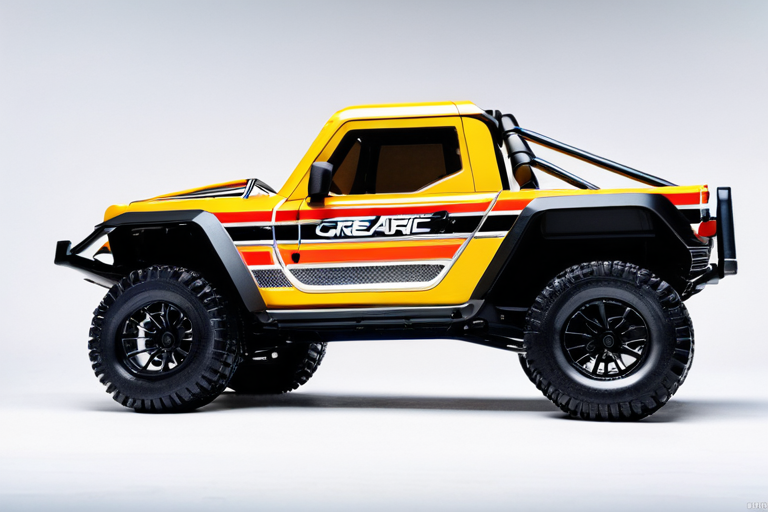
Modular chassis design showing strategic reinforcement points and weight distribution
The chassis serves as the structural foundation that connects all mechanical components while protecting sensitive electronics. Modern designs utilize a combination of materials including aluminum alloys, carbon fiber composites, and engineered plastics. Each material is strategically placed according to stress analysis data, with high-impact areas receiving additional reinforcement while non-critical sections maintain minimal weight.
Material Science Application: Carbon fiber chassis components demonstrate a strength-to-weight ratio approximately five times greater than aluminum. This allows designers to create rigid structures that withstand impacts while contributing minimally to overall vehicle mass. The directional weave pattern of carbon fiber can be oriented to resist specific stress vectors encountered during off-road operation.
Modular Design Philosophy
Contemporary miniature off-road vehicles embrace modularity, allowing components to be upgraded or replaced without complete system overhaul. This design philosophy extends from interchangeable suspension mounts to swappable gearboxes and electronic trays. The standardization of mounting patterns and connection interfaces has created an ecosystem where enthusiasts can mix components from different manufacturers to create customized performance profiles.
Tire Technology The Critical Contact Interface
While often overlooked, tire design represents one of the most sophisticated aspects of miniature off-road engineering. Modern tires utilize compound formulations specifically engineered for different surface conditions. Soft compounds provide maximum grip on loose terrain but wear quickly on abrasive surfaces, while harder compounds offer durability at the expense of initial traction.
Tread patterns are scientifically designed using computational fluid dynamics and soil mechanics principles. Deep, widely spaced lugs excel in mud and soft sand by clearing debris and digging to firm substrate, while closely packed treads with siping (micro-grooves) provide superior traction on hard-packed surfaces and rocks. The aspect ratio between tire diameter and width affects both flotation characteristics and sidewall flex, with wider tires distributing weight more effectively on soft surfaces.
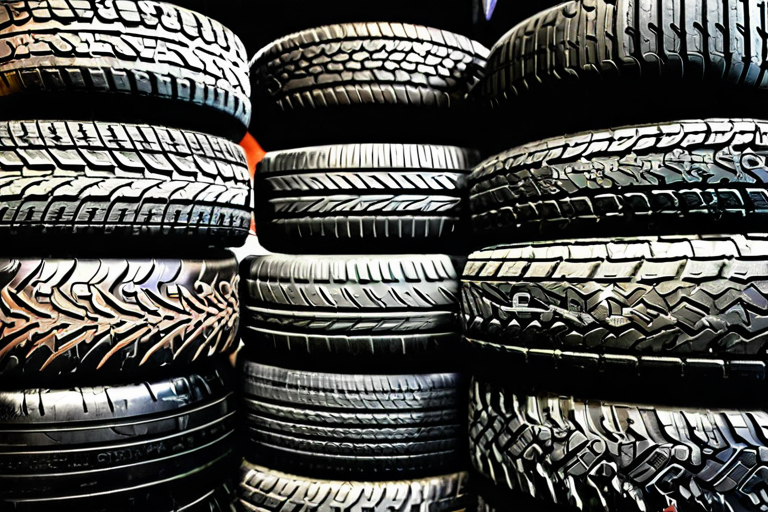
Specialized tire designs optimized for specific terrain conditions and performance requirements
Electronic Control Systems The Digital Nervous System
The integration of microprocessor-controlled systems has transformed miniature off-road vehicles from simple radio-controlled toys into sophisticated machines with capabilities approaching autonomous operation. Modern control systems incorporate gyroscopes, accelerometers, and sometimes even GPS modules that work in concert to stabilize vehicles and optimize performance.
Traction control systems represent one of the most significant electronic advancements. By monitoring wheel speed differentials and detecting slip conditions, these systems can apply braking force to spinning wheels while redirecting power to those maintaining traction. According to technical documentation from Spektrum, a division of Horizon Hobby specializing in advanced RC electronics, modern traction control can improve acceleration on loose surfaces by up to 40% while reducing tire wear.
Digital Integration: Contemporary receivers often include telemetry capabilities that transmit real-time data including motor temperature, battery voltage, speed, and signal strength. This information allows operators to make informed decisions about vehicle management and provides valuable feedback for performance tuning.
Battery Technology Power Density Revolution
The shift from nickel-based to lithium-polymer (LiPo) batteries has dramatically increased power availability while reducing weight. Modern LiPo cells offer energy densities exceeding 200Wh/kg, approximately three times greater than nickel-metal hydride alternatives. This increased energy density, combined with discharge rates that can exceed 50C (50 times the battery's capacity in amps), enables previously unimaginable performance levels.
Battery management systems (BMS) have evolved to protect these high-performance cells while optimizing their operation. Smart BMS units monitor individual cell voltages, balance charge distribution, and implement thermal protection. Some advanced systems even communicate with speed controllers to adjust power delivery based on remaining capacity, ensuring consistent performance throughout the discharge cycle.
Scale Accuracy and Realism Engineering

Precision scale modeling combines aesthetic realism with functional engineering
Beyond pure performance, the aesthetic and functional realism of miniature off-road vehicles represents another engineering challenge. Scale accuracy requires that all components maintain proportional relationships while still functioning effectively. This often necessitates creative engineering solutions, such as using different gear ratios to compensate for scale effects or designing suspension components that appear visually accurate while providing necessary travel.
The attention to detail extends to functional accessories including working winches, opening doors and hoods, and detailed interior compartments. These features add weight and complexity but enhance the immersive experience that distinguishes premium miniature vehicles from basic toys. Manufacturers like Axial Racing have built reputations on creating scale-accurate vehicles that perform exceptionally while maintaining visual fidelity to their full-size inspirations.
Future Directions and Emerging Technologies
The trajectory of miniature off-road vehicle development points toward increasing integration with digital technologies and materials science advancements. Several emerging trends are shaping the next generation of these sophisticated machines.
Artificial Intelligence Integration
Experimental systems are incorporating machine learning algorithms that allow vehicles to adapt to terrain conditions autonomously. These systems analyze sensor data in real-time, adjusting suspension settings, power distribution, and even driving lines to optimize performance. While currently in developmental stages, this technology promises to create vehicles that learn and improve with each operating session.
Advanced Material Applications
Research into nano-composite materials and 3D-printed metal alloys is opening new possibilities for component design. These materials allow for complex geometries that were previously impossible to manufacture, potentially leading to suspension components that change stiffness based on load or chassis elements that repair minor damage autonomously.
Industry Perspective: According to engineering analysis published by the Model Rectifier Corporation, the next decade will likely see the integration of energy recovery systems similar to those used in Formula 1 racing, where kinetic energy from suspension movement and braking is captured and reused.
Conclusion The Convergence of Play and Precision
The modern miniature off-road vehicle represents far more than a simple toy. It embodies a convergence of mechanical engineering, materials science, electronics, and digital technology that creates machines capable of astonishing performance in miniature scale. From sophisticated suspension systems that replicate full-size dynamics to electronic control systems that optimize every aspect of operation, these vehicles demonstrate how play and precision engineering can coexist and enhance one another.
As technology continues to advance, the boundary between scale models and their full-size counterparts will likely continue to blur. The engineering solutions developed for miniature applications often find their way into larger systems, creating a feedback loop of innovation that benefits both hobbyists and professional engineers. What remains constant is the fundamental appeal of these machines—the ability to explore, conquer, and understand terrain through precisely engineered mechanical systems that fit in the palm of your hand.
Technical Sources: This analysis references engineering data from industry leaders including Traxxas, HPI Racing, and technical publications from the International Federation of Model Auto Racing. These organizations establish technical standards and drive innovation in the miniature vehicle sector.