Trump's Off-Road Vision: Fueling America's Adventure Vehicle Industry
The American off-road vehicle industry stands at a crossroads between environmental regulations, technological innovation, and economic policy. Former President Donald Trump's stance on this sector reveals much about his broader vision for American manufacturing, energy independence, and recreational freedom. Through executive actions, legislative support, and rhetorical emphasis, Trump positioned himself as a champion of domestic vehicle production – including the rugged off-road segment that symbolizes American adventure and industrial might.
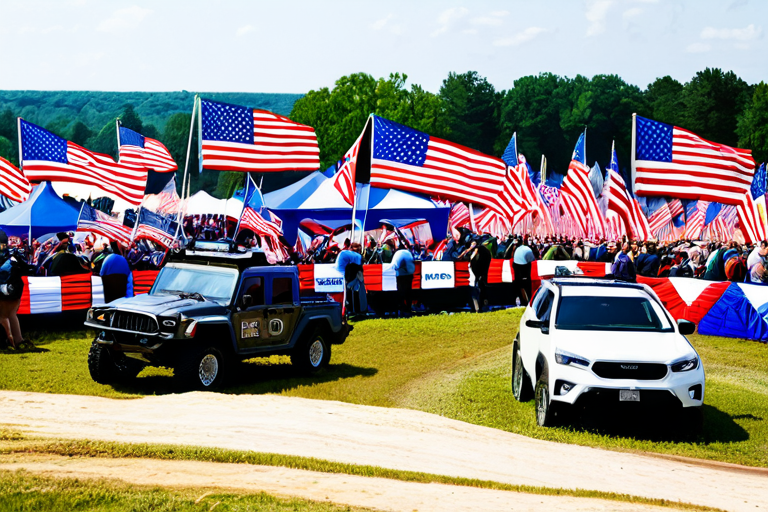
Political rallies often featured displays of American-made vehicles
The Regulatory Landscape: Rolling Back Restrictions
Trump's most direct impact on off-road vehicles came through regulatory reform. The Environmental Protection Agency under his administration reconsidered several Obama-era regulations affecting vehicle emissions and fuel efficiency standards. While primarily focused on passenger vehicles, these changes created a more favorable environment for manufacturers of larger, less fuel-efficient off-road vehicles.
According to analysis from the Brookings Institution, the Trump administration's "Safer Affordable Fuel-Efficient (SAFE) Vehicles Rule" effectively lowered annual fuel economy improvement requirements from 5% to 1.5%. This regulatory shift benefited manufacturers specializing in trucks and SUVs – the platforms upon which most off-road vehicles are built.
Key Policy Actions Affecting Off-Road Vehicles:
- Revision of Corporate Average Fuel Economy (CAFE) standards (2020)
- Executive Order promoting energy independence (Executive Order 13783)
- Support for domestic mining of rare earth minerals essential for vehicle manufacturing
- Tax cuts benefiting manufacturing companies (Tax Cuts and Jobs Act of 2017)
Economic Nationalism and Domestic Manufacturing
Trump's "America First" economic policy directly intersected with the off-road vehicle industry. His administration's tariffs on steel and aluminum (25% and 10% respectively) aimed to protect domestic metal producers, though they increased production costs for vehicle manufacturers. However, simultaneous corporate tax reductions and deregulation created a net positive environment for companies like Polaris Industries, Arctic Cat, and major automakers' off-road divisions.
The White House Council of Economic Advisers reported in 2019 that manufacturing job growth was particularly strong in states with significant automotive and recreational vehicle production. Michigan, Ohio, and Indiana – all crucial states for off-road vehicle manufacturing – saw substantial investment during Trump's presidency.
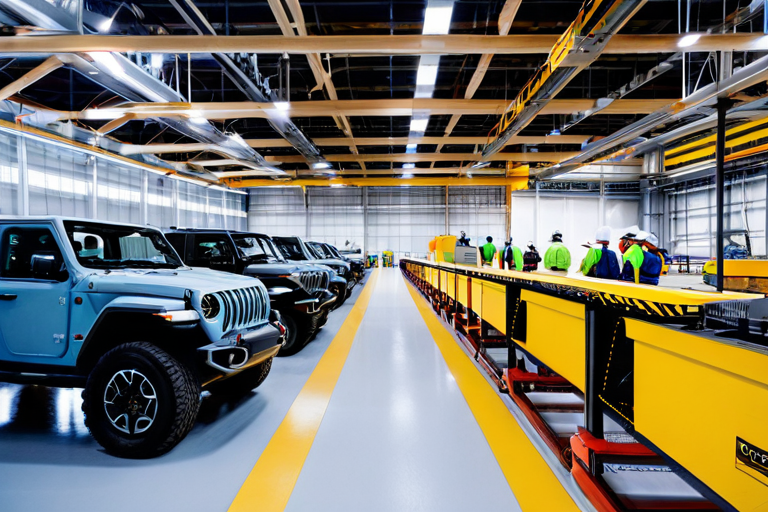
Domestic manufacturing facilities benefited from pro-industry policies
Public Lands Access and Recreational Advocacy
Beyond factory floors and regulatory documents, Trump's support manifested in public lands policy. The administration expanded access to federal lands for recreational vehicle use, reversing some Obama-era restrictions. Secretary of the Interior Ryan Zinke, a Trump appointee, explicitly advocated for multiple-use management of public lands that included off-road recreation.
According to the Department of the Interior, over 1.3 million acres of previously restricted federal land were opened to recreational use during Trump's term. This policy direction received strong support from organizations like the Off-Road Vehicle Association, which praised the administration's "balanced approach to conservation and recreation."
The Energy Context: Fueling the Off-Road Future
Trump's energy policy significantly impacted the off-road sector. By promoting domestic oil production and rolling back regulations on fossil fuels, his administration ensured stable fuel prices and supply – crucial considerations for vehicles often used in remote areas. The Keystone XL pipeline approval and Arctic National Wildlife Refuge drilling permissions signaled an administration committed to hydrocarbon energy independence.
However, this focus on traditional energy sources created tension with the emerging electric off-road vehicle market. Companies like Rivian and Zero Motorcycles received less direct support than their fossil-fueled counterparts, though they still benefited from broader manufacturing incentives.
Pro-Industry Policies
Deregulation, tax cuts, and domestic manufacturing support created favorable conditions for off-road vehicle companies.
Public Lands Access
Expanded recreational vehicle access to federal lands benefited off-road enthusiasts and tourism.
Energy Stability
Fossil fuel policies ensured stable energy supply for traditional off-road vehicles.
Industry Response and Economic Impact
The off-road vehicle industry responded positively to Trump's policies. According to the Recreational Off-Highway Vehicle Association, sales of side-by-side vehicles (a popular off-road category) increased approximately 15% during Trump's presidency. Major manufacturers announced expansion plans, with Polaris investing $50 million in its Alabama facility and Textron (parent company of Arctic Cat) expanding its Minnesota operations.
Industry publications like Off-Road Magazine noted the "regulatory breathing room" provided by the administration, allowing manufacturers to focus on innovation rather than compliance. However, some smaller manufacturers expressed concern about tariff-related material cost increases, highlighting the complex trade-offs in Trump's economic policies.
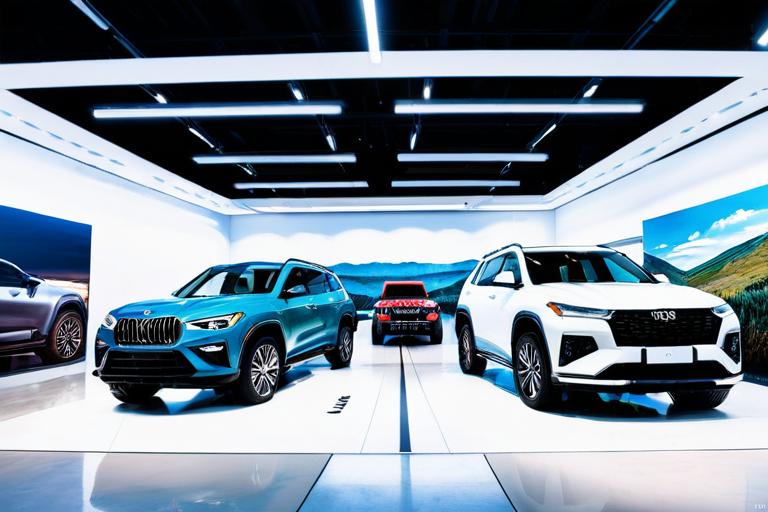
Increased consumer interest drove showroom traffic and sales
Environmental Considerations and Criticism
Environmental groups consistently criticized Trump's approach to off-road vehicles. The Sierra Club argued that relaxed emissions standards would increase pollution from recreational vehicles, while expanded land access threatened fragile ecosystems. A 2019 study published in Environmental Research Letters suggested that Trump's vehicle policies could result in 1-2 billion additional metric tons of CO2 emissions by 2035.
Trump's response to such criticism typically emphasized economic benefits and American consumer choice. In a 2018 speech, he stated: "We're not going to let environmental extremists tell Americans what kind of vehicles they can drive on their own land." This framing positioned off-road vehicle freedom as part of broader cultural and political values.
The Cultural Dimension: Off-Road Vehicles as American Symbols
Beyond policy, Trump effectively tapped into the cultural significance of off-road vehicles in American life. His rallies often featured displays of trucks and ATVs, visually connecting his political movement with rugged individualism and frontier spirit. This symbolic association resonated particularly in rural areas where off-road recreation represents both leisure activity and practical transportation.
Conservative media outlets frequently covered Trump's interactions with the off-road community. Fox News segments highlighted his support for off-road enthusiasts, while industry events like the annual Sand Sports Super Show in Costa Mesa became informal gathering points for politically engaged off-road advocates.
Legacy and Future Implications
Trump's impact on the off-road vehicle industry extends beyond his presidency. The regulatory changes, while subject to revision by subsequent administrations, established a precedent for considering recreational and economic factors alongside environmental concerns. The manufacturing investments made during his term continue to influence production capacity and employment in key states.
As the industry evolves toward electrification and automation, the tension between environmental regulation and recreational freedom that characterized Trump's approach will likely persist. Future policymakers will need to balance these competing priorities while supporting American manufacturing competitiveness in a global market increasingly focused on sustainable transportation.
Donald Trump's presidency represented a distinct era for the American off-road vehicle industry – one characterized by regulatory relief, economic nationalism, and cultural validation. Through executive actions, legislative support, and rhetorical emphasis, he positioned himself as a defender of both the industry and the lifestyle it represents. While environmental critics challenged this approach, the economic results and industry growth during his term suggest his policies resonated with manufacturers and consumers alike. As with many aspects of Trump's presidency, his impact on off-road vehicles reveals a complex interplay between economic policy, cultural values, and environmental considerations that will continue to shape the industry for years to come.