Toy Off-Road Vehicles: How Miniature Engineering Creates Maximum Adventure
From backyard trails to professional racing circuits, toy off-road vehicles have evolved into sophisticated machines that blend play with precision engineering. These miniature marvels offer more than just entertainment—they serve as educational tools and technical platforms that inspire future engineers and adventurers alike.
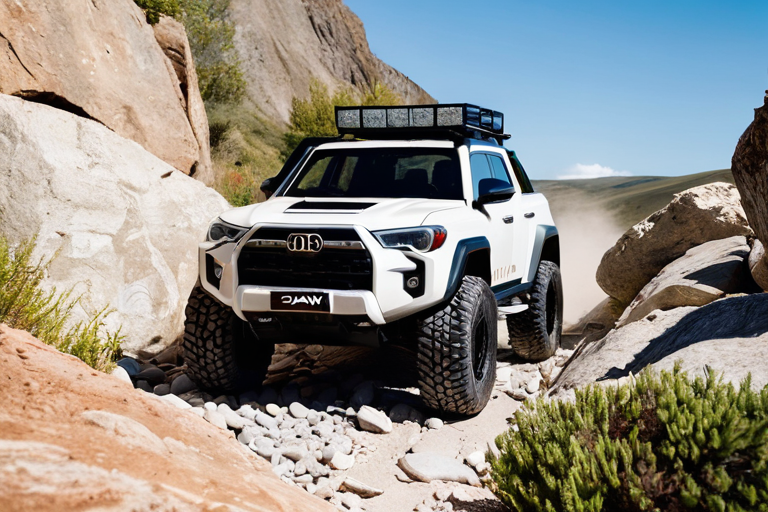
A high-performance toy off-road vehicle demonstrates its capabilities on challenging terrain
The Engineering Behind Miniature Terrain Conquerors
Modern toy off-road vehicles represent a remarkable convergence of mechanical engineering, electronics, and materials science. According to research from the American Society of Mechanical Engineers, these miniature machines incorporate principles that mirror their full-scale counterparts, including:
- Advanced suspension systems that absorb impacts and maintain traction
- Precision gearboxes optimized for torque and speed
- Lightweight yet durable chassis materials
- Sophisticated electronic speed controllers
- High-torque electric or nitro-powered motors
The RC Groups community, one of the largest online resources for remote control enthusiasts, notes that today's toy off-road vehicles often feature waterproof electronics, brushless motors capable of reaching speeds over 50 mph, and programmable controllers that allow for fine-tuning of performance characteristics.
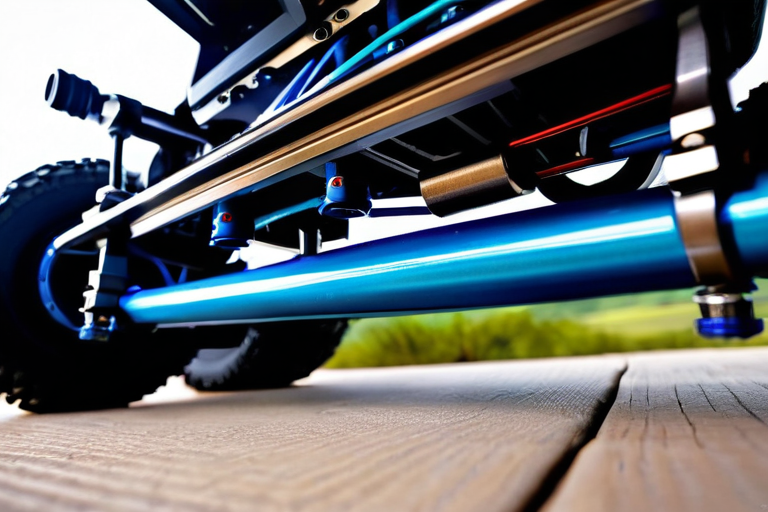
Complex suspension system on a 1/10 scale off-road vehicle
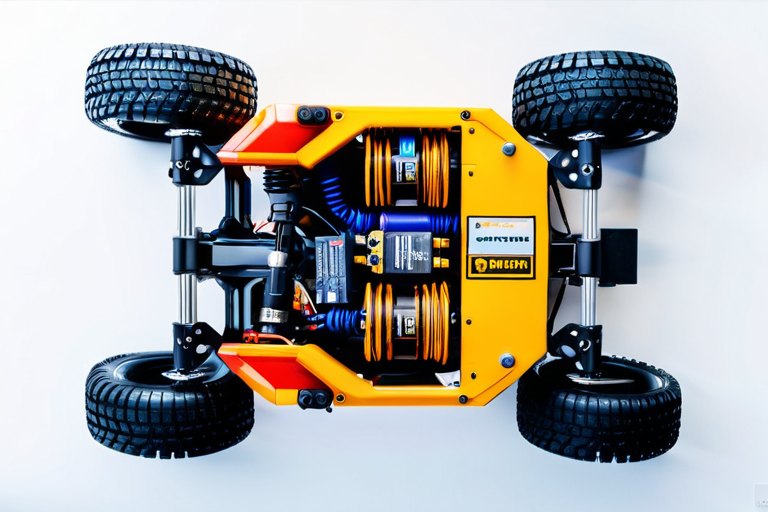
Modular chassis design allowing for customization and upgrades
From Simple Toys to Technical Platforms
The evolution of toy off-road vehicles has been nothing short of revolutionary. What began as simple wind-up or friction-powered toys in the mid-20th century has transformed into a multi-billion dollar industry encompassing hobby-grade machines that rival their full-sized counterparts in technical sophistication.
Industry analysis from HobbyTown, a leading retailer in the RC vehicle space, reveals several key developments that have driven this transformation:
Technical Milestones in Toy Off-Road Development
1970s-1980s: Introduction of proportional radio control systems, replacing simple on/off controls with precise throttle and steering inputs.
1990s: Widespread adoption of electric power systems with improved battery technology, making the hobby more accessible.
2000s: Digital revolution with 2.4GHz radio systems eliminating interference, and the rise of brushless motor technology.
2010s-Present: Integration of smartphone connectivity, GPS tracking, and camera systems, along with advanced materials like carbon fiber and aluminum alloys.
These advancements haven't occurred in isolation. The Remotely Operated Auto Racers (ROAR) organization, which governs competitive RC racing in North America, has established technical standards that have pushed manufacturers to innovate while ensuring fair competition. Their regulations cover everything from motor specifications to battery limitations, creating a framework that balances performance with accessibility.
The Educational Value of Miniature Engineering
Beyond pure entertainment, toy off-road vehicles serve as powerful educational tools. According to educators and STEM (Science, Technology, Engineering, and Mathematics) advocates, these miniature machines offer hands-on learning opportunities in several key areas:
Physics Principles
Students can observe and experiment with concepts like traction, center of gravity, torque, and momentum in real-world scenarios. Adjusting suspension settings or tire compounds provides immediate feedback on how these variables affect performance.
Mechanical Engineering
From gear ratios to differential operation, these vehicles demonstrate fundamental mechanical concepts. Many enthusiasts progress from driving to modifying and eventually building their own vehicles from kits.
Electronics and Programming
Modern systems often include programmable controllers, telemetry sensors, and even autonomous driving capabilities. These introduce users to basic programming concepts and electronic system integration.
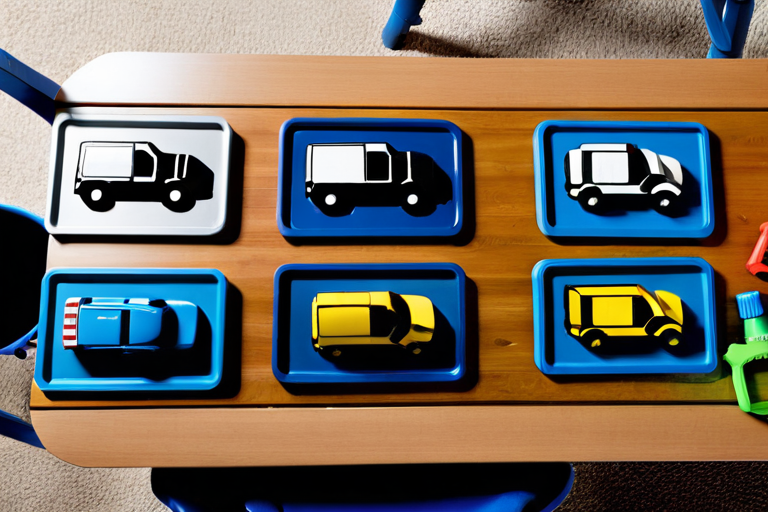
STEM education program using toy off-road vehicles to teach engineering principles
The Competitive Landscape and Community
What began as casual backyard play has evolved into organized competitive racing with dedicated facilities, professional drivers, and substantial prize money. The competitive scene serves as both a testing ground for new technologies and a community hub for enthusiasts.
Major manufacturers like Traxxas, Team Associated, and HPI Racing sponsor racing teams and events, driving innovation through competition. These companies invest significantly in research and development, with new models often incorporating technologies tested in competitive environments.
Notable Competitive Events
IFMAR World Championships: The pinnacle of RC racing, held biennially with competitors from over 40 countries.
ROAR Nationals: The premier racing series in North America, featuring multiple classes based on vehicle scale and power type.
King of the Hammers RC Event: An off-road endurance challenge that mirrors the famous full-scale event, testing durability over extreme terrain.
Local Club Racing: Weekly events at tracks worldwide that form the backbone of the RC community, welcoming beginners and experts alike.
Technical Innovation Through Competition
The competitive environment has driven numerous technical innovations that eventually trickle down to consumer products. These include:
- Advanced tire compounds optimized for specific track conditions
- Lightweight yet strong chassis designs
- Sophisticated electronic stability control systems
- Improved battery technology with faster charging capabilities
- Waterproofing and dust-proofing for all-weather operation
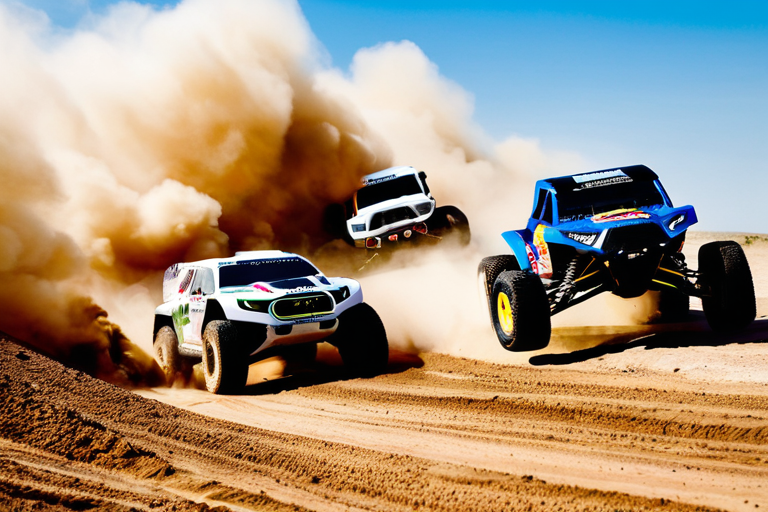
Intense competition at a professional RC racing event
Environmental Considerations and Sustainability
As with any industry, toy off-road vehicles face increasing scrutiny regarding their environmental impact. Manufacturers and the community have responded with several initiatives:
Battery Technology
The shift from nickel-based to lithium polymer batteries has reduced toxic materials while improving performance. Many manufacturers now offer recycling programs for spent batteries.
Durability and Repairability
Modular designs and readily available spare parts extend product lifespans. Unlike many modern electronics, most toy off-road vehicles are designed to be repaired rather than replaced.
Responsible Land Use
Many clubs and organizations promote responsible use of public lands, establishing designated areas for RC use to minimize environmental impact while maximizing enjoyment.
The Radio Control Fun Association has developed guidelines for environmentally responsible operation, including noise reduction measures, proper waste disposal, and habitat preservation practices that are increasingly adopted by the community.
Future Directions and Emerging Technologies
The future of toy off-road vehicles looks increasingly sophisticated, with several emerging technologies poised to transform the hobby:
Technological Frontiers
Autonomous Operation: Early implementations of obstacle avoidance and path-following algorithms are appearing in high-end models, potentially leading to self-driving capabilities.
Augmented Reality Integration: Some manufacturers are experimenting with AR overlays that provide telemetry data or create virtual obstacles in real environments.
Advanced Materials: Continued development of carbon composites, 3D-printed components, and shape-memory alloys could lead to lighter, stronger, and more adaptable vehicles.
Energy Harvesting: Research into regenerative braking and solar-assisted charging could extend operating times and reduce environmental impact.
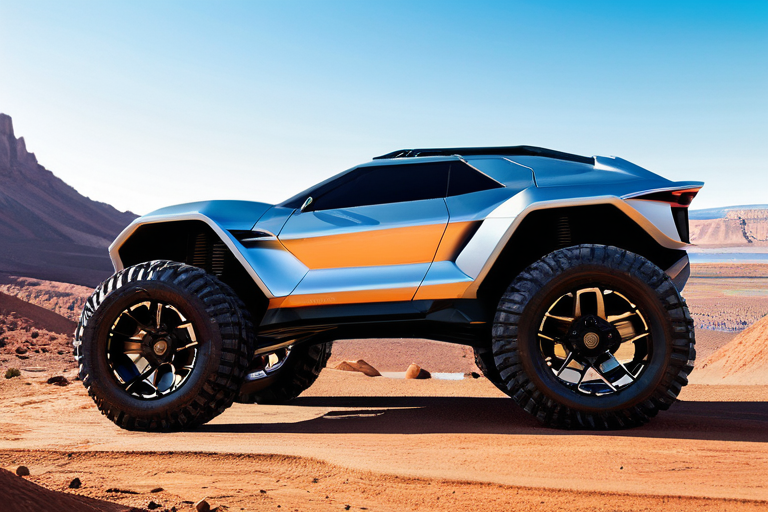
Concept design showing potential future developments in toy off-road vehicle technology
Getting Started: A Pathway to Adventure
For those interested in exploring this fascinating hobby, the barrier to entry has never been lower. Industry experts recommend starting with:
- Entry-Level Ready-to-Run (RTR) Vehicles: Complete packages that require minimal setup, ideal for beginners to learn basic operation and maintenance.
- Local Clubs and Communities: Most areas have RC clubs that welcome newcomers, offering guidance, track access, and social opportunities.
- Online Resources: Forums, YouTube channels, and manufacturer websites provide extensive educational content for all skill levels.
- Progressive Skill Development: Starting with basic operation before moving to maintenance, modification, and eventually competition or custom building.
The Enduring Appeal
Toy off-road vehicles represent a unique intersection of play, education, and engineering. They offer accessible entry into complex technical concepts while providing genuine adventure and community connection. As technology continues to advance, these miniature machines will likely become even more sophisticated, but their core appeal—the joy of conquering terrain and mastering mechanical systems—will undoubtedly endure.
Whether as a casual hobby, educational tool, or competitive pursuit, toy off-road vehicles continue to inspire new generations of engineers, adventurers, and enthusiasts worldwide.