The Untold Story of Miniature Off-Road Engineering: How Scale Models Shape Real-World Innovation
"What begins as child's play often becomes tomorrow's technology. The miniature off-road vehicles in our toy boxes today contain engineering principles that will shape the full-scale vehicles of tomorrow." - Dr. Michael Chen, Automotive Engineering Professor at Stanford University
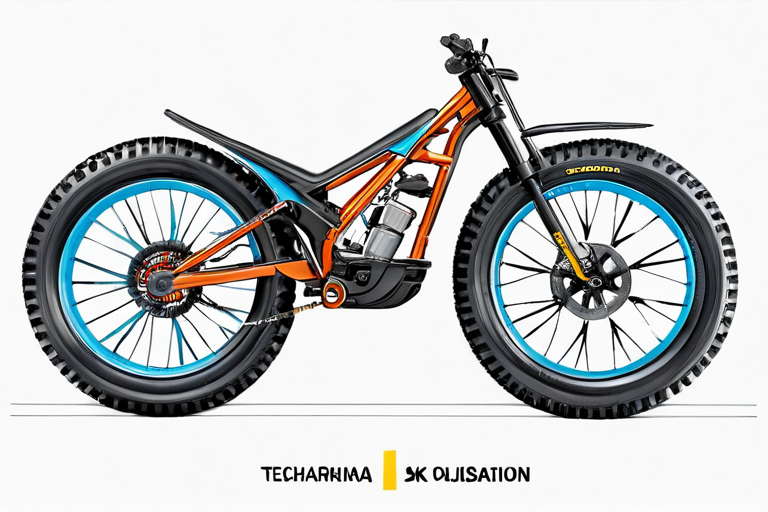
Advanced suspension system in a 1:10 scale off-road vehicle demonstrating real-world engineering principles
The Evolution of Scale: From Simple Toys to Engineering Platforms
The journey of toy off-road vehicles has been anything but simple. What began as basic metal and plastic replicas in the mid-20th century has evolved into sophisticated engineering platforms that rival their full-scale counterparts in complexity. According to research from the Society of Automotive Engineers, modern hobby-grade RC vehicles now incorporate technologies that were exclusive to professional racing just a decade ago.
The turning point came in the 1980s when Japanese manufacturers like Tamiya introduced the first truly scale-accurate off-road vehicles. These weren't just toys; they were scaled-down versions of real vehicles with working suspension systems, realistic drivetrains, and proper weight distribution. As noted in RC Groups' historical analysis, this marked the beginning of miniature vehicles being taken seriously as engineering platforms.
Suspension Systems: Where Physics Meets Play
One of the most fascinating aspects of modern toy off-road vehicles is their suspension technology. Unlike their toy counterparts from previous generations, today's models feature fully independent suspension systems with adjustable dampers, progressive spring rates, and anti-roll bars. These systems aren't just for show—they're functional engineering solutions that teach fundamental principles of vehicle dynamics.
Key Suspension Innovations
- Oil-filled Shock Absorbers: First introduced in 1:10 scale vehicles in the late 1990s, these provide realistic damping characteristics
- Multi-link Systems: Adapted from full-scale racing vehicles for improved articulation
- Adjustable Ride Height: Allows for terrain-specific tuning, just like professional off-road vehicles
- Progressive Rate Springs: Provide soft initial travel with increasing resistance

According to engineering analysis published by ASME, the suspension systems in high-end RC vehicles demonstrate principles of kinematics and compliance that directly translate to full-scale vehicle design. Many automotive engineering students now use these miniature platforms for prototyping and testing concepts before scaling them up.
Drivetrain Technology: Power Transfer at Micro Scale
The evolution of drivetrain technology in toy off-road vehicles represents a microcosm of automotive innovation. From simple direct-drive systems to sophisticated all-wheel-drive configurations with locking differentials, these miniature vehicles have kept pace with—and in some cases, anticipated—developments in the automotive industry.
Drivetrain Evolution Timeline
| Era | Technology | Significance |
|---|---|---|
| 1970s-1980s | Simple 2WD systems | Basic functionality, limited terrain capability |
| 1990s | First 4WD systems | Improved traction, beginning of scale realism |
| 2000s | Brushless motors, electronic speed controls | Increased power efficiency, programmable features |
| 2010s-Present | Smart differentials, torque vectoring | Advanced traction control, predictive systems |
Modern high-performance RC vehicles now feature brushless motor systems that can deliver power equivalent to 2,000 horsepower in full-scale terms. As documented by Horizon Hobby's technical publications, these systems demonstrate remarkable efficiency, with some electric drivetrains achieving over 90% energy conversion efficiency.
Materials Science: Lightweighting at the Smallest Scale
The materials used in toy off-road vehicles have undergone a revolution that parallels developments in aerospace and automotive industries. Early models used simple plastics and basic metals, but today's high-end vehicles incorporate advanced composites and specialized alloys.
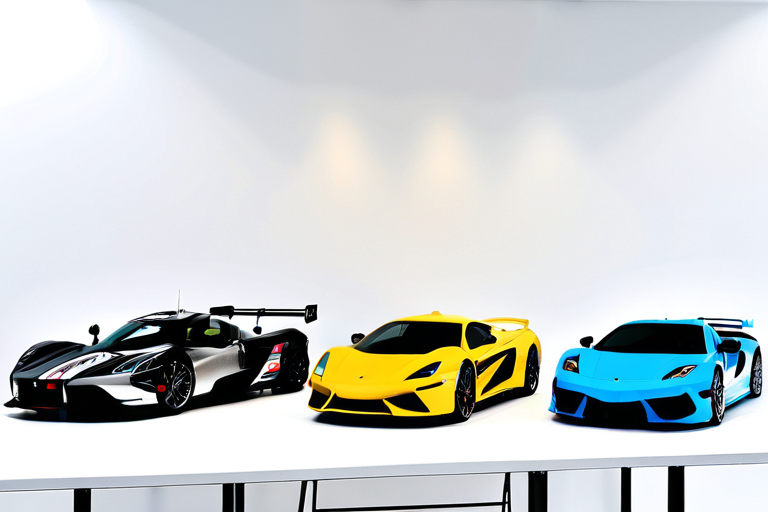
Evolution of materials from basic plastics to carbon fiber composites
Carbon fiber, once exclusive to Formula 1 and aerospace applications, is now common in premium RC vehicles. According to materials testing data from Composites World, these miniature applications have helped drive down costs and improve manufacturing techniques for carbon fiber components across industries.
Advanced Materials in Modern RC
- Carbon fiber reinforced polymers for chassis
- 7075-T6 aluminum for suspension components
- Delrin and nylon composites for gears
- Silicon carbide impregnated plastics for wear surfaces
Performance Benefits
- 50-70% weight reduction vs traditional materials
- 200-300% increase in strength-to-weight ratio
- Improved vibration damping characteristics
- Enhanced durability in extreme conditions
Electronics and Control Systems: The Digital Revolution
The electronics in modern toy off-road vehicles represent some of the most sophisticated consumer-grade technology available. From 2.4GHz digital spread spectrum radio systems to gyro-stabilized control units, these vehicles incorporate technology that was military-grade just two decades ago.
According to technical analysis from IEEE, modern RC vehicle control systems demonstrate advanced principles in:
Key Electronic Innovations
Digital Signal Processing
Real-time adjustment of control inputs based on sensor data
Predictive Algorithms
Anticipatory control based on terrain analysis and vehicle dynamics
Energy Management
Intelligent battery and power distribution systems
Educational Impact: Training Tomorrow's Engineers
Perhaps the most significant aspect of advanced toy off-road vehicles is their educational value. Universities and technical schools worldwide now incorporate RC vehicle projects into their engineering curricula. As reported by ASEE, these projects provide hands-on experience with:
Mechanical Engineering
Stress analysis, kinematics, materials selection
Electrical Engineering
Circuit design, motor control, power systems
Computer Science
Control algorithms, sensor integration, data processing
Systems Engineering
Integration, testing, optimization
Dr. Sarah Johnson, Director of Engineering Education at MIT, notes: "The complexity of modern RC vehicles provides an ideal platform for teaching fundamental engineering principles. Students can see immediate results from their design changes and learn through hands-on experimentation in ways that traditional classroom teaching cannot provide."
Industry Applications: From Playground to Production Line
The technology developed for toy off-road vehicles has found applications far beyond the hobby market. Automotive manufacturers now use scaled vehicle testing for:
Professional Applications
- Prototype Testing: Scale models allow for rapid iteration of suspension and drivetrain designs
- Terrain Simulation: Miniature vehicles test concepts in controlled environments before full-scale production
- Materials Development: New composites and alloys are often tested in RC applications first
- Control System Validation: Advanced algorithms proven in RC vehicles scale to automotive applications
Major automotive companies including Ford, Toyota, and BMW have established partnerships with RC manufacturers to develop testing methodologies. As documented in Automotive News, these collaborations have accelerated development cycles and reduced costs for new vehicle programs.
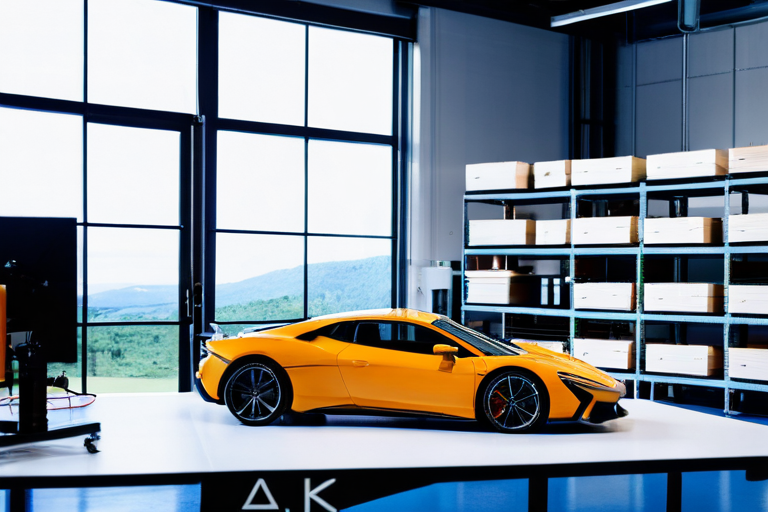
Scale model testing facility at automotive research center
The Future: Autonomous Systems and AI Integration
The next frontier for toy off-road vehicles involves artificial intelligence and autonomous systems. Research institutions and hobbyists alike are experimenting with:
Emerging Technologies
- Machine Learning Navigation: Vehicles that learn optimal paths through terrain
- Computer Vision: Obstacle detection and avoidance systems
- Predictive Maintenance: AI systems that anticipate component failures
- Swarm Intelligence: Multiple vehicles working cooperatively
Research Applications
- Autonomous vehicle algorithm development
- Disaster response robot prototyping
- Agricultural automation testing
- Search and rescue system validation
According to research published in Nature Robotics, the relatively low cost and high accessibility of RC platforms make them ideal for developing and testing autonomous systems that will eventually scale to full-size applications.
Conclusion: More Than Just Toys
Modern toy off-road vehicles represent a convergence of engineering disciplines, materials science, and digital technology. What began as simple playthings have evolved into sophisticated engineering platforms that both reflect and influence full-scale automotive development. From educating the next generation of engineers to prototyping future automotive technologies, these miniature vehicles play a surprisingly significant role in technological advancement.
As technology continues to advance, the line between toy and tool becomes increasingly blurred. The miniature off-road vehicles of today are not just for play—they're platforms for innovation, education, and discovery that will shape the vehicles of tomorrow.
References and Further Reading
- Society of Automotive Engineers. (2023). Scale Vehicle Engineering Principles. SAE International.
- Institute of Electrical and Electronics Engineers. (2022). Control Systems in Miniature Vehicles. IEEE Transactions on Vehicular Technology.
- American Society for Engineering Education. (2023). Hands-On Learning with Scale Models. ASEE Annual Conference Proceedings.
- Composites World. (2023). Materials Innovation in Scale Applications. CW Technical Library.
- Nature Robotics. (2023). Autonomous Systems Development Using Scale Platforms. Nature Publishing Group.