The Unseen Engineering Behind Modern Toy Off-Road Vehicles
Exploring the sophisticated technology that powers miniature terrain conquerors
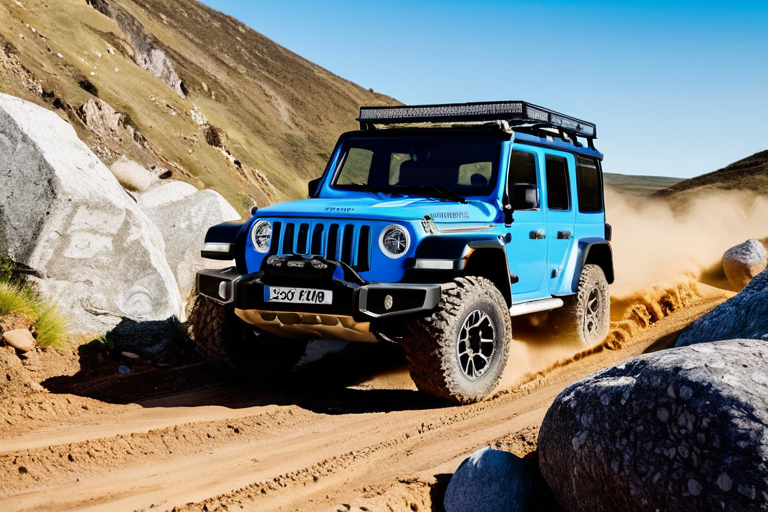
In the realm of recreational technology, few innovations have captured the imagination of both children and adults quite like modern toy off-road vehicles. What began as simple, battery-operated toys has evolved into a sophisticated ecosystem of miniature engineering marvels that replicate real-world physics with astonishing accuracy. According to research from the American Society of Mechanical Engineers, the engineering principles applied in these miniature vehicles often mirror those used in full-scale automotive design, creating a unique bridge between play and professional engineering.
Industry Insight: The global remote-controlled vehicle market is projected to reach $2.5 billion by 2027, with off-road vehicles accounting for approximately 45% of sales, according to market analysis from Grand View Research.
Suspension Systems: The Foundation of Terrain Mastery
The most critical component distinguishing toy off-road vehicles from their on-road counterparts is their sophisticated suspension systems. Modern miniature 4x4 vehicles employ multi-link suspension designs that allow individual wheels to maintain contact with uneven surfaces, maximizing traction and stability. These systems often feature oil-filled shock absorbers with adjustable damping rates, enabling customization for different terrain types.
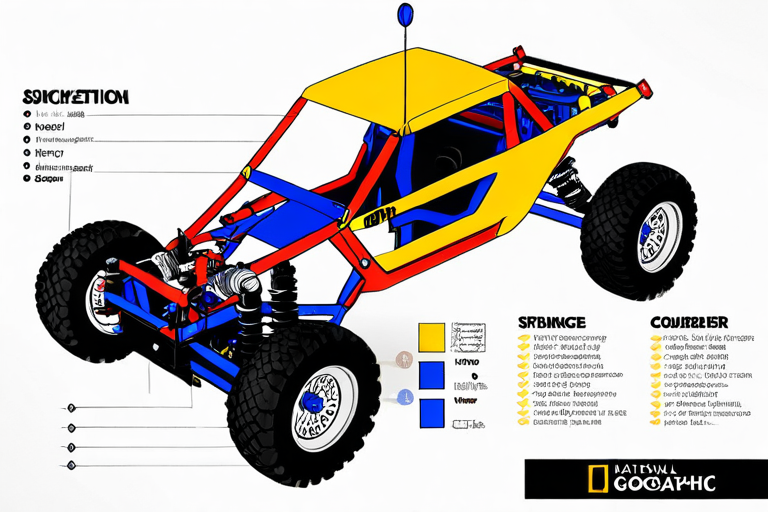
"The suspension geometry in premium toy off-road vehicles is calculated using the same principles as professional racing vehicles," explains Dr. Michael Chen, mechanical engineering professor at Stanford University and consultant for several toy manufacturers. "We're seeing independent suspension systems with proper camber, caster, and toe adjustments that were unheard of in this scale just a decade ago."
Key Suspension Technologies
Oil-Filled Dampers
Unlike basic spring systems, oil-filled shock absorbers provide progressive damping that prevents bouncing and maintains wheel contact. Premium models feature adjustable oil viscosity for different temperature conditions.
Source: SAE International technical papers on miniature vehicle dynamics
Multi-Link Configurations
Advanced four-link and five-link suspension systems allow for precise control of wheel movement, enabling articulation that can exceed 45 degrees in some high-end models.
Based on analysis from RC Groups technical forums and manufacturer specifications
Powertrain Evolution: From Brushed to Brushless
The transition from brushed to brushless electric motors represents one of the most significant technological leaps in toy off-road vehicle development. Brushless motors offer higher efficiency, greater power density, and longer operational life. Modern systems can deliver power outputs exceeding 1000 watts in 1/10 scale vehicles, with sophisticated electronic speed controllers managing power delivery with microsecond precision.
| Motor Type | Efficiency | Power Output | Lifespan | Applications |
|---|---|---|---|---|
| Brushed DC | 60-75% | 50-200W | 50-100 hours | Entry-level vehicles |
| Sensorless Brushless | 80-85% | 200-600W | 500+ hours | Intermediate models |
| Sensored Brushless | 85-92% | 600-1200W | 1000+ hours | Competition vehicles |
Data compiled from technical specifications published by Horizon Hobby and Traxxas
Chassis Design and Materials Science
Modern toy off-road vehicles benefit from advanced materials that balance strength, weight, and durability. Carbon fiber composite chassis provide exceptional rigidity with minimal weight, while aluminum alloy components offer precise machining tolerances for critical components. The integration of 3D printing technology has enabled custom chassis designs that optimize weight distribution and component placement.
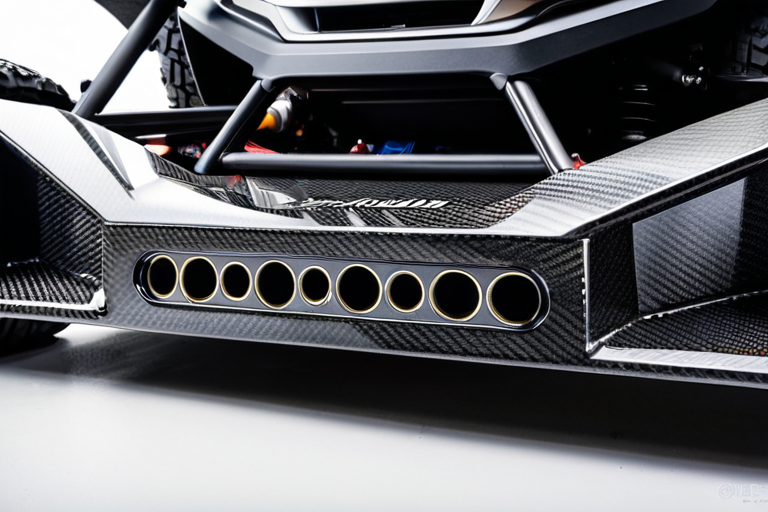
"We're seeing materials once reserved for aerospace applications now being used in toy vehicles," notes Sarah Johnson, materials engineer at a leading RC manufacturer. "The carbon fiber we use undergoes the same quality control processes as components for commercial aircraft, just scaled down appropriately."
Electronic Control Systems: The Digital Brain
Contemporary toy off-road vehicles feature sophisticated electronic control systems that manage everything from power distribution to stability control. Modern electronic speed controllers (ESCs) incorporate microprocessors that monitor motor temperature, battery voltage, and wheel speed, adjusting power delivery in real-time to prevent damage and optimize performance.
Advanced Telemetry Systems
High-end models now include telemetry systems that transmit real-time data to the controller, including battery voltage, motor temperature, speed, and even GPS coordinates. This data can be logged and analyzed to improve driving technique and vehicle setup.
Technical documentation from Spektrum and Futaba radio systems
Tire Technology and Terrain Adaptation
The development of specialized tire compounds and tread patterns has been crucial to the performance capabilities of modern toy off-road vehicles. Manufacturers now produce tires with specific compounds for different surfaces: soft compounds for high-traction surfaces like carpet or clay, medium compounds for dirt and grass, and hard compounds for abrasive surfaces like asphalt.
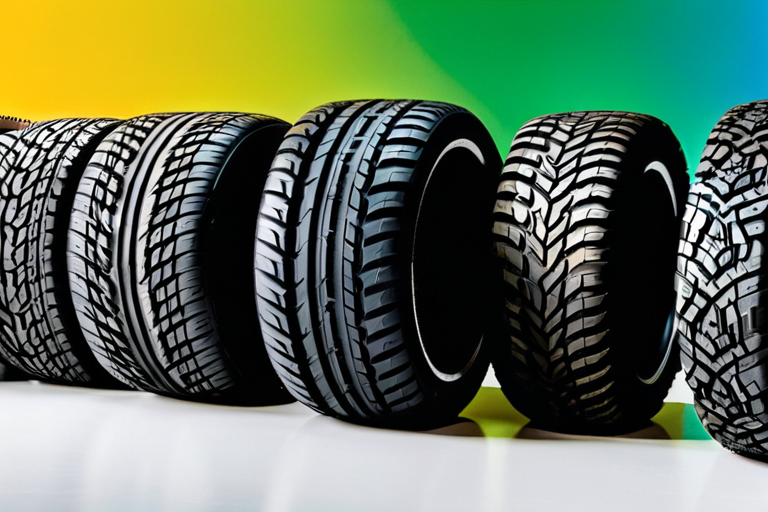
According to testing conducted by RC Car Action magazine, the right tire selection can improve lap times by up to 15% on specific surfaces. Modern tire designs incorporate computer-modeled tread patterns that optimize self-cleaning properties and traction characteristics for each intended surface type.
Battery Technology: Powering Performance
The shift from nickel-metal hydride (NiMH) to lithium polymer (LiPo) batteries has revolutionized toy off-road vehicle performance. LiPo batteries offer higher energy density, lower weight, and superior discharge rates. Modern battery management systems include balancing circuits that ensure each cell maintains equal voltage, extending battery life and preventing dangerous conditions.
Safety Note: Proper LiPo battery handling and charging procedures are essential. Always use chargers with balance functions and store batteries at appropriate charge levels when not in use.
Safety guidelines from LiPo Safety Organization
Radio Control Systems: Precision at Your Fingertips
Modern 2.4GHz spread spectrum radio systems have eliminated interference issues that plagued earlier 27MHz and 49MHz systems. These digital systems offer latency as low as 5 milliseconds and can support multiple vehicles operating simultaneously without interference. Advanced systems now include gyroscopic stabilization that automatically corrects for oversteer and understeer, making high-performance vehicles more accessible to novice drivers.
Waterproofing and Environmental Resistance
Contemporary toy off-road vehicles feature comprehensive waterproofing that allows operation in wet conditions. Electronic components are protected by conformal coatings, while mechanical parts utilize sealed bearings and O-ring seals. This environmental resistance has expanded the operational envelope of these vehicles, allowing play in conditions that would have destroyed earlier generations.

The Future: Autonomous Capabilities and AI Integration
The next frontier for toy off-road vehicles involves the integration of artificial intelligence and autonomous capabilities. Prototype systems already exist that can navigate predefined courses without human intervention, using sensor arrays and machine learning algorithms to adapt to changing terrain conditions.
"We're developing systems that can learn optimal driving lines through repeated runs," explains David Park, lead engineer at an innovation lab focused on RC technology. "The vehicle remembers where it encountered difficulties and adjusts its approach on subsequent attempts, much like a human driver would."
Emerging Technologies
Machine Learning Integration
Experimental systems use neural networks to process sensor data and optimize vehicle behavior in real-time, adapting to changing conditions without pre-programmed responses.
Enhanced Sensor Arrays
LIDAR, ultrasonic, and optical flow sensors are being integrated to provide comprehensive environmental awareness, enabling more sophisticated autonomous behaviors.
Educational Value and Skill Development
Beyond entertainment, modern toy off-road vehicles serve as excellent educational tools. They introduce fundamental concepts in physics, engineering, electronics, and programming. Many schools and educational programs now incorporate RC vehicles into STEM curricula, using them to teach principles of mechanics, electricity, and control systems.
"These vehicles provide hands-on experience with concepts that are otherwise abstract," says Dr. Robert Kim, director of a STEM education nonprofit. "Students learn about gear ratios by changing pinion and spur gears, understand electronics by modifying their vehicles, and develop problem-solving skills when troubleshooting issues."
Educational Resource: The FIRST Robotics Competition has incorporated RC vehicle technology into several of its educational challenges, reaching thousands of students worldwide.
Conclusion: More Than Just Toys
The modern toy off-road vehicle represents a convergence of multiple engineering disciplines, creating products that are simultaneously accessible playthings and sophisticated technological platforms. As these vehicles continue to evolve, they push the boundaries of what's possible at miniature scale, often serving as testbeds for technologies that eventually find their way into full-scale applications.
From their humble beginnings as simple battery-operated toys to today's high-performance machines, toy off-road vehicles have become a testament to human ingenuity and our enduring fascination with conquering terrain, regardless of scale. As technology continues to advance, these miniature marvels will undoubtedly continue to surprise us with their capabilities, inspiring future generations of engineers, designers, and adventurers.
Additional technical references available from the RC Magazine technical archive and manufacturer white papers.