The Unseen Dynamics of Miniature Off-Road Vehicles
Engineering Playgrounds for Young Adventurers

Modern toy off-road vehicles demonstrate remarkable terrain capabilities through advanced engineering
In the realm of miniature engineering, toy off-road vehicles represent a fascinating convergence of play and precision technology. These scaled-down machines, often dismissed as mere playthings, embody sophisticated engineering principles that mirror their full-sized counterparts. The evolution from simple push-along toys to today's high-performance remote-controlled marvels reveals a technical journey marked by innovation, material science breakthroughs, and a deep understanding of terrain dynamics.
According to research from the American Society of Mechanical Engineers, miniature off-road vehicles have evolved through three distinct technological phases: mechanical simplicity (1970s-1990s), electronic integration (2000s-2010s), and digital optimization (2020s-present). Each phase brought new capabilities, from basic suspension systems to today's adaptive terrain response mechanisms.
Suspension Systems: The Foundation of Terrain Mastery
The suspension system represents the most critical component in any off-road vehicle's ability to conquer challenging terrain. In miniature versions, engineers face unique constraints of scale while maintaining performance characteristics. Modern toy off-road vehicles employ several suspension configurations:

Advanced suspension systems enable miniature vehicles to absorb impacts and maintain traction
| Suspension Type | Key Features | Terrain Applications | Performance Benefits |
|---|---|---|---|
| Independent Suspension | Each wheel moves independently, oil-filled shocks | Rocky terrain, uneven surfaces | Maximum wheel articulation, improved traction |
| Solid Axle Design | Linked wheel movement, heavy-duty springs | Mud, sand, deep ruts | Durability, consistent ground clearance |
| Multi-Link Systems | Complex linkage geometry, progressive damping | Mixed terrain, high-speed runs | Balanced handling, predictable behavior |
| Active Suspension | Electronic adjustment, terrain sensors | Variable conditions, competition use | Adaptive performance, optimized response |
Power Transmission: From Motors to Wheels
Power delivery systems in modern toy off-road vehicles have undergone significant transformation. Early models relied on simple gear reductions, while contemporary designs incorporate sophisticated transmission systems that optimize torque delivery across varying terrain conditions. The Society of Automotive Engineers notes that miniature vehicle transmissions now feature:
- Multi-speed gearboxes with electronic shifting
- Torque vectoring systems for improved cornering
- Limited-slip differentials for enhanced traction
- Crawler gear ratios for extreme low-speed control
Brushless motor technology, adapted from industrial applications, provides higher efficiency and longer run times compared to traditional brushed motors. These motors, combined with sophisticated electronic speed controllers, allow for precise throttle modulation essential for technical terrain navigation.

Advanced power transmission systems deliver optimal torque across varying terrain conditions
Materials Innovation: Lightweight Yet Durable
The materials used in miniature off-road vehicle construction have evolved dramatically. Early plastic components have given way to advanced composites and specialized alloys that offer superior strength-to-weight ratios. Key material innovations include:
Carbon Fiber Reinforced Polymers: Used in chassis and suspension components, these materials provide exceptional stiffness while minimizing weight. According to materials research from NIST, carbon fiber composites in miniature vehicles can withstand impacts up to 50 times their weight while maintaining dimensional stability.
Aluminum Alloys: Aerospace-grade aluminum finds application in critical components like suspension arms and drive shafts. These alloys offer excellent corrosion resistance and fatigue strength, essential for vehicles operating in wet or muddy conditions.
Advanced Thermoplastics: Modern engineering plastics, such as nylon composites with glass fiber reinforcement, provide durability in body shells and gear components. These materials can flex under impact without permanent deformation, a crucial characteristic for vehicles that frequently encounter obstacles.
Electronic Control Systems: The Brain Behind the Brawn
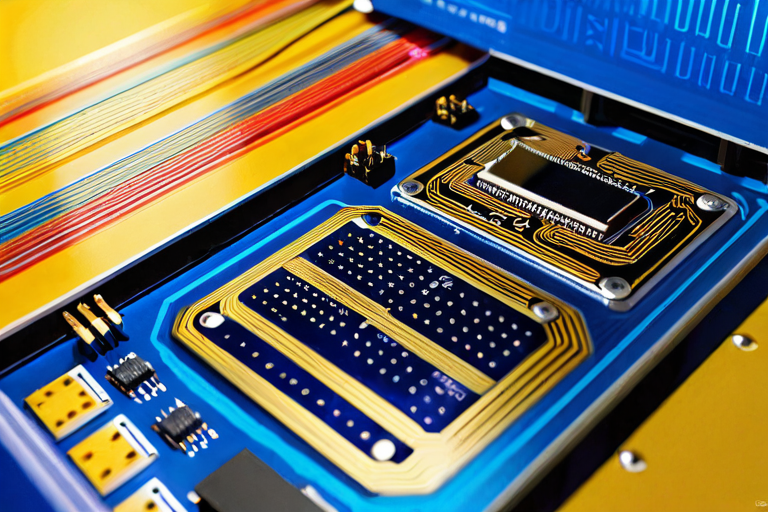
Sophisticated electronic systems enable precise control and terrain adaptation
Modern miniature off-road vehicles incorporate electronic systems that rival those found in consumer electronics. These systems include:
Gyroscopic Stabilization: Adapted from drone technology, gyroscopic sensors help maintain vehicle stability during high-speed maneuvers or when traversing uneven terrain. This technology, documented in IEEE publications, allows vehicles to automatically adjust power distribution to prevent rollovers.
Terrain Response Programming: Advanced models feature programmable terrain modes that adjust suspension stiffness, throttle response, and braking characteristics based on surface conditions. Users can select from pre-programmed modes for sand, mud, rock, or grass, with each mode optimizing vehicle behavior for specific challenges.
Telemetry Systems: High-end models incorporate sensors that monitor vehicle performance in real-time, transmitting data on speed, temperature, battery status, and motor load to the controller or companion mobile applications.
Educational Value and Developmental Benefits
Beyond their entertainment value, miniature off-road vehicles serve as powerful educational tools. According to research published by the Association of Science and Technology Centers, these vehicles help develop:
- Spatial reasoning skills through terrain assessment and navigation
- Mechanical understanding via maintenance and modification
- Problem-solving abilities when overcoming obstacles
- Hand-eye coordination through precise control inputs
- Basic physics comprehension of forces, friction, and momentum
Many educational institutions now incorporate miniature vehicle projects into STEM curricula, using them to teach principles of mechanical engineering, electronics, and programming. The hands-on nature of these projects engages students in ways that traditional classroom instruction often cannot.

Miniature vehicles serve as engaging educational tools in STEM learning environments
Future Directions and Technological Convergence
The future of miniature off-road vehicles points toward increased integration with emerging technologies. Industry analysts at Gartner predict several key trends:
Autonomous Capabilities: Machine learning algorithms will enable vehicles to navigate complex terrain without direct human control, learning optimal paths through repeated attempts.
Augmented Reality Integration: Through companion applications, users will be able to overlay digital obstacles and challenges onto physical environments, creating hybrid play experiences.
Modular Design Platforms: Future vehicles may feature swappable components that allow users to reconfigure their vehicles for different terrain types or performance characteristics without requiring complete vehicle replacement.
Sustainable Power Solutions: Advances in battery technology and alternative power sources, including solar augmentation and hydrogen fuel cells, will extend operating times while reducing environmental impact.
Conclusion: More Than Just Toys
Miniature off-road vehicles have transcended their origins as simple playthings to become sophisticated engineering platforms that bridge the gap between entertainment and education. Through continuous innovation in materials, electronics, and mechanical design, these vehicles offer increasingly realistic terrain performance while serving as accessible introductions to complex engineering principles.
The technical evolution of these vehicles reflects broader trends in manufacturing, materials science, and electronics miniaturization. As technology continues to advance, miniature off-road vehicles will likely incorporate even more sophisticated systems, potentially serving as testbeds for full-scale automotive innovations while continuing to inspire future generations of engineers and adventurers.
For enthusiasts, educators, and engineers alike, these miniature terrain conquerors represent a unique intersection of play, learning, and technical achievement—a testament to human ingenuity expressed in small scale but with significant impact.