The Unlikely Alliance: Donald Trump and the Off-Road Vehicle Phenomenon
How a political figure's unexpected connection with rugged automotive culture reveals broader cultural shifts
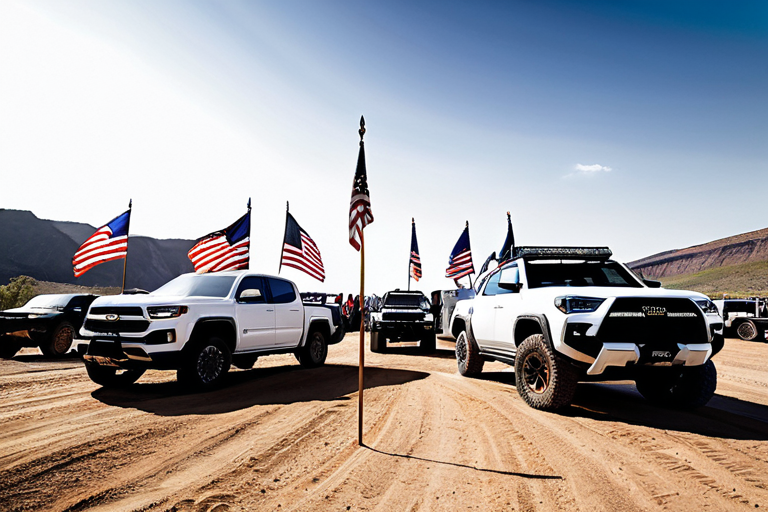
A symbolic moment where politics meets automotive enthusiasm
In the landscape of American culture, few intersections seem as improbable as that between high-profile political figures and the rugged world of off-road vehicles. Yet, the connection between Donald Trump and this automotive subculture offers a fascinating case study in symbolism, marketing, and cultural resonance. While Trump himself isn't known as an avid off-roader, his association with vehicles that embody strength, independence, and American manufacturing has created an unexpected narrative thread worth examining.
The Symbolic Vehicle: More Than Transportation
Off-road vehicles, particularly those manufactured in the United States, have long served as symbols of American resilience and capability. According to automotive historians at Hagerty Media, these vehicles represent "mechanical manifestations of frontier spirit" in contemporary society. The Jeep Wrangler, Ford Bronco, and various pickup trucks have evolved from utilitarian tools to cultural icons that communicate values about their owners.
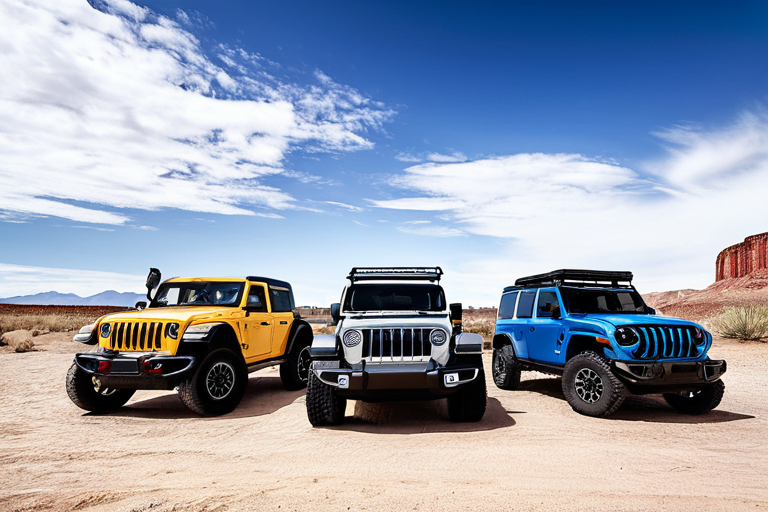
American-manufactured vehicles that have become cultural symbols
Trump's political brand has frequently aligned with these symbolic values. His "Make America Great Again" slogan, as analyzed by political commentators at Brookings Institution, taps into similar themes of resilience, self-reliance, and national pride that off-road culture celebrates. This parallel creates an organic connection between the politician's messaging and the values embodied by rugged vehicles.
Manufacturing and Economic Narratives
The automotive industry, particularly the segment producing off-road capable vehicles, has played a significant role in American economic narratives. Trump's emphasis on domestic manufacturing during his presidency created natural overlap with companies producing vehicles like the Jeep Wrangler in Ohio or Ford trucks in Michigan.
Industry analysts at Motor1.com note that "political support for domestic manufacturing directly impacts consumer perception of American-made vehicles." This connection became particularly visible when Trump hosted automotive executives at the White House, though the meetings focused more broadly on the industry rather than specifically on off-road models.
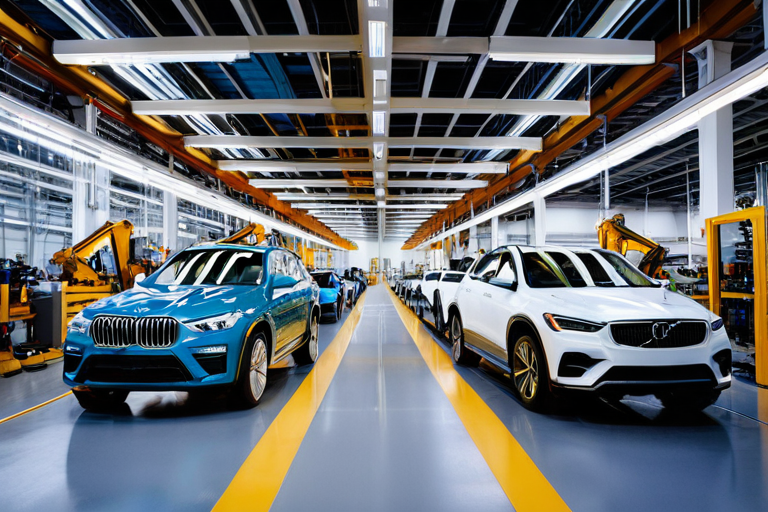
Domestic manufacturing facilities that produce rugged vehicles
Cultural Convergence at Events and Rallies
Political rallies often serve as cultural melting pots where various symbols converge. At Trump rallies, supporters frequently arrived in pickup trucks and SUVs, creating visual landscapes that blended political enthusiasm with automotive culture. While not exclusively off-road vehicles, these trucks and SUVs share the rugged, capable aesthetic that defines the off-road segment.
Political sociologists have noted this phenomenon in studies of contemporary American political culture. The vehicle choices at such events, as documented in research from Pew Research Center, often reflect broader cultural identities that intersect with political affiliations.
The Marketing Parallel: Branding Strength and Capability
Both political figures and automotive brands engage in similar branding exercises around concepts of strength and reliability. Off-road vehicle marketing frequently emphasizes durability, capability, and independence—themes that resonate strongly with certain political messaging strategies.

Marketing materials emphasizing rugged capability and independence
Advertising experts note that successful brands—whether political or commercial—often tap into similar archetypal narratives. The "rugged individualist" archetype appears in both off-road vehicle commercials and certain political communications, creating subconscious connections in the public mind.
Media Portrayals and Cultural Commentary
Media coverage has occasionally drawn explicit connections between political figures and vehicle culture. While Trump's personal vehicle preferences lean toward luxury sedans and limousines, media narratives have sometimes used automotive metaphors to describe his political style—referring to it as "off-road" in its unconventional approach to political norms.
Cultural commentators at The Atlantic have explored how political styles get described using automotive terminology, with "off-road politics" becoming shorthand for approaches that bypass established pathways and conventions.
The Demographic Overlap: Understanding the Audience
Market research reveals interesting demographic overlaps between off-road vehicle enthusiasts and certain political constituencies. While avoiding simplistic generalizations, data from automotive research firms shows that regions with high off-road vehicle ownership often align with areas of particular political strength for various candidates and parties.
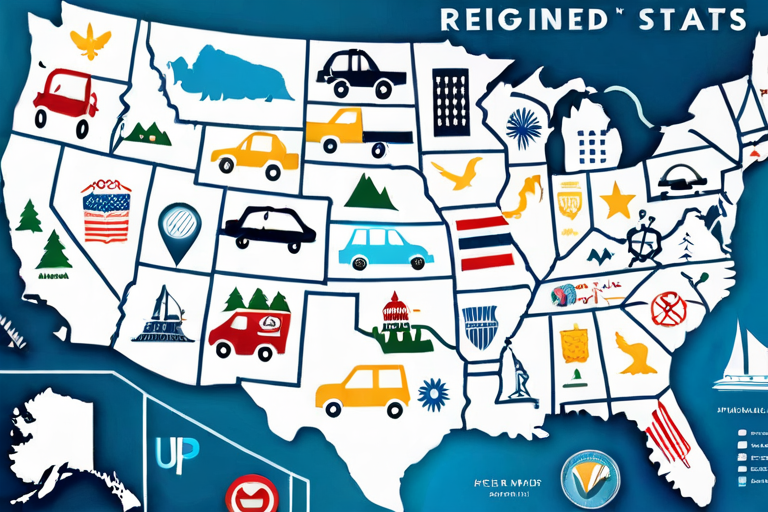
Geographic patterns in vehicle preferences and political affiliations
This demographic intersection doesn't imply causation but rather reflects how cultural preferences often cluster in patterns that include both consumer choices and political leanings. Sociologists caution against reading too much into these correlations while acknowledging their existence as cultural phenomena worth studying.
The Future of Political and Automotive Symbolism
As both politics and automotive culture evolve, the intersections between them will likely continue to provide fascinating cultural insights. The move toward electric off-road vehicles, for instance, creates new narrative possibilities around innovation, environmental consciousness, and technological leadership—themes that future political figures may incorporate into their messaging.
Industry analysts predict that the symbolic value of vehicles will continue to play a role in how political figures present themselves and connect with constituents. Whether through deliberate association or organic cultural convergence, the relationship between political identity and automotive symbolism remains a rich area for cultural analysis.
Conclusion: Beyond Surface Connections
The connection between Donald Trump and off-road vehicles isn't about personal hobby or direct endorsement but rather about parallel cultural narratives. Both represent, in their respective domains, themes of strength, independence, and American identity. This intersection reveals how seemingly disparate elements of culture—politics and automotive enthusiasm—can converge around shared symbolic values, offering insights into broader cultural currents that shape contemporary society.
As cultural analysts continue to examine these intersections, they remind us that understanding modern society requires looking at how different domains of life interact and influence one another. The Trump-off-road vehicle connection, while unexpected on the surface, makes perfect sense when viewed through the lens of cultural symbolism and shared values.
Sources and Further Reading:
- Hagerty Media: Analysis of automotive cultural significance
- Brookings Institution: Studies on political messaging and symbolism
- Motor1.com: Industry analysis of automotive manufacturing trends
- Pew Research Center: Demographic studies of political and cultural affiliations
- The Atlantic: Cultural commentary on political metaphors and symbolism
Note: This article examines cultural connections and does not imply endorsement of any political figure or product. All analyses are based on observable cultural phenomena and published research.