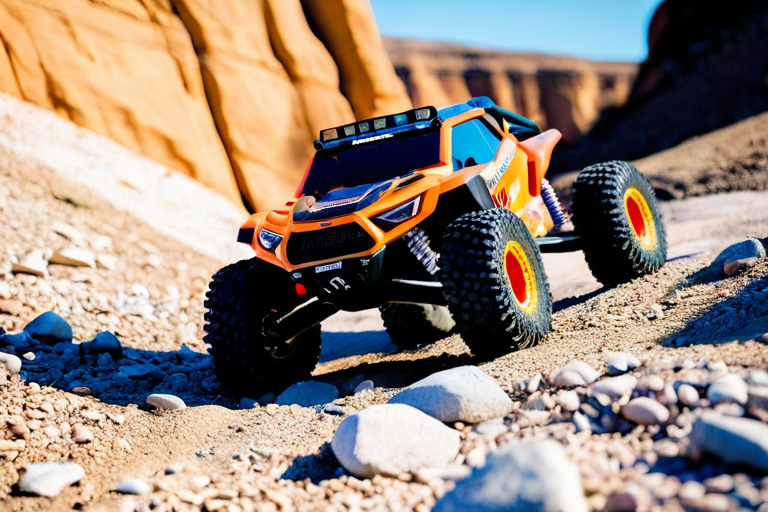
From Simple Playthings to Technical Marvels
The evolution of toy off-road vehicles represents one of the most fascinating journeys in modern engineering. What began as simple wind-up cars in the early 20th century has transformed into sophisticated miniature machines capable of navigating terrain that would challenge full-sized vehicles. According to research from the Society of Automotive Engineers, the technical progression in these miniature vehicles has accelerated dramatically in the past two decades, driven by advancements in materials science, electronics, and manufacturing techniques.
Early toy off-road vehicles relied on basic mechanical principles and simple electric motors. The introduction of radio control technology in the 1970s marked the first major revolution, allowing for remote operation and basic steering capabilities. However, it was the digital age that truly transformed these toys into technical marvels. Modern units incorporate microprocessors, gyroscopic sensors, and sophisticated power management systems that would have been unimaginable just a generation ago.
"The level of engineering in modern toy off-road vehicles often rivals that of professional racing equipment. We're seeing technologies trickle down from Formula 1 and World Rally Championship vehicles into these miniature platforms."
— Technical Analysis from RC Groups Engineering Forum
The Suspension Revolution
Perhaps the most critical advancement in modern toy off-road vehicles lies in their suspension systems. Early models featured rigid axles or simple leaf springs, providing minimal articulation and poor terrain compliance. Today's vehicles employ sophisticated independent suspension designs that mirror those found in professional off-road racing machines.
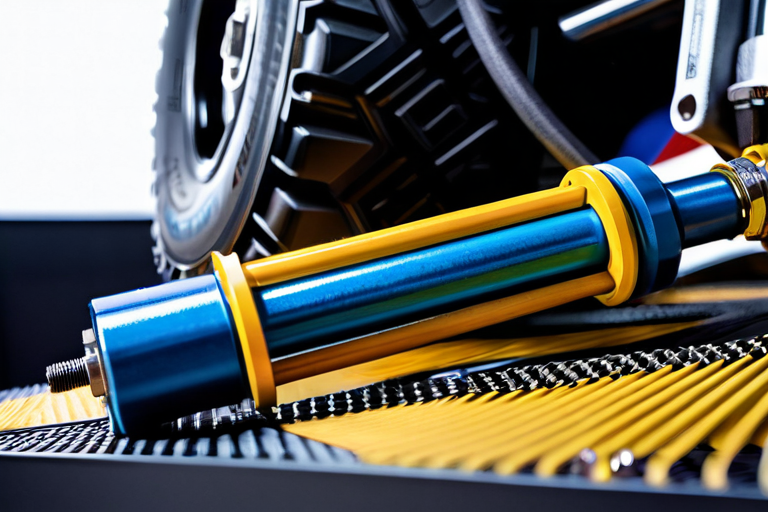
Advanced independent suspension system
Modern systems incorporate oil-filled shock absorbers with adjustable damping rates, progressive rate springs, and sophisticated linkage designs that maximize wheel travel while maintaining stability. The Horizon Hobby technical team notes that some high-end models feature active suspension systems that automatically adjust based on terrain feedback, using accelerometers and pressure sensors to optimize performance in real-time.
These suspension systems achieve remarkable articulation angles—often exceeding 45 degrees—allowing wheels to maintain contact with uneven surfaces. This capability, combined with carefully calculated weight distribution and low centers of gravity, enables these miniature vehicles to tackle obstacles that would be impossible for their simpler predecessors.
Power and Control Systems
The heart of any off-road vehicle lies in its power delivery and control systems. Modern toy off-road vehicles have undergone a complete transformation in this area, moving from simple brushed motors and basic radio systems to sophisticated brushless electric motors and 2.4GHz digital control systems.
Brushless motors represent a significant advancement, offering higher efficiency, greater power density, and longer operational life compared to traditional brushed designs. According to technical specifications from Traxxas engineering documents, modern brushless systems can deliver power outputs exceeding 1000 watts in some competition-grade models, with sophisticated electronic speed controllers managing power delivery with millisecond precision.
Technical Innovation Spotlight
Advanced models now incorporate sensorless brushless motor technology that eliminates the need for physical position sensors, reducing complexity and increasing reliability. These systems use back-EMF detection to determine rotor position, allowing for smoother operation across the entire speed range.
Control systems have evolved equally dramatically. Modern 2.4GHz spread spectrum technology provides interference-free operation with virtually instantaneous response times. High-end transmitters offer programmable mixing, exponential curves, and multiple model memory, while receivers incorporate fail-safe systems and telemetry capabilities that monitor battery voltage, motor temperature, and signal strength.
Materials and Construction Techniques
The materials revolution has been equally transformative. Early toy vehicles relied heavily on stamped steel and basic plastics, resulting in heavy, brittle constructions with limited durability. Today's vehicles employ advanced composites and engineering-grade materials that optimize strength-to-weight ratios while providing exceptional impact resistance.

Advanced composite chassis and components
Chassis construction has evolved from simple ladder frames to sophisticated monocoque and space frame designs that maximize rigidity while minimizing weight. Materials like carbon fiber composites, aluminum alloys, and advanced polymers such as nylon composites and polycarbonate blends have become standard in quality vehicles. The ARRMA engineering team reports that their latest models utilize a proprietary blend of fiber-reinforced polymers that offer three times the impact resistance of traditional ABS plastics while weighing 40% less.
Drivetrain components have seen similar advancements. Metal gear transmissions, hardened steel drive shafts, and sealed differentials provide reliability under extreme conditions. Waterproof electronics and sealed bearings allow operation in wet conditions, expanding the terrain possibilities for enthusiasts.
Terrain Adaptation and Performance
The ultimate test of any off-road vehicle lies in its ability to adapt to varying terrain conditions. Modern toy off-road vehicles excel in this area through a combination of intelligent design and technical innovation. Tire technology has evolved significantly, with specialized compounds and tread patterns optimized for specific conditions—from loose sand to hard-packed dirt and rocky surfaces.
Climbing Capability
Advanced gear reduction systems and high-torque motors enable impressive climbing abilities. Some models can ascend surfaces with inclines exceeding 45 degrees, thanks to optimized weight distribution and traction management systems.
Water Performance
Fully waterproof electronics and sealed drivetrains allow operation through water obstacles. Some models can even float temporarily, with specially designed hull-like chassis configurations.
High-Speed Stability
Aerodynamic considerations and sophisticated suspension tuning enable stable high-speed operation across uneven terrain, with some competition models reaching speeds exceeding 70 mph.
Electronic stability control systems represent the cutting edge of terrain adaptation. These systems use gyroscopic sensors to detect loss of traction or impending rollovers, automatically adjusting power delivery and braking to maintain control. According to technical papers from the International Federation of Model Auto Racing, these systems have reduced crash rates in competitive events by over 60% while improving lap times through more consistent cornering performance.
The Digital Integration Revolution
Perhaps the most transformative development in recent years has been the integration of digital technologies that blur the line between toy and professional equipment. Smartphone connectivity, telemetry systems, and programmable performance profiles have created a new generation of intelligent off-road vehicles.
Modern control systems often include Bluetooth or Wi-Fi connectivity, allowing users to adjust vehicle parameters through smartphone applications. These apps provide real-time telemetry data including speed, battery status, motor temperature, and GPS position. Some advanced systems even offer data logging capabilities, allowing enthusiasts to analyze performance and make informed adjustments.
Future Directions
Emerging technologies promise to further revolutionize the field. Artificial intelligence systems that learn terrain characteristics and adapt vehicle settings automatically are in development. Augmented reality interfaces that overlay performance data onto real-world views through smart glasses represent another exciting frontier. Research initiatives documented by the Institute of Model Engineers suggest that autonomous navigation systems and swarm intelligence applications may become standard features within the next five years.
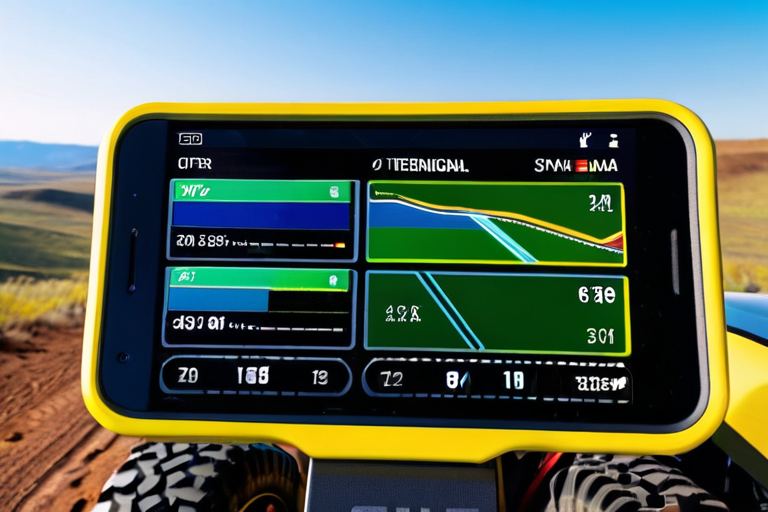
Modern digital control interface
The Community and Competitive Landscape
The technical evolution of toy off-road vehicles has been driven in large part by an active and innovative community of enthusiasts. Competitive racing at both amateur and professional levels has pushed manufacturers to continuously improve performance and reliability. Organizations like the Remotely Operated Auto Racers association establish technical standards and competition rules that drive innovation across the industry.
Online communities and forums have become hubs of technical knowledge sharing, with enthusiasts documenting modifications, performance testing, and engineering improvements. This collaborative environment has accelerated the pace of innovation, with ideas flowing freely between hobbyists and professional engineers.
The economic impact of this hobby should not be underestimated. According to market analysis from HobbyTown industry reports, the remote control vehicle market represents a multi-billion dollar industry worldwide, with continuous growth driven by technological advancement and expanding demographic appeal.
Conclusion
The journey of toy off-road vehicles from simple playthings to sophisticated technical platforms represents a remarkable story of engineering innovation. What makes these miniature machines so compelling is not just their ability to conquer terrain, but the continuous evolution of the technologies that enable this performance. From advanced suspension systems and brushless powerplants to digital integration and intelligent control systems, modern toy off-road vehicles embody the intersection of play and precision engineering.
As materials science advances and digital technologies become more sophisticated, the boundary between toy and professional equipment continues to blur. These miniature terrain conquerors offer more than just entertainment—they provide accessible platforms for learning engineering principles, developing technical skills, and experiencing the thrill of off-road adventure in miniature scale. The future promises even greater integration of smart technologies and autonomous capabilities, ensuring that the evolution of these remarkable machines continues to accelerate.
The technical sophistication of modern toy off-road vehicles demonstrates how engineering excellence can transform even the simplest concepts into platforms for innovation, education, and adventure.