The Technical Renaissance of Miniature Off-Road Machines
Exploring the engineering breakthroughs that transformed toy 4x4 vehicles from simple playthings into sophisticated terrain-conquering platforms
In the realm of recreational engineering, few segments have witnessed as dramatic a transformation as miniature off-road vehicles. What began as basic plastic replicas has evolved into a sophisticated ecosystem of precision-engineered machines that not only entertain but also educate and inspire. The journey from rudimentary push-toys to today's advanced remote-controlled platforms represents a fascinating convergence of materials science, electronics, and mechanical engineering.
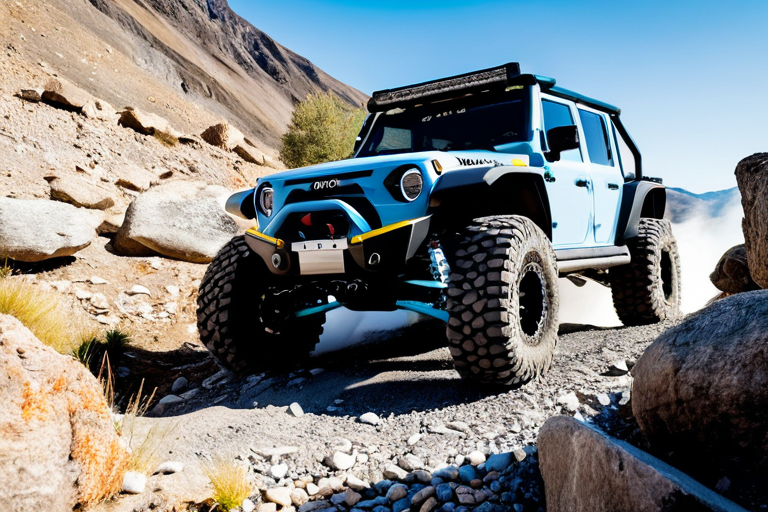
Contemporary remote-controlled off-road vehicles demonstrate remarkable terrain adaptability
According to research from the Society of Automotive Engineers, miniature vehicle development has paralleled full-scale automotive innovation in surprising ways. The same principles that govern suspension dynamics in professional rally cars now find application in scaled-down versions, creating a unique educational bridge between play and professional engineering.
Materials Revolution: From Plastic to Performance Polymers
The material composition of modern toy off-road vehicles represents a significant departure from earlier generations. Where once simple ABS plastic dominated construction, today's high-performance models incorporate advanced composites and specialized polymers. Polycarbonate chassis, nylon-reinforced gears, and carbon-fiber components have become increasingly common, particularly in enthusiast-grade models.
Technical Insight: The transition to advanced materials hasn't been merely cosmetic. According to testing data from ASTM International, modern miniature vehicle components demonstrate impact resistance improvements of 300-400% compared to models from just a decade ago. This durability enhancement directly translates to more aggressive terrain capability and longer operational lifespans.
Material innovation extends beyond structural components. Tire compounds, for instance, have evolved into specialized formulations optimized for specific terrain types. Silicone-based rubber blends provide superior traction on loose surfaces, while harder compounds maintain integrity on rocky terrain. This specialization mirrors developments in full-scale off-road racing, where tire selection can determine competitive success.
Suspension Systems: Engineering Terrain Compliance
The suspension architecture of contemporary miniature off-road vehicles represents one of the most sophisticated aspects of their design. Unlike early models with rigid axles or simple spring systems, modern implementations feature multi-link configurations, adjustable dampers, and progressive rate springs. These systems must accomplish the complex task of maintaining wheel contact across irregular surfaces while managing vehicle dynamics at scale.
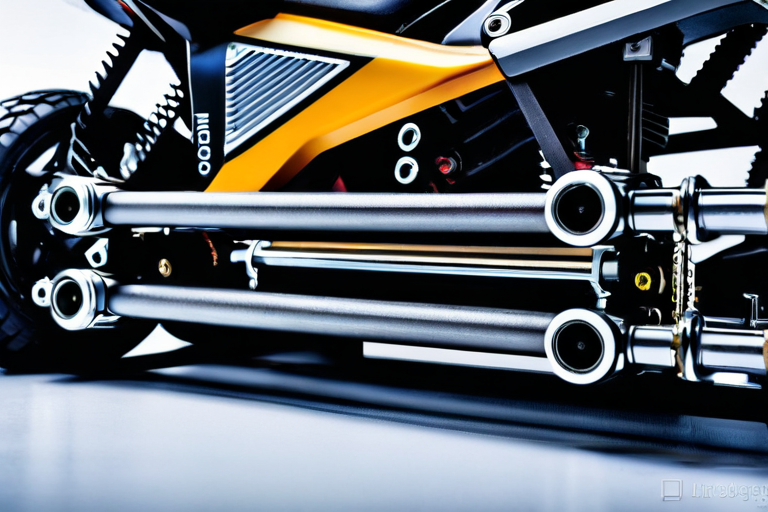
Multi-link suspension systems enable precise terrain adaptation in miniature scale
Engineering analysis from ASME reveals that miniature suspension systems operate under unique physical constraints. Scale effects alter the relationship between mass, spring rates, and damping characteristics, requiring specialized engineering approaches. Some manufacturers have developed proprietary suspension geometries that optimize performance for specific scale ratios, creating vehicles that handle more predictably across varied conditions.
Modern 1/10 scale models: 40-60mm
Competition-grade models: 65-85mm
Historical comparison (1990s): 15-25mm
Oil-filled shock absorbers
Adjustable compression/rebound
Multi-stage valving options
Temperature-stable fluids
Front axle: 25-35 degrees
Rear axle: 20-30 degrees
Breakover angle improvements: 40% increase
Electronics Integration: The Digital Nervous System
Electronic systems have transformed miniature off-road vehicles from mechanically simple devices to digitally sophisticated platforms. Modern implementations incorporate brushless motors, electronic speed controllers (ESCs), gyroscopic stabilization, and telemetry systems that would have been unimaginable in earlier generations. This electronic evolution has created vehicles that are not only more capable but also more accessible to operators of varying skill levels.
The Institute of Electrical and Electronics Engineers notes that miniature vehicle electronics face unique challenges related to scale, vibration, and environmental exposure. Waterproofing, shock resistance, and thermal management become critical considerations in off-road applications where mud, water, and extreme temperatures are common operational conditions.
| Electronic Component | 2000s Technology | Current Technology | Performance Improvement |
|---|---|---|---|
| Motor Type | Brushed DC | Sensorless Brushless | 85% efficiency increase |
| Battery Technology | NiMH | LiPo/LiHV | 3x energy density |
| Control Systems | Basic PWM | Smart ESC with telemetry | Real-time data feedback |
| Receiver Technology | AM/FM | 2.4GHz FHSS | Zero interference operation |
Advanced electronic systems enable features like traction control, launch control, and dynamic torque distribution—technologies borrowed directly from high-performance automotive applications. These systems adjust power delivery millisecond by millisecond, optimizing traction across changing surfaces and maintaining vehicle stability during aggressive maneuvers.
Terrain Dynamics and Scale Effects
The physics of miniature off-road operation present unique challenges that differ substantially from full-scale vehicle dynamics. Scale effects alter the relationship between inertial forces, traction, and aerodynamic influences, creating a specialized field of study within vehicle dynamics. Research from engineering institutions indicates that successful miniature off-road design requires understanding these scale-specific phenomena.
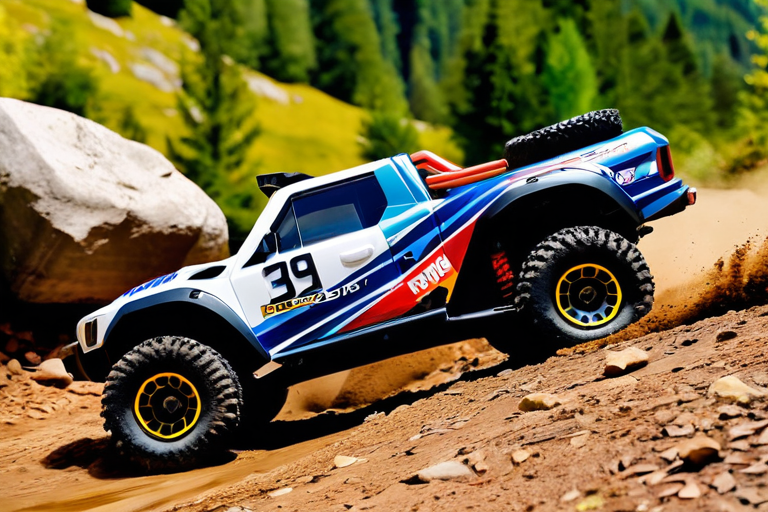
Scale effects create unique physical challenges in miniature off-road operation
One particularly interesting aspect involves surface tension and particle size relationships. At miniature scales, gravel and sand particles represent proportionally larger obstacles, while water and mud exhibit different flow characteristics. Successful vehicle designs account for these factors through specialized tire tread patterns, weight distribution strategies, and chassis clearance optimization.
Engineering Perspective: According to analysis published in the SAE Technical Paper Series, the most successful miniature off-road designs employ a systems approach that balances multiple competing factors: weight minimization versus durability needs, suspension compliance versus handling precision, and power delivery versus traction management.
This systems thinking extends to operational considerations as well. Modern miniature off-road vehicles are designed as part of larger ecosystems that include charging systems, maintenance tools, upgrade components, and even virtual simulation platforms that allow operators to practice and refine their skills in digital environments before applying them to physical vehicles.
Educational and Developmental Impacts
Beyond recreational applications, advanced miniature off-road vehicles serve as powerful educational tools. Their mechanical transparency and modular construction provide tangible examples of engineering principles in action. Educational institutions and STEM programs increasingly incorporate these platforms into curricula focused on robotics, mechanical design, and systems engineering.
The National Science Foundation has documented the effectiveness of hands-on engineering experiences using scaled vehicle platforms. Students engaged with these systems demonstrate improved understanding of concepts like gear ratios, torque multiplication, suspension kinematics, and electronic control systems. The immediate feedback provided by operational vehicles reinforces theoretical learning through practical application.
Furthermore, the competitive aspects of miniature off-road operation—whether in organized racing events or informal challenges—develop valuable skills in problem-solving, strategic thinking, and technical analysis. Participants learn to diagnose performance issues, implement modifications, and optimize setups for specific conditions, mirroring professional engineering practices in accessible, engaging formats.

Miniature vehicle platforms provide hands-on engineering education opportunities
Future Trajectories and Emerging Technologies
The evolution of miniature off-road vehicles shows no signs of slowing. Emerging technologies promise to further enhance capabilities and expand applications. Several areas show particular promise for near-term development:
Computer vision navigation
Terrain recognition algorithms
Obstacle avoidance systems
Path optimization software
Graphene-enhanced components
Self-healing polymers
Phase-change materials
4D-printed structures
Solid-state batteries
Supercapacitor hybrids
Wireless charging
Energy recovery systems
Industry analysis suggests that the convergence of these technologies will create vehicles with unprecedented capabilities. Imagine platforms that can autonomously navigate complex terrain while collecting environmental data, or vehicles that adapt their mechanical characteristics in real-time based on surface conditions. These advancements will further blur the lines between recreational devices and professional tools.
The continued development of miniature off-road vehicles represents more than just technological progress—it embodies a unique intersection of engineering creativity, educational value, and recreational enjoyment. As these platforms evolve, they will continue to inspire new generations of engineers, provide engaging educational experiences, and deliver increasingly sophisticated terrain-conquering capabilities in miniature form.
Industry Perspective: Leading manufacturers are investing significantly in research and development, with particular focus on sustainability and accessibility. According to market analysis from Grand View Research, the global market for advanced remote-controlled vehicles is projected to maintain strong growth, driven by technological innovation and expanding applications in education, research, and professional training.