The Technical Evolution of Miniature Off-Road Vehicles: Engineering Marvels in Small Scale
From backyard adventures to competitive racing circuits, miniature off-road vehicles have undergone a remarkable transformation, evolving from simple toys into sophisticated engineering platforms that replicate real-world vehicle dynamics with astonishing accuracy.
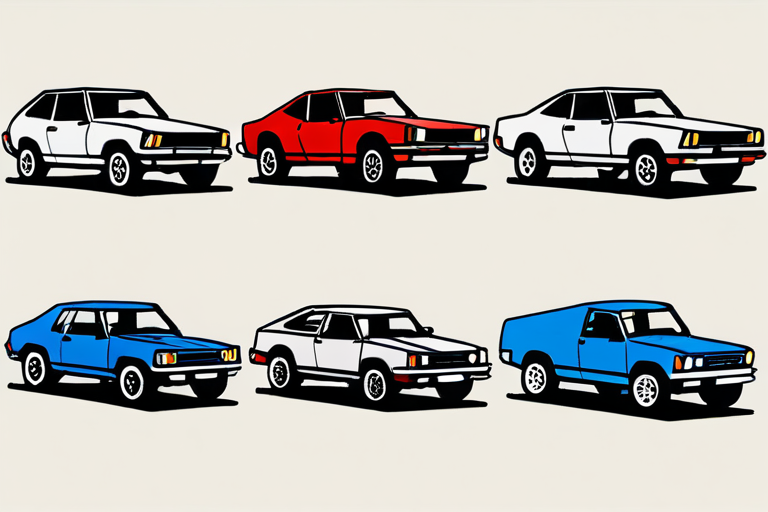
The progression from basic wind-up toys to sophisticated RC platforms represents decades of engineering innovation
Early Beginnings: From Simple Mechanisms to Basic Remote Control
The journey of toy off-road vehicles began in the mid-20th century with simple mechanical designs. According to HobbyTron's historical archives, the first mass-produced off-road toys were wind-up vehicles with limited terrain capabilities. These early models, produced by companies like Tamiya and Associated Electrics in the 1970s, featured basic suspension systems and were primarily designed for flat surfaces.
As noted in RC Car Action's technical history, the 1980s marked a significant turning point with the introduction of proportional radio control systems. This technology allowed for more precise steering and throttle control, enabling vehicles to navigate rougher terrain. The Kyosho Optima, released in 1986, became a landmark model with its independent suspension system and oil-filled shocks—features previously unseen in the toy market.
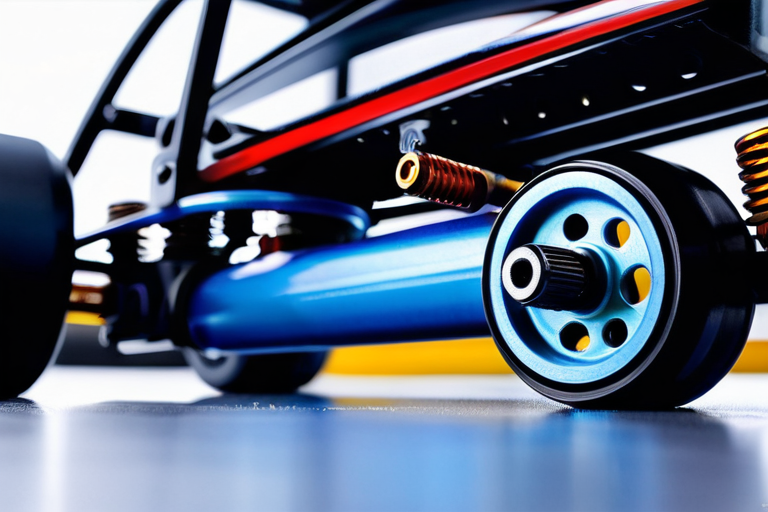
Modern miniature suspension systems mirror full-scale vehicle engineering principles
The evolution of suspension systems represents one of the most significant technical advancements. Early models used simple leaf springs or torsion bars, while contemporary vehicles feature multi-link setups with oil-filled dampers that provide adjustable compression and rebound characteristics.
Materials Revolution: From Plastic to Performance Composites
The materials used in miniature off-road vehicles have evolved dramatically. Early models relied heavily on ABS plastic and basic metals, limiting their durability and performance. As documented by Horizon Hobby's technical resources, the introduction of glass-filled nylon in the 1990s provided a significant improvement in strength-to-weight ratio.
Today's high-performance models incorporate advanced materials that were once exclusive to aerospace and automotive industries. Carbon fiber chassis, aluminum alloy components, and specialized rubber compounds for tires have become standard in competition-grade vehicles. These materials not only enhance durability but also allow for more precise tuning and customization.
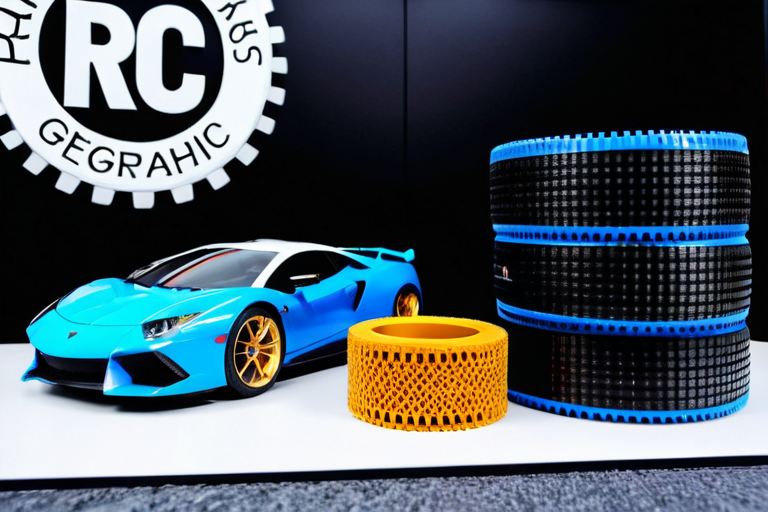
Material evolution from basic plastics to advanced composites has transformed vehicle performance
Power Systems: Brushed to Brushless Revolution
The power systems in miniature off-road vehicles have undergone multiple revolutions. Early electric models used simple brushed motors with nickel-cadmium batteries, offering limited runtime and performance. The shift to nickel-metal hydride batteries in the late 1990s provided better energy density, but the real breakthrough came with lithium polymer (LiPo) technology.
As explained in AMain Hobbies' technical guides, the introduction of brushless motor systems transformed the performance envelope. These systems offer higher efficiency, greater power output, and reduced maintenance compared to brushed counterparts. Modern sensorless brushless systems can deliver power outputs exceeding 1000 watts in 1/10 scale vehicles—equivalent to approximately 13 horsepower when scaled to full-size.
Technical Specifications Comparison
1980s Era
- Brushed 540 motors
- NiCd batteries (7.2V)
- Mechanical speed controls
- Approx. 15-20 mph top speed
2000s Era
- Early brushless systems
- LiPo batteries (11.1V)
- Electronic speed controls
- Approx. 35-45 mph top speed
Current Generation
- Sensorless brushless motors
- High-C LiPo batteries (14.8V+)
- Smart telemetry systems
- 60+ mph capability
Suspension and Chassis Design: Miniature Engineering Excellence
The suspension systems in modern miniature off-road vehicles represent some of the most sophisticated engineering in the toy industry. According to technical analysis from RC Tech Network, contemporary designs often feature multi-link suspension systems with adjustable camber, caster, and toe angles—mirroring the adjustability found in full-scale racing vehicles.
Chassis design has evolved from simple ladder frames to sophisticated monocoque and tub designs. The integration of differential systems, including limited-slip and locking differentials, allows for superior traction management across varied terrain. These systems are often tunable, enabling enthusiasts to optimize performance for specific conditions.
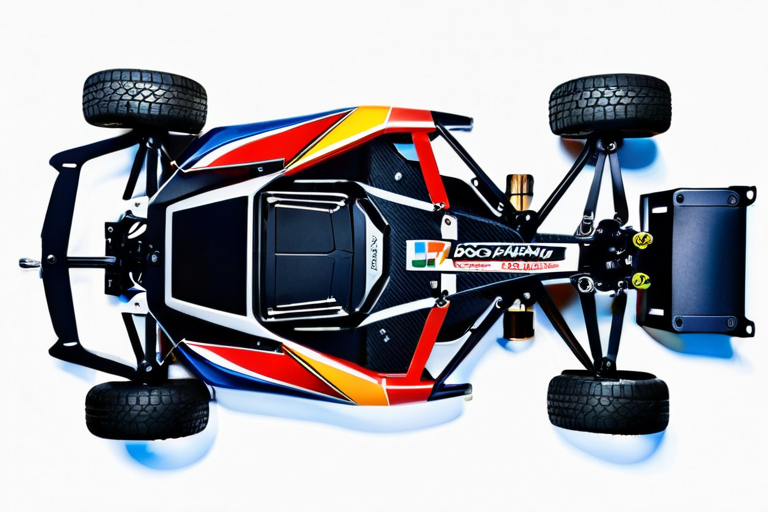
Modern chassis designs incorporate multiple tuning points for precise handling adjustment
Advanced vehicles now feature center differentials, adjustable anti-roll bars, and progressive rate springs. The ability to fine-tune suspension geometry allows these miniature vehicles to handle jumps, bumps, and turns with remarkable stability. Some competition models even incorporate active suspension systems that adjust damping rates based on terrain feedback.
As noted in industry publications, the scale effect presents unique engineering challenges. At 1/10 scale, vehicles experience different weight distribution and inertia characteristics compared to full-size counterparts. Engineers must account for these factors when designing suspension components to ensure realistic handling characteristics.
Electronic Systems: From Basic Radio to Smart Technology
The electronic systems controlling miniature off-road vehicles have evolved from simple AM radio systems to sophisticated 2.4GHz spread spectrum technology with telemetry capabilities. Modern systems offer interference-free operation, multiple model memory, and programmable mixing functions.
According to technical documentation from Spektrum RC, contemporary systems incorporate gyroscopic stabilization, traction control, and launch control features previously found only in high-end automotive applications. These electronic aids help maintain vehicle stability during aggressive maneuvers while still allowing experienced drivers to disable them for pure manual control.

Electronic systems have progressed from basic radio control to sophisticated computer-managed platforms
Scale Realism and Detail: Beyond Basic Representation
Modern miniature off-road vehicles achieve remarkable levels of scale realism. Beyond functional accuracy, manufacturers now focus on aesthetic details that enhance the immersive experience. Licensed body shells with accurate graphics, detailed interiors, and functional lighting systems contribute to the overall realism.
The scale modeling community, as documented by Scale 4x4 RC, has driven demand for highly detailed accessories and customization options. From scale recovery gear to miniature camping equipment, enthusiasts can create complete off-road scenarios with astonishing attention to detail.
Key Engineering Innovations Timeline
1979: Tamiya releases the Rough Rider, introducing independent front suspension to the mass market
1986: Kyosho Optima features oil-filled shocks and ball differentials
1994: Traxxas T-Maxx introduces reverse gear and two-speed transmission
2004: First widespread adoption of brushless motor systems
2010: Introduction of gyroscopic stabilization systems
2018: Smart battery technology with telemetry integration
2022: Active suspension systems in production models
Educational and Developmental Impact
Beyond entertainment, miniature off-road vehicles serve as valuable educational tools. According to research cited by STEM educational resources, working with these vehicles introduces fundamental concepts in physics, engineering, and electronics. The hands-on nature of maintenance, repair, and customization develops practical skills in mechanical systems, electrical circuits, and problem-solving.
The competitive aspect of RC racing fosters sportsmanship, strategic thinking, and technical understanding. Many professional engineers and technicians credit their early experiences with RC vehicles as foundational to their career development.
The community aspect of the hobby has grown significantly, with local clubs, regional competitions, and international events. These gatherings not only provide competitive opportunities but also facilitate knowledge sharing and technical collaboration among enthusiasts of all ages.
Manufacturers have recognized this educational potential, with several companies developing specifically designed educational kits that focus on STEM principles. These kits often include detailed explanations of the engineering concepts at work, making them valuable resources for both formal and informal education settings.
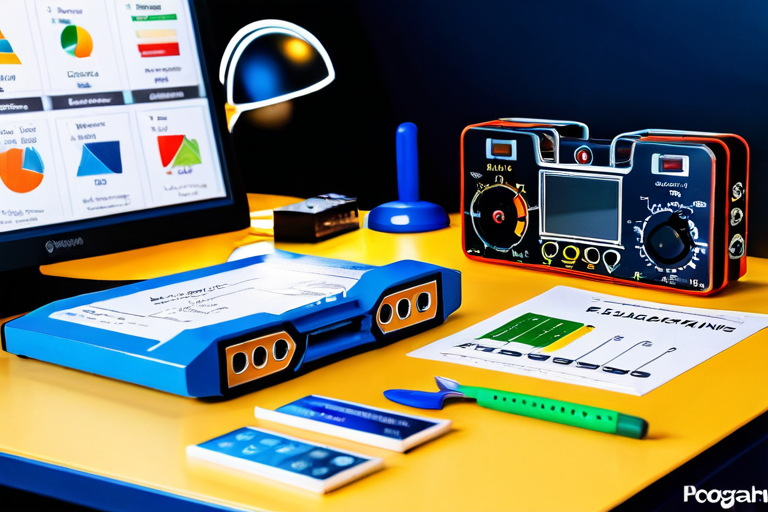
RC vehicles serve as practical tools for teaching mechanical and electrical principles
Future Directions and Technological Integration
The future of miniature off-road vehicles points toward increased integration with digital technologies. Augmented reality applications that overlay performance data onto real-world driving environments are already in development. These systems could provide real-time telemetry, virtual racing lines, and performance analytics.
Advancements in battery technology continue to push performance boundaries. Solid-state batteries promise even higher energy densities and faster charging times, potentially eliminating one of the last remaining limitations in electric RC vehicle performance.
Autonomous driving features, initially developed for research and development purposes, may eventually filter down to consumer products. These systems could include self-righting capabilities, obstacle avoidance, and even limited autonomous navigation for specific applications.
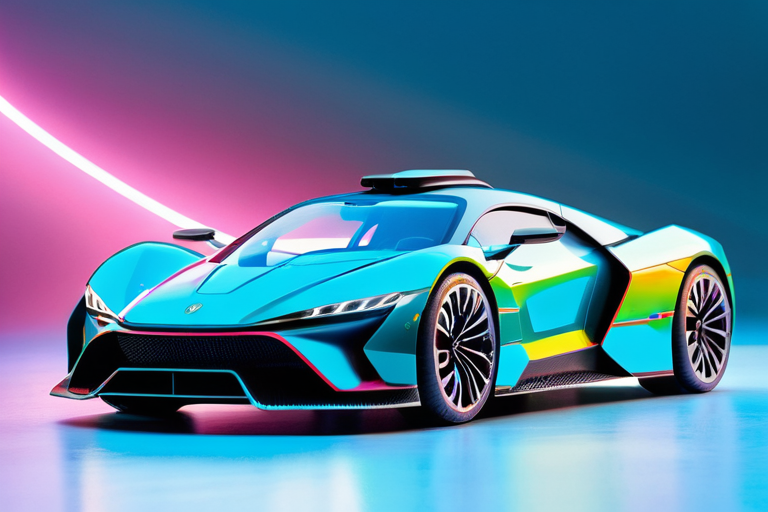
Future developments may include augmented reality interfaces and advanced autonomous features
Conclusion: Engineering Excellence in Miniature
The evolution of miniature off-road vehicles represents a remarkable convergence of play and engineering. What began as simple toys has grown into a sophisticated hobby that incorporates advanced materials science, electrical engineering, mechanical design, and digital technology.
These vehicles continue to push the boundaries of what's possible at small scales, serving not only as sources of entertainment but also as platforms for technical education and innovation. As technology continues to advance, miniature off-road vehicles will likely incorporate even more sophisticated systems, further blurring the line between toy and technical instrument.
The enduring appeal of these vehicles lies in their ability to combine technical sophistication with accessible fun—a combination that ensures their continued evolution and popularity for generations to come.