The Rugged World of Toy Off-Road Vehicles: Engineering Marvels in Miniature
Toy off-road vehicles represent one of the most fascinating intersections of play and engineering. These miniature machines, often dismissed as simple toys, actually incorporate sophisticated mechanical principles and advanced materials that mirror their full-sized counterparts. From basic friction-powered models to complex remote-controlled systems, the evolution of these vehicles tells a story of technological progress and changing play patterns.
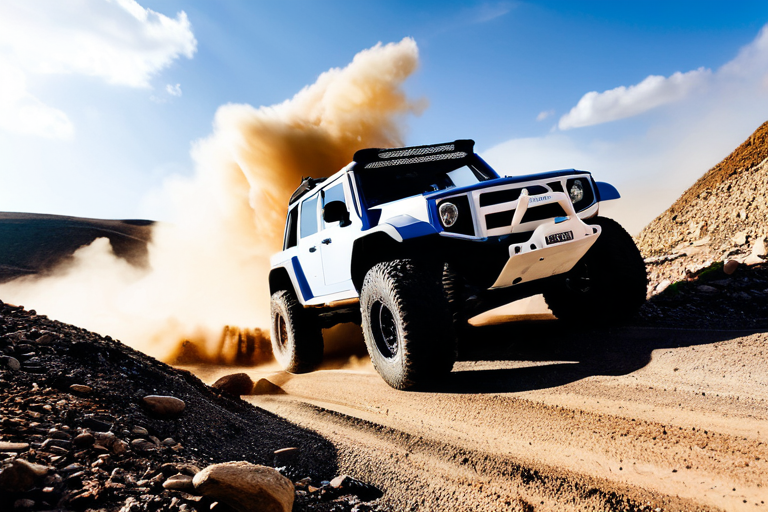
A modern RC off-road vehicle demonstrates its capabilities on challenging terrain
The Technical Foundation: More Than Just Toys
According to engineering experts at ASME (American Society of Mechanical Engineers), toy off-road vehicles serve as excellent educational tools for understanding basic mechanical principles. The suspension systems in these miniature vehicles, for instance, often employ sophisticated designs that include:
- Independent suspension systems that allow each wheel to react independently to terrain changes
- Oil-filled shock absorbers in higher-end models that provide realistic damping
- Multi-link setups that maintain optimal tire contact with uneven surfaces
- Progressive spring rates that adjust to different impact forces
These features aren't merely cosmetic. As noted in research from the SAE International, the suspension designs in quality toy off-road vehicles often scale down real automotive engineering principles, making them valuable teaching tools for aspiring engineers.
Power Systems Evolution: From Wind-Up to Wireless
The power systems in toy off-road vehicles have undergone remarkable transformation. Early models relied on simple mechanisms:
Mechanical Era
Spring-powered mechanisms dominated early designs, with friction motors providing limited but reliable propulsion. These systems, while simple, introduced children to concepts of potential and kinetic energy.
Electric Revolution
The introduction of battery-powered systems in the 1970s revolutionized the category. According to IEEE, these systems allowed for more consistent power delivery and paved the way for remote control functionality.
Digital Age
Modern systems incorporate brushless motors, lithium-polymer batteries, and sophisticated electronic speed controllers that rival professional racing equipment in their complexity and performance.
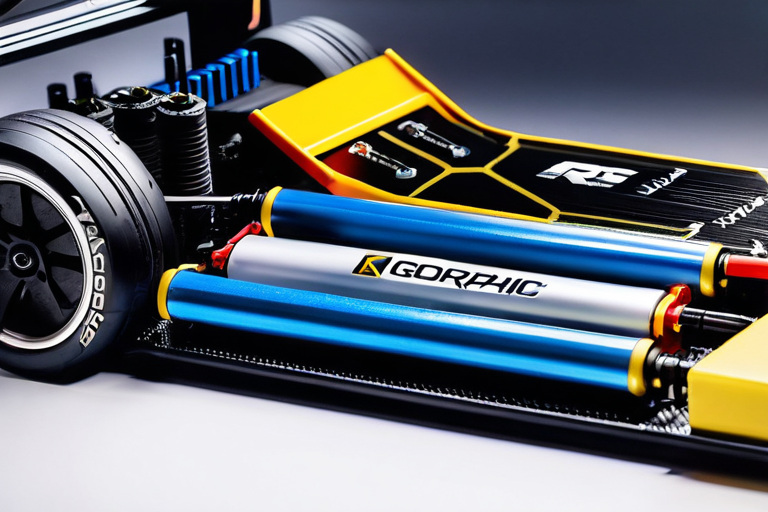
Modern RC vehicles feature sophisticated electronic components and power systems
Materials Science in Miniature
The materials used in toy off-road vehicles have evolved significantly, driven by both performance requirements and safety considerations. Early models primarily used:
- Die-cast metal for weight and durability
- ABS plastic for body shells and structural components
- Rubber compounds for tires with varying hardness levels
Contemporary models, as documented by the ASTM International, incorporate advanced materials including:
Carbon fiber composites for chassis components that require high strength-to-weight ratios
Aluminum alloys for suspension components and drivetrain parts
Advanced polymer blends that offer improved impact resistance and flexibility
Specialized tire compounds designed for specific terrain types (mud, sand, rock)
These material advancements haven't just improved performance—they've also enhanced safety. Modern toy vehicles undergo rigorous testing to ensure they meet international safety standards, particularly important for products intended for younger users.
The Educational Value: Beyond Simple Play
Research from educational institutions, including studies cited by NSTA (National Science Teaching Association), demonstrates that toy off-road vehicles offer significant educational benefits:
STEM Learning
These toys introduce fundamental concepts in physics, engineering, and mathematics through hands-on experience with gear ratios, torque, and mechanical advantage.
Problem Solving
Navigating challenging terrain requires understanding vehicle capabilities and limitations, developing critical thinking and spatial reasoning skills.
Technical Literacy
Modern RC systems introduce users to basic electronics, radio frequency technology, and battery management systems.
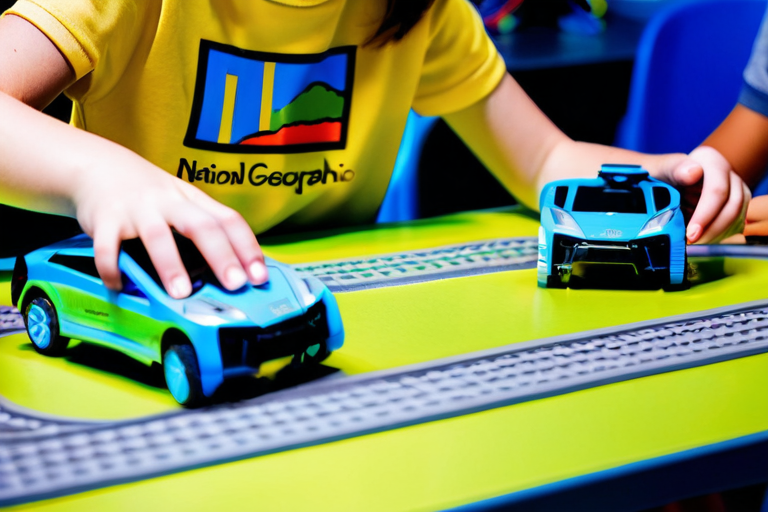
Educational applications of toy vehicles in STEM learning environments
The Competitive Scene: From Backyard to Professional Racing
What began as casual play has evolved into organized competitive racing. According to the International Federation of Model Auto Racing (IFMAR), organized RC off-road racing includes multiple disciplines:
| Discipline | Vehicle Type | Key Features |
|---|---|---|
| Short Course Truck | 1:10 scale | Enclosed bodies, realistic appearance |
| Buggy Racing | 1:8 scale | Open-wheel design, high suspension travel |
| Crawler Competition | 1:10 scale | Slow-speed technical terrain navigation |
| Stadium Truck | 1:10 scale | Hybrid design combining buggy and truck features |
These competitions aren't just about driving skill—they involve technical preparation, vehicle tuning, and strategic planning. Professional racers often work with engineers to optimize their vehicles for specific track conditions, creating a microcosm of professional motorsports.
Future Directions: Technology Integration
The future of toy off-road vehicles points toward increased technological integration. Industry analysts, including those from The Toy Association, identify several emerging trends:
Emerging Technologies
- Augmented Reality Integration: Combining physical play with digital overlays that provide additional challenges and information
- Advanced Telemetry: Real-time data collection on vehicle performance, battery status, and environmental conditions
- Autonomous Features: Self-righting mechanisms, obstacle avoidance, and automated terrain adaptation
- Sustainable Materials: Increased use of biodegradable plastics and recycled components
- Connectivity: Cloud-based tracking of performance metrics and social sharing of achievements
These developments suggest that toy off-road vehicles will continue to evolve, maintaining their appeal across generations while incorporating technologies that reflect broader trends in both the toy industry and automotive engineering.

Concept designs showing potential future directions for toy off-road vehicle technology
Conclusion: The Enduring Appeal of Miniature Adventure
Toy off-road vehicles occupy a unique position at the intersection of play, education, and engineering. Their evolution from simple mechanical toys to sophisticated remote-controlled machines reflects broader technological trends while maintaining their core appeal: the joy of exploration and conquest of challenging terrain.
As noted by child development experts and engineering educators alike, these miniature vehicles offer more than just entertainment. They serve as accessible entry points into mechanical principles, problem-solving methodologies, and technical literacy. Whether used for casual backyard play, educational purposes, or competitive racing, toy off-road vehicles continue to captivate users of all ages while quietly advancing the boundaries of what's possible in miniature engineering.
The continued innovation in this space—driven by advances in materials science, electronics, and digital integration—ensures that toy off-road vehicles will remain relevant and exciting for future generations, continuing their legacy as both playthings and educational tools that inspire curiosity about the mechanical world.
Sources and Further Reading:
- American Society of Mechanical Engineers (ASME) - Educational Resources
- SAE International - Automotive Engineering Publications
- IEEE - Electrical and Electronics Engineering Research
- ASTM International - Materials Standards and Research
- National Science Teaching Association (NSTA) - STEM Education Studies
- International Federation of Model Auto Racing (IFMAR) - Competition Standards
- The Toy Association - Industry Reports and Trends Analysis