The Miniature Terrain Masters: How Toy Off-Road Vehicles Bridge Play and Precision Engineering
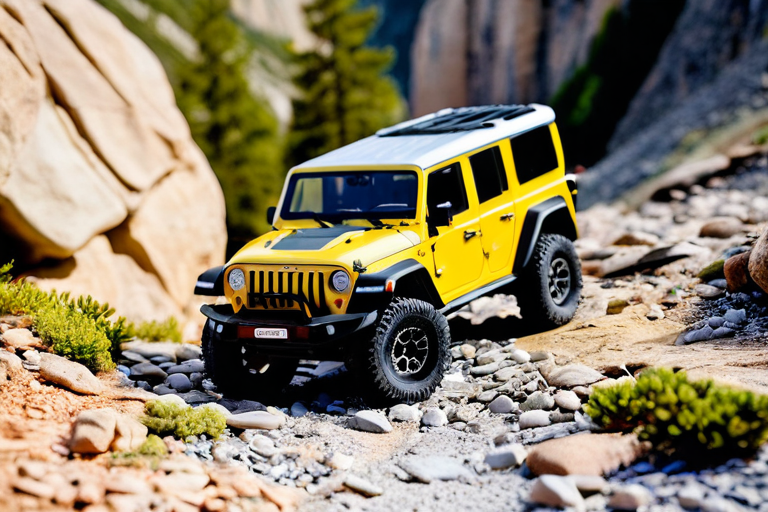
In the realm of miniature engineering, toy off-road vehicles represent a fascinating convergence of play, physics, and precision manufacturing. These scaled-down machines have evolved from simple playthings into sophisticated platforms that replicate real-world vehicle dynamics with astonishing accuracy. The journey from basic plastic toys to high-performance remote-controlled machines reveals a story of technological innovation driven by both hobbyist passion and engineering excellence.
The Evolution of Miniature Suspension Systems
Modern toy off-road vehicles feature suspension systems that rival their full-scale counterparts in complexity and performance. The development of independent suspension systems for miniature vehicles has been particularly revolutionary. According to research published by the American Society of Mechanical Engineers, miniature suspension systems now incorporate:
- Multi-link configurations that maintain tire contact across uneven surfaces
- Oil-filled shock absorbers with adjustable damping rates
- Progressive spring rates that adapt to different terrain types
- Anti-squat and anti-dive geometry for improved handling

The RC Groups technical community has documented how these systems evolved from simple leaf springs in early models to today's sophisticated coil-over shock systems. This progression mirrors developments in full-scale off-road racing, with innovations often appearing in miniature form before being adapted to larger vehicles.
Key Suspension Innovations
Recent advancements include magnetic fluid dampers that provide position-sensitive damping, carbon fiber suspension arms that combine strength with minimal weight, and electronically controlled active suspension systems that adjust in real-time to terrain changes.
Power Systems and Drivetrain Evolution
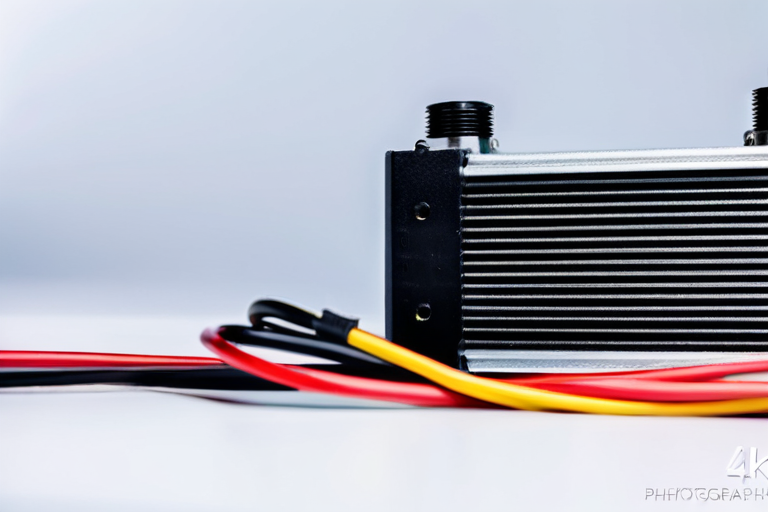
The transition from simple electric motors to sophisticated brushless systems represents another major leap in miniature off-road technology. Modern power systems deliver remarkable power-to-weight ratios, with some high-performance models achieving acceleration that would embarrass many full-scale vehicles.
| Power System Type | Efficiency | Power Output | Typical Applications |
|---|---|---|---|
| Brushed DC Motors | 60-75% | 100-500W | Entry-level models, crawlers |
| Brushless Sensored | 85-92% | 500-2000W | Competition racing, high-speed models |
| Brushless Sensorless | 80-88% | 300-1500W | General purpose, budget performance |
| Hydrogen Fuel Cell | 40-60% | 50-200W | Experimental, educational models |
According to technical analysis from Horizon Hobby's engineering team, modern brushless systems can deliver power more efficiently than many internal combustion engines of similar scale. This efficiency translates to longer run times and more consistent performance across varying conditions.
Terrain Adaptation and Traction Systems
Miniature off-road vehicles excel at adapting to diverse terrain conditions through sophisticated traction management systems. The Traxxas engineering department has pioneered several innovations in this area, including:
- Electronic Traction Control: Systems that modulate power delivery to individual wheels based on slip detection
- Torque Vectoring: Advanced differential systems that improve cornering performance
- Terrain-Specific Tires: Compound and tread pattern optimization for different surfaces
- Active Chassis Systems: Adjustable ride height and stiffness for varying conditions
These systems work together to create vehicles that can navigate everything from loose sand to rocky inclines with remarkable stability. The physics involved in maintaining traction at such small scales presents unique challenges that engineers have addressed through innovative solutions.
Materials Science in Miniature Construction
The materials used in modern toy off-road vehicles represent a fascinating application of advanced materials science. Early models relied heavily on ABS plastics and basic metals, but contemporary vehicles incorporate:
- Carbon fiber composites for chassis and suspension components
- 7075-T6 aluminum for high-stress components
- Self-lubricating polymer composites for bushings and bearings
- Advanced rubber compounds for tires that balance grip and durability
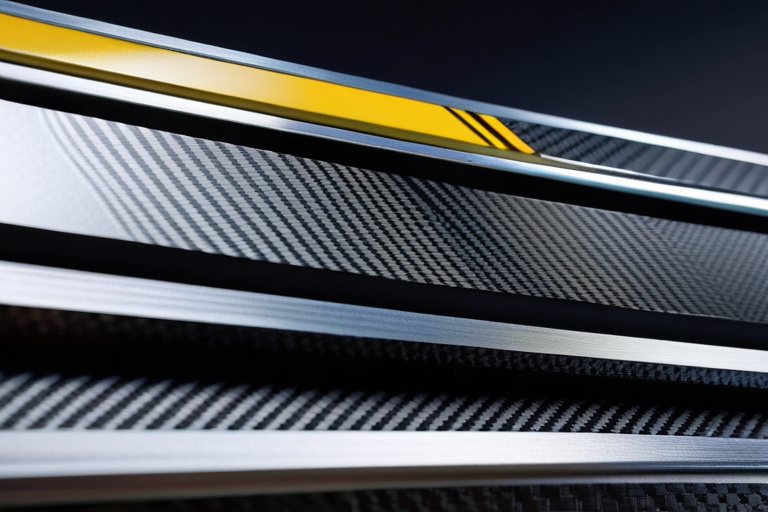
According to materials testing conducted by Team Associated's R&D division, these materials allow miniature vehicles to withstand impacts and stresses that would destroy less sophisticated constructions. The weight savings achieved through material selection directly translate to improved performance and handling characteristics.
Digital Integration and Control Systems
The digital revolution has transformed toy off-road vehicles from simple radio-controlled devices to sophisticated platforms with extensive electronic integration. Modern control systems feature:
Advanced Control Features
- 2.4GHz spread spectrum radio systems with frequency hopping
- Gyroscopic stabilization for improved handling
- Programmable electronic speed controllers with multiple profiles
- Telemetry systems monitoring temperature, voltage, and RPM
- Smart battery management with cell balancing
The Spektrum RC technology team has been instrumental in developing these systems, creating control platforms that offer precision previously unavailable in consumer-grade products. These systems not only improve performance but also provide valuable data for tuning and optimization.

Educational Value and Engineering Inspiration
Beyond their entertainment value, toy off-road vehicles serve as powerful educational tools. The FIRST Robotics Competition has documented how exposure to these systems inspires interest in STEM fields among young enthusiasts. Key educational aspects include:
- Mechanical Principles: Hands-on experience with gear ratios, leverage, and mechanical advantage
- Electrical Systems: Understanding power management, motor control, and circuit design
- Physics Applications: Practical demonstrations of friction, momentum, and energy transfer
- Problem Solving: Troubleshooting and optimization based on performance data
Future Directions and Emerging Technologies
The future of toy off-road vehicles points toward even greater integration of advanced technologies. Industry analysts from HobbyTown International identify several emerging trends:
- Autonomous Navigation: Systems that allow vehicles to navigate courses without continuous human input
- Augmented Reality Integration: Overlaying performance data and virtual elements on real-world driving
- Advanced Energy Storage: Next-generation batteries with improved energy density and faster charging
- Biomimetic Design: Systems inspired by biological locomotion for improved terrain adaptation
These developments promise to further blur the line between toys and serious engineering platforms, creating vehicles that are both entertaining and technologically sophisticated.
Conclusion: The Enduring Appeal of Precision in Miniature
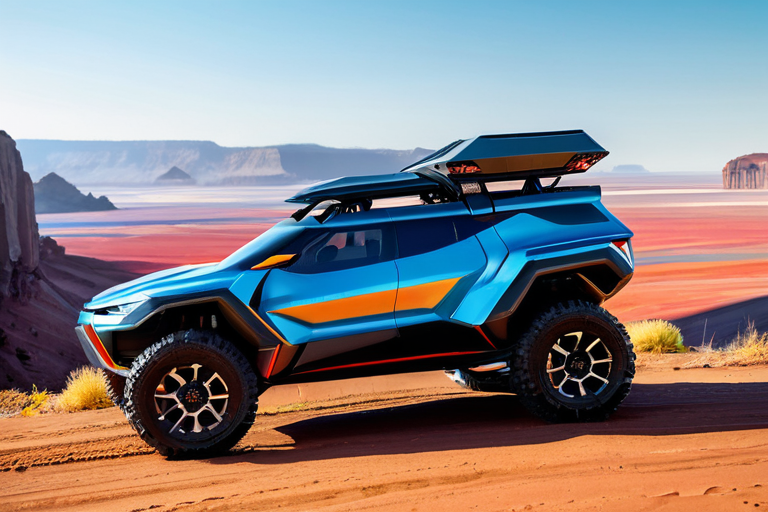
Toy off-road vehicles represent a remarkable achievement in miniature engineering, combining sophisticated mechanical systems, advanced materials, and digital technology in packages that are both accessible and technically impressive. These vehicles continue to evolve, driven by passionate communities of enthusiasts and professional engineers alike.
The intersection of play and precision engineering in these miniature machines creates a unique platform for innovation, education, and entertainment. As technology continues to advance, toy off-road vehicles will likely become even more sophisticated, further demonstrating how small-scale engineering can achieve remarkable results.