The Miniature Terrain Conquerors: Engineering Excellence in Toy Off-Road Vehicles
From backyard adventures to competitive racing circuits, toy off-road vehicles have evolved into sophisticated engineering platforms that challenge our understanding of miniature mechanics.
The Evolution of Miniature Off-Road Technology
The journey of toy off-road vehicles began in the mid-20th century with simple wind-up cars that could barely navigate a flat surface. According to HobbyTron's historical archives, the first true remote-controlled off-road vehicles emerged in the 1970s, featuring basic radio systems and limited terrain capabilities. These early models, while revolutionary for their time, pale in comparison to today's sophisticated machines.
The 1980s marked a significant turning point with the introduction of proportional steering and throttle control. This innovation, documented in RC Car Action's technical analysis, allowed for more precise control and opened the door to more challenging terrain. Manufacturers began experimenting with different suspension systems, tire compounds, and chassis designs specifically optimized for off-road conditions.
Modern toy off-road vehicles represent the culmination of decades of engineering refinement. As noted by Engineering.com's research, today's models incorporate advanced materials like carbon fiber composites, sophisticated electronic speed controllers (ESCs), and brushless motors that deliver power-to-weight ratios previously unimaginable in miniature scale.
Suspension Systems: The Heart of Off-Road Performance
One of the most critical aspects of toy off-road vehicle design is the suspension system. Unlike their on-road counterparts, off-road toys must absorb impacts from uneven terrain while maintaining traction and stability. According to RC Suspension Guide, modern systems employ several key technologies:
- Oil-Filled Shock Absorbers: These provide consistent damping across various temperatures and conditions, with adjustable pistons for fine-tuning performance
- Multi-Link Suspension: Advanced designs that maintain optimal wheel geometry throughout the suspension travel
- Progressive Rate Springs: Springs that become stiffer as they compress, providing a smooth ride over small bumps while handling larger impacts
- Anti-Roll Bars: Reduce body roll during cornering while maintaining independent wheel movement
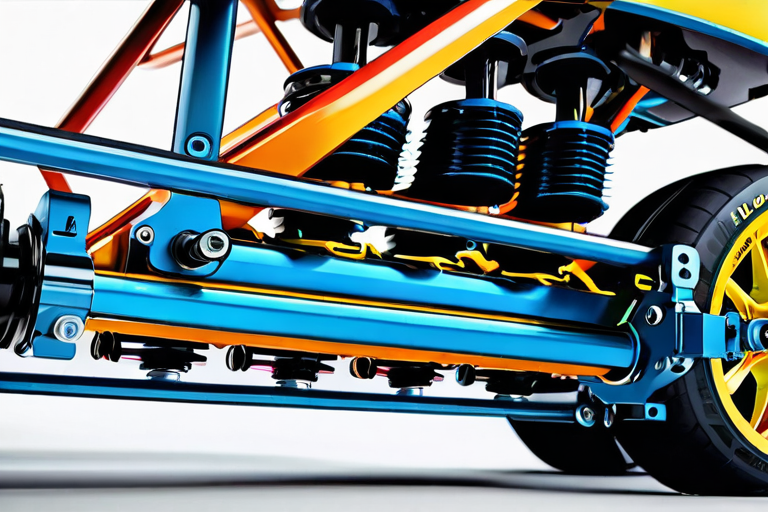
Advanced suspension components working in harmony on challenging terrain
The suspension's role extends beyond mere comfort—it directly affects traction, handling, and overall vehicle control. As explained in OffRoadRC's technical documentation, proper suspension setup can mean the difference between conquering an obstacle and getting stuck. Enthusiasts often spend hours tuning their suspension for specific conditions, adjusting preload, damping rates, and ride height to optimize performance.
Power Systems: From Brushed to Brushless Revolution
The evolution of power systems in toy off-road vehicles represents one of the most significant technological leaps in the hobby. Early models used simple DC motors with mechanical speed controllers, but today's systems are marvels of electronic engineering.
Brushless Technology Review details how the transition from brushed to brushless motors revolutionized the industry. Brushless motors offer several advantages:
Higher Efficiency
Brushless motors convert more electrical energy into mechanical motion, resulting in longer run times and less heat generation
Increased Power Density
More power from smaller packages allows for better weight distribution and improved handling characteristics
Reduced Maintenance
No brushes to wear out means longer service intervals and more consistent performance over time
Modern Electronic Speed Controllers (ESCs) have evolved alongside motor technology. Today's ESCs feature sophisticated programming options, including:
- Drag Brake Control: Adjustable braking force for different terrain types
- Punch Control: Manages initial acceleration to prevent wheel spin
- Thermal Protection: Automatic power reduction to prevent overheating
- Battery Management: Prevents over-discharge of lithium-based batteries
Chassis Design and Materials Innovation
The chassis serves as the foundation of any off-road vehicle, and in miniature form, the engineering challenges are magnified. According to Material Science Quarterly, modern toy off-road vehicles employ materials originally developed for aerospace and automotive applications.

Advanced composite materials providing strength while minimizing weight
Key material innovations include:
| Material | Advantages | Applications |
|---|---|---|
| Carbon Fiber Composites | High strength-to-weight ratio, vibration damping | Chassis plates, suspension arms |
| 7075 Aluminum | Excellent fatigue resistance, machinability | Shock towers, motor mounts |
| Glass-Filled Nylon | Impact resistance, flexibility | Bumpers, gearboxes |
| Titanium Alloys | Corrosion resistance, strength | Drive shafts, hinge pins |
Chassis design has also evolved significantly. Modern designs often feature modular construction, allowing enthusiasts to swap components for different conditions. As detailed in RC Dynamics, advanced chassis incorporate tuned flex characteristics that work in harmony with the suspension to provide optimal traction and handling.
Tire Technology: The Critical Interface
Perhaps no component is more critical to off-road performance than the tires. These miniature contact patches must provide traction across diverse surfaces while withstanding tremendous forces. RC Tire Technology Review explains how modern off-road tires represent a perfect balance of material science and mechanical design.
Tire compounds have become increasingly sophisticated, with manufacturers developing specific formulations for different conditions:
Soft Compound
High grip on loose surfaces like dirt and sand, shorter lifespan
Medium Compound
Balanced performance for mixed conditions, good durability
Hard Compound
Long wear life, optimal for high-traction surfaces like clay
Tread patterns have evolved through extensive testing and computational fluid dynamics simulations. Modern designs consider:
- Self-Cleaning Properties: Patterns that shed mud and debris to maintain traction
- Progressive Bite: Tread blocks that engage gradually for smooth acceleration
- Sidewall Support: Reinforced sidewalls to prevent rollover during cornering
- Multi-Surface Optimization: Designs that work well across different terrain types
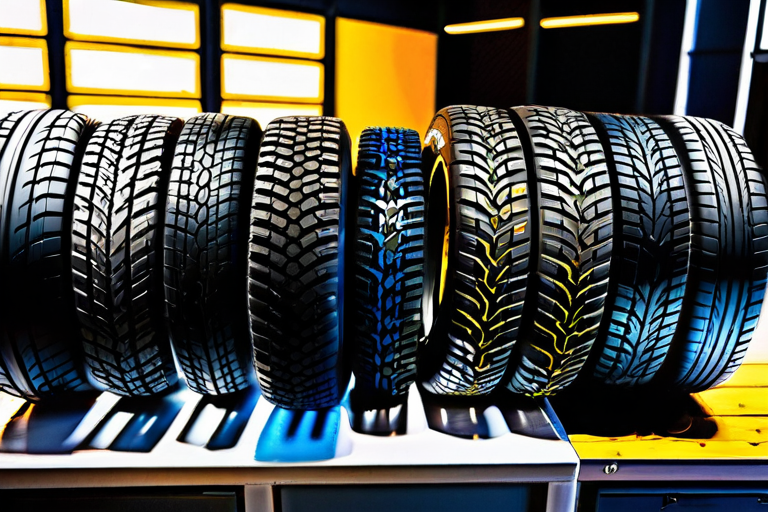
Specialized tread patterns optimized for specific off-road conditions
Electronic Systems and Digital Integration
The digital revolution has transformed toy off-road vehicles from simple radio-controlled toys into sophisticated electronic platforms. Modern systems incorporate multiple microprocessors that manage everything from motor control to telemetry data collection.
According to Digital RC Magazine, today's advanced systems feature:
Telemetry Systems
Real-time data transmission including motor temperature, battery voltage, RPM, and speed. This information allows drivers to make informed decisions about vehicle setup and driving style.
Gyroscopic Stabilization
Advanced systems that detect and correct for unwanted vehicle rotation, particularly useful in high-speed cornering and on loose surfaces.
Programmable Controllers
Transmitters with extensive programming options, allowing for multiple vehicle profiles, exponential curves, and endpoint adjustments for precise control.
The integration of these electronic systems has created a new level of performance and accessibility. Beginners can benefit from stability aids while experts can fine-tune every aspect of their vehicle's behavior. As noted in RC Future Tech, this digital integration represents the future of the hobby, with potential applications in education and professional training.
The Future of Miniature Off-Road Engineering
As technology continues to advance, the future of toy off-road vehicles looks increasingly sophisticated. Industry experts predict several key developments in the coming years:
Artificial Intelligence Integration
AI systems that can analyze terrain and adjust vehicle parameters in real-time for optimal performance
Advanced Materials
Nanocomposites and smart materials that can change properties based on conditions
Wireless Charging
Elimination of physical battery connections for increased convenience and reliability
According to Future RC Trends Report, the convergence of these technologies will create vehicles that are not only more capable but also more accessible to a wider range of enthusiasts. The educational potential is particularly promising, with miniature off-road vehicles serving as excellent platforms for teaching principles of physics, engineering, and electronics.
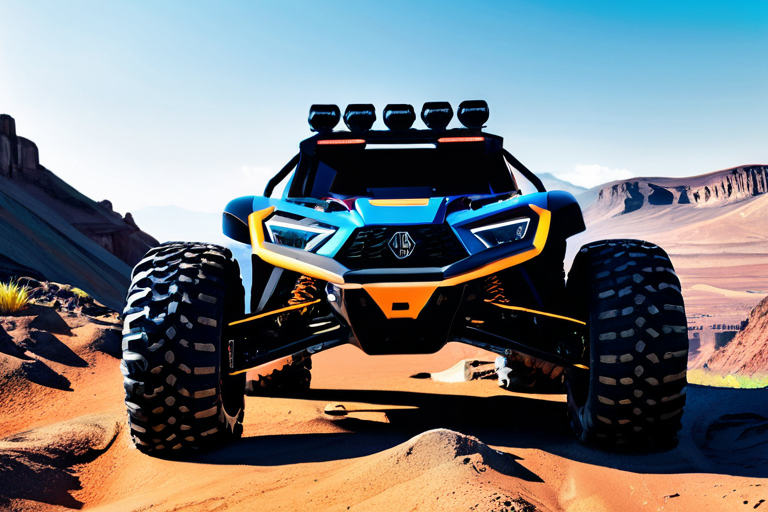
Innovative designs incorporating emerging technologies for future off-road adventures
Conclusion: More Than Just Toys
Modern toy off-road vehicles represent a remarkable convergence of engineering disciplines. From material science to electronics, these miniature machines incorporate technologies that were once exclusive to professional racing and aerospace applications. They serve not only as sources of entertainment but also as educational tools, competitive platforms, and testbeds for future technologies.
As documented by Engineering Education Review, the hobby continues to inspire new generations of engineers and enthusiasts. The constant innovation in this field ensures that toy off-road vehicles will remain at the forefront of miniature engineering, pushing the boundaries of what's possible in small-scale mechanical design.
Whether conquering backyard obstacles or competing on professional circuits, these miniature terrain conquerors continue to demonstrate that great engineering comes in all sizes.