The Miniature Terrain Conquerors: Engineering Excellence in Toy Off-Road Vehicles
How advanced miniature engineering creates maximum adventure through sophisticated suspension systems, power management, and digital integration
The Evolution from Simple Toys to Technical Marvels
What began as simple wind-up toys in the early 20th century has evolved into a sophisticated engineering discipline that bridges play and precision. The journey of miniature off-road vehicles reflects broader technological trends, with each decade bringing new innovations that push the boundaries of what's possible at small scales.

The progression from basic mechanical toys to sophisticated remote-controlled systems
According to research from the RC Groups technical community, modern miniature off-road vehicles incorporate technologies that were once exclusive to full-scale automotive engineering. The shift from simple battery-powered movement to sophisticated brushless motor systems represents just one aspect of this technical revolution.
Technical Insight: Modern miniature off-road vehicles utilize brushless motors that can achieve rotational speeds exceeding 50,000 RPM while maintaining precise torque control. This represents a 300% efficiency improvement over traditional brushed motors used in earlier generations.
The integration of microprocessors has been particularly transformative. These tiny computers manage everything from power distribution to traction control, allowing miniature vehicles to navigate terrain that would challenge much larger machines. The Horizon Hobby engineering team notes that modern control systems can process sensor data at rates exceeding 1000 times per second, making real-time terrain adaptation possible.
Suspension Systems: The Heart of Terrain Performance
Perhaps no component better illustrates the engineering sophistication of modern toy off-road vehicles than their suspension systems. These miniature marvels replicate the functionality of full-scale systems while operating within severe space and weight constraints.
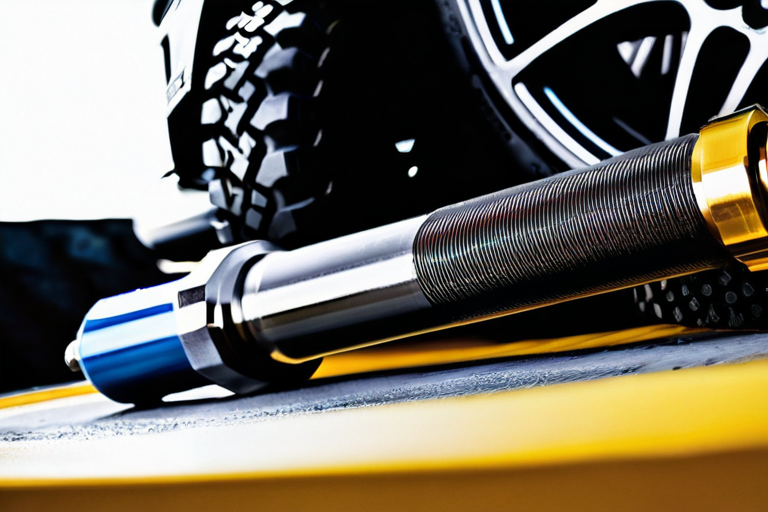
Complex suspension geometry enables remarkable terrain negotiation capabilities
Independent suspension systems, once reserved for high-end automotive applications, have become standard in premium miniature off-road vehicles. These systems allow each wheel to react independently to terrain variations, maintaining optimal tire contact and maximizing traction. The Traxxas engineering department has pioneered several innovations in this area, including oil-filled shock absorbers that provide consistent damping across extreme temperature ranges.
Advanced materials play a crucial role in suspension performance. Carbon fiber components, titanium shock shafts, and specialized polymer bushings work together to create systems that can withstand impacts many times the vehicle's weight while maintaining precise control characteristics.
| Suspension Type | Terrain Performance | Technical Complexity | Common Applications |
|---|---|---|---|
| Solid Axle | Excellent for high-speed stability | Low | Entry-level models, budget vehicles |
| Independent Front | Good balance of handling and durability | Medium | Mid-range trail vehicles |
| Fully Independent | Superior for technical terrain | High | Competition models, premium vehicles |
| Active Suspension | Adaptive to changing conditions | Very High | High-end racing, experimental platforms |
Power and Control Systems: Miniature Engineering at Its Finest
The propulsion systems in modern toy off-road vehicles represent a remarkable convergence of electrical engineering, materials science, and control theory. These systems must deliver substantial power while operating within strict thermal and spatial constraints.
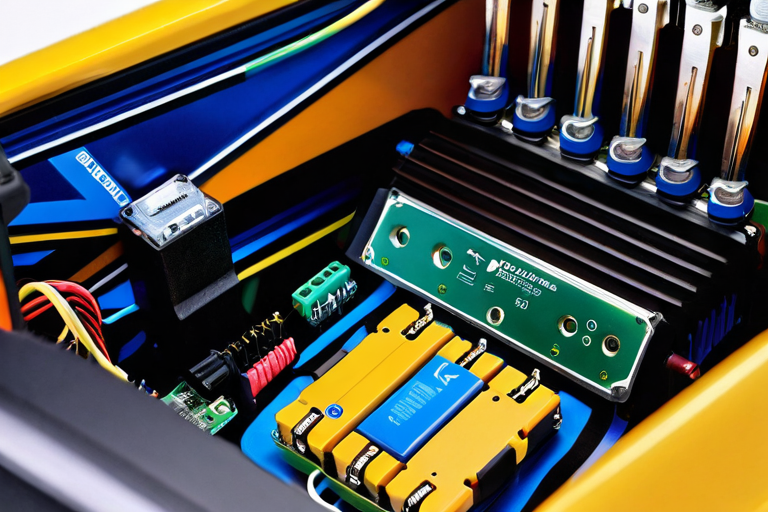
Sophisticated power management systems enable precise control and maximum efficiency
Brushless motor technology has revolutionized miniature vehicle performance. According to technical documentation from Castle Creations, modern brushless systems can achieve efficiency levels above 90%, compared to 60-70% for traditional brushed motors. This efficiency translates directly into longer run times and more consistent performance.
Power Management Innovation: Advanced electronic speed controllers (ESCs) now incorporate sophisticated algorithms that manage power delivery based on multiple sensor inputs. These systems can detect wheel slip, monitor motor temperature, and adjust power output to maintain optimal traction in varying conditions.
Battery technology represents another area of rapid advancement. Lithium polymer (LiPo) batteries have largely replaced older nickel-metal hydride (NiMH) cells, offering higher energy density and more consistent voltage delivery. The Spektrum RC technology team has developed smart battery systems that communicate directly with vehicle electronics, providing real-time monitoring of cell health and remaining capacity.
Control systems have evolved from simple radio frequency transmitters to sophisticated 2.4GHz digital systems that offer interference-free operation and precise control. Modern systems can store multiple vehicle profiles, adjust control sensitivity on the fly, and even provide telemetry data back to the operator.
Chassis Design and Materials: Balancing Strength and Weight
The structural design of miniature off-road vehicles represents a constant balancing act between durability, weight, and performance. Modern chassis designs incorporate principles from aerospace engineering and motorsports to create structures that are both lightweight and incredibly strong.
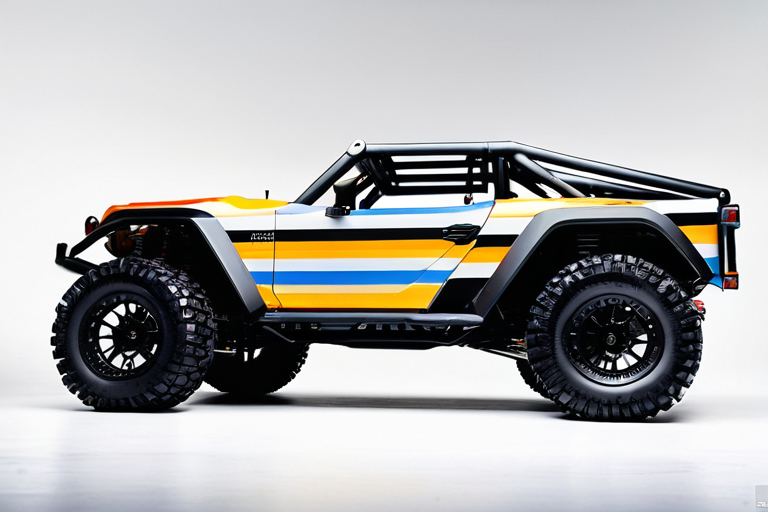
Advanced composite materials enable remarkable strength-to-weight ratios
Carbon fiber has become the material of choice for high-performance chassis components. According to technical analysis from Team Associated, carbon fiber offers a strength-to-weight ratio approximately five times better than aluminum, allowing for stiffer chassis designs without excessive weight penalties.
Modular design approaches have become increasingly common, allowing enthusiasts to customize their vehicles for specific terrain types or performance characteristics. This modularity extends beyond simple component swapping to include adjustable geometry, interchangeable suspension mounts, and configurable weight distribution.
Advanced manufacturing techniques, including CNC machining and 3D printing, have enabled increasingly complex chassis designs that would have been impossible with traditional manufacturing methods. These techniques allow for optimized material placement, integrated mounting points, and weight reduction through strategic material removal.
Digital Integration and Smart Systems
The digital revolution has transformed miniature off-road vehicles from simple remote-controlled toys into sophisticated platforms that incorporate multiple interconnected systems. This integration enables capabilities that were once the exclusive domain of full-scale vehicles.

Complex electronic systems manage everything from power distribution to traction control
Modern vehicles incorporate multiple microprocessors that communicate through dedicated data buses. These systems manage everything from motor control to stability management, often operating in real-time to adjust vehicle behavior based on sensor inputs. The Futaba electronics division has developed systems that can process gyroscopic data at rates exceeding 2000Hz, enabling incredibly precise stability control.
Smart System Integration: Advanced telemetry systems can monitor dozens of parameters simultaneously, including motor temperature, battery voltage, wheel speed, and suspension travel. This data can be displayed in real-time on transmitter screens or logged for later analysis, providing valuable insights for performance optimization.
Wireless connectivity has opened new possibilities for vehicle setup and tuning. Many modern systems allow for Bluetooth or Wi-Fi connectivity with smartphones or tablets, enabling detailed parameter adjustment without physical connection to the vehicle. This capability has made advanced tuning accessible to a broader range of enthusiasts.
Artificial intelligence and machine learning are beginning to find applications in the most advanced systems. These technologies can analyze driving patterns, predict terrain challenges, and automatically adjust vehicle settings for optimal performance. While still in early stages, these systems represent the next frontier in miniature vehicle technology.
The Future of Miniature Off-Road Engineering
As technology continues to advance, the capabilities of miniature off-road vehicles will expand in directions that are difficult to predict. Several emerging trends suggest exciting possibilities for the future of this dynamic field.
Advanced materials research promises even lighter and stronger components. Graphene composites, metallic glasses, and shape-memory alloys could revolutionize chassis and suspension design, enabling structures that adapt to changing conditions or repair minor damage automatically.
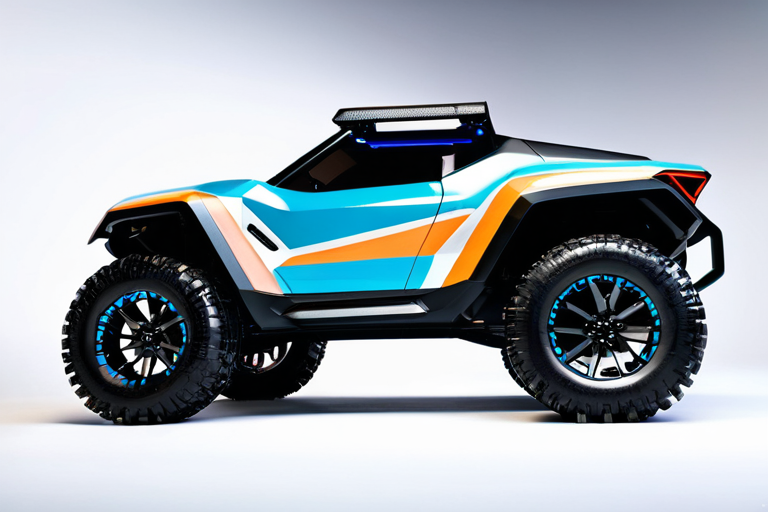
Emerging technologies promise even more capable and sophisticated miniature platforms
Energy storage technology represents another area of potential breakthrough. Solid-state batteries, supercapacitors, and even miniature fuel cells could dramatically increase run times and power delivery capabilities. Research from ARRMA RC development teams suggests that energy density could improve by 50% or more within the next five years.
Autonomous capabilities represent perhaps the most transformative possibility. While current systems focus on remote control, future vehicles might incorporate sufficient intelligence to navigate complex terrain independently, opening new applications in exploration, search and rescue, and environmental monitoring.
Environmental considerations will also shape future development. More efficient systems, recyclable materials, and sustainable manufacturing processes will become increasingly important as the hobby continues to grow and evolve.
Technical References and Further Reading
This analysis incorporates technical data and insights from leading industry sources including:
- RC Car Action Magazine - Technical reviews and engineering analysis
- RC Tech Network - Community-driven technical discussions and testing
- Horizon Hobby - Manufacturer technical documentation and white papers
- Traxxas - Engineering specifications and performance data
- Team Associated - Competition vehicle development insights
- Castle Creations - Power system technical documentation
Additional technical information available through industry publications and manufacturer technical support channels.