The Miniature Off-Road Revolution: How Toy 4x4 Vehicles Are Redefining Play and Engineering

Modern toy off-road vehicles feature sophisticated engineering that mimics real 4x4 capabilities
In the realm of miniature engineering, few creations capture the imagination quite like toy off-road vehicles. These scaled-down marvels represent more than just playthings—they're sophisticated machines that bridge the gap between childhood wonder and mechanical precision. According to RC Groups, the global remote control vehicle market has grown by over 200% in the last decade, with off-road models leading the charge.
The Evolution of Miniature Terrain Conquerors
The journey from simple wind-up cars to today's high-tech off-road machines represents one of the most significant developments in toy engineering. Early models, like those documented by the National Museum of American History, featured basic spring mechanisms and limited terrain capabilities. Today's vehicles incorporate technologies that would have seemed like science fiction just two decades ago.
Technical Insight: Modern toy off-road vehicles utilize independent suspension systems with oil-filled shocks, differential gear systems, and waterproof electronics—features once exclusive to full-sized vehicles.
Engineering Marvels in Miniature
What makes contemporary toy off-road vehicles so remarkable is their mechanical complexity. As noted by ASME (American Society of Mechanical Engineers), these miniature machines often feature:
- Multi-link suspension systems that provide articulation rivaling real off-road vehicles
- Brushless motors offering efficiency and power previously unimaginable in small scales
- Advanced traction control systems that automatically adjust power distribution
- Waterproof electronics enabling operation in wet conditions
- Modular chassis designs allowing for customization and upgrades
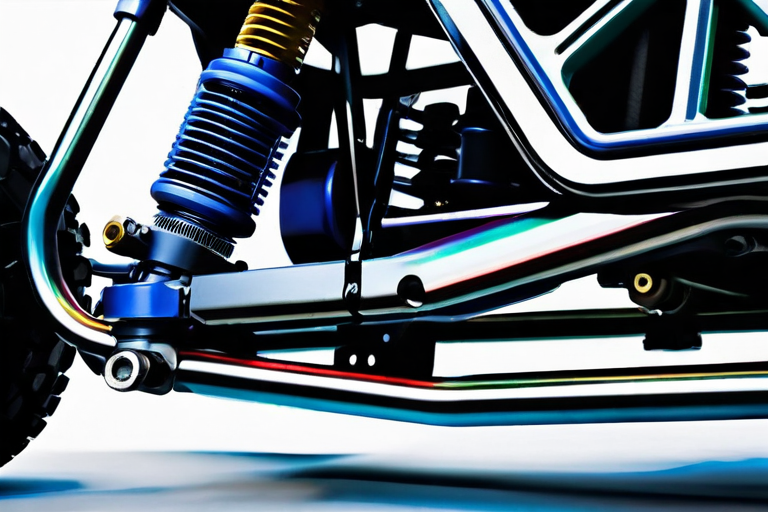
Sophisticated suspension systems allow toy vehicles to handle challenging terrain
The Science Behind the Performance
According to research published in the SAE International Journal, modern toy off-road vehicles apply principles of physics and engineering that mirror their full-sized counterparts. The weight distribution, center of gravity calculations, and torque management in these miniature vehicles follow the same fundamental principles that govern real 4x4 performance.
One particularly innovative development has been the integration of gyroscopic stabilization systems in higher-end models. These systems, similar to those used in drones and advanced robotics, help maintain vehicle stability on uneven terrain, allowing for more controlled climbing and descending capabilities.
Educational Impact and Skill Development
Beyond pure entertainment, toy off-road vehicles serve as powerful educational tools. The International Technology and Engineering Educators Association notes that working with these vehicles helps develop:
Mechanical Understanding
Hands-on experience with gear systems, suspension, and power transmission
Problem-Solving Skills
Troubleshooting mechanical issues and optimizing performance
Spatial Awareness
Understanding vehicle dynamics and terrain interaction
The Competitive Landscape
The world of competitive RC off-road racing has grown into a serious sport with organized events worldwide. Major competitions, such as those sanctioned by IFMAR (International Federation of Model Auto Racing), feature multiple vehicle classes based on scale and power source. These events showcase the pinnacle of miniature off-road engineering, with vehicles capable of reaching speeds over 70 mph and handling jumps of several feet.
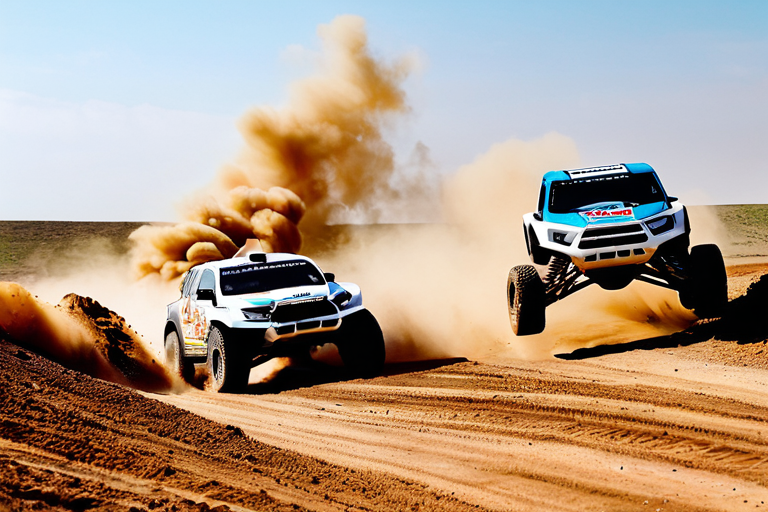
Competitive RC off-road racing has become a globally recognized sport
Technological Integration and Future Trends
The integration of digital technology has transformed toy off-road vehicles from simple mechanical devices into sophisticated electronic systems. Modern controllers often feature:
- 2.4GHz digital spread spectrum technology for interference-free operation
- Programmable electronic speed controllers allowing for customized performance profiles
- Telemetry systems that provide real-time data on speed, temperature, and battery status
- Smartphone integration for advanced control and monitoring
Looking forward, industry analysts predict several emerging trends. According to Grand View Research, the next generation of toy off-road vehicles will likely incorporate:
Artificial intelligence assistance for improved terrain adaptation
Augmented reality integration creating immersive driving experiences
Advanced material science using carbon composites and 3D-printed components
Environmental sensing systems for autonomous obstacle avoidance
Environmental Considerations and Sustainability
As the industry evolves, environmental responsibility has become increasingly important. Manufacturers are adopting more sustainable practices, including:
Rechargeable Battery Systems
Transition from disposable to lithium polymer batteries
Recycled Materials
Use of recycled plastics and metals in construction
Modular Design
Easy repair and upgrade options extending product lifespan
Community and Cultural Impact
The toy off-road vehicle community represents one of the most vibrant and inclusive hobbyist groups worldwide. Online forums, local clubs, and major events create spaces for enthusiasts to share knowledge, showcase modifications, and compete. This community aspect, documented by resources like RC Car Action, has helped transform what was once a niche hobby into a mainstream activity with participants of all ages.
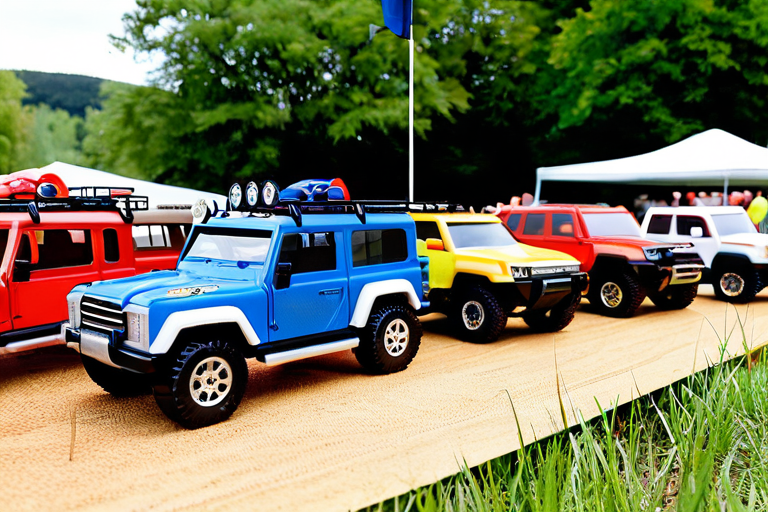
The RC community brings together enthusiasts of all ages and backgrounds
Conclusion: More Than Just Toys
Toy off-road vehicles represent a fascinating intersection of play, education, and engineering. They demonstrate how miniature scale doesn't limit mechanical sophistication, and how childhood interests can evolve into serious technical pursuits. As technology continues to advance, these miniature terrain conquerors will likely become even more capable, accessible, and integrated into both recreational and educational contexts.
Whether as a gateway to engineering careers, a platform for technological innovation, or simply as a source of outdoor adventure, toy off-road vehicles continue to push boundaries and inspire new generations of enthusiasts. Their evolution from simple playthings to sophisticated machines mirrors broader technological progress while maintaining the fundamental joy of exploration and discovery that has always defined off-road adventure.
Additional Resources
For those interested in exploring this fascinating world further, consider visiting:
- Horizon Hobby - Comprehensive resource for RC vehicles and parts
- Traxxas - Leading manufacturer of hobby-grade RC vehicles
- RC Universe - Community forum and information resource