The Engineering Precision of Modern Toy Off-Road Vehicles
Modern toy off-road vehicles represent a remarkable convergence of play and precision engineering, offering enthusiasts sophisticated mechanical systems that closely mimic their full-scale counterparts.
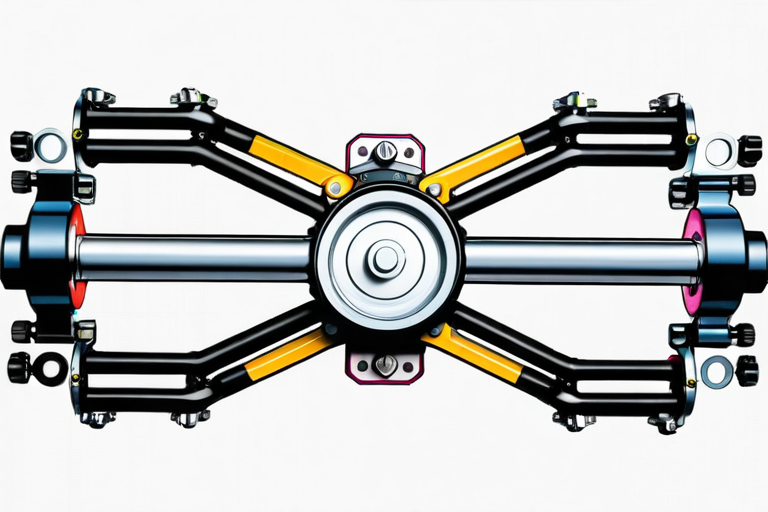
Advanced suspension systems enable toy vehicles to navigate challenging terrain with remarkable stability
Suspension Systems: The Foundation of Off-Road Capability
The evolution of suspension technology in toy off-road vehicles has been nothing short of revolutionary. According to RC Groups, modern systems incorporate multi-link designs that provide independent wheel movement, allowing each tire to maintain contact with uneven surfaces. This technology, once reserved for professional racing vehicles, now enables toy cars to conquer obstacles that would have been impossible just a decade ago.
Shock absorber technology has seen particular advancement. Oil-filled dampers with adjustable compression and rebound settings allow enthusiasts to fine-tune their vehicles for specific terrain conditions. The Horizon Hobby technical team notes that these systems can handle impacts equivalent to hundreds of times the vehicle's weight while maintaining precise control.
Drivetrain Innovations: Power and Control
Brushless motor technology represents one of the most significant advancements in toy vehicle engineering. These motors offer higher efficiency, greater power density, and reduced maintenance compared to traditional brushed designs. According to engineering analysis from Engineering.com, modern brushless systems can achieve power-to-weight ratios exceeding 5:1, enabling astonishing acceleration and hill-climbing capabilities.
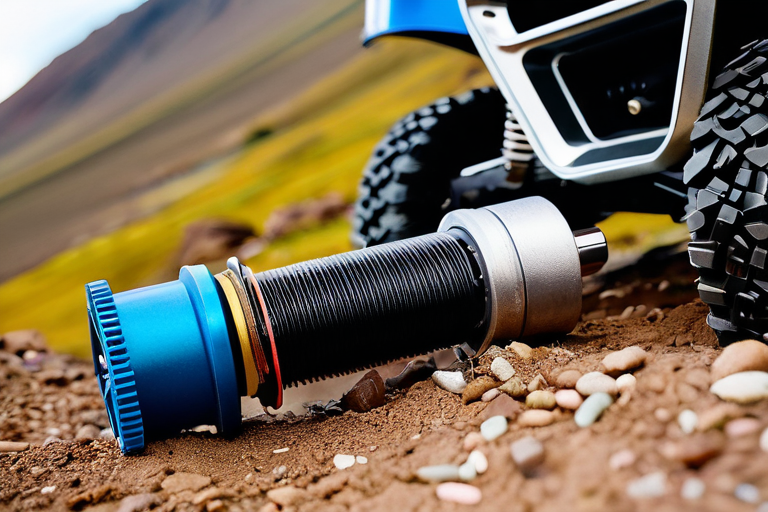
Transmission systems have evolved from simple gear reductions to sophisticated multi-speed units with locking differentials. These systems, documented in RC Universe technical forums, allow vehicles to automatically adjust torque distribution based on traction conditions, preventing wheel spin and maximizing forward momentum.
Chassis Design: Balancing Strength and Flexibility
Modern toy off-road vehicles employ advanced materials science in their chassis construction. Carbon fiber composites, aluminum alloys, and engineered plastics create structures that are simultaneously lightweight and incredibly durable. Research from Materials Performance indicates that these materials can withstand impacts that generate forces up to 50G without permanent deformation.
Modular chassis designs represent another innovation, allowing enthusiasts to customize vehicle characteristics for specific applications. Adjustable wheelbases, variable track widths, and configurable weight distribution enable precise tuning for different racing conditions or terrain types.
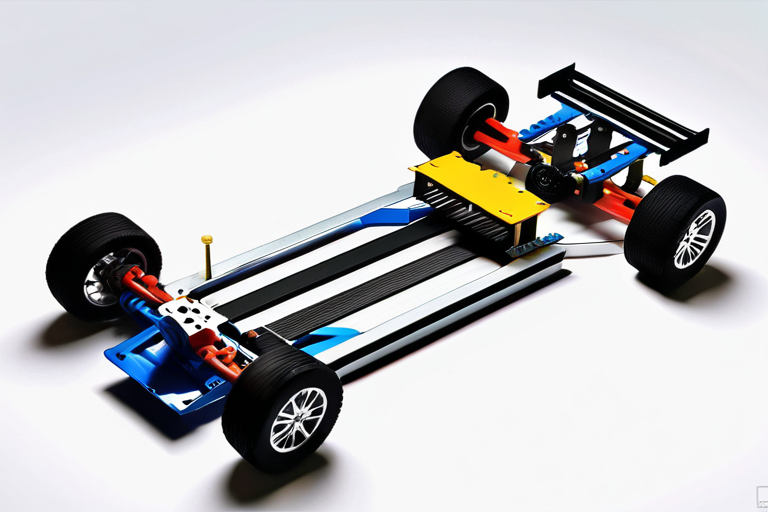
Modular chassis designs allow for extensive customization and performance tuning
Electronic Control Systems: The Digital Revolution
Digital control systems have transformed toy off-road vehicles from simple radio-controlled toys into sophisticated electronic platforms. Modern electronic speed controllers (ESCs) offer programmable acceleration curves, braking force adjustment, and thermal protection systems. According to technical documentation from Castle Creations, these systems can process control inputs at rates exceeding 2000Hz, providing near-instantaneous response to driver commands.
Telemetry systems represent another frontier in toy vehicle technology. Real-time data transmission allows drivers to monitor battery voltage, motor temperature, wheel speed, and other critical parameters. This information, accessible through smartphone apps or dedicated displays, enables proactive maintenance and performance optimization.
Tire Technology: The Critical Interface
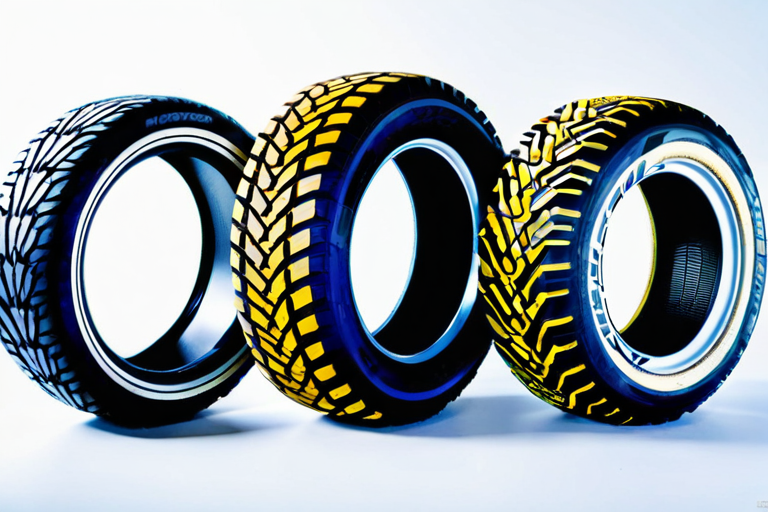
Tire development for toy off-road vehicles has become a specialized field combining materials science with terrain analysis. Different rubber compounds offer varying levels of grip, durability, and flexibility. According to testing data from Pro-Line Racing, modern tire compounds can provide traction coefficients exceeding 1.5 on suitable surfaces, rivaling the performance of full-scale racing tires.
Tread pattern optimization represents another area of innovation. Computer-aided design and 3D printing technologies allow manufacturers to create intricate tread patterns specifically engineered for mud, sand, rock, or mixed terrain conditions.
Battery Technology: Powering Performance
Lithium polymer (LiPo) battery technology has revolutionized toy vehicle performance. These power sources offer energy densities up to 300Wh/kg, providing extended run times and higher power output. Safety features, including built-in protection circuits and balanced charging systems, have made these batteries reliable for everyday use.
According to research published in the Journal of Power Sources, ongoing developments in solid-state battery technology promise even greater energy densities and faster charging capabilities for future toy vehicle applications.
The Future of Toy Off-Road Engineering
Emerging technologies promise to further transform the toy off-road vehicle landscape. Artificial intelligence systems, currently in development by research teams at MIT and other institutions, may enable autonomous terrain assessment and adaptive control systems. These systems could automatically adjust suspension settings, power distribution, and steering response based on real-time terrain analysis.
Advanced materials, including self-healing polymers and shape-memory alloys, offer potential for vehicles that can repair minor damage or adapt their structural characteristics to different operating conditions. Research in nano-materials suggests possibilities for ultra-lightweight components with exceptional strength characteristics.
Technical Specifications Comparison
| Component | 2005 Technology | 2015 Technology | Current Technology |
|---|---|---|---|
| Motor Power | 100-200W brushed | 300-500W brushless | 800-1500W sensored brushless |
| Suspension Travel | 15-25mm | 30-45mm | 50-75mm adjustable |
| Battery Capacity | NiMH 1500-2000mAh | LiPo 3000-5000mAh | LiPo 6000-8000mAh |
| Control Frequency | 27-49MHz analog | 2.4GHz digital | 2.4GHz FHSS with telemetry |
Data compiled from industry technical specifications and manufacturer documentation
Conclusion: Beyond Simple Playthings
The modern toy off-road vehicle represents a sophisticated engineering platform that bridges recreational enjoyment with technical innovation. These miniature machines incorporate advanced materials, electronic systems, and mechanical designs that would have been unimaginable just a generation ago. As technology continues to advance, these vehicles will likely incorporate even more sophisticated systems, further blurring the line between toy and technical instrument.
For enthusiasts and engineers alike, toy off-road vehicles offer a unique opportunity to explore mechanical principles, electronic systems, and control theory in an accessible, engaging format. The continued evolution of these platforms promises to inspire future generations of engineers while providing endless hours of challenging, rewarding play.