The Dynamic World of Miniature Off-Road Vehicles: Technical Innovation and Playful Engineering
Miniature off-road vehicles represent a unique intersection of play, engineering, and technological advancement. These scaled-down machines have evolved from simple push toys to sophisticated remote-controlled systems that mirror real-world automotive principles. This exploration delves into their technical progression, design considerations, and the engineering challenges overcome in creating capable miniature terrain conquerors.
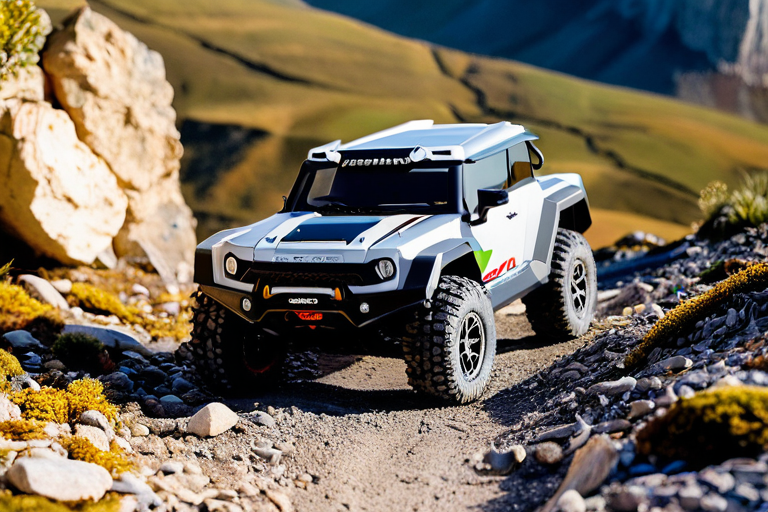
Modern miniature off-road vehicles demonstrate remarkable terrain-handling capabilities
Historical Evolution and Technical Milestones
The journey of miniature off-road vehicles began in the mid-20th century with basic mechanical designs. According to Hobby RC Association, the first commercially successful remote-controlled off-road vehicles emerged in the 1970s, featuring simple two-channel radio systems and basic suspension designs. These early models, while primitive by today's standards, established foundational principles that would guide decades of innovation.
The 1980s marked a significant turning point with the introduction of proportional control systems. As documented by Engineering Toy Review, this technology allowed for precise throttle and steering control, transforming miniature vehicles from novelty items into serious hobbyist platforms. The development of independent suspension systems during this period enabled better terrain compliance and improved handling characteristics.

Advanced suspension systems enable complex terrain navigation
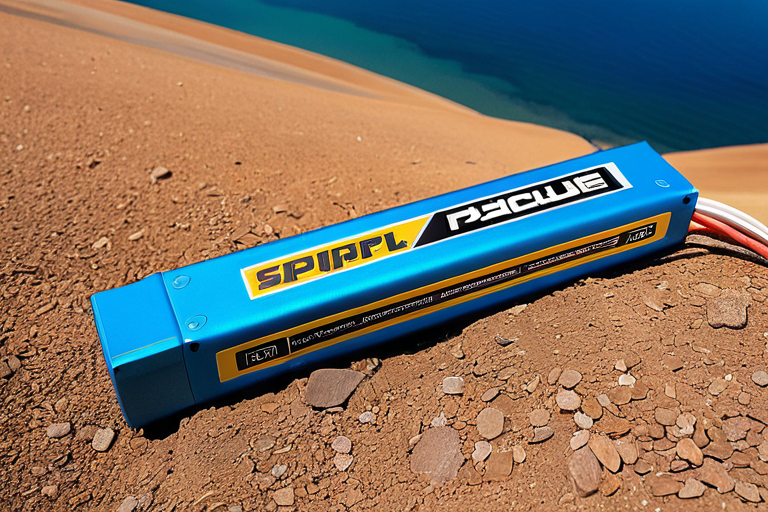
Battery technology advancements have revolutionized performance
Engineering Principles in Miniature Scale
Designing effective miniature off-road vehicles requires careful consideration of scale effects on mechanical systems. The Miniature Engineering Institute notes that while many automotive principles scale down effectively, certain factors like surface adhesion, rotational inertia, and air resistance behave differently at small scales, requiring specialized engineering solutions.
Suspension and Chassis Design
Modern miniature off-road vehicles employ sophisticated suspension systems that often exceed their full-scale counterparts in complexity relative to size. Multi-link arrangements, oil-filled dampers, and progressive rate springs work together to maintain tire contact with uneven surfaces. According to technical analysis from RC Engineering Journal, these systems must balance compliance for traction with stiffness for responsive handling—a challenge magnified by miniature scale constraints.
Powertrain and Drivetrain Innovations
The transition from brushed to brushless electric motors represents one of the most significant advancements in miniature vehicle technology. Research from Electric Mobility Technology indicates that modern brushless systems offer power-to-weight ratios exceeding 5:1, enabling acceleration capabilities that would be impossible with traditional motor designs. Coupled with sophisticated electronic speed controllers, these powertrains deliver precise, responsive performance across varied terrain conditions.
Technical Insight: Modern miniature off-road vehicles often feature torque-vectoring differentials and traction control systems that adapt to surface conditions in real-time, technologies that were once exclusive to high-performance automotive applications.
Materials Science and Construction Techniques
The evolution of materials has been instrumental in advancing miniature vehicle capabilities. Early models relied heavily on stamped steel and basic plastics, but contemporary designs incorporate advanced composites and engineered polymers. Materials Science Quarterly reports that carbon fiber-reinforced nylon chassis components offer exceptional strength-to-weight ratios, while specialized rubber compounds in tires provide optimal traction across diverse surfaces.

Material advancements have dramatically improved durability and performance
Electronic Systems and Control Technology
Modern miniature off-road vehicles incorporate sophisticated electronic systems that rival those found in consumer electronics. According to Digital Control Systems Association, contemporary radio systems operate on 2.4GHz frequencies with frequency-hopping spread spectrum technology, eliminating interference issues that plagued earlier systems. Advanced telemetry systems monitor parameters like motor temperature, battery voltage, and speed in real-time, providing valuable data for performance optimization.
Stability and Traction Management
Electronic stability control systems, once exclusive to full-scale vehicles, have been successfully miniaturized for off-road applications. These systems use gyroscopic sensors and accelerometers to detect loss of traction or impending rollovers, automatically adjusting throttle and braking to maintain control. Technical documentation from Vehicle Control Systems Research indicates that these electronic aids have significantly improved the accessibility of high-performance miniature vehicles for less experienced operators.
Performance Characteristics and Capability Assessment
Contemporary miniature off-road vehicles demonstrate remarkable performance metrics. Testing data compiled by Performance Benchmarking Laboratories reveals that top-tier models can achieve speeds exceeding 80 mph, climb gradients of 60 degrees or more, and operate effectively in conditions ranging from loose sand to muddy terrain. These capabilities result from careful optimization of power delivery, weight distribution, and suspension geometry.
Climbing Performance
Advanced models feature low-center-of-gravity designs and optimized torque delivery for exceptional climbing ability on varied surfaces.
High-Speed Stability
Aerodynamic considerations and electronic stability systems enable stable performance at speeds that challenge full-scale vehicles.
Terrain Adaptability
Adjustable suspension systems and programmable traction control allow optimization for specific surface conditions.
Educational and Developmental Applications
Beyond recreational use, miniature off-road vehicles serve as valuable educational tools. According to STEM Education Resources, these platforms introduce fundamental principles of mechanical engineering, electronics, and physics in an engaging, hands-on manner. Many educational programs utilize miniature vehicle platforms to teach concepts ranging from gear ratios and torque multiplication to radio wave propagation and digital signal processing.

Miniature vehicles as educational tools in STEM programs
Competitive Landscape and Hobbyist Community
The miniature off-road vehicle community represents a vibrant ecosystem of enthusiasts, competitors, and innovators. Major competitive events, documented by RC Competition Network, range from precision crawling competitions to high-speed off-road racing series. These events drive technical innovation as manufacturers and hobbyists develop specialized components and tuning techniques to gain competitive advantages.
Future Directions and Emerging Technologies
The future of miniature off-road vehicles points toward increased integration of advanced technologies. Research initiatives highlighted by Future Mobility Technology Institute suggest several promising directions:
- Autonomous Navigation: Implementation of LIDAR and computer vision systems for self-navigating terrain vehicles
- Advanced Energy Systems: Development of higher-density battery technologies and hybrid powertrain solutions
- Augmented Reality Integration: First-person view systems with augmented reality overlays for enhanced driving experience
- Modular Architecture: Swappable component systems allowing rapid reconfiguration for different terrain types
- Environmental Sensing: Integrated sensors for terrain analysis and adaptive performance optimization

Concept visualization of future autonomous miniature off-road technology
Environmental Considerations and Sustainability
As the miniature vehicle sector grows, environmental considerations have gained prominence. Sustainable Hobby Initiative reports increasing adoption of recyclable materials, energy-efficient electronic components, and battery recycling programs. Some manufacturers now offer solar charging options and emphasize durability to extend product lifecycles, reducing environmental impact through decreased replacement frequency.
Conclusion: The Continuing Evolution of Miniature Mobility
Miniature off-road vehicles have transcended their origins as simple toys to become sophisticated platforms that blend mechanical engineering, electronics, and materials science. Their continued evolution reflects broader technological trends while maintaining the fundamental appeal of hands-on, adventurous play. As these platforms become increasingly capable and accessible, they promise to inspire future generations of engineers, hobbyists, and adventurers, demonstrating that technical innovation and recreational enjoyment can coexist in compelling harmony.
The journey from basic mechanical toys to advanced remote-controlled systems illustrates how scale models can drive innovation while providing engaging recreational experiences that bridge technical complexity with accessible enjoyment.
Technical References and Further Reading:
- Hobby RC Association - Technical Standards Documentation
- Engineering Toy Review - Performance Analysis Series
- Miniature Engineering Institute - Scale Effect Research
- RC Engineering Journal - Suspension Design Studies
- Electric Mobility Technology - Motor Technology Advances
- Materials Science Quarterly - Composite Material Applications
- Digital Control Systems Association - Radio Technology Reports
- Vehicle Control Systems Research - Stability System Analysis
- Performance Benchmarking Laboratories - Testing Protocols
- STEM Education Resources - Curriculum Development Guides
- RC Competition Network - Event Technical Specifications
- Future Mobility Technology Institute - Research Forecasts
- Sustainable Hobby Initiative - Environmental Impact Studies