The Dakar Rally: A Journey Through the World's Toughest Off-Road Race
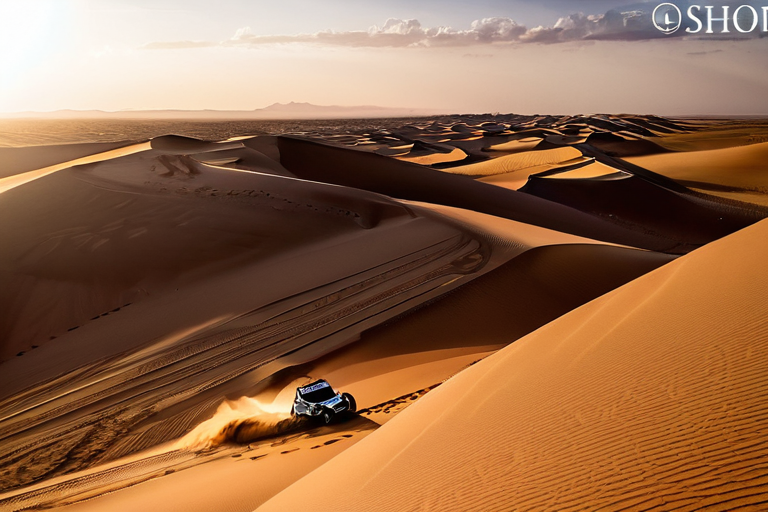
For over four decades, the Dakar Rally has stood as the ultimate test of human endurance and mechanical resilience in motorsport. Originally known as the Paris-Dakar Rally, this legendary event has evolved from a romantic European adventure to a global phenomenon that captures the imagination of millions. Unlike any other racing competition, the Dakar isn't just about speed—it's about survival, navigation, and conquering some of the planet's most unforgiving terrain.
Historical Origins and Evolution
The rally was conceived in 1977 by French motorcycle enthusiast Thierry Sabine, who famously got lost in the Libyan desert during the Abidjan-Nice rally. His epiphany? "A race for everyone where the real challenge is the desert." The inaugural event in 1978 saw 182 vehicles depart from Paris's Place du Trocadéro, with only 74 reaching the Senegalese capital of Dakar after covering 10,000 kilometers across France, Algeria, Niger, Mali, and Senegal.
According to the official Dakar Rally website, the event's philosophy has always centered on adventure rather than pure competition. This distinctive character attracted legendary participants like Hubert Auriol (the first to win on both motorcycles and cars) and Ari Vatanen, whose 1987 victory in a Peugeot 205 T16 became part of rally folklore.
The Modern Dakar: South American Era and Saudi Arabian Chapter
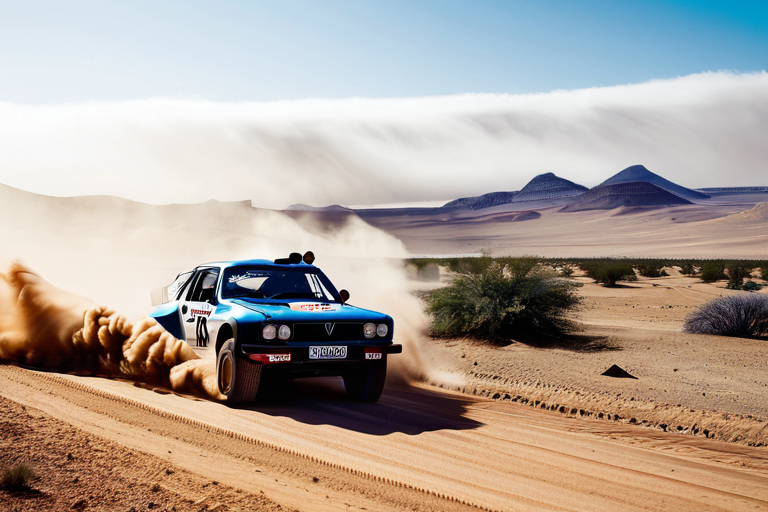
Security concerns forced the rally to relocate from Africa in 2009, beginning a transformative South American chapter. For eleven years, competitors battled through Argentina, Chile, and Peru's diverse landscapes—from the towering dunes of the Atacama Desert to the treacherous altitudes of the Andes Mountains. As noted by Red Bull Motorsports coverage, this period saw technological advancements with hybrid and electric prototypes while maintaining the event's signature difficulty.
Since 2020, the rally has found a new home in Saudi Arabia's vast deserts, offering what organizers describe as "the most Dakar-like terrain since Africa." The Saudi edition features 12-14 stages covering approximately 8,000 kilometers, with special stages accounting for 5,000 kilometers of pure racing against the clock. The Fédération Internationale de l'Automobile (FIA) sanctions the event alongside the Fédération Internationale de Motocyclisme (FIM), ensuring strict safety and sporting regulations.
Competition Categories and Technical Specifications
The Dakar Rally comprises four main categories, each with distinct technical challenges:
- Motorbikes/Quads: The most physically demanding category, where riders navigate alone through dunes, rocks, and camel grass. Engine capacity is limited to 450cc for the premier class.
- Cars: Ranging from modified production vehicles to purpose-built prototypes like the Toyota Hilux and Mini John Cooper Works Buggy. Recent years have seen the introduction of the T1.U category for alternative energy vehicles.
- Lightweight Vehicles (SSV): Originally called "buggies," these tube-frame vehicles with production engines have become increasingly popular due to their accessibility and spectacular performance.
- Trucks: Massive machines weighing up to 10 tons that somehow conquer the same terrain as motorcycles, often serving as mobile support for smaller competitors.
Navigation: The Dakar's Unique Challenge
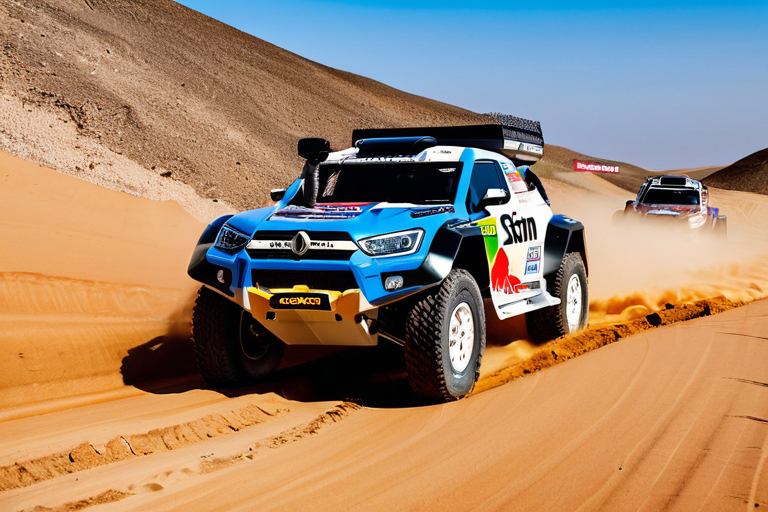
Unlike traditional rally racing with pace notes, Dakar competitors receive roadbooks just 20 minutes before each stage. These contain tulip diagrams, GPS waypoints, and caution notes—but no detailed descriptions. As explained by Motorsport.com's technical analysis, successful navigation requires constant communication between driver and co-driver, with errors of just a few hundred meters potentially costing hours in the desert.
The rally's "marathon stages" present additional complexity, where competitors cannot receive mechanical assistance from their teams overnight. Vehicles must be serviced by the crew using only carried parts, testing both preparation and ingenuity.
Safety Evolution and Environmental Considerations
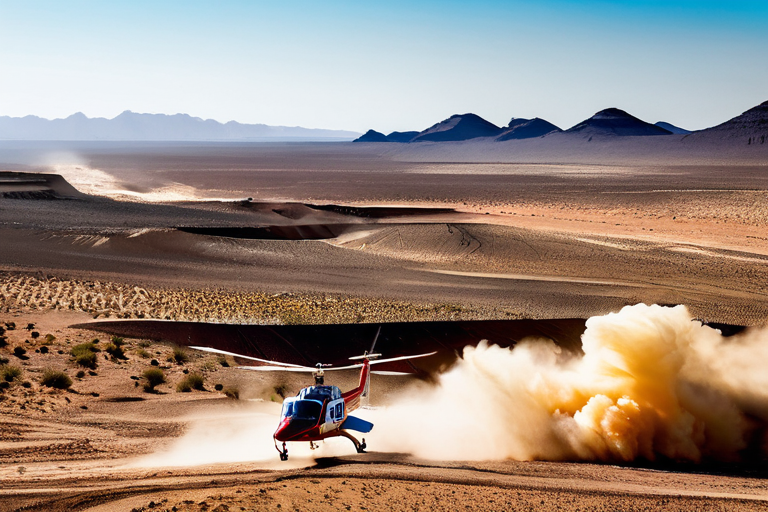
Following tragedies in the 1980s and 1990s that claimed the lives of competitors, organizers, and spectators, the Dakar has implemented rigorous safety protocols. All vehicles now carry Iritrack satellite systems allowing real-time monitoring, while medical helicopters follow the race with surgical capabilities. According to Amaury Sport Organisation (ASO), the event's organizer, the fatality rate has decreased by over 80% since 2000 despite increasing participation.
Environmental responsibility has become equally important. The rally now follows strict "leave no trace" policies, with dedicated teams ensuring all bivouacs are cleaned after departure. In Saudi Arabia, organizers work with local environmental agencies to protect sensitive desert ecosystems, while carbon offset programs address the event's ecological footprint.
Cultural Impact and Legacy
Beyond motorsport, the Dakar has inspired documentaries, video games, and countless adventure seekers. Its distinctive logo—a stylized Touareg cross—has become synonymous with extreme challenge. The rally has also served as a testing ground for automotive innovations, from diesel technology (first proven by Volkswagen in 2009-2011) to hybrid systems currently being developed by Audi and Prodrive.
As BBC Top Gear's retrospective notes, the Dakar's enduring appeal lies in its authenticity. While Formula 1 represents technological perfection and World Rally Championship showcases precision, the Dakar remains fundamentally about humans versus elements—a quality that continues to attract both factory teams and amateur adventurers willing to mortgage homes for a chance at the ultimate off-road achievement.
From its romantic beginnings on Parisian cobblestones to its current incarnation in Arabian deserts, the Dakar Rally maintains its status as motorsport's greatest adventure. As competitors prepare each January, they don't just test machines—they join a 45-year tradition of pushing beyond limits, where finishing is victory enough.