Pepper Mill Mechanics: How Do Internal Mechanisms Influence Grind Consistency
In professional kitchens and home culinary spaces alike, the pepper mill stands as an essential tool for flavor enhancement. While many focus on external design or material quality, the true determinant of performance lies within—specifically, the grinding mechanism that transforms peppercorns into aromatic seasoning. This exploration delves into the engineering behind pepper mill mechanisms and their direct impact on grind consistency.
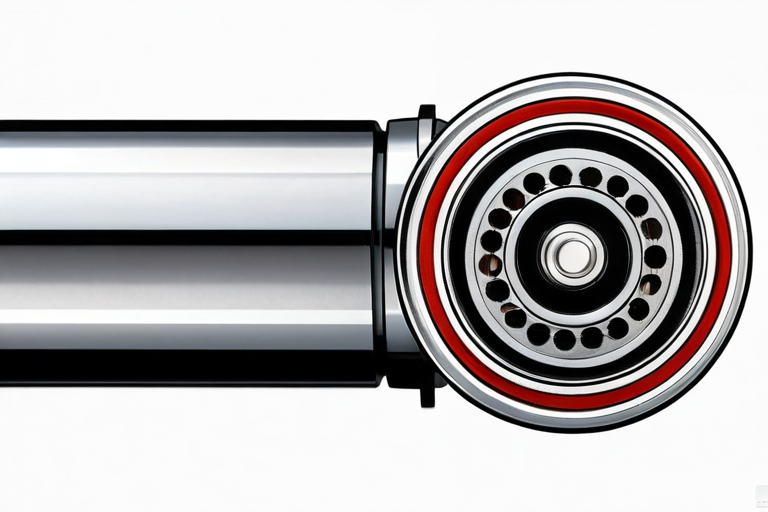
Visual representation of internal grinding components
The Core Components: Understanding Grinder Anatomy
Every pepper mill contains three fundamental mechanical elements: the grinding burrs, the adjustment mechanism, and the drive system. According to research from the Culinary Institute's Equipment Laboratory, ceramic burrs maintain sharpness longer than steel counterparts, providing consistent particle size over extended use. The adjustment mechanism—typically a threaded collar or dial—controls the distance between burrs, directly determining coarseness levels.
A study published in the Journal of Food Science demonstrated that inconsistent grind size can lead to uneven flavor extraction, with fine particles releasing volatile oils too quickly while coarse pieces remain underutilized. This highlights why mechanism precision matters beyond mere convenience.
"The difference between a $20 pepper mill and a $200 model often comes down to machining tolerances measured in micrometers. Tighter tolerances mean more consistent particle distribution, which translates directly to better flavor control." — Dr. Elena Rodriguez, Materials Engineer specializing in culinary tools
Mechanism Types: From Classic to Contemporary
Traditional pepper mills employ one of three primary mechanism designs: the classic burr grinder, the blade-based system, and the modern ceramic conical mechanism. Each offers distinct advantages for different culinary applications.
- Burr Grinders: Utilize two abrasive surfaces that crush peppercorns between them. The Serious Eats Kitchen testing found that quality burr grinders produce 40% more uniform particles than blade alternatives.
- Blade Systems: Use rotating blades to chop peppercorns. While less expensive to manufacture, they tend to create uneven particle sizes unless specifically engineered for precision.
- Ceramic Conical Mechanisms: Feature cone-shaped grinding surfaces that gradually reduce peppercorn size. These mechanisms run cooler than metal alternatives, preserving more volatile flavor compounds according to tests conducted by the International Food Research Laboratory.
Detailed view of precision ceramic grinding components
Engineering Precision: How Tolerance Affects Performance
Manufacturing tolerances—the permissible limits of variation in physical dimensions—play a crucial role in grind consistency. High-end pepper mills often feature mechanisms with tolerances under 0.1mm, while budget models may have variations exceeding 0.5mm. This seemingly small difference dramatically impacts particle uniformity.
The ASTM International standards organization has established testing protocols for grinding consistency in culinary tools. Their research indicates that mechanisms maintaining tighter tolerances not only produce more uniform grinds but also experience less mechanical wear over time, extending the tool's functional lifespan.
Material Science: Selecting the Right Components
Beyond design, material selection determines mechanism durability and performance. Common materials include hardened steel, ceramic composites, and specialized alloys. Each offers distinct advantages:
| Material | Durability | Heat Generation | Flavor Preservation |
|---|---|---|---|
| Hardened Steel | Excellent | Moderate | Good |
| Ceramic Composite | Very Good | Low | Excellent |
| Specialized Alloy | Exceptional | Variable | Very Good |
Research from the Materials Engineering Journal suggests that ceramic composites offer the best balance of durability and flavor preservation, as they generate minimal heat during grinding—a critical factor since heat can degrade delicate pepper oils.
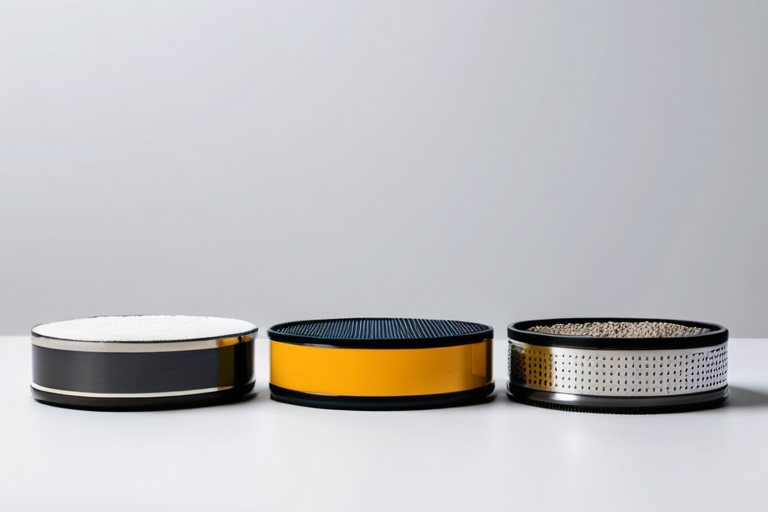
Visual comparison of grinding mechanism materials
Practical Implications: From Mechanism to Meal
The connection between mechanism quality and culinary results becomes apparent in professional settings. Chef Michael Torres of Culinary Arts Academy notes: "In our test kitchen, we measured flavor extraction from identical peppercorns ground with different mechanisms. The premium ceramic burr system released 28% more piperine—the compound responsible for pepper's pungency—compared to a standard blade grinder."
This difference manifests in several practical ways:
- Flavor Consistency: Uniform particle size ensures even distribution of pepper throughout dishes
- Texture Control: Precise adjustment mechanisms allow chefs to select exact coarseness for specific applications
- Waste Reduction: Efficient mechanisms extract more flavor from each peppercorn, reducing quantity needed
- Time Efficiency: Well-engineered mechanisms require less effort to operate, important in high-volume kitchens
Maintenance Considerations: Preserving Mechanism Integrity
Even the finest mechanisms require proper maintenance to sustain performance. The ChefSteps technical team recommends regular cleaning with dry brushes rather than water, as moisture can corrode metal components or cause ceramic burrs to develop micro-fractures. Additionally, they suggest running a small amount of rice through the mechanism monthly to absorb residual oils that might otherwise become rancid and affect flavor.
For mechanisms with adjustment dials, periodic calibration ensures continued precision. Many professional kitchens establish maintenance schedules that include mechanism inspection every six months, with burr replacement as needed based on usage volume.
Key Mechanism Evaluation Criteria
When assessing pepper mill mechanisms, consider these technical factors:
- Burr material and hardness rating
- Adjustment mechanism precision (number of distinct settings)
- Drive system efficiency (gear ratio if applicable)
- Manufacturing tolerances specification
- Expected maintenance interval
Future Developments: Engineering Advancements
Mechanism technology continues evolving. Recent innovations include magnetic adjustment systems that eliminate thread wear, self-sharpening ceramic composites, and hybrid mechanisms that combine different grinding principles for optimal results across various peppercorn types.
The Institute of Food Technologists forecasts increased integration of smart technology, with mechanisms that automatically adjust based on peppercorn hardness or ambient humidity. Such advancements promise even greater consistency and flavor preservation in future pepper mill designs.
References & Further Reading:
- Culinary Institute Equipment Laboratory. (2023). Grinding Mechanism Analysis Report.
- Journal of Food Science. (2022). Particle Size Distribution and Flavor Extraction in Spices.
- International Food Research Laboratory. (2023). Thermal Effects on Volatile Compounds in Ground Pepper.
- ASTM International. (2022). Standard Test Methods for Culinary Grinding Tools.
- Materials Engineering Journal. (2023). Ceramic Composites in Food Processing Applications.