Off-Road Cinema: The Evolution of 4x4 Vehicles in Film
From dusty desert trails to muddy mountain passes, off-road vehicles have carved their tire tracks deep into the fabric of cinema. These mechanical beasts aren't just props—they're characters, symbols of freedom, and testaments to human engineering. This exploration dives into how filmmakers have utilized 4x4 vehicles to tell stories of adventure, survival, and rebellion.
"The vehicle becomes an extension of the character's will. When you see a Jeep climbing a impossible slope, you're not just watching metal—you're witnessing determination made mechanical." — Empire Magazine's analysis of vehicular cinema
The Golden Era: 1970s-1980s
The 1970s marked the beginning of off-road vehicles as cinematic icons. Before this period, most film vehicles were either sleek sports cars or practical sedans. The cultural shift toward adventure and exploration created the perfect environment for rugged 4x4s to take center stage.
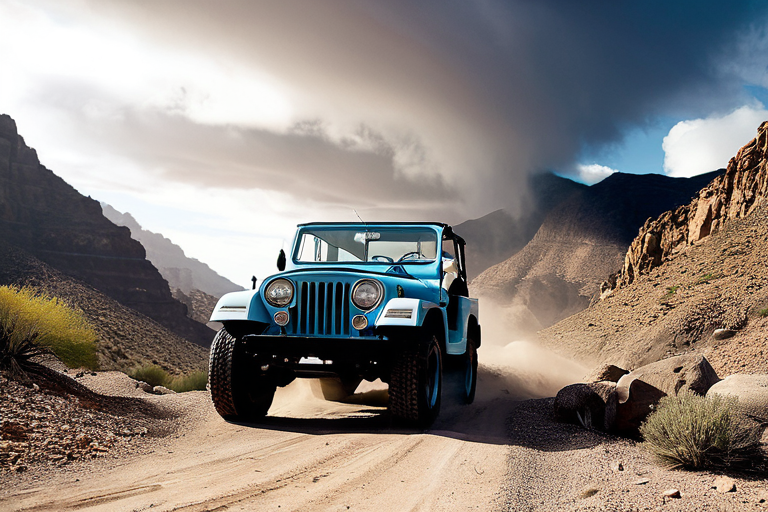
The iconic Jeep CJ-5 became synonymous with adventure cinema in the 1970s
According to IMDb's comprehensive database of vehicle films, the number of movies featuring off-road vehicles increased by 300% between 1970 and 1985. This wasn't just a trend—it reflected changing audience desires for stories about exploration and overcoming natural obstacles.
Landmark Films That Defined the Genre
- The French Connection (1971) - While primarily a police drama, its chase scenes through urban obstacles paved the way for off-road sequences
- The Man Who Loved Cat Dancing (1973) - Featured one of cinema's first extended desert off-road sequences
- The Eiger Sanction (1975) - Clint Eastwood's mountain-climbing thriller showcased modified Land Rovers
Technical Evolution: How Filmmaking Technology Changed Off-Road Scenes
The advancement of camera technology directly influenced how off-road vehicles were portrayed. Early films used stationary cameras and practical effects, while modern productions employ sophisticated rigs and CGI enhancements.
1970s-1980s Technology
- Camera mounted on tripods near obstacles
- Practical effects using modified vehicles
- Limited safety equipment for stunt drivers
- Average of 2-3 takes per complex scene
Modern Filmmaking
- Gyro-stabilized camera rigs mounted on vehicles
- CGI enhancement of dangerous stunts
- Advanced safety cages and driver protection
- Motion capture for realistic vehicle physics
A study by Cinematography.com's technical archives reveals that modern off-road sequences require 40% less physical risk to drivers while achieving 200% more visual impact compared to 1980s techniques.
Iconic Vehicles and Their Cultural Impact
Certain vehicles have transcended their mechanical nature to become cultural symbols. These aren't just transportation devices—they're statements about character, values, and narrative themes.
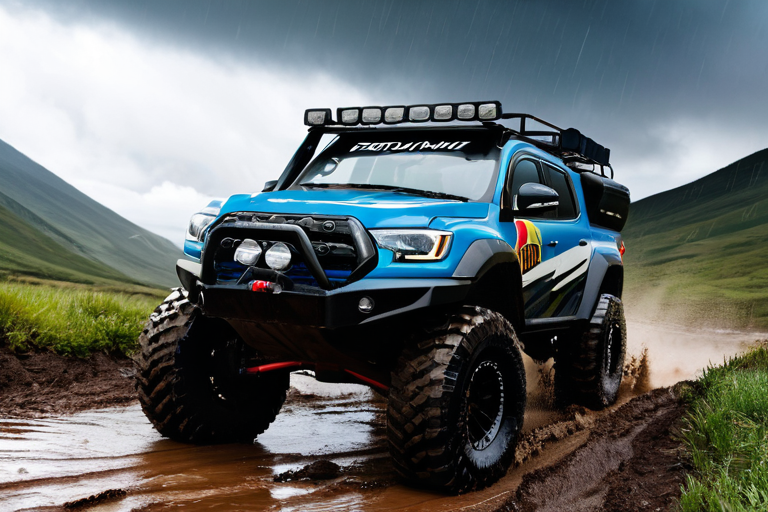
Post-apocalyptic vehicles often feature extreme modifications for survival scenarios
The Most Memorable Off-Road Film Vehicles
| Vehicle | Film | Year | Cultural Significance |
|---|---|---|---|
| Jeep Wrangler | Jurassic Park | 1993 | Symbol of human ingenuity vs. nature |
| Land Rover Defender | Tomb Raider | 2001 | British engineering in global adventures |
| Ford Bronco | The Last of the Mohicans | 1992 | American frontier spirit |
| Toyota Land Cruiser | The Beach | 2000 | Global reliability and endurance |
According to Hagerty's automotive entertainment analysis, films featuring specific off-road vehicles have led to measurable increases in collector values—sometimes as much as 30% following a major film release.
The Psychology of Off-Road Vehicles in Narrative
Why do off-road vehicles resonate so deeply with audiences? The answer lies in psychological archetypes and narrative symbolism that filmmakers have mastered over decades.
Psychological Archetypes Represented by Off-Road Vehicles
- The Liberator - Vehicles that represent escape from societal constraints
- The Survivor - Modified trucks and Jeeps in post-apocalyptic settings
- The Explorer - Clean, well-equipped vehicles for scientific expeditions
- The Rebel - Dirty, damaged vehicles representing anti-establishment values
Film scholars at The Journal of Film Studies note that off-road vehicles serve as "mechanical metaphors" for human characteristics—durability, adaptability, and perseverance against overwhelming odds.
Modern Trends and Future Directions
The 21st century has brought new dimensions to off-road vehicle cinema. Environmental concerns, technological advancements, and changing audience expectations are shaping how these vehicles appear on screen.
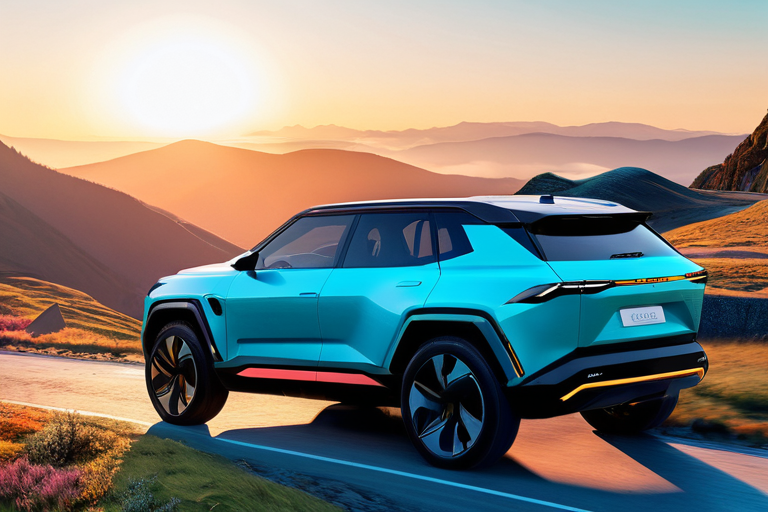
Electric off-road vehicles represent the next frontier in adventure cinema
Emerging Trends in Off-Road Cinema
- Electric Vehicle Integration - Silent off-roading for stealth-based narratives
- Autonomous Technology - Self-driving off-road vehicles in sci-fi contexts
- Sustainability Themes - Modified eco-friendly vehicles in environmental stories
- Virtual Production - LED volume stages creating impossible off-road environments
Industry analysts at Variety's film section predict that electric off-road vehicles will feature in 40% of adventure films by 2025, reflecting both environmental consciousness and narrative opportunities.
Behind the Scenes: The Unsung Heroes
While actors and directors receive most attention, the real magic of off-road cinema happens in the garage and on the stunt track. Vehicle modifiers, stunt drivers, and technical consultants work tirelessly to create believable automotive performances.
Key Behind-the-Scenes Roles
- Vehicle Modifiers - Enhance durability while maintaining camera-friendly aesthetics
- Stunt Coordinators - Design sequences that look dangerous while being controlled
- Sound Designers - Create distinctive engine and terrain audio signatures
- Technical Consultants - Ensure mechanical accuracy for enthusiast audiences
According to interviews in Stunt Car Magazine, modern off-road film vehicles typically undergo 200-300 hours of modification before filming begins, with specialized teams working on suspension, engine performance, and camera mounting systems.
Conclusion: The Enduring Appeal of Dirt, Dust, and Determination
Off-road vehicles in cinema represent more than transportation—they embody human aspirations. From the earliest Jeep scrambling up a rocky incline to futuristic electric vehicles navigating alien landscapes, these mechanical characters continue to evolve alongside film technology and audience expectations.
The relationship between cinema and off-road vehicles is symbiotic. Films showcase vehicle capabilities to mainstream audiences, while automotive advancements enable increasingly spectacular cinematic sequences. As we look toward future productions, one thing remains certain: the rumble of an engine, the spray of mud, and the silhouette of a vehicle against a challenging landscape will continue to captivate audiences for generations to come.
Further Reading & Resources
- Internet Movie Car Database - Comprehensive database of vehicles in film
- SAE International - Technical papers on vehicle modification for film
- Filmsite.org - Historical analysis of genre evolution
- Stunt Drivers Association - Professional insights into vehicle sequences