Miniature Off-Road Engineering: The Science Behind Toy 4x4 Capabilities
Modern toy off-road vehicles represent a fascinating intersection of play and precision engineering, incorporating sophisticated mechanical systems that mirror their full-scale counterparts in surprising detail.
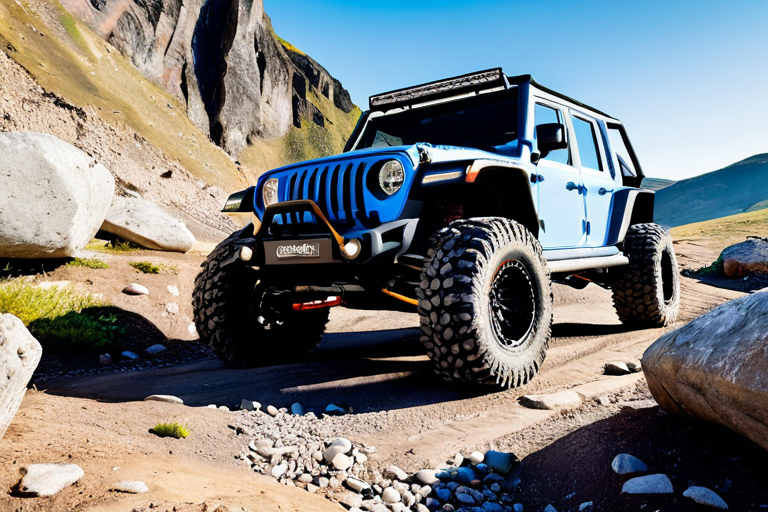
Advanced suspension systems allow miniature vehicles to navigate challenging terrain with remarkable stability
The Evolution of Miniature Terrain Conquerors
The journey from simple wind-up toys to today's sophisticated remote-controlled off-road machines represents decades of incremental innovation. According to RC Groups, the hobbyist community has been instrumental in driving technological advancements, with enthusiasts modifying and improving designs since the 1970s.
Early toy off-road vehicles relied on basic mechanical principles, but modern iterations incorporate electronic speed controllers, brushless motors, and sophisticated suspension geometries. The Horizon Hobby engineering team notes that today's premium models feature differential systems that automatically adjust torque distribution between wheels, mimicking the behavior of professional off-road racing vehicles.
Suspension Systems: The Heart of Off-Road Performance
Perhaps the most critical component in any off-road vehicle—miniature or full-scale—is its suspension system. Modern toy off-roaders employ several sophisticated suspension designs:
Independent Front Suspension (IFS)
This system allows each front wheel to move independently, providing superior traction over uneven surfaces. According to engineering analysis from Traxxas, IFS designs can increase wheel articulation by up to 40% compared to solid axle configurations.
Multi-Link Rear Suspension
Advanced models feature multi-link designs that maintain optimal tire contact with the ground during extreme articulation. The Axial Racing engineering team has developed proprietary link geometries that maximize suspension travel while maintaining vehicle stability.
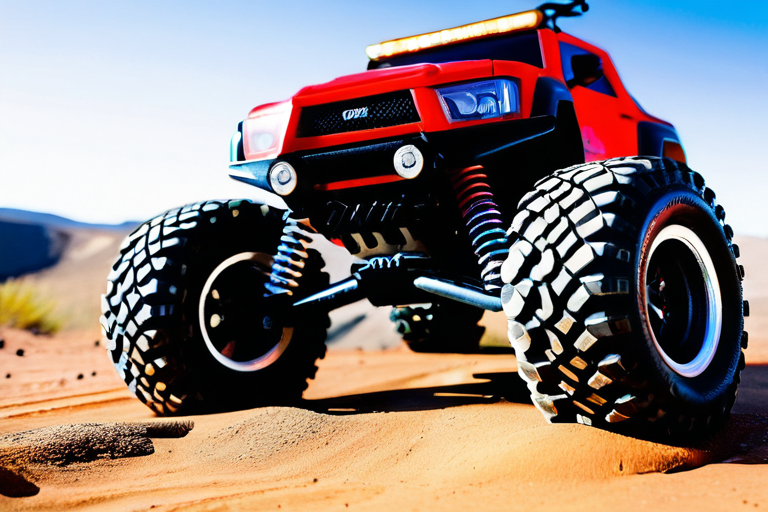
Multi-link suspension systems provide exceptional articulation while maintaining vehicle stability
Powertrain Innovations
The transition from brushed to brushless motor technology represents one of the most significant advancements in toy vehicle engineering. Brushless motors, as detailed in technical documentation from Castle Creations, offer several advantages:
- Increased Efficiency: Brushless designs can achieve efficiency ratings above 90%, compared to 70-80% for brushed motors
- Higher Power Density: More torque and power in smaller packages
- Reduced Maintenance: No brushes to wear out, significantly extending operational lifespan
- Better Heat Dissipation: Improved thermal management allows for sustained high-performance operation
Electronic speed controllers (ESCs) have evolved alongside motor technology. Modern ESCs incorporate sophisticated algorithms that manage power delivery based on multiple sensor inputs, preventing wheel spin on loose surfaces and optimizing traction in various conditions.
Chassis Design and Materials Science
The structural components of toy off-road vehicles have undergone a materials revolution. Early models utilized simple plastic molds, but contemporary designs incorporate advanced composites and metal alloys.
Carbon Fiber Reinforcement
High-performance models feature carbon fiber plates in critical stress areas, reducing weight while increasing rigidity. According to materials testing data from Team Associated, carbon-reinforced chassis can withstand impacts up to three times greater than equivalent plastic designs.
Aluminum Alloy Components
Suspension arms, shock towers, and transmission cases often utilize aircraft-grade aluminum alloys. These materials provide excellent strength-to-weight ratios and resist deformation under extreme loads.
Chassis geometry has also evolved significantly. Modern designs incorporate features like:
- Low Center of Gravity: Battery and motor placement optimized for stability
- Progressive Weight Distribution: Dynamic balance that shifts appropriately during acceleration and braking
- Impact Absorption Zones: Designed deformation areas that protect critical components
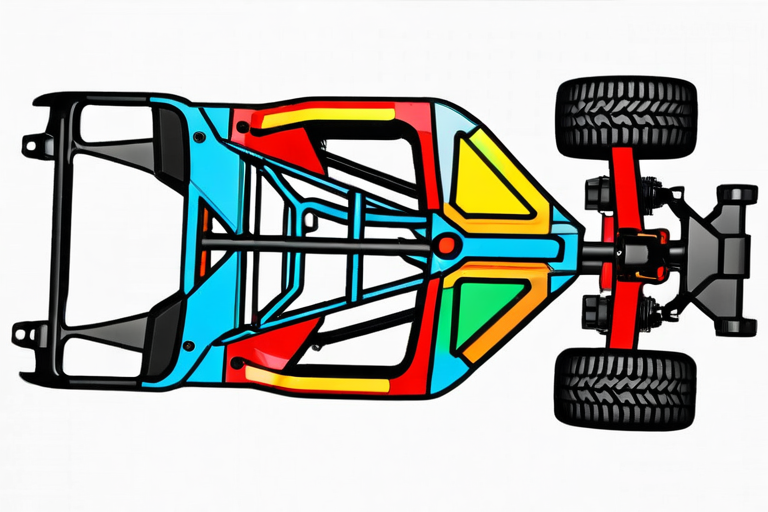
Modern chassis designs incorporate advanced materials and optimized geometries for maximum performance
Electronic Control Systems
The brains behind modern toy off-road vehicles have become increasingly sophisticated. According to technical documentation from Spektrum, contemporary radio control systems offer:
Digital Signal Processing
Advanced transmitters utilize DSP to provide precise control inputs with minimal latency. Response times have decreased from approximately 20ms in early digital systems to under 5ms in current-generation equipment.
Gyroscopic Stabilization
Many premium models incorporate inertial measurement units (IMUs) that automatically adjust throttle and steering inputs to maintain vehicle stability. This technology, adapted from aerospace applications, helps prevent rollovers during aggressive cornering.
Telemetry Systems
Advanced models can transmit real-time data including motor temperature, battery voltage, speed, and suspension travel. This information allows operators to optimize performance and prevent component damage.
Tire Technology and Terrain Adaptation
Tire design represents another area where toy vehicles closely mirror their full-scale counterparts. Modern off-road toy tires feature:
Compound Variations
Different rubber compounds for various surfaces (soft for loose terrain, hard for packed surfaces)
Tread Patterns
Specialized designs for mud, sand, rock crawling, and general trail use
Beadlock Technology
Mechanical systems that prevent tire separation from wheels during low-pressure operation
According to testing data from Pro-Line Racing, modern toy vehicle tires can generate traction coefficients approaching 0.8 on ideal surfaces, comparable to many full-scale off-road tires.
The Future of Miniature Off-Road Engineering
Several emerging technologies promise to further enhance toy off-road vehicle capabilities:
Active Suspension Systems
Prototype systems utilizing miniature hydraulic or pneumatic actuators can adjust suspension stiffness and ride height in real-time, adapting to changing terrain conditions.
Artificial Intelligence Integration
Machine learning algorithms that analyze terrain and optimize vehicle settings automatically, potentially revolutionizing how these vehicles navigate challenging environments.
Advanced Energy Storage
Next-generation battery technologies promise increased energy density and faster charging times, extending operational duration and reducing downtime.
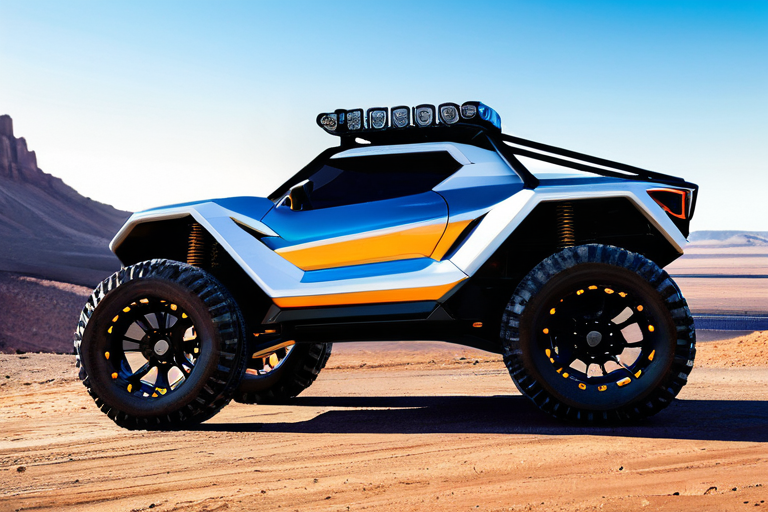
Concept designs showcase potential future innovations in miniature off-road vehicle technology
Educational and Developmental Benefits
Beyond pure entertainment, sophisticated toy off-road vehicles offer significant educational value. According to research compiled by NASA's educational outreach programs, engagement with these devices can:
- Develop understanding of mechanical principles and physics concepts
- Enhance spatial reasoning and hand-eye coordination
- Introduce basic electronics and programming concepts
- Foster problem-solving skills through maintenance and modification
- Encourage outdoor activity and exploration
Technical Specifications Comparison
| Component | Entry Level | Mid-Range | Professional |
|---|---|---|---|
| Motor Type | Brushed 380 | Brushless 3650 | Brushless 4074 |
| Suspension Travel | 25-30mm | 40-50mm | 60-75mm |
| Top Speed | 15-20 mph | 30-40 mph | 50-70 mph |
| Battery Capacity | 1500-2000mAh | 3000-5000mAh | 6000-8000mAh |
Data compiled from manufacturer specifications and independent testing
Conclusion
The engineering behind modern toy off-road vehicles represents a remarkable convergence of multiple disciplines. From advanced materials science to sophisticated electronic control systems, these miniature machines incorporate technologies that would have been unimaginable just a few decades ago. As development continues, driven by both commercial innovation and enthusiast communities, these vehicles will likely become even more capable, further blurring the line between toys and serious engineering platforms.
For those interested in exploring this fascinating field further, resources from organizations like the Remotely Operated Auto Racers (ROAR) association provide valuable technical information and competitive frameworks that continue to push the boundaries of what's possible in miniature off-road engineering.