How Toy Off-Road Vehicles Inspire STEM Learning in Children
Toy off-road vehicles are more than just playthings—they are miniature engineering marvels that spark curiosity in science, technology, engineering, and mathematics (STEM). As a parent or educator, you can leverage these rugged RC trucks and crawlers to teach fundamental concepts while kids have a blast navigating rocks, mud, and sand. This article explores the hidden educational value of these toys and provides practical tips for maximizing learning. Research from the NASA Jet Propulsion Laboratory Education Office shows that hands-on projects significantly improve STEM retention.
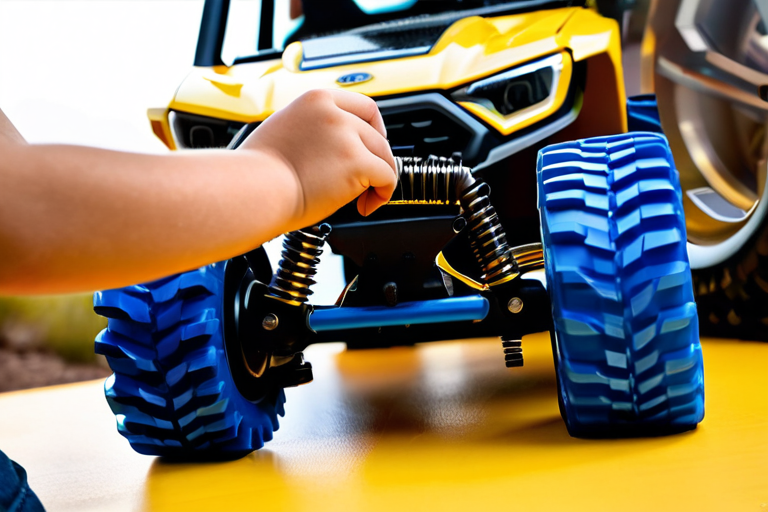
Physics in Action: Suspension and Traction
Every bounce, climb, and slide of a toy off-roader is a physics lesson. The suspension system—often a scale replica of real shocks—demonstrates concepts like energy absorption and oscillation. When a truck rolls over a rock, the springs compress and release, converting kinetic energy into elastic potential. This is pure physics! You can ask children: Why does the car bounce less with stiffer springs? Then experiment by swapping springs (if the model allows) or adjusting preload. Traction also teaches friction and weight distribution. Mud tires with deep treads grip better in soft terrain because of increased friction—something kids intuitively learn but can now understand scientifically. According to the Science Fun Organization, hands-on play accelerates understanding of mechanical principles.
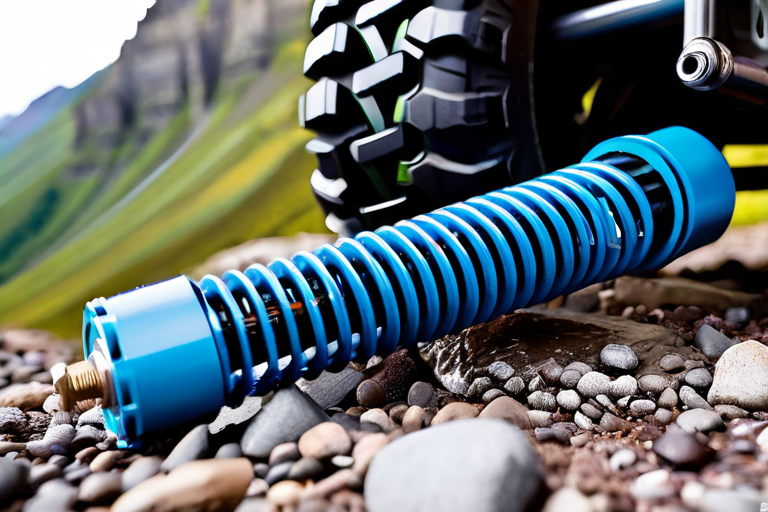
Engineering Design: Building and Modifying
Many toy off-road vehicles come as kits (like Axial SCX10 or Traxxas TRX-4) that require assembly. This is where engineering shines. Kids learn to read blueprints, follow instructions, and understand how parts fit together. Gears, differentials, drivetrains—each component has a purpose. Modifying the vehicle—such as changing tire size or adding a lift kit—introduces systems thinking. A larger tire changes the gear ratio, affecting torque and speed. Such projects develop problem-solving skills and spatial reasoning. The EngineerGirl program emphasizes that building with tangible objects boosts confidence in engineering pathways.
Electronics and Technology: Circuits and Control
Remote-controlled (RC) off-roaders contain a receiver, transmitter, speed controller, and servos. This introduces kids to basic electronics: how signals are sent wirelessly (radio frequency), how batteries power motors (DC circuits), and how PWM (pulse-width modulation) controls speed. You can explore Ohm’s law by measuring voltage and current with a multimeter. Programming smart features—like adjustable traction control or LED light bars—may even spark interest in coding. For example, many modern transmitters allow custom mixing, which teaches logical control. As noted by Raspberry Pi Foundation, understanding feedback loops in RC systems mirrors real-world automation.
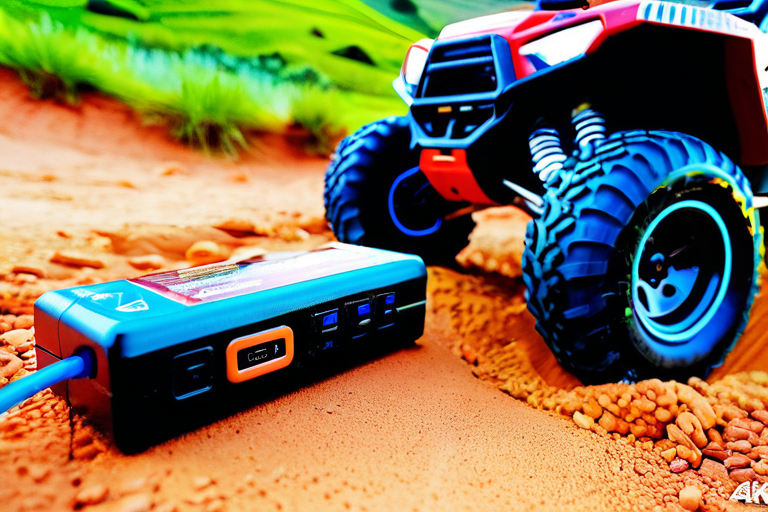
Problem-Solving and Persistence
Off-road driving inevitably leads to getting stuck, flipping over, or breaking a part. Each failure is a mini engineering challenge. How do you free the tires from deep mud? Should you try a different line or adjust the car’s weight? Troubleshooting mechanical issues—like a stripped gear or loose screw—teaches resilience and analytical thinking. Kids learn to hypothesize, test, and iterate. This aligns with the STEM.org.uk approach: real-world problem solving is the best classroom.
Creativity and Customization
From painting bodies to fabricating custom bumpers, toy off-roaders are blank canvases. Kids can 3D-print parts, design decals, or even build a complete chassis from scratch. This merges art with engineering, fostering divergent thinking. Many manufacturers offer upgrade parts like metal axles or brushless motors, allowing children to optimize performance. The Society for STEM Education reports that creative design projects significantly increase engagement in technical subjects.

Choosing the Right Toy for STEM Education
Not all toy off-roaders are equal. For educational value, prioritize:
- Buildable kits (e.g., Axial SCX10 III, Traxxas TRX-4 Sport) – teach assembly and mechanics.
- Programmable vehicles (e.g., DJI RoboMaster, but dedicated off-roaders with Arduino compatibility) – introduce coding.
- Durable and repairable models – encourage troubleshooting and part replacement.
- Scale accuracy – better demonstrate real-world engineering.
For younger children, simple 2WD models with realistic suspension work well (e.g., Maisto Rock Crawlers). For teens, advanced kit-based 4WD systems provide deeper challenges. Always supervise and discuss the why behind performance.
Conclusion
Toy off-road vehicles are powerful STEM tools disguised as fun. By engaging with these miniature machines, children absorb physics, engineering, electronics, and problem-solving without even realizing it. Whether climbing a rock pile in the backyard or repairing a broken axle, every moment is a learning opportunity. As the Teachers TryScience initiative notes, authentic experiences like these cultivate future innovators. So next time your child drives a toy truck over a sand dune, know that they’re not just playing—they’re becoming little engineers.
References: NASA JPL Education, Science Fun, EngineerGirl, Raspberry Pi Foundation, STEM.org.uk, Society for STEM Education, Teachers TryScience.