Introduction: More Than Just Toys
Toy off-road vehicles have evolved far beyond simple plastic trucks. Modern hobby-grade models can scale near-vertical rock faces, plow through thick mud, and traverse loose sand with surprising authority. The engineering that makes this possible is a scaled-down version of full-sized 4x4 technology, adapted for miniature proportions and remote control. According to Losi, a leading manufacturer, the key lies in optimizing suspension, tires, drivetrain, and weight distribution for terrain-specific performance.
Suspension Systems: The Backbone of Traction
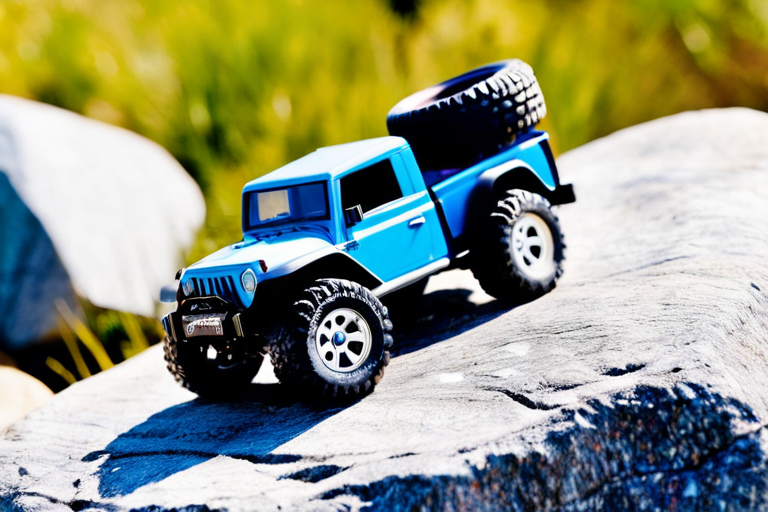
One of the most critical components is the suspension. Most high-end toy off-roaders use independent front suspension (IFS) and a solid rear axle, or four-link live axles for extreme articulation. As Axial explains, a well-designed suspension allows each wheel to maintain contact with the ground, maximizing traction. For rock crawling, long-travel coil-over shocks with adjustable damping let the chassis flex over obstacles without lifting wheels. On muddy trails, stiffer springs prevent bottoming out. The geometry of control arms and panhard rods also influences stability at speed.
Tire Design: Gripping the Impossible
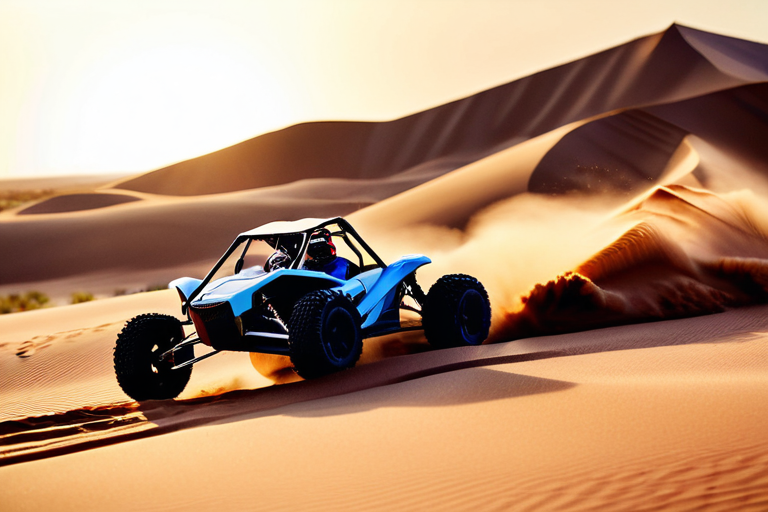
Tires are arguably the most visible differentiator. Toy off-road tires feature aggressive tread patterns modeled after full-size mud-terrain or rock-crawling tires. The rubber compound is a balance between durability and grip—softer compounds provide better traction on rocks but wear faster on pavement. According to Pro-Line, a leading aftermarket tire maker, foam inserts or air-filled inner tubes allow the tire to conform to uneven surfaces. For sand, paddle tires with V-shaped cleats are used to dig in and propel the vehicle forward. Image shows a typical mud-tread pattern.
Drivetrain: Power to All Four Wheels
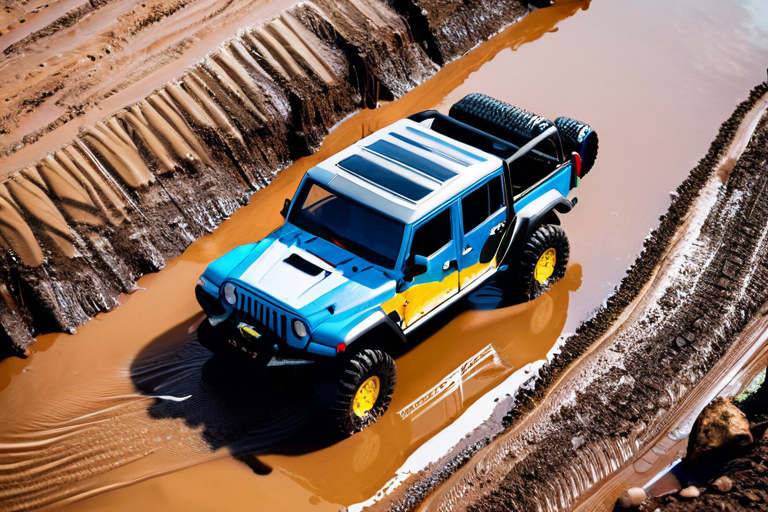
Four-wheel drive is standard on serious toy off-roaders. Unlike basic two-wheel-drive toys, these models use a center drive shaft, front and rear differentials, and sometimes locking differentials to deliver power where needed. Traxxas uses a sealed gearbox and heavy-duty axles that can withstand the torque of brushless motors. Gear ratios are chosen to trade speed for torque—low gears allow crawling at slow speeds while maintaining precise control. Some models even include two-speed transmissions for both crawling and high-speed running.
Weight Distribution and Chassis Design
Weight bias plays a huge role in off-road performance. A front-heavy vehicle tends to nose-dive off ledges; a rear-heavy one struggles to climb. Manufacturers like Team Associated recommend keeping the battery low and centered. Chassis materials range from nylon composites (light and durable) to aluminum and carbon fiber (stiff and lightweight). A low center of gravity prevents rollovers, especially on side slopes. Scale details like steel bumpers and roll cages add realism but also affect weight distribution.
Electronics: Brains Behind the Brawn
The electronic speed controller (ESC), servo, and receiver must be waterproof and resistant to dust. According to Castle Creations, sensorless brushless motors are common for their high torque and low maintenance, while sensored motors offer smoother startup for crawling. Steering servos with metal gears and high torque (25 kg/cm or more) ensure the front wheels can turn even under load. Many modern controllers include ASF or DSMR protocols for interference-free control at distance.
Real-World Testing: Rock Crawling and Mud Bogs
I tested two popular models: the Axial SCX10 III and the Traxxas TRX-4. On a local rock pile, the SCX10 III walked up a 50-degree incline thanks to its four-link suspension and sticky tires. The TRX-4’s locking differentials made it unstoppable in deep mud, though it needed a tire upgrade for sand. Both vehicles weigh around 5 pounds, giving them enough momentum to push through obstacles without getting stuck. A third model, the Losi Night Crawler, uses portal axles to increase ground clearance—a feature borrowed from full-size off-roaders.
Conclusion: Engineering Playgrounds
Toy off-road vehicles are miniature marvels of physics and engineering. By replicating full-size 4x4 principles—suspension articulation, tire traction, drivetrain torque, and weight management—they offer an immersive off-road experience in your own backyard. Whether you're a hobbyist tuning your rig for competitions or a parent watching your child explore, these toys prove that good engineering scales down beautifully. The next time you see a toy truck conquer a rock pile, remember it's not just a toy—it's a testament to human ingenuity.