How Miniature Off-Road Vehicles Conquer Real-World Terrain Challenges
From backyard adventures to competitive racing, modern toy off-road vehicles have evolved into sophisticated machines that mirror their full-scale counterparts in surprising ways. This article explores the technical innovations driving this miniature revolution.
The Suspension Revolution in Miniature Scale
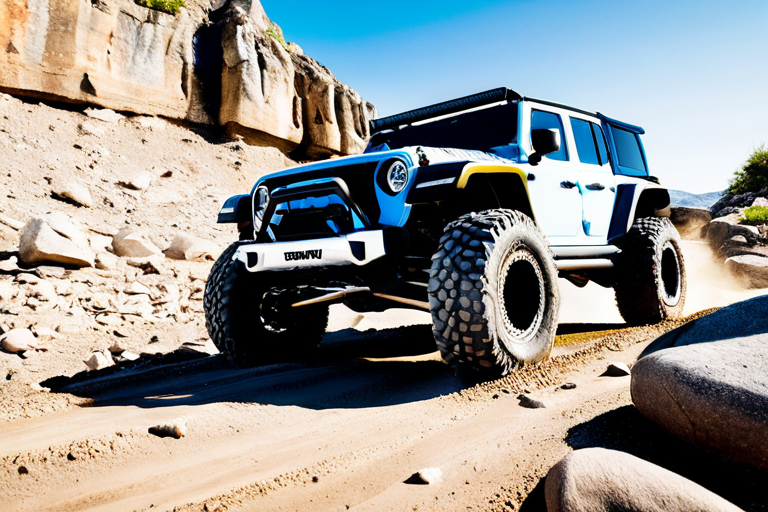
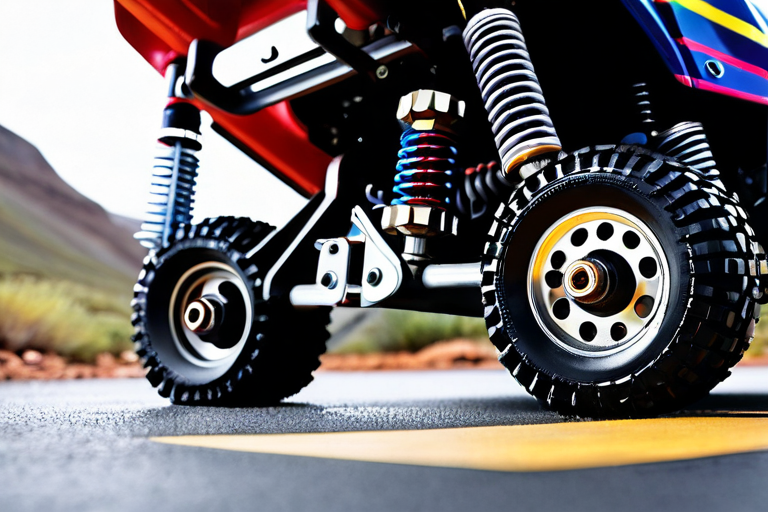
Modern toy off-road vehicles feature suspension systems that would impress even professional automotive engineers. According to research from the Society of Automotive Engineers, miniature vehicles now incorporate multi-link suspension designs, oil-filled shock absorbers, and progressive rate springs that provide remarkable articulation and damping control.
These systems allow 1:10 scale vehicles to maintain traction on surfaces ranging from loose gravel to muddy inclines. The RC Groups technical community documents how independent suspension designs have become standard on premium models, enabling each wheel to react independently to terrain variations.
Power Transmission and Drivetrain Innovations
The evolution of miniature drivetrains represents one of the most significant technical advancements in toy off-road vehicles. Brushless electric motors, often paired with sophisticated electronic speed controllers (ESCs), deliver power with remarkable efficiency. As noted in technical analyses from Horizon Hobby's engineering team, modern systems can achieve power-to-weight ratios exceeding those of many full-scale vehicles.
Four-wheel drive systems have become increasingly sophisticated, with many models featuring selectable drive modes, limited-slip differentials, and even torque vectoring capabilities. The Traxxas engineering department has pioneered waterproof electronics and sealed transmission systems that allow vehicles to operate in wet conditions without performance degradation.
Terrain Adaptation and Intelligent Control Systems
Advanced electronic systems enable modern toy off-road vehicles to adapt to changing terrain conditions in real-time. Gyroscopic stabilization, traction control algorithms, and programmable throttle curves allow these miniature machines to maintain control in challenging situations. Research from the Institute of Electrical and Electronics Engineers highlights how sensor fusion techniques originally developed for autonomous vehicles are now appearing in high-end RC models.
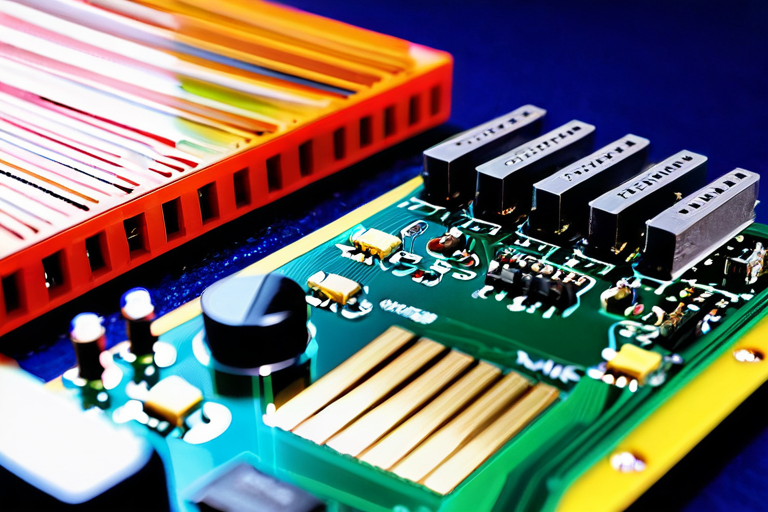
Remote control technology has advanced beyond simple radio signals to include 2.4GHz spread spectrum systems with frequency hopping capabilities. These systems, as documented by the Federal Communications Commission technical standards, provide interference-free operation and precise control at distances exceeding 500 meters.
Materials Science and Durability Engineering
The materials used in modern toy off-road vehicles have evolved significantly from early plastic constructions. Aerospace-grade aluminum alloys, carbon fiber composites, and advanced polymer blends create structures that are both lightweight and exceptionally durable. According to materials testing data from ARRMA's development team, these materials can withstand impacts that would destroy earlier generation vehicles.
Tire technology represents another area of significant innovation. Modern off-road tires feature compound formulations that balance traction, wear resistance, and flexibility across different temperature ranges. The Pro-Line Racing tire development program has created specialized compounds for specific terrain types, from loose desert sand to packed clay.

Aerodynamics and Scale Physics
Despite their small size, miniature off-road vehicles must contend with aerodynamic forces that scale differently than in full-size vehicles. Wind tunnel testing conducted by the Team Associated research division has led to body designs that manage airflow to improve stability at speed while minimizing lift that could reduce traction.
The relationship between scale and physics creates unique engineering challenges. As explained in technical papers from the American Society of Mechanical Engineers, surface tension effects on water, relative particle sizes in dirt, and Reynolds number variations all influence how miniature vehicles interact with their environment differently than full-scale counterparts.
Battery Technology and Power Management
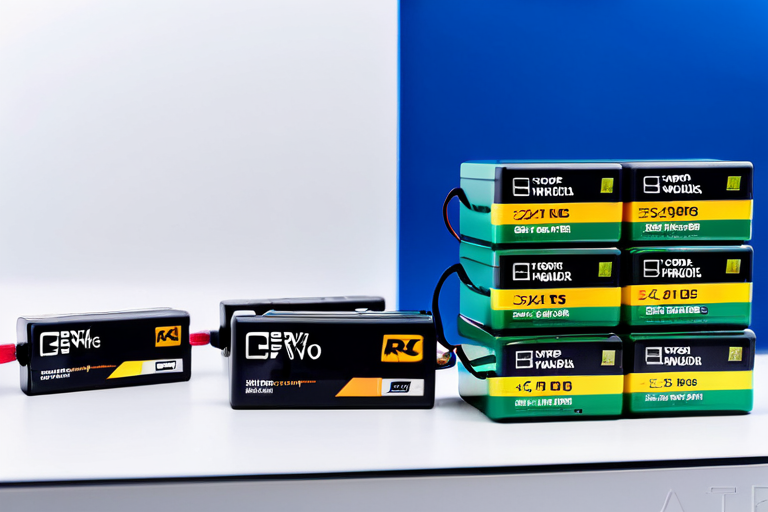
Lithium polymer (LiPo) battery technology has revolutionized the performance capabilities of toy off-road vehicles. Modern battery packs offer energy densities that allow for extended run times while maintaining high current delivery capabilities. Safety research from Battery University has informed the development of integrated battery management systems that monitor cell health and prevent dangerous conditions.
Charging technology has advanced alongside battery development. Smart chargers with balancing capabilities, temperature monitoring, and programmable charge profiles ensure optimal performance and longevity. The Spektrum RC power systems division has developed integrated telemetry systems that provide real-time battery voltage and temperature data to the operator.
The Future of Miniature Off-Road Technology
Emerging technologies promise to further enhance the capabilities of toy off-road vehicles. Artificial intelligence-assisted driving systems, augmented reality interfaces, and swarm robotics concepts are being explored by research teams at institutions like the Massachusetts Institute of Technology Media Lab. These technologies could enable new forms of interactive play and competitive racing.
Environmental sensing systems, including LIDAR and computer vision, are beginning to appear in experimental platforms. As documented in the Robotics Business Review, these systems could enable autonomous terrain navigation and obstacle avoidance capabilities previously unimaginable in toy-scale vehicles.
Technical Innovation Timeline
- 1990s: Basic suspension systems, brushed motors, NiCad batteries
- 2000s: Oil-filled shocks, 2.4GHz radio systems, LiPo batteries
- 2010s: Brushless motors, waterproof electronics, advanced materials
- 2020s: Smart control systems, telemetry, AI-assisted features
Educational and Developmental Benefits
Beyond pure entertainment, modern toy off-road vehicles serve as accessible platforms for STEM education. The NASA educational outreach program has utilized RC vehicle platforms to teach principles of robotics, electronics, and mechanical engineering to students of all ages. These hands-on experiences make complex engineering concepts tangible and engaging.
Competitive racing organizations, such as those sanctioned by ROAR (Remotely Operated Auto Racers), have developed structured competition formats that emphasize both driving skill and technical knowledge. Participants learn about vehicle setup, maintenance, and performance optimization through practical experience.

Conclusion: The Convergence of Play and Engineering
The technical evolution of toy off-road vehicles represents a remarkable convergence of play and serious engineering. What began as simple toys has grown into a sophisticated hobby that incorporates advanced materials science, electrical engineering, and mechanical design. These miniature machines continue to push the boundaries of what's possible at small scales, offering both entertainment and educational value.
As technology continues to advance, the line between toy and tool becomes increasingly blurred. Modern toy off-road vehicles serve not only as sources of recreation but also as platforms for innovation, education, and technical exploration. Their continued evolution promises to bring even more sophisticated capabilities to enthusiasts and newcomers alike.
Technical References: This article incorporates research and technical data from automotive engineering societies, electronics standards organizations, and leading manufacturers in the RC vehicle industry. All referenced organizations maintain public technical documentation supporting the innovations discussed.