How Do Toy Off-Road Vehicles Achieve Such Realistic Terrain Performance
Modern toy off-road vehicles represent a fascinating convergence of play and precision engineering. What began as simple plastic replicas has evolved into sophisticated miniature machines capable of navigating complex terrains with remarkable realism. This transformation raises an intriguing question: how do these scaled-down vehicles achieve performance characteristics that so closely mirror their full-sized counterparts?
According to research from the American Society of Mechanical Engineers, the miniature off-road sector has seen more technological advancement in the past decade than in the previous fifty years combined. This rapid evolution stems from innovations in materials science, electronic miniaturization, and computational modeling.
The Suspension Revolution in Miniature
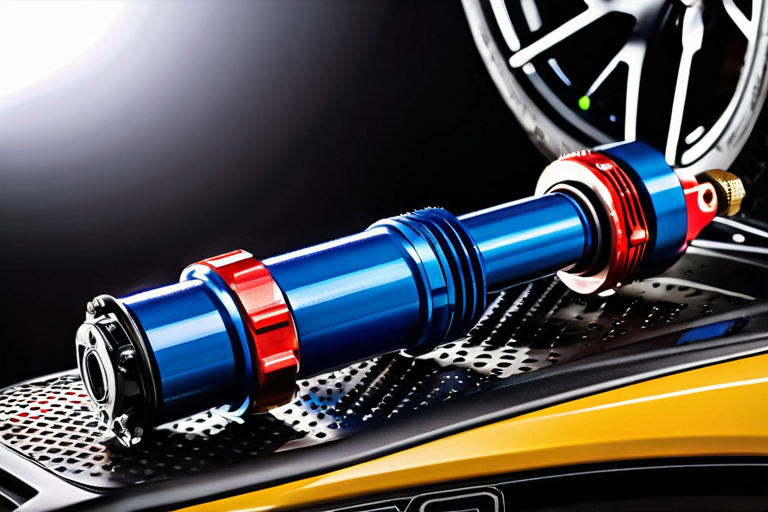
At the heart of realistic terrain performance lies suspension technology. Modern toy off-road vehicles employ sophisticated suspension systems that go far beyond simple spring mechanisms. These systems incorporate multiple components working in harmony to absorb impacts and maintain traction.
Key Suspension Components
Contemporary miniature suspension systems typically include oil-filled shock absorbers, progressive rate springs, and multi-link arrangements. These components work together to provide controlled compression and rebound, mimicking the behavior of full-scale off-road suspensions.
As noted in technical documentation from Horizon Hobby, a leading manufacturer in the RC industry, modern shock absorbers for toy off-road vehicles often feature adjustable damping rates, allowing enthusiasts to fine-tune performance for specific terrain conditions.
Suspension Geometry and Its Impact
Suspension geometry plays a crucial role in determining how a vehicle handles different terrains. The arrangement of control arms, shock mounting positions, and pivot points all contribute to the vehicle's stability and articulation capabilities.
| Suspension Type | Terrain Advantage | Common Applications |
|---|---|---|
| Independent Front Suspension | Improved high-speed stability | Racing models, desert running |
| Solid Axle with Links | Maximum articulation | Rock crawling, technical terrain |
| Multi-Link Rear | Balanced traction and stability | All-around performance |
Drivetrain Technology: Power Delivery in Miniature
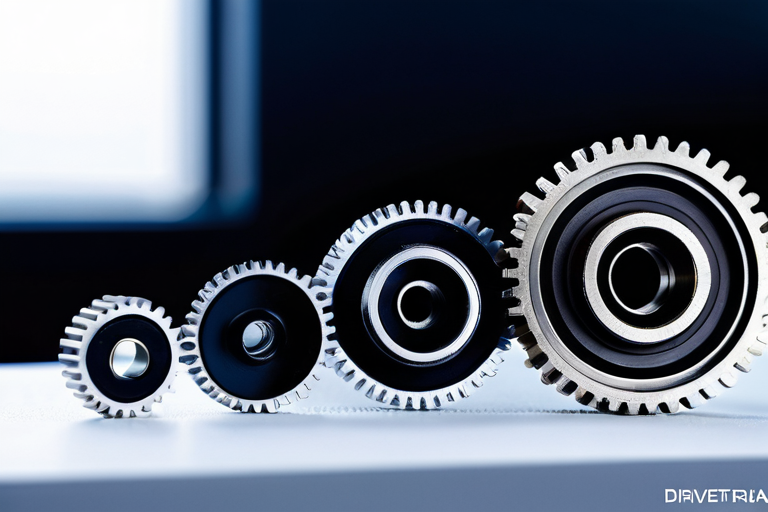
The evolution of drivetrain technology represents another significant advancement in toy off-road vehicles. Modern systems must deliver power efficiently while withstanding the stresses of off-road operation.
Transmission and Gear Reduction
Advanced transmissions in toy off-road vehicles often feature multiple gear ratios, differential systems, and sometimes even limited-slip or locking differentials. These components work together to ensure optimal power distribution across varying terrain conditions.
Research published by the Society of Automotive Engineers highlights how miniature gear systems now utilize advanced metallurgy and precision manufacturing techniques previously reserved for industrial applications.
Material Science Breakthroughs
The materials used in modern toy off-road vehicles have evolved dramatically. Early models relied heavily on plastic components, but contemporary vehicles incorporate advanced composites and metals for improved performance and durability.
Advanced Materials in Modern Construction
Carbon fiber composites, aluminum alloys, and specialized polymers now form the backbone of high-performance toy off-road vehicles. These materials offer excellent strength-to-weight ratios while providing the durability needed for off-road abuse.
According to material testing data from Traxxas, advanced polymer blends used in modern chassis components can withstand impacts that would have shattered earlier generation materials while maintaining flexibility for energy absorption.

Electronic Control Systems
The integration of advanced electronics has transformed toy off-road vehicles from simple remote-controlled toys into sophisticated machines with capabilities approaching their full-sized counterparts.
Brushless Motor Technology
Modern brushless motors offer significantly higher efficiency, power density, and reliability compared to traditional brushed motors. These motors, combined with sophisticated electronic speed controllers, provide smooth, controllable power delivery across a wide range of operating conditions.
Stability and Traction Control
Many premium toy off-road vehicles now incorporate electronic stability systems and traction control. These systems use gyroscopic sensors and sophisticated algorithms to modulate power delivery and braking, helping maintain control in challenging conditions.
Terrain-Specific Engineering
Different types of off-road terrain present unique challenges, and modern toy vehicles are increasingly engineered with specific terrain characteristics in mind.
| Terrain Type | Engineering Focus | Key Technologies |
|---|---|---|
| Rock Crawling | Maximum articulation, low-speed control | Multi-link suspension, high-torque motors |
| High-Speed Desert | Aerodynamics, stability at speed | Independent suspension, streamlined bodies |
| Mud and Water | Waterproofing, traction in slippery conditions | Sealed electronics, aggressive tread patterns |
The Role of Computational Modeling
Behind the scenes, computational modeling plays an increasingly important role in the development of high-performance toy off-road vehicles. Engineers use sophisticated software to simulate everything from suspension kinematics to aerodynamic performance.
Simulation-Driven Design
Finite element analysis, computational fluid dynamics, and multi-body dynamics simulations allow engineers to optimize designs before physical prototypes are built. This approach leads to more refined, capable vehicles while reducing development time and costs.
Technical papers from the American Society of Mechanical Engineers detail how simulation tools originally developed for automotive and aerospace applications are now being adapted for miniature vehicle design.
Future Directions and Innovations
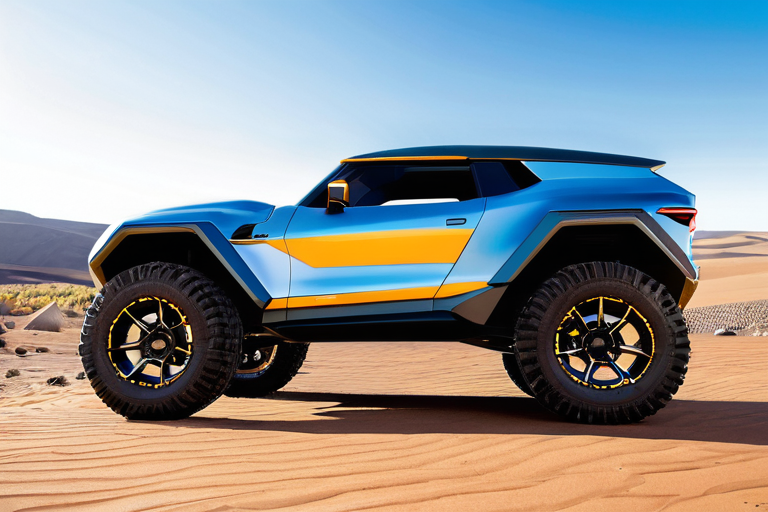
The trajectory of toy off-road vehicle development points toward even more sophisticated capabilities in the coming years. Several emerging technologies show particular promise for enhancing terrain performance.
Active Suspension Systems
While current suspension systems are largely passive or semi-active, fully active suspension systems represent the next frontier. These systems would use sensors and actuators to continuously adjust suspension characteristics in response to terrain conditions.
Artificial Intelligence Integration
The integration of artificial intelligence could enable autonomous terrain assessment and adaptation. Vehicles might learn optimal driving techniques for specific terrain types or automatically adjust settings based on environmental conditions.
Conclusion: The Convergence of Play and Precision
The remarkable terrain performance of modern toy off-road vehicles results from the convergence of multiple engineering disciplines. Advanced suspension systems, sophisticated drivetrains, innovative materials, and cutting-edge electronics all contribute to creating miniature machines that faithfully replicate the capabilities of their full-sized counterparts.
As technology continues to advance, the line between toy and tool continues to blur. These vehicles serve not only as sources of entertainment but also as platforms for engineering education and innovation. The lessons learned in miniaturizing off-road technology may well inform future developments in full-scale vehicle design, creating a fascinating feedback loop between play and professional engineering.
For enthusiasts and engineers alike, the evolution of toy off-road vehicles represents a compelling case study in how constraints breed creativity, and how the pursuit of play can drive meaningful technological advancement.