How Do Modern Toy Off-Road Vehicles Achieve Such Realistic Performance
From backyard adventures to competitive racing circuits, miniature off-road vehicles have evolved from simple toys into sophisticated engineering platforms. This exploration examines the technological advancements that enable these scaled-down machines to perform with remarkable realism.
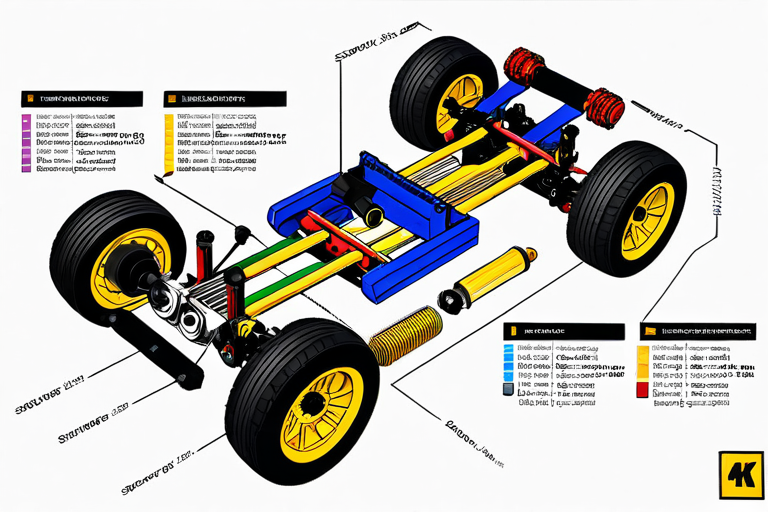
Advanced suspension systems enable realistic terrain handling in modern toy off-road vehicles
The Suspension Revolution: More Than Just Springs
Contemporary miniature off-road vehicles feature suspension systems that would impress automotive engineers. According to research from the Society of Automotive Engineers, modern toy vehicles employ multi-link suspension designs that closely mimic full-scale counterparts. These systems typically include:
- Oil-filled shock absorbers with adjustable damping
- Independent suspension on all four wheels
- Progressive rate springs for varying terrain loads
- Anti-roll bars for improved stability
The RC Groups technical community notes that advanced models feature suspension travel exceeding 50mm, allowing them to navigate obstacles proportionally equivalent to what full-size vehicles encounter. This capability stems from meticulous engineering that balances scale accuracy with functional requirements.
Power Systems: From Simple Motors to Brushless Marvels
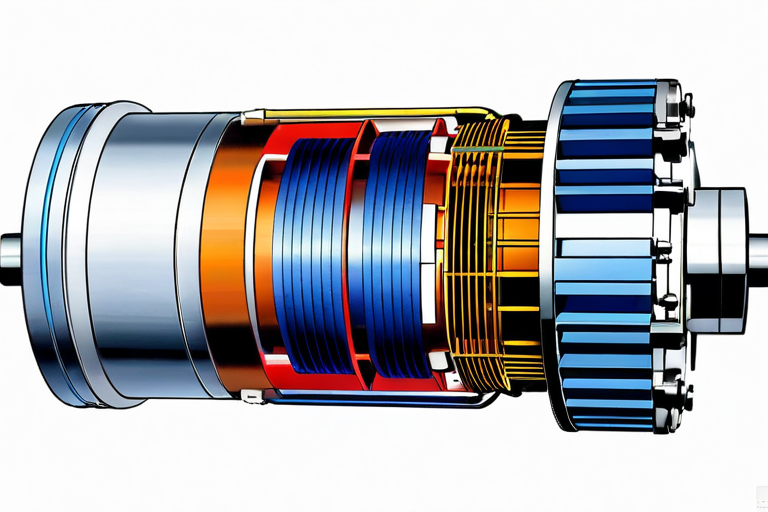
Brushless motor technology provides exceptional power-to-weight ratios in modern designs
Power delivery represents another area where toy off-road vehicles have made quantum leaps. Early models relied on simple DC motors with limited torque and speed control. Today's high-performance units utilize brushless motor technology originally developed for industrial applications.
Technical analysis from Horizon Hobby's engineering division reveals that modern brushless systems offer several advantages:
Efficiency Gains
Brushless motors achieve efficiency ratings above 85%, compared to 60-70% for brushed counterparts, extending battery life significantly.
Power Density
Modern systems deliver power-to-weight ratios exceeding 500 watts per kilogram, enabling impressive acceleration and hill-climbing ability.
Control Precision
Electronic speed controllers provide smooth, programmable throttle response across the entire power band.
Materials Science: Building Durability into Miniature Scale
The choice of materials significantly impacts both performance and durability. Early toy vehicles primarily used ABS plastic, which offered limited strength and flexibility. Contemporary designs incorporate advanced composites and metal alloys.
Research published in the ASM International materials database highlights several key material innovations:
Electronic Control Systems: The Digital Brain
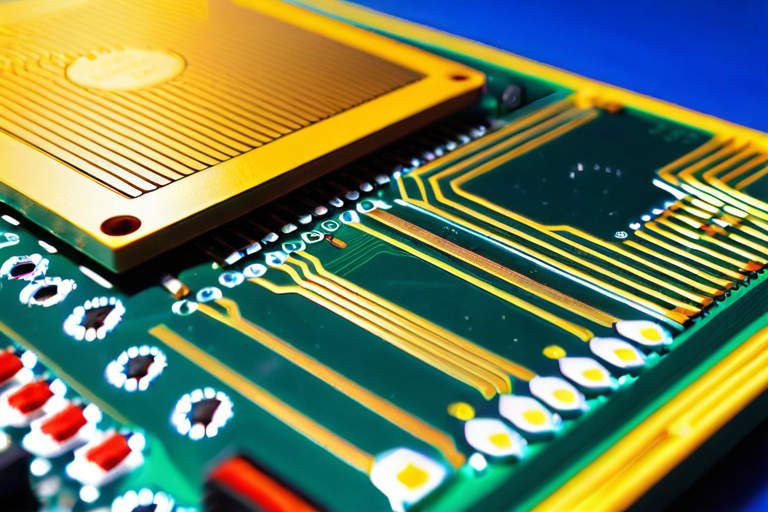
Sophisticated electronic control systems manage power distribution and vehicle dynamics
Modern control systems represent perhaps the most significant advancement. Early radio control systems offered basic forward/reverse/steering functions. Today's systems incorporate microprocessors that manage multiple vehicle parameters simultaneously.
According to technical documentation from Spektrum RC's technology division, contemporary control systems feature:
- Adaptive traction control that adjusts power delivery based on wheel slip
- Gyroscopic stabilization for improved handling on uneven terrain
- Programmable throttle curves for different driving conditions
- Telemetry systems monitoring battery voltage, motor temperature, and speed
- Fail-safe systems that automatically brake if signal is lost
Battery Technology: Powering the Performance Revolution
The shift from nickel-based to lithium-polymer (LiPo) batteries has transformed performance capabilities. Data from Battery University's research archive indicates that modern LiPo batteries offer:
Energy Density
200-300% greater energy density compared to NiMH batteries of equivalent size
Discharge Rates
Sustained discharge rates up to 50C (50 times capacity) for burst power
Weight Reduction
Approximately 40% lighter than equivalent capacity nickel-based batteries
Charge Times
Fast charging capabilities reducing typical charge times to 30-60 minutes
Scale Accuracy and Realism: Beyond Simple Replication
Modern toy off-road vehicles achieve remarkable scale accuracy while maintaining functional integrity. The International Plastic Modelers' Society notes that contemporary models typically adhere to precise scale ratios (1:10, 1:8, 1:5) while incorporating functional elements that maintain performance.
Key aspects of scale realism include:
Proportional Dynamics
Suspension geometry and wheel travel maintain proportional relationships to full-scale vehicles, ensuring realistic handling characteristics rather than simply scaled-down dimensions.
Detail Integration
Functional details like working steering linkages, realistic tire tread patterns, and accurate body proportions contribute to both visual authenticity and performance.
Material Scaling
Material selection considers scale effects, with thinner, lighter materials used where appropriate while maintaining structural integrity.
The Future: Emerging Technologies and Trends
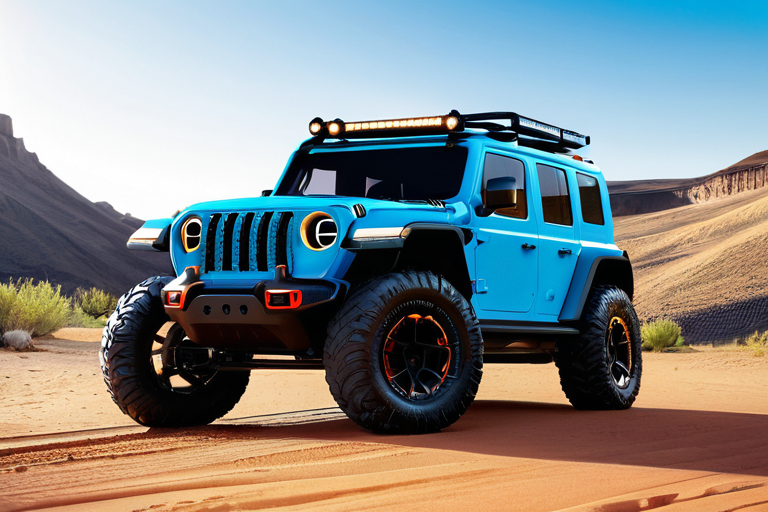
Concept designs hint at future integration of augmented reality and autonomous features
Industry analysis from RC Magazine's technical editors suggests several emerging trends:
- Smart Connectivity: Integration with mobile apps for setup, tuning, and data logging
- Advanced Materials: Increased use of graphene composites and 3D-printed components
- Autonomous Features: Basic self-righting and obstacle avoidance capabilities
- Enhanced Realism: Sound systems replicating engine noises and working lighting
- Sustainability Focus: Biodegradable components and improved recyclability
Engineering Insights
The remarkable performance of modern toy off-road vehicles results from synergistic integration of multiple technological domains. Suspension systems provide realistic handling, advanced power systems deliver impressive performance, sophisticated materials ensure durability, and electronic controls manage complex interactions. This convergence of technologies creates miniature machines that not only entertain but also demonstrate engineering principles in accessible form.
As noted by engineering teams at leading manufacturers, the continued evolution of these vehicles reflects broader trends in miniaturization, materials science, and control systems. What began as simple toys has grown into a sophisticated hobby that bridges play and engineering education, offering enthusiasts hands-on experience with technologies that parallel full-scale automotive development.