How Do Miniature Off-Road Vehicles Achieve Remarkable Terrain Performance

The world of miniature off-road vehicles has undergone a remarkable transformation in recent years. What once were simple toys with limited functionality have evolved into sophisticated machines that replicate real-world off-road performance with astonishing accuracy. This evolution raises an intriguing question: how do these small-scale vehicles achieve such impressive terrain capabilities?
The Suspension Revolution in Miniature Form
At the heart of any capable off-road vehicle lies its suspension system. Miniature off-roaders have adopted advanced suspension designs that mirror their full-scale counterparts. Independent suspension systems, once exclusive to high-end vehicles, are now common in hobby-grade RC cars. These systems utilize oil-filled shock absorbers with adjustable damping rates, allowing enthusiasts to fine-tune performance for specific terrain conditions.
Key Suspension Components:
- Oil-filled shocks: Provide consistent damping across temperature variations
- Progressive rate springs: Offer soft initial travel with increasing resistance
- Anti-roll bars: Reduce body roll during cornering
- Adjustable camber links: Allow precise alignment tuning
The sophistication extends to suspension geometry. Many modern toy off-road vehicles feature multi-link suspension designs that maintain optimal tire contact with uneven surfaces. This technology, borrowed from professional off-road racing, ensures maximum traction regardless of terrain irregularities.

Power Transmission and Drivetrain Innovations
Power delivery represents another area where miniature off-road vehicles have made significant strides. Modern systems employ brushless electric motors that offer exceptional power-to-weight ratios. These motors, combined with sophisticated electronic speed controllers (ESCs), provide smooth, controllable power delivery essential for technical terrain navigation.
Drivetrain configurations have also evolved. Many high-performance miniature off-road vehicles now feature selectable four-wheel drive systems with locking differentials. This technology allows vehicles to maintain traction even when individual wheels lose contact with the ground, a common occurrence in challenging off-road conditions.
| Drivetrain Type | Terrain Advantage | Common Applications |
|---|---|---|
| 2WD (Rear Wheel Drive) | Lightweight, simple maintenance | Entry-level models, speed-focused builds |
| 4WD (Full Time) | Maximum traction in all conditions | Rock crawling, technical terrain |
| Selectable 4WD | Versatility for mixed conditions | All-around off-road performance |
Tire Technology and Terrain Adaptation
The interface between vehicle and terrain—the tires—has seen remarkable innovation. Modern miniature off-road tires feature compound formulations specifically designed for different surface conditions. Soft compounds excel on loose surfaces like sand and gravel, while firmer compounds provide better wear resistance on rocky terrain.
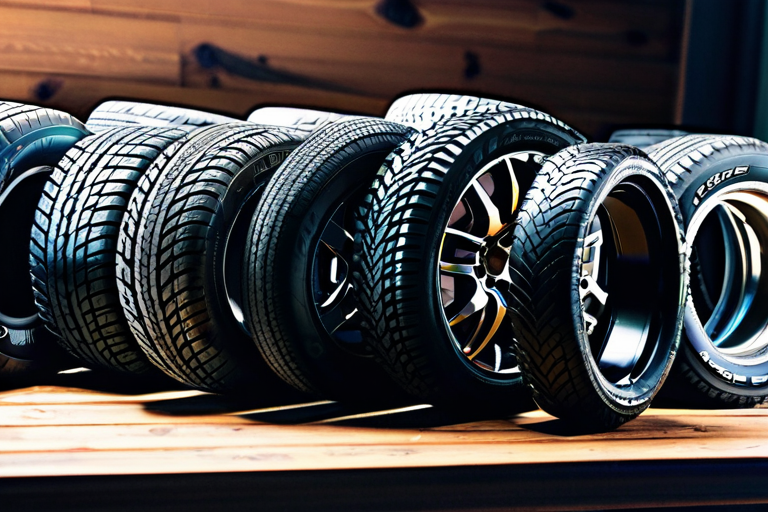
Tread patterns have become increasingly sophisticated, with designs optimized for specific applications. Self-cleaning tread patterns prevent mud buildup, while paddle-style tires provide maximum propulsion in sand. Some manufacturers even offer foam inserts that allow tire pressure adjustment, mimicking the beadlock systems used in full-scale off-road vehicles.
Tire Selection Guidelines:
- Mud terrain: Aggressive, widely spaced lugs for self-cleaning
- All-terrain: Balanced pattern for mixed conditions
- Rock crawling: Soft compound with flexible sidewalls
- Sand: Paddle design for maximum flotation
Electronic Control Systems and Smart Features
Modern miniature off-road vehicles benefit from advanced electronic control systems that would have been unimaginable a decade ago. Gyroscopic stabilization systems help maintain vehicle orientation during jumps and on uneven terrain. Traction control systems prevent wheel spin on slippery surfaces, while ABS-like braking systems provide controlled stopping power.
Radio systems have also advanced significantly. Modern 2.4GHz systems offer interference-free operation with multiple model memory and adjustable parameters. Some high-end systems even provide telemetry feedback, allowing operators to monitor battery voltage, motor temperature, and speed in real-time.
Materials and Construction Techniques
The materials used in miniature off-road vehicle construction have evolved to balance durability with weight savings. Carbon fiber composite chassis provide exceptional stiffness with minimal weight, while aluminum alloy components offer strength for high-stress areas. Advanced plastics and polymers, often reinforced with glass or carbon fibers, create durable yet flexible components that can withstand impacts.
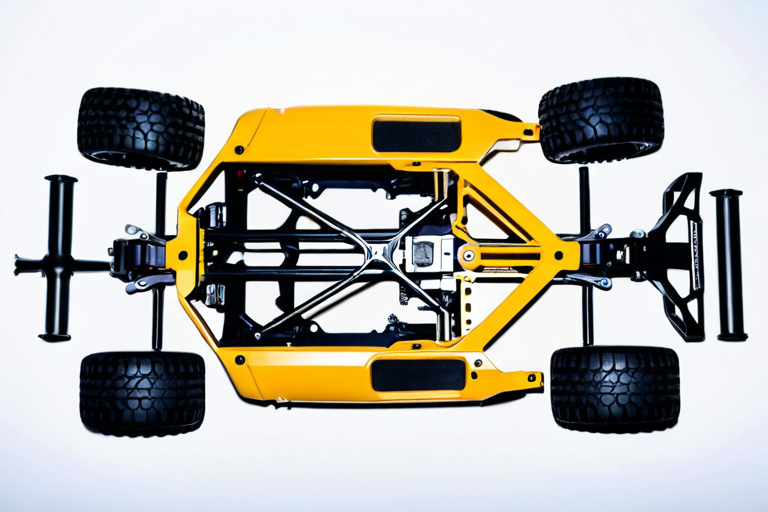
Modular construction has become standard in the industry. This approach allows enthusiasts to upgrade individual components as their skills progress or as new technologies emerge. The aftermarket support for popular platforms is extensive, with countless upgrade options available for every aspect of vehicle performance.
Performance Tuning and Customization
One of the most significant developments in miniature off-road vehicles is the degree of tunability available to enthusiasts. Virtually every aspect of vehicle performance can be adjusted to suit specific conditions or driving styles. Suspension tuning alone offers dozens of adjustment points, including spring rates, shock oil viscosity, and ride height.
Common Performance Adjustments:
- Suspension tuning: Spring rates, damping, ride height
- Drivetrain adjustments: Gear ratios, differential fluid viscosity
- Electronic settings: Throttle curve, braking force, steering sensitivity
- Weight distribution: Battery placement, component positioning
This level of customization extends the educational value of miniature off-road vehicles. Enthusiasts learn principles of physics, engineering, and mechanics through hands-on experimentation with their vehicles.
The Future of Miniature Off-Road Technology
Looking forward, several emerging technologies promise to further enhance miniature off-road vehicle capabilities. Artificial intelligence systems could enable autonomous terrain navigation, while advanced sensor arrays might provide real-time surface analysis. Battery technology continues to improve, with higher energy densities and faster charging capabilities on the horizon.
Connectivity features are also expanding. Some manufacturers are experimenting with augmented reality interfaces that overlay performance data onto the driver's field of view. Social features allow enthusiasts to share routes, compare performance metrics, and participate in virtual competitions.
Educational and Developmental Benefits
Beyond pure entertainment, miniature off-road vehicles offer significant educational value. They introduce fundamental engineering concepts in an accessible, hands-on manner. Problem-solving skills develop naturally as enthusiasts diagnose issues and implement solutions. The hobby also fosters spatial awareness, hand-eye coordination, and an understanding of basic physics principles.
The community aspect cannot be overlooked. Local clubs and organized events provide social interaction and skill development opportunities. Many professional engineers and technicians credit their childhood experiences with RC vehicles as foundational to their career paths.
Skill Development Areas:
- Mechanical aptitude: Assembly, maintenance, repair
- Electronics understanding: Circuitry, power systems, radio technology
- Physics application: Traction, momentum, center of gravity
- Strategic thinking: Line selection, obstacle approach, pace management
Conclusion: The Convergence of Play and Precision
The remarkable terrain performance of modern miniature off-road vehicles results from decades of incremental innovation across multiple technical disciplines. What began as simple toys has evolved into platforms that demonstrate sophisticated engineering principles in accessible form. The continued advancement of these vehicles promises not only more capable machines but also more engaging educational tools and community-building platforms.
As technology progresses, the line between miniature and full-scale off-road vehicles continues to blur. The same principles that enable a toy vehicle to conquer backyard obstacles inform the design of professional off-road racing machines. This symbiotic relationship ensures that innovation in one domain benefits the other, driving continuous improvement across the entire spectrum of off-road vehicle technology.
The future of miniature off-road vehicles appears bright, with new materials, electronics, and design philosophies constantly emerging. For enthusiasts, this means increasingly capable vehicles that offer both entertainment and education. For the industry, it represents ongoing opportunities for innovation and growth. And for observers, it provides a fascinating case study in how play and precision engineering can converge to create something truly remarkable.