When it comes to toy off-road vehicles, most enthusiasts focus on suspension, tires, or four-wheel drive systems. However, one often overlooked component silently dictates performance: the battery. Over the past decade, advancements in battery technology have revolutionized how these miniature machines tackle dirt, rocks, and slopes. Let's explore how modern batteries—especially lithium polymer (LiPo) packs—have transformed toy off-road vehicles from simple playthings into formidable terrain conquerors.
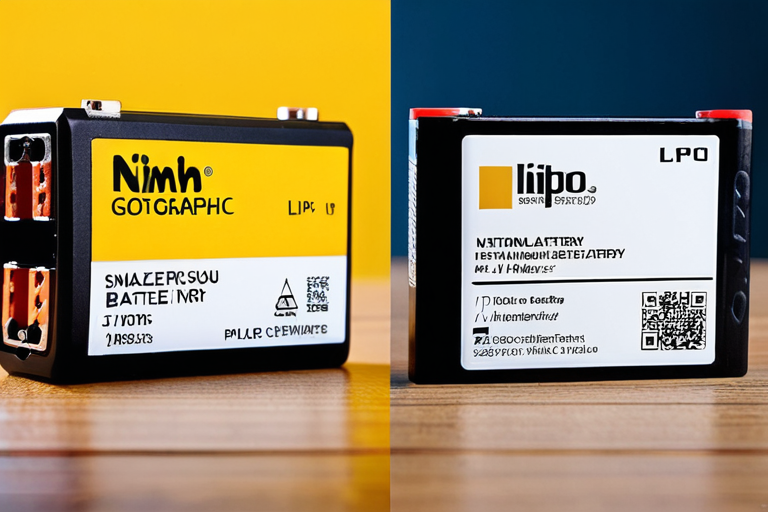
The Shift from NiMH to LiPo
Traditional nickel-metal hydride (NiMH) batteries were heavy and suffered from voltage sag under load. In contrast, LiPo batteries offer higher energy density, lighter weight, and stable voltage output. For example, a 2S LiPo (7.4V) can deliver consistent power throughout a run, allowing vehicles to climb steeper inclines without bogging down. According to RC Groups, LiPo batteries provide up to 30% more runtime and significantly more punch, making them the preferred choice for serious hobbyists.
High Discharge Rates for Instant Torque
Modern LiPo batteries boast discharge rates of 50C or higher, meaning they can release 50 times their capacity in continuous current. This is critical for off-road vehicles that require sudden bursts of power to overcome obstacles. A 5000mAh 50C battery can theoretically deliver 250A—enough to spin even large brushed or brushless motors with authority. The Traxxas battery guide emphasizes that high-C batteries prevent voltage drop during hard acceleration, maintaining wheel speed on loose surfaces.
Low Internal Resistance and Efficiency
Internal resistance (IR) directly impacts how much energy is wasted as heat. Lower IR means more power reaches the motor. Premium LiPo packs like those from Venom have IR values as low as 2 milliohms per cell. This efficiency translates to longer runtimes and cooler operation—essential for extended off-road sessions. As noted in a RC Magazine article, low IR also improves throttle response, giving drivers finer control over tricky terrain.
Weight Distribution and Handling
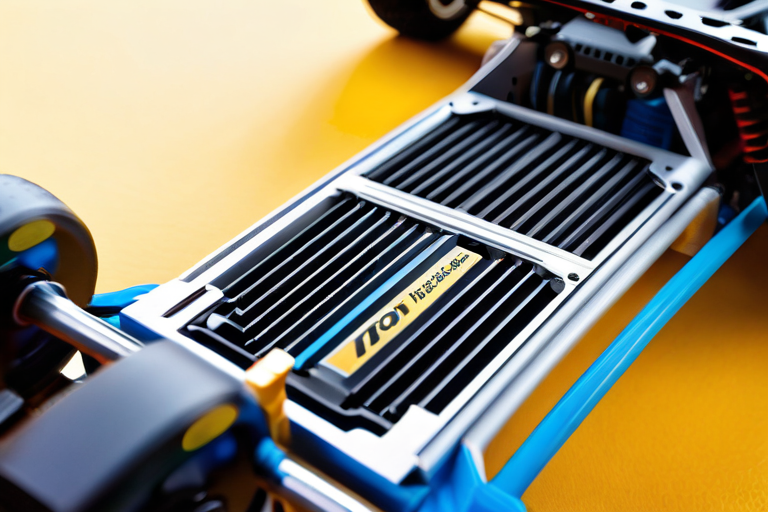
Battery placement significantly affects a vehicle's center of gravity. Many modern toy off-road trucks feature adjustable battery trays to fine-tune balance. For instance, the Axial SCX10 III allows users to mount the battery low and forward, improving stability during climbs. Lighter LiPo batteries reduce unsprung mass, enabling faster suspension response. This is supported by Supercars RC, which states that every gram saved improves maneuverability.
Safety and Charging Advances
Lithium batteries require careful handling. Modern smart chargers like the Spektrum S1500 feature balanced charging, storage modes, and temperature monitoring. These chargers automatically detect cell count and adjust parameters, reducing fire risks. The ROAR (Radio Operated Auto Racing) safety guidelines recommend using LiPo bags and never leaving batteries unattended. Following these practices ensures that the power advantage doesn't come at the cost of safety.
Real-World Impact: Case Study with a Traxxas Stampede
To see the difference, consider the popular Traxxas Stampede 4x4. Equipped with a 2S LiPo, it can clear 6-inch logs and climb 45-degree inclines. Upgrading to a 3S LiPo (11.1V) pushes the vehicle into a different league—wheelies over bumps, higher top speed, and the ability to plow through thick mud. A forum user on RC Talk reported that after switching to LiPo, his Stampede could traverse terrain that previously required a larger 1/8-scale buggy. This real-world data underscores the transformative effect of battery technology.
Conclusion
While suspension and tires get the glory, the battery is the unsung hero of toy off-road performance. From lightweight LiPo chemistry to high discharge rates and intelligent charging, these innovations have democratized high-performance off-roading. Next time you see a tiny truck conquering a backyard mountain, remember that it's the silent power pack underneath that makes the magic happen. For more details, check out industry resources like RC Driver and Big Squid RC.