Exploring the Technical Evolution of Miniature Off-Road Vehicles

The world of miniature off-road vehicles represents a fascinating intersection of play, engineering, and technological innovation. What began as simple wind-up toys has evolved into complex remote-controlled machines capable of tackling challenging terrain with surprising sophistication. This evolution mirrors broader technological trends while creating unique engineering challenges at a reduced scale.
Historical Foundations and Early Innovations
The journey of toy off-road vehicles began in earnest during the mid-20th century, when manufacturers started experimenting with scaled-down versions of real off-road machines. Early models were typically simple die-cast vehicles with limited functionality, but they laid the groundwork for what was to come. According to historical records from the National Museum of American History, the first commercially successful off-road toy vehicles emerged in the 1960s, coinciding with the growing popularity of real off-road racing.
The 1970s marked a significant turning point with the introduction of battery-powered vehicles. These early electric models, while primitive by today's standards, demonstrated the potential for independent power sources and more complex control systems. Research from the Society of Automotive Engineers indicates that many early innovations in miniature vehicle design were adapted from full-scale automotive engineering principles, scaled down to toy proportions.
The Remote Control Revolution
The advent of reliable radio control technology in the 1980s transformed toy off-road vehicles from passive playthings into interactive machines. Early RC systems operated on limited frequency bands with basic proportional control, but they opened up new possibilities for realistic operation and terrain negotiation.
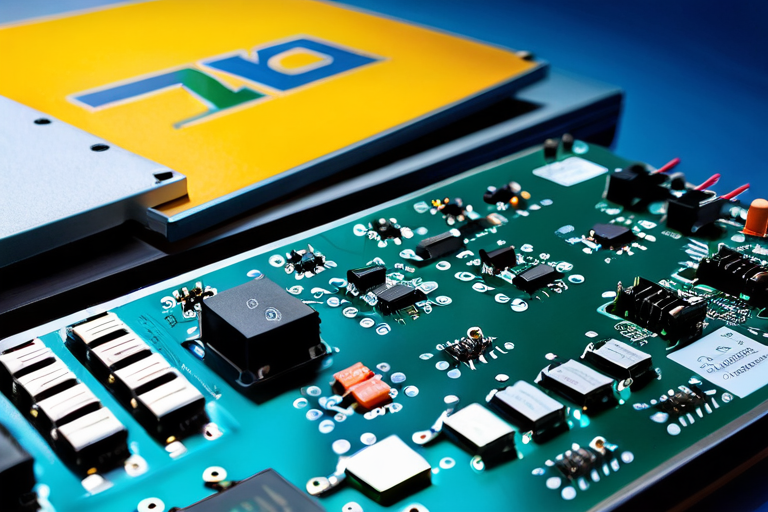
Modern RC systems, as documented by the RC Groups technical community, incorporate sophisticated features including:
- 2.4GHz spread spectrum technology for interference-free operation
- Digital proportional steering and throttle control
- Advanced battery management systems
- Real-time telemetry feedback
- Programmable electronic speed controllers
Engineering Challenges at Miniature Scale
Designing effective off-road capabilities at miniature scale presents unique engineering challenges. The physics of traction, suspension travel, and weight distribution behave differently when scaled down, requiring innovative solutions that sometimes diverge from full-scale vehicle design principles.
| Engineering Aspect | Full-Scale Challenge | Miniature Solution |
|---|---|---|
| Suspension Design | Complex multi-link systems | Simplified independent or solid axle designs with optimized spring rates |
| Traction Management | Electronic differentials and traction control | Specialized tire compounds and weight distribution optimization |
| Power Delivery | High-torque engines with complex transmissions | Brushless motors with direct drive or simple gear reductions |
| Durability | Heavy-duty construction for extreme conditions | Advanced polymer composites and modular repair systems |
According to engineering analysis published by ASME Digital Collection, miniature off-road vehicles often employ scale-appropriate material science that differs significantly from their full-scale counterparts. The use of advanced polymers, carbon fiber composites, and specialized aluminum alloys allows these small machines to withstand impacts and stresses that would destroy larger vehicles made from traditional materials.
Suspension Systems: The Key to Terrain Mastery
Suspension design represents one of the most critical aspects of miniature off-road vehicle performance. Unlike their full-scale counterparts, miniature vehicles must contend with proportionally larger obstacles and more abrupt terrain changes relative to their size.
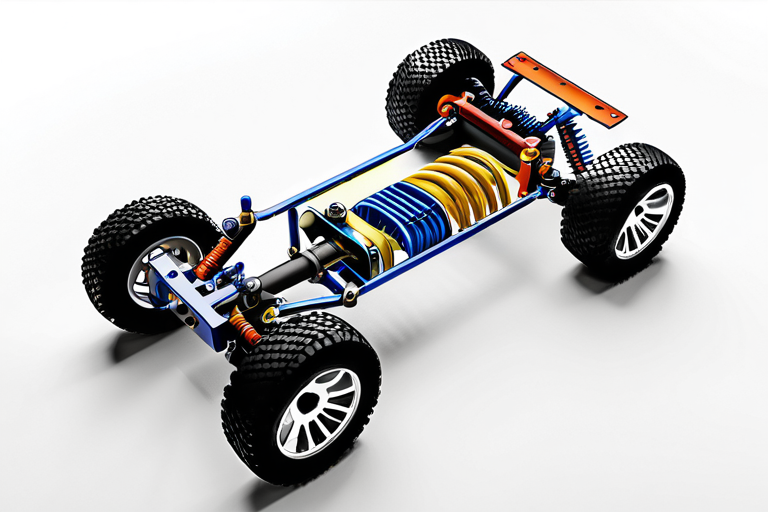
Modern miniature off-road vehicles typically employ several suspension configurations:
- Independent Suspension Systems: Offering superior articulation and wheel independence, these systems allow each wheel to react individually to terrain variations. Technical specifications from Traxxas engineering documents show how advanced independent designs can provide up to 60mm of wheel travel in 1/10 scale vehicles.
- Solid Axle Designs: While less sophisticated, solid axle systems offer exceptional durability and simplicity. These are particularly effective in extreme rock crawling applications where maximum traction and robustness are prioritized over high-speed performance.
- Hybrid Systems: Some advanced models combine elements of both independent and solid axle designs, using clever linkage systems to optimize both articulation and durability.
Power Systems and Energy Management
The evolution of power systems in toy off-road vehicles has been nothing short of revolutionary. From simple alkaline battery packs to sophisticated lithium-polymer systems, energy density and power delivery have improved exponentially over the past few decades.
Current generation vehicles typically utilize one of three power system configurations:
- Brushed Motor Systems: Traditional but still effective, these systems offer good torque characteristics and simple electronic control. They remain popular in entry-level and certain specialized applications.
- Brushless Motor Systems: Representing the current state of the art, brushless motors offer higher efficiency, greater power density, and reduced maintenance requirements. Technical data from Castle Creations indicates modern brushless systems can achieve efficiency ratings exceeding 90%.
- Hybrid and Experimental Systems: Some manufacturers are experimenting with hybrid power systems and even miniature internal combustion engines for specialized applications.
Materials Science and Durability Engineering
The materials used in modern toy off-road vehicles represent a significant departure from traditional toy manufacturing. Where early models used simple plastics and basic metals, contemporary designs incorporate advanced materials specifically engineered for miniature scale durability.
Key material innovations include:
- Advanced Polymer Composites: Glass-filled nylons and carbon-reinforced plastics provide exceptional strength-to-weight ratios while maintaining necessary flexibility for impact absorption.
- Specialized Aluminum Alloys: CNC-machined aluminum components offer precision and durability for critical suspension and drivetrain elements.
- Composite Chassis Designs: Multi-material chassis systems combine different materials in strategic locations to optimize strength, flexibility, and weight distribution.

The Digital Integration Revolution
Recent years have seen increasing digital integration in toy off-road vehicles, transforming them from simple radio-controlled toys into sophisticated electronic platforms. This integration spans several key areas:
- Advanced Control Systems: Modern transmitters incorporate microprocessor-based control systems with programmable mixing, exponential curves, and multiple model memory.
- Telemetry and Feedback: Many high-end systems now provide real-time data on battery voltage, motor temperature, speed, and other critical parameters.
- Stability and Traction Control: Electronic systems that mimic the stability control found in full-scale vehicles, automatically adjusting power delivery to maintain control.
- Modular Electronics: Standardized connectors and modular component designs allow for easy upgrades and customization.
Scale Fidelity and Realism Engineering
Beyond pure performance, modern toy off-road vehicles increasingly focus on scale realism and fidelity. This involves not just visual accuracy but also behavioral realism in how the vehicles handle and respond to terrain.
Engineering teams achieve this through several approaches:
- Detailed Scale Modeling: Precise replication of full-scale vehicle designs at reduced scale, often involving extensive research and 3D scanning of real vehicles.
- Behavioral Simulation: Programming control systems to mimic the handling characteristics of full-scale vehicles, including weight transfer, suspension compression, and traction behavior.
- Environmental Interaction: Designing vehicles to interact realistically with terrain features, including proper body roll, suspension articulation, and tire deformation.
The Hobbyist Community and Technical Innovation
Perhaps the most significant driver of technical evolution in toy off-road vehicles has been the passionate hobbyist community. Enthusiasts have consistently pushed the boundaries of what's possible, often developing modifications and improvements that eventually find their way into commercial products.
The community contributes to technical advancement through:
- Custom Modification Culture: Hobbyists regularly modify and upgrade commercial products, testing new materials, designs, and configurations.
- Open Source Development: Some communities have developed open-source designs for components and even complete vehicles.
- Competition-Driven Innovation: Organized racing and competition events create pressure for performance improvements that benefit the entire hobby.
- Knowledge Sharing: Online forums, social media groups, and dedicated websites facilitate rapid dissemination of technical knowledge and innovation.

Technical Evolution Summary
The journey of toy off-road vehicles from simple mechanical toys to sophisticated miniature machines represents a remarkable case study in scaled engineering. Each advancement—from basic radio control to sophisticated digital systems—has built upon previous innovations while introducing new challenges and opportunities.
What makes this evolution particularly interesting is how it mirrors broader technological trends while operating within the unique constraints of miniature scale. The solutions developed for these small machines often represent clever adaptations of full-scale principles rather than direct scaling, demonstrating innovative engineering thinking.
As technology continues to advance, particularly in areas like battery chemistry, materials science, and digital control systems, the capabilities of these miniature off-road vehicles will likely continue to expand. What remains constant is the fundamental appeal of these machines: they provide a tangible, interactive connection to engineering principles and off-road adventure, scaled to a manageable but still challenging form.