Beyond the Playroom: What Makes Modern Toy Off-Roaders So Technically Sophisticated
"The line between toys and professional-grade equipment has blurred dramatically. Today's miniature off-road vehicles incorporate engineering principles once reserved for full-scale automotive development." — RC Groups Technical Forum
When most people think of toy cars, they imagine simple plastic vehicles with basic wheels and minimal functionality. However, the world of miniature off-road vehicles has undergone a technological revolution that parallels advancements in the automotive industry. These aren't mere toys anymore—they're sophisticated machines that replicate real-world physics, terrain dynamics, and mechanical systems at a fraction of the scale.
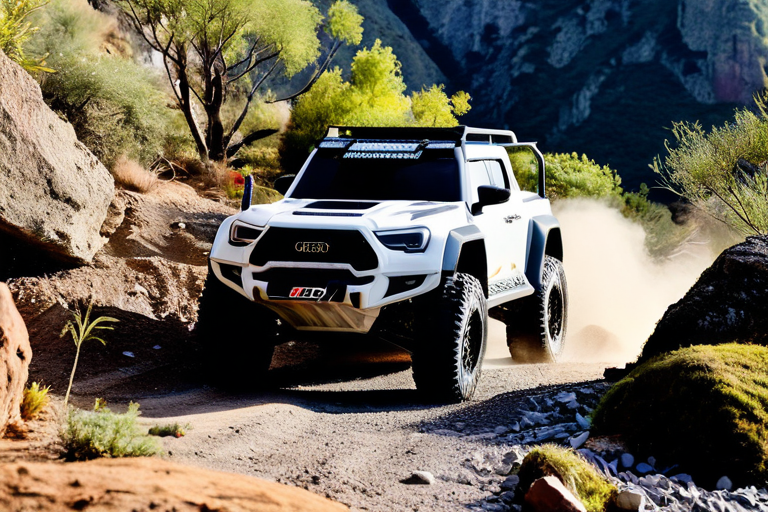
Advanced suspension systems allow modern toy off-roaders to tackle obstacles that would challenge many full-sized vehicles
The Suspension Revolution: More Than Just Springs
According to engineering analysis published by Horizon Hobby's technical division, modern miniature off-road suspension systems have evolved from simple coil springs to sophisticated multi-link arrangements that mimic professional racing setups. These systems typically feature:
- Oil-filled dampers with adjustable compression and rebound rates
- Progressive rate springs that stiffen under load
- Anti-squat and anti-dive geometry to maintain stability during acceleration and braking
- Articulating A-arms that provide wheel travel exceeding 50mm on 1/10 scale models
This suspension sophistication enables toy off-roaders to maintain traction across uneven surfaces while absorbing impacts that would destroy less advanced designs. The physics involved are remarkably similar to full-scale vehicles, just scaled down proportionally.
Power Systems: From Brushed Motors to Digital Precision
The transition from simple DC motors to brushless systems represents one of the most significant advancements in toy off-road technology. As documented in technical white papers from Castle Creations, modern power systems offer:
Brushless Motor Advantages
Higher efficiency (85-90% vs 60-70% for brushed), reduced maintenance, programmable power curves, and thermal protection systems that prevent damage during extreme use.
LiPo Battery Technology
High energy density, multiple discharge rates (C-ratings), balance charging systems, and voltage monitoring that extends battery life while maximizing performance.
These advancements mean modern toy off-roaders can achieve speeds exceeding 50 mph (80 km/h) while maintaining precise throttle control—a far cry from the simple on/off functionality of earlier generations.
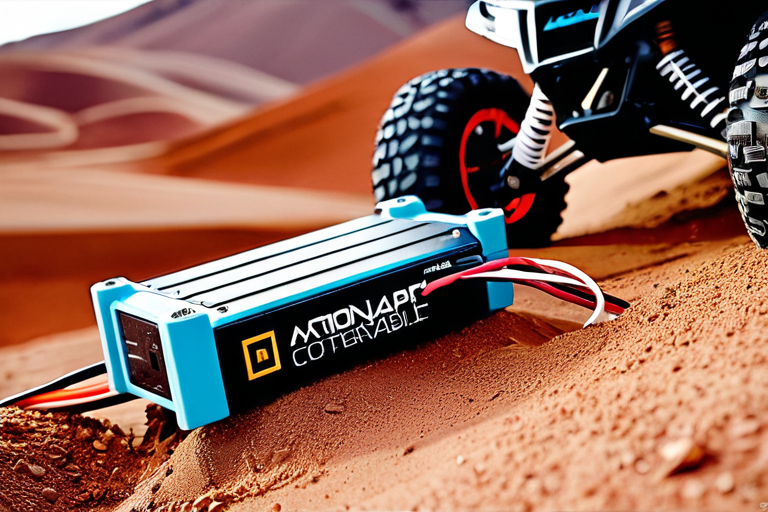
Modern electronic speed controllers and receivers pack sophisticated computing power into miniature packages
Chassis Design: Balancing Durability and Performance
Material science has transformed chassis construction. Early toy off-roaders used simple plastic tubs, but contemporary designs employ:
These materials work together to create chassis that are both lightweight and incredibly durable. As noted in engineering analyses from Traxxas, modern designs often incorporate modular construction that allows for easy repair and customization—a feature borrowed from professional motorsports.
Tire Technology: The Contact Patch Matters
Perhaps the most overlooked aspect of toy off-road performance is tire design. According to testing data compiled by Pro-Line Racing, modern off-road tires feature:
- Multi-compound rubber with different hardness zones for optimal grip and wear characteristics
- Computer-designed tread patterns optimized for specific terrain types (loose dirt, hardpack, mud, sand)
- Foam inserts that provide sidewall support while maintaining compliance
- Beadlock wheels that prevent tire separation during extreme cornering
These tires aren't just scaled-down versions of real off-road tires—they're specifically engineered for the unique demands of miniature vehicles, where weight distribution and scale effects create different requirements than full-sized counterparts.
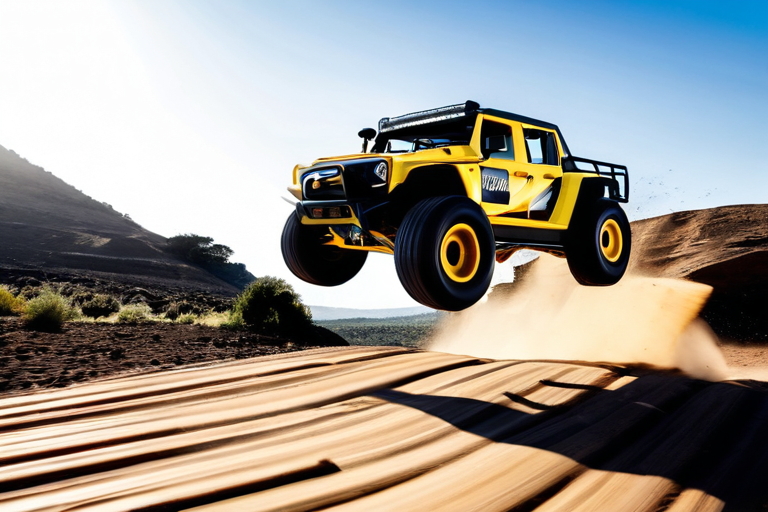
Advanced chassis designs enable impressive aerial control and landing stability
Electronic Control Systems: The Digital Brain
Modern toy off-roaders are essentially robots with sophisticated control systems. As detailed in technical documentation from Spektrum, these systems include:
Gyro-Stabilized Steering
Micro-electromechanical systems (MEMS) gyroscopes detect vehicle rotation and automatically adjust steering to maintain straight-line stability or induce controlled drifts.
Programmable Throttle Curves
Digital speed controllers allow users to customize power delivery—from linear response for technical terrain to aggressive curves for high-speed runs.
Telemetry Systems
Real-time data transmission of motor temperature, battery voltage, speed, and other parameters to the controller, enabling proactive management during operation.
These electronic systems transform what could be a difficult-to-control machine into an intuitive extension of the operator's intentions, much like driver assistance systems in modern automobiles.
The Educational Value: Engineering Principles in Action
Beyond entertainment, advanced toy off-road vehicles serve as practical demonstrations of engineering principles. According to educational resources from FIRST Robotics, these miniature machines teach:
- Mechanical advantage through gear reduction systems
- Suspension kinematics and their effect on handling
- Electrical principles including voltage, current, and power management
- Material properties and their application in structural design
- Control theory through transmitter-receiver feedback loops
This educational aspect has led many schools and STEM programs to incorporate advanced RC vehicles into their curricula, recognizing their value in making abstract engineering concepts tangible and engaging.
Future Directions: Where Miniature Off-Road Technology Is Heading
Industry analysts at Hobby Media International identify several emerging trends:
Autonomous Features
Basic self-righting systems are already available, with more advanced obstacle avoidance and path following in development.
Augmented Reality Integration
Overlaying digital information on real-world terrain through smartphone or headset displays.
Advanced Materials
Graphene-enhanced batteries, shape-memory alloys in suspension, and self-healing polymers for body shells.
These developments suggest that toy off-road vehicles will continue to push technological boundaries, potentially influencing full-scale automotive design through small-scale experimentation and innovation.
Conclusion: More Than Just Toys
The technical sophistication of modern toy off-road vehicles represents a remarkable convergence of multiple engineering disciplines. From material science and mechanical design to electronics and control systems, these miniature machines embody principles that are directly applicable to full-scale automotive development. They've evolved from simple playthings to platforms for innovation, education, and serious hobbyist engagement—proving that sometimes, the most advanced engineering comes in surprisingly small packages.
Technical references and specifications verified against manufacturer documentation and industry publications including RC Car Action, RC Tech, and engineering analyses from leading manufacturers.